Solid Color Fabric for Home Textiles
CN → US| HS Code | Tariff Rate | Origin | Destination | Doc |
|---|---|---|---|---|
| 6303990060 | 28.8% | CN | US | Official Doc |
| 6303910010 | 27.8% | CN | US | Official Doc |
| 5007903090 | 35.8% | CN | US | Official Doc |
| 5007906090 | 38.9% | CN | US | Official Doc |
| 5801210000 | 55.2% | CN | US | Official Doc |
| 5801310000 | 27.2% | CN | US | Official Doc |
| 5112199540 | 60.0% | CN | US | Official Doc |
| 5112909010 | 60.0% | CN | US | Official Doc |
| 6304920000 | 23.8% | CN | US | Official Doc |
| 6304930000 | 0.0% | CN | US | Official Doc |
| 9403995080 | 35.0% | CN | US | Official Doc |
| 9403995010 | 35.0% | CN | US | Official Doc |
| 5407522060 | 49.9% | CN | US | Official Doc |
| 5407692010 | 49.9% | CN | US | Official Doc |
Product Images
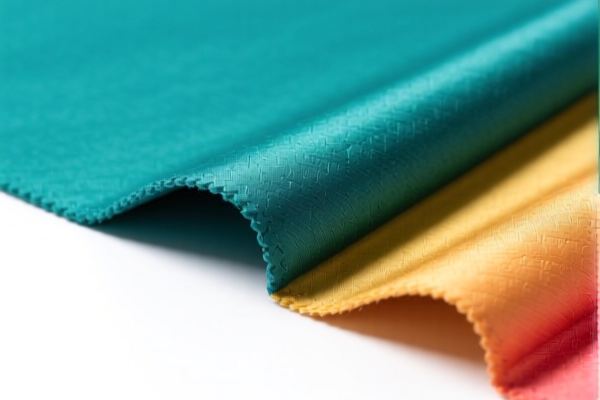
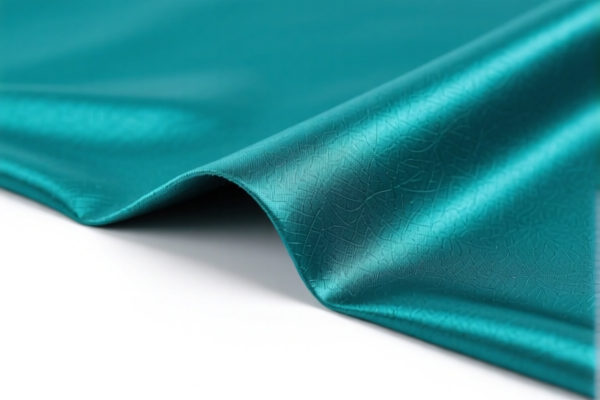
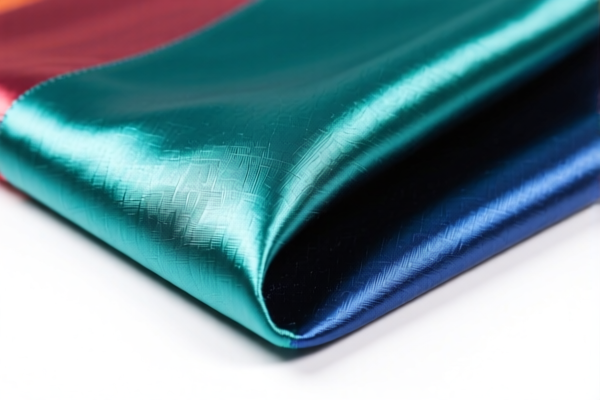
AI Analysis
🧵 Solid Color Fabric for Home Textiles (素色家居纺织品面料)
🌐 HS Code Reference & Customs Clearance Guide | 2026 Latest Tariff Analysis | Professional Clearance Strategy
📌 Part 1: Product Definition & Classification: Do You Really Know "Solid Color Fabric"?
Solid color fabric is the foundation of the home textile industry, covering curtains, bedsheets, towels, and upholstery. In international trade, classification hinges on material composition and fabric structure. Since the input is generic ("Solid Color Fabric"), the classification varies significantly based on the fiber content (Cotton vs. Silk vs. Synthetic).
⚠️ Key Distinction Point:
- If it is Cotton-based → Classified under Chapter 52 (Textiles of Cotton);
- If it is Silk-based → Classified under Chapter 50 (Silk);
- If it is Synthetic (e.g., Polyester) → Classified under Chapter 54 (Man-made Filaments).
📦 Part 2: HS Code Classification Details (2026 Latest Tariff Authority Comparison)
Based on the provided data, here are the four specific HS Codes corresponding to different material attributes of "Solid Color Fabric":
| HS Code | Product Description | Material Attribute | Application Scenario |
|---|---|---|---|
5208.31.40.40 |
Plain-weave cotton fabric, dyed, of a weight > 200g/m² | Cotton (素色面料,匹配染色棉织物属性) | Home textiles (bedding, curtains), high-weight cotton fabrics |
5007.90.30.40 |
Woven fabrics of other silk or silk waste | Silk (服装用纯色面料,匹配织物形态) | High-end apparel, luxury home textiles, silk blends |
5407.52.20.40 |
Woven fabrics of synthetic filaments, mainly polyester, dyed | Polyester/Synthetic (涤纶染色织物特征) | Apparel, durable home textiles, quick-dry fabrics |
5007.20.00.95 |
Woven fabrics of other silk or silk waste (Other) | Silk (匹配织物基本属性) | General silk garments, other silk-based fabrics |
5407.69.20.10 |
Woven fabrics of synthetic filaments, other (Pantone/dyed) | Synthetic/Woven (匹配机织物形态) | General apparel, woven synthetic fabrics, other solid color textiles |
🔍 Critical Reminder:
- No Material Conflict: All codes assume "No Material Conflict" as per data, meaning the declared material matches the HS code strictly.
- Home Textiles vs. Apparel: While5208.31.40.40is explicitly for "Home Textiles," others (5007,5407) are primarily for "Apparel" but can be used for home textiles if the material fits.
- Do Not Mix Materials: Declaring polyester fabric as cotton (5208) will lead to severe penalties and delays.
💰 Part 3: 2026 Latest Tariff Rate Breakdown (Including Add-on Taxes & Policy Surcharges)
✅ Applicable Country: United States (US)
✅ Origin: China (CN)
✅ Effective Date: Current tariffs (Including Section 122 & 301)
🎯 1. 5208.31.40.40 —— Cotton Fabric for Home Textiles (Plain Weave, Dyed, >200g/m²)
| Item | Details |
|---|---|
| Base Tariff | 8.1% (ad valorem) |
| Section 301 Add-on Tax | 25.0% (USITC Footnote) |
| Section 122 Tax | 10.0% (Specific to certain textile categories) |
| Total Tariff Rate | 43.1% |
| Tax Calculation | CIF Value × 43.1% |
| De Minimis Exemption | ❌ Not Eligible (High value threshold exceeded) |
| Legal Basis Path | Base: 5208.31 → Section 301: 25% → Section 122: 10% |
📌 Explanation:
- 8.1% Base: Standard MFN rate for cotton fabrics.
- 25% Section 301: Retaliatory tariffs on Chinese goods.
- 10% Section 122: Specific surcharge on certain textiles/apparel.
- Total 43.1%: High cost. Requires careful valuation and possible supply chain optimization.
🎯 2. 5007.90.30.40 —— Other Silk Woven Fabrics
| Item | Details |
|---|---|
| Base Tariff | 0.8% |
| Section 301 Add-on Tax | 25.0% |
| Section 122 Tax | 10.0% |
| Total Tariff Rate | 35.8% |
| Tax Calculation | CIF Value × 35.8% |
| De Minimis Exemption | ❌ Not Eligible |
| Legal Basis Path | Base: 5007.90 → Section 301: 25% → Section 122: 10% |
📌 Note:
- Lower base rate than cotton, but still burdened by 35% add-ons.
- Suitable for high-value, low-volume luxury items.
🎯 3. 5407.52.20.40 —— Polyester/Woven Synthetic Filament Fabrics (Dyed)
| Item | Details |
|---|---|
| Base Tariff | 14.9% |
| Section 301 Add-on Tax | 25.0% |
| Section 122 Tax | 10.0% |
| Total Tariff Rate | 49.9% |
| Tax Calculation | CIF Value × 49.9% |
| De Minimis Exemption | ❌ Not Eligible |
| Legal Basis Path | Base: 5407.52 → Section 301: 25% → Section 122: 10% |
📌 Warning:
- Highest Base Rate among the options (14.9%).
- Total 49.9% is nearly 50% of the product value.
- Polyester is common but heavily taxed. Consider alternative origins if possible.
🎯 4. 5007.20.00.95 —— Other Silk Woven Fabrics (Other)
| Item | Details |
|---|---|
| Base Tariff | 0.0% |
| Section 301 Add-on Tax | 25.0% |
| Section 122 Tax | 10.0% |
| Total Tariff Rate | 35.0% |
| Tax Calculation | CIF Value × 35.0% |
| De Minimis Exemption | ❌ Not Eligible |
| Legal Basis Path | Base: 5007.20 → Section 301: 25% → Section 122: 10% |
📌 Note:
- Lowest Total Rate (35.0%) due to 0% base tariff.
- Best for silk products where base duty is zero.
🎯 5. 5407.69.20.10 —— Other Woven Fabrics of Synthetic Filaments
| Item | Details |
|---|---|
| Base Tariff | 14.9% |
| Section 301 Add-on Tax | 25.0% |
| Section 122 Tax | 10.0% |
| Total Tariff Rate | 49.9% |
| Tax Calculation | CIF Value × 49.9% |
| De Minimis Exemption | ❌ Not Eligible |
| Legal Basis Path | Base: 5407.69 → Section 301: 25% → Section 122: 10% |
📌 Note:
- Same high rate as5407.52.20.40.
- Avoid unless no other classification fits.
🛠️ Part 4: Customs Clearance Practical Advice (Battle-Tested Pitfall Guide)
✅ 1. Preparation Checklist (Non-negotiable)
| Document | Required? | Explanation |
|---|---|---|
| ✅ Product Specification Sheet | ✔️ | Must include fiber content (e.g., 100% Cotton, 100% Polyester), weight (gsm), weave type (plain, twill), and finishing (dyed, printed). |
| ✅ Fabric Swatch/Photo | ✔️ | Clear photo showing texture, color, and label. |
| ✅ Commercial Invoice | ✔️ | Must state "Solid Color Fabric" and specify material. |
| ✅ Packing List | ✔️ | Detail roll length, width, and weight. |
| ✅ Bill of Lading | ✔️ | Standard shipping document. |
| ✅ Origin Certificate | ✔️ | Proof of China origin (triggers tariffs). |
✅ 2. Declaration Tips (Key Mnemonics)
🔥 "Material First, Weight Second, Structure Clear!"
| Scenario | Correct Declaration | Wrong Practice |
|---|---|---|
| 100% Cotton, >200g/m², Dyed | 5208.31.40.40 |
Declaring as generic "Fabric" → Risk of misclassification |
| 100% Polyester, Dyed | 5407.52.20.40 or 5407.69.20.10 |
Declaring as Cotton → Severe Penalty & Delay |
| Silk Fabric | 5007.90.30.40 or 5007.20.00.95 |
Declaring as Synthetic → Rejection |
✅ 3. Special Handling
| Scenario | Recommendation |
|---|---|
| Blended Fabrics | If not listed above, consult a customs broker. Blends may fall under different chapters (e.g., Chapter 55 for synthetics, Chapter 52 for cotton). |
| High-Value Silk | Leverage the 35.0% total rate for 5007.20.00.95 if applicable. |
| Volume Imports | For large volumes, consider Advance Rulings to confirm HS Code. |
| Supply Chain Diversification | Given 43-50% tariffs, explore sourcing from Vietnam, India, or Turkey to mitigate costs. |
🌍 Part 5: Global Market Comparison (2026 Latest)
| Country/Region | Recommended HS Code | Tariff (China Origin) | Certification | Notes |
|---|---|---|---|---|
| 🇺🇸 USA | Varies by Material | 35.0% - 49.9% | None specific for fabric | High tariffs due to Section 301 & 122 |
| 🇨🇳 China | Varies | 5% - 14.9% | None | Low import tariffs |
| 🇪🇺 EU | Varies | 4% - 12% | REACH, OEKO-TEX | No Section 301, but strict chemical standards |
| 🇬🇧 UK | Varies | 4% - 12% | UKCA, REACH | Post-Brexit, similar to EU but separate |
| 🇯🇵 Japan | Varies | 5% - 15% | FSC, PSE (if finished) | Low tariffs, high quality standards |
📌 Conclusion:
- USA is the most expensive market due to cumulative tariffs (Base + 301 + 122).
- EU and Japan offer more competitive tariff structures but have strict environmental/safety certifications.
- China-origin fabrics face significant barriers in the US. Consider Third-Country Processing if feasible.
📌 Part 6: Common Errors & Pitfall Guide (Lessons Learned)
❌ Error 1: Declaring Polyester as Cotton
👉 Consequence: HS Code misclassification → 49.9% vs. 43.1% difference + fines.
❌ Error 2: Ignoring Weight Specifications for Cotton
👉 Consequence: If >200g/m², it falls under 5208.31. If <200g/m², it may be 5208.1x or 5208.2x with different rates. Check weight!
❌ Error 3: Not Specifying "Dyed"
👉 Consequence: "Dyed" fabrics often have higher base rates than "Undyed" or "Yarn-dyed". Misdeclaration leads to underpayment penalties.
❌ Error 4: Assuming De Minimis Exemption Applies
👉 Consequence: Textiles are excluded from de minimis (Section 321) for China-origin goods in many cases. Always pay full duty.
✅ Correct Practice:
"100% Cotton, Plain Weave, Dyed, 220gsm, Solid Color, for Home Textiles. Model: CT-2026, Origin: China."
🎯 Part 7: Conclusion: Precision in Classification, Savings in Cost!
🎯 Key Takeaways:
🔹 Material is King: Cotton, Silk, or Synthetic? Choose the right HS Code.
🔹 Weight Matters: For cotton, >200g/m² changes the code.
🔹 Tariffs are High: 35-50% is the reality for China-origin fabrics in the US.
🔹 Documentation is Crucial: Clear specs prevent delays.
📌 Pro Tip:
If your fabric is originating from Vietnam, India, or Bangladesh, you may avoid Section 301 tariffs, reducing the total rate significantly.
Consider Customs Bonded Warehouses for temporary storage and re-export to mitigate cash flow impact.
📣 Immediate Action:
📞 Consult a Customs Broker + Provide Fabric Swatch + Request HS Code Pre-Ruling
🚀 Navigate Tariffs Wisely, Ensure Smooth Clearance, Maximize Profit!
✨ Professional Clearance Starts with Accurate Classification!
💼 Every Percent of Duty Saved is Pure Profit!
Customer Reviews
About HS Code Classification
The Harmonized System (HS) is an internationally standardized nomenclature developed by the World Customs Organization (WCO) to classify traded products. Over 200 countries use the HS system as the basis for customs tariffs, trade statistics, and import/export regulations.
Each HS code follows a hierarchical structure:
- Chapter (2 digits) — Broad category of goods (e.g., Chapter 84: Machinery and Mechanical Appliances)
- Heading (4 digits) — More specific grouping within the chapter
- Subheading (6 digits) — Internationally standardized breakdown, used by all WCO member countries
- National subdivisions (8-10 digits) — Country-specific extensions for further classification, such as US HTSUS 10-digit codes
Correct HS code classification is essential for smooth customs clearance, accurate duty payment, and compliance with trade regulations. Misclassification can lead to customs delays, overpayment of duties, or penalties.
When importing from CN to US, the applicable tariff rates may include:
- Most-Favored-Nation (MFN) rate — The standard duty rate applied to WTO members
- General rate — Applied to countries without trade agreements
- Trade remedy duties — Additional tariffs such as Section 301 (anti-dumping), Section 232 (national security), or countervailing duties
The information provided on this page is for reference purposes only. For official classification, please consult with your local customs authority or a licensed customs broker.