Solid Colour Silk Scarf
CN → US| HS Code | Tariff Rate | Origin | Destination | Doc |
|---|---|---|---|---|
| 6214102000 | 21.4% | CN | US | Official Doc |
| 6214101000 | 18.7% | CN | US | Official Doc |
| 6117106020 | 27.0% | CN | US | Official Doc |
| 6117102030 | 21.3% | CN | US | Official Doc |
| 6117104000 | 19.0% | CN | US | Official Doc |
Product Images
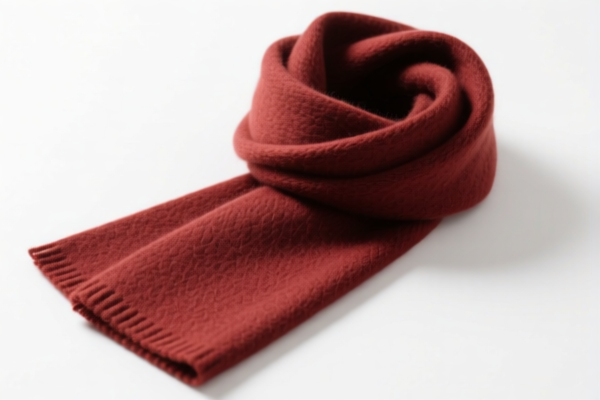
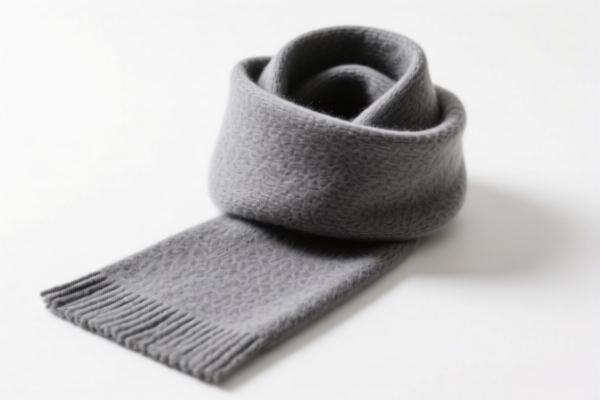
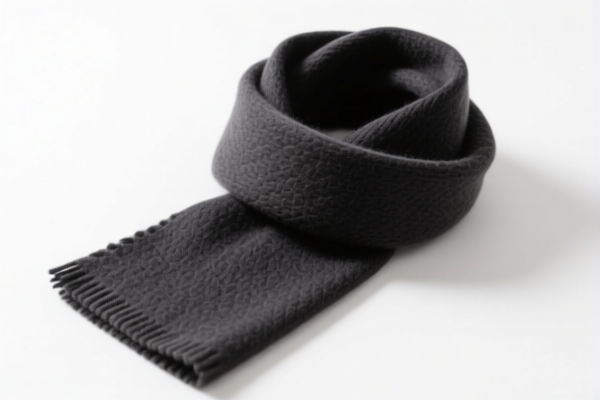
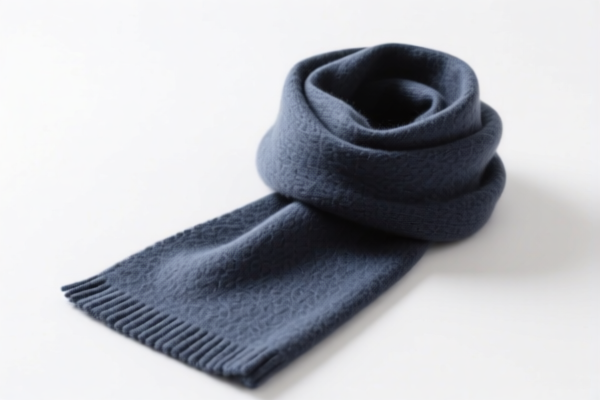
AI Analysis
🧣 Solid Colour Silk Scarf (Solid Colour Silk Scarf)
🌐 HS Code Reference & Customs Clearance Guide | 2026 Latest Tariff Analysis | Professional Clearance Strategy
📌 I. Product Definition & Classification: Do You Really Understand "Silk Scarf"?
The Solid Colour Silk Scarf is a classic fashion accessory, widely used for neck decoration, headwear, or as a luxury gift. In international trade, its classification hinges on two critical factors:
1. Material Composition: Is it pure silk (natural fiber), silk blend, or artificial silk?
2. Form/Structure: Is it a woven fabric product (Chapter 50/51), or a made-up textile article (Chapter 61)?
⚠️ Key Distinction Point:
- If it is a knitted or crocheted scarf (even if made of silk), it generally falls under Chapter 61 (Apparel Accessory).
- If it is a woven silk fabric sold by the meter or as a raw sheet, it falls under Chapter 50 (Silk Fabrics).
- Most commercially traded "scarves" are knitted/crocheted or specifically classified as "made-up articles," leading to HS Code 6117.10.
📦 II. HS Code Classification Details (2026 Latest Tariff Authority Comparison)
Based on the provided data, here are the 5 potential HS Codes and their specific matching criteria:
| HS Code | Product Description | Matching Criteria | Total Tax Rate | Tax Breakdown |
|---|---|---|---|---|
| 6117.10.60.20 | Scarf/Shawl (Silk Material) | Form: Scarf/Shawl. Material: Silk (Non-cotton, fits "other materials" definition). | 27.0% | Base: 9.5% + Section 301: 7.5% + Section 122: 10% |
| 6117.10.20.30 | Silk Scarf (Shawl/Scarf) | Form: Silk Scarf. Material: Silk (Natural fiber, non-wool/fine animal hair). | 21.3% | Base: 11.3% + Section 301: 0.0% + Section 122: 10% |
| 6117.10.40.00 | Solid Color Silk Scarf | Form: Scarf. Material: Pure Silk (Meets silk content ratio, usage: Apparel Accessory). | 19.0% | Base: 1.5% + Section 301: 7.5% + Section 122: 10% |
| 5007.90.30.90 | Silk Fabric (Scarf Form) | Material: Silk (≥85% silk). Form: Woven Silk Fabric/Scarf. | 35.8% | Base: 0.8% + Section 301: 25.0% + Section 122: 10% |
| 5007.90.30.40 | Solid Color Silk Fabric | Material: Silk (Silk/Silk Waste). Form: Pure Color Silk Scarf (Fabric Product). | 35.8% | Base: 0.8% + Section 301: 25.0% + Section 122: 10% |
🔍 Critical Insight:
- Chapter 61 (6117.xx) is the most common for finished scarves. The tax rate varies significantly based on the Base Duty (ranging from 1.5% to 11.3%).
- Chapter 50 (5007.xx) classifies the item as fabric, not an accessory. This incurs a massive 25% Section 301 tariff, making it much more expensive despite a low base duty (0.8%).
- Section 122 (10%) applies to all entries in this dataset, likely referring to a specific punitive or surcharge tariff applicable to China-origin goods in this context.
💰 III. 2026 Latest Tariff Rate Breakdown (Including Surtaxes & Policy Add-ons)
✅ Applicable Country: United States (US)
✅ Origin: China (CN)
✅ 生效时间: Current Active Rates
🎯 1. 6117.10.60.20 — Scarf/Shawl (Silk, Non-Cotton)
| Item | Content |
|---|---|
| Base Duty | 9.5% |
| Section 301 Duty | +7.5% |
| Section 122 Surcharge | +10% |
| Total Rate | 27.0% |
| Calculation | CIF Value × 27% |
| De Minimis Exemption | ❌ Not Eligible (High risk of seizure if under $800) |
| Legal Path | HTS:6117.10.60.20 → Section 301: 7.5% → Section 122: 10% |
📌 Explanation:
- This code is used for scarves where the material definition is broad ("other materials" excluding cotton).
- The 7.5% Section 301 is significant. Always verify if the material can be classified under a lower Section 301 code.
🎯 2. 6117.10.20.30 — Silk Scarf (Natural Fiber, Non-Wool)
| Item | Content |
|---|---|
| Base Duty | 11.3% |
| Section 301 Duty | 0.0% |
| Section 122 Surcharge | +10% |
| Total Rate | 21.3% |
| Calculation | CIF Value × 21.3% |
| De Minimis Exemption | ❌ Not Eligible |
| Legal Path | HTS:6117.10.20.30 → Section 301: 0.0% → Section 122: 10% |
📌 Note:
- This is the lowest total tax rate among the Section 301-exempt options.
- Key Requirement: Must be clearly defined as "Natural Fiber, Non-Wool." If the scarf contains wool or cashmere, this code is invalid.
- The 0% Section 301 makes this the most cost-effective choice if the material composition strictly fits.
🎯 3. 6117.10.40.00 — Solid Color Silk Scarf (Accessories)
| Item | Content |
|---|---|
| Base Duty | 1.5% |
| Section 301 Duty | +7.5% |
| Section 122 Surcharge | +10% |
| Total Rate | 19.0% |
| Calculation | CIF Value × 19.0% |
| De Minimis Exemption | ❌ Not Eligible |
| Legal Path | HTS:6117.10.40.00 → Section 301: 7.5% → Section 122: 10% |
📌 Optimal Choice?
- This has the lowest Base Duty (1.5%) and the lowest Total Rate (19.0%) among all options.
- Requirement: Must be Solid Color and meet specific silk content ratios for "Apparel Accessories."
- Recommendation: If your product is truly a solid color and pure silk, this is the best classification for cost savings.
🎯 4. 5007.90.30.90 — Silk Fabric (Scarf Form)
| Item | Content |
|---|---|
| Base Duty | 0.8% |
| Section 301 Duty | +25.0% |
| Section 122 Surcharge | +10% |
| Total Rate | 35.8% |
| Calculation | CIF Value × 35.8% |
| De Minimis Exemption | ❌ Not Eligible |
| Legal Path | HTS:5007.90.30.90 → Section 301: 25.0% → Section 122: 10% |
⚠️ Warning:
- This classifies the scarf as raw fabric, not an accessory.
- The 25% Section 301 tariff is punitive. Do not use this unless you are selling raw silk fabric, not finished scarves.
🎯 5. 5007.90.30.40 — Solid Color Silk Fabric
| Item | Content |
|---|---|
| Base Duty | 0.8% |
| Section 301 Duty | +25.0% |
| Section 122 Surcharge | +10% |
| Total Rate | 35.8% |
| Calculation | CIF Value × 35.8% |
| De Minimis Exemption | ❌ Not Eligible |
| Legal Path | HTS:5007.90.30.40 → Section 301: 25.0% → Section 122: 10% |
⚠️ Warning:
- Same as above. High tariff burden due to Section 301. Avoid for finished scarves.
🛠️ IV. Customs Clearance Practical Advice (Battle-Tested Pitfall Guide)
✅ 1. Document Checklist (All Required)
| Document | Must Provide | Description |
|---|---|---|
| ✅ Product Specification Sheet | ✔️ | Must clearly state "100% Silk" or exact percentage. Define "Solid Color." |
| ✅ Composition Label Photo | ✔️ | Clear image of the care label showing fiber content. |
| ✅ Product Photos | ✔️ | Front, back, and edge finish. Show it is a finished scarf, not a piece of fabric. |
| ✅ Commercial Invoice | ✔️ | Description must match HS Code: e.g., "Solid Color Silk Scarf, Women's Accessory." |
| ✅ Proof of Silk Content | ✔️ | Third-party lab report (if required by CBP) to prove ≥85% silk (for Ch 50) or appropriate fit for Ch 61. |
| ✅ Packing List | ✔️ | Quantity, weight, and dimensions. |
✅ 2. Declaration Tips (Key Mantras)
🔥 "Finish the Scarf, Not the Fabric! Color Matters, Code Changes!"
| Scenario | Correct Declaration | Incorrect Declaration |
|---|---|---|
| Finished Solid Color Scarf | 6117.10.40.00 (19.0%) |
5007.90.30.40 (35.8%) → Overpay 16.8%! |
| Silk Scarf (Non-Wool) | 6117.10.20.30 (21.3%) |
6117.10.60.20 (27.0%) → Overpay 5.7%! |
| Wool Scarf | ❌ Not in list | Use appropriate Wool HS (e.g., 6117.20) |
| Raw Silk Fabric | 5007.90.30.90 (35.8%) |
6117.10.40.00 → Misclassification Risk |
📌 Crucial Point:
- If your scarf is Solid Color, always push for 6117.10.40.00 (19.0%) as it is the lowest tax rate.
- If it is Patterned/Printed, you may need to use 6117.10.20.30 (21.3%) or 6117.10.60.20 (27.0%) depending on exact material definition.
- Never declare a finished scarf as "Silk Fabric" (Chapter 50) unless you are specifically selling raw material. CBP will reclassify and charge the 25% Section 301.
✅ 3. Special Case Handling
| Scenario | Handling Advice |
|---|---|
| Mixed Material (e.g., Silk/Cotton) | Ensure silk is not mixed with cotton if using 6117.10.60.20. If cotton > silk, it may be classified differently. |
| OEM Custom Scarf | Provide design files to prove "Solid Color" or specific pattern. |
| Gift Sets (Scarf + Box) | Declare scarf as primary item. Box is minor accessory. Do not split. |
| Low Value (< $800) | Section 122 (10%) likely still applies to China origin. De Minimis (Section 321) may NOT apply due to Section 122/301 restrictions on certain categories. Verify current CBP enforcement on "Section 321 abuse." |
🌍 V. Global Main Market Clearance Comparison (2026 Latest)
| Country/Region | Recommended HS Code | Tariff (China Origin) | Certification | Notes |
|---|---|---|---|---|
| 🇺🇸 USA | 6117.10.40.00 |
19.0% | None specific | Lowest rate for solid color. |
| 🇪🇺 EU | 6214.10.00 |
0-12% (Varies) | CE (if applicable) | EU uses 8-digit HS. Similar logic: Scarf = 6214. |
| 🇨🇳 China | 6117.10.90.90 |
11.5% | N/A | Export/Import duties differ. |
| 🇦🇺 Australia | 6117.10.00.00 |
5-10% | N/A | GSP preferences may apply for some origins. |
| 🇯🇵 Japan | 6117.90.00.00 |
0-12% | N/A | JETRO guidelines apply. |
📌 Conclusion:
- USA is the most complex due to Section 301 and Section 122.
- Solid Color classification (6117.10.40.00) offers the biggest savings (19.0% vs 27.0% or 35.8%).
- Avoid Chapter 50 for finished scarves to escape the 25% Section 301 penalty.
📌 VI. Common Mistakes & Pitfall Guide (Blood-Teaching Lessons)
❌ Mistake 1: Declaring a finished scarf as "Silk Fabric" (5007.90.30.40)
👉 Consequence: Pay 35.8% instead of 19.0%. Overpaid 16.8%!
❌ Mistake 2: Ignoring "Solid Color" specification
👉 Consequence: Forced into 6117.10.20.30 (21.3%) or 6117.10.60.20 (27.0%) due to lack of specific description. Overpaid 2.3% - 8.0%.
❌ Mistake 3: Declaring "Scarf" without material detail
👉 Consequence: CBP assigns "Other Textile Scarves" → Higher Base Duty (9.5%) → 27.0% total.
✅ Correct Action:
"Solid Color 100% Silk Scarf, Woven, Women's Fashion Accessory, Model XYZ"
🎯 VII. Conclusion: Professional Declaration Saves Money!
🎯 Remember the Mantra:
🔹 "Solid Color is King: 19% vs 27%!"
🔹 "Finished Scarf ≠ Fabric: Avoid 35.8%!"
🔹 "Section 301 is the Enemy: Choose 0% Section 301 codes if possible!"
📌 Pro Tip:
If your scarf is NOT solid color (e.g., printed), you cannot use 6117.10.40.00. You must use 6117.10.20.30 (21.3%) or 6117.10.60.20 (27.0%) based on material specifics. Always check the material composition first!
📣 Immediate Action:
📞 Contact Customs Broker + Provide Product Photos + Confirm Solid Color Status
🚀 Optimize Your Tariff: From 35.8% Down to 19.0%!
✨ Professional Clearance Starts with Accurate Classification!
💼 Every 1% of Tax Saved is Pure Profit!
Customer Reviews
About HS Code Classification
The Harmonized System (HS) is an internationally standardized nomenclature developed by the World Customs Organization (WCO) to classify traded products. Over 200 countries use the HS system as the basis for customs tariffs, trade statistics, and import/export regulations.
Each HS code follows a hierarchical structure:
- Chapter (2 digits) — Broad category of goods (e.g., Chapter 84: Machinery and Mechanical Appliances)
- Heading (4 digits) — More specific grouping within the chapter
- Subheading (6 digits) — Internationally standardized breakdown, used by all WCO member countries
- National subdivisions (8-10 digits) — Country-specific extensions for further classification, such as US HTSUS 10-digit codes
Correct HS code classification is essential for smooth customs clearance, accurate duty payment, and compliance with trade regulations. Misclassification can lead to customs delays, overpayment of duties, or penalties.
When importing from CN to US, the applicable tariff rates may include:
- Most-Favored-Nation (MFN) rate — The standard duty rate applied to WTO members
- General rate — Applied to countries without trade agreements
- Trade remedy duties — Additional tariffs such as Section 301 (anti-dumping), Section 232 (national security), or countervailing duties
The information provided on this page is for reference purposes only. For official classification, please consult with your local customs authority or a licensed customs broker.