Sound Absorbing Foam Board
CN → US| HS Code | Tariff Rate | Origin | Destination | Doc |
|---|---|---|---|---|
| 3921190090 | 41.5% | CN | US | Official Doc |
| 3921110000 | 40.3% | CN | US | Official Doc |
| 6806900010 | 35.0% | CN | US | Official Doc |
| 4411932000 | 0.0% | CN | US | Official Doc |
| 4421993000 | 28.2% | CN | US | Official Doc |
Product Images


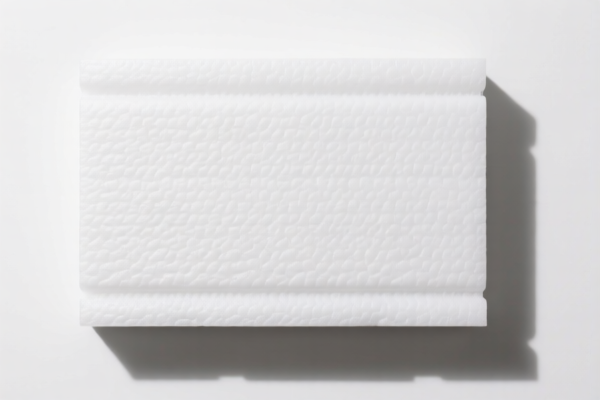
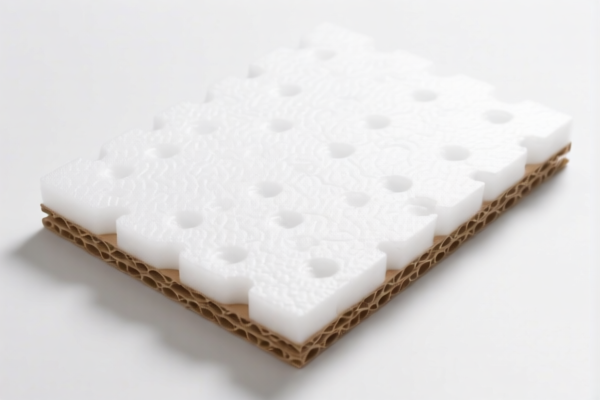
AI Analysis
🧱 Sound Absorbing Foam Board (Acoustic Insulation)
🌐 HS Code Reference & Customs Clearance Guide | 2026 Latest Tariff Analysis | Professional Clearance Strategy
📌 I. Product Definition & Classification: What exactly is "Sound Absorbing Foam"?
Sound absorbing foam boards are specialized building materials designed to reduce noise pollution, improve acoustic comfort, and provide thermal insulation. In international trade, these products are primarily classified based on their material composition (Polyurethane, Polystyrene, Mineral/Inorganic) and form factor (Board/Slab).
The classification logic hinges on two main questions: 1. Is it organic polymer (Plastic) or inorganic (Mineral/Wood)? 2. What is the specific chemical structure? (e.g., Polyurethane vs. Polystyrene).
⚠️ Key Distinction Point:
- Polyurethane (PU) Foam → Often classified under Chapter 39 (Plastics), specifically3921.19.00.90.
- Polystyrene (EPS/XPS) Foam → Classified under Chapter 39, specifically3921.11.00.00.
- Mineral/Polymer Composite Insulation → May fall under Chapter 68 (Mineral Products) if the mineral content is dominant,6806.90.00.10.
- Wood-based Acoustic Panels → Classified under Chapter 44,4411.93.20.00or4421.99.30.00.
📦 II. HS Code Classification Matrix (2026 Latest Tariff Authority Cross-Reference)
Based on the provided data, here are the four most likely classifications for "Sound Absorbing Foam Board" and the corresponding tariff structures.
| HS Code | Product Description | Material/Characteristics | Primary Application |
|---|---|---|---|
3921.19.00.90 |
Plastic Foam Boards (Other) | Polyurethane or other synthetic plastics; Board shape | General acoustic insulation, thermal backup |
3921.11.00.00 |
Foam Board, Sheet, or Strip | Polystyrene (EPS/XPS) or similar polymers; Board shape | Standard acoustic foam, packaging, insulation |
6806.90.00.10 |
Mineral or Polymer Sound Insulation | Mineral or polymer-based; For sound absorption; Board shape | High-fire-resistance acoustic panels, industrial insulation |
4411.93.20.00 |
Wood-Based Sound Absorbing Board | Wood material; Board shape; For construction/architectural use | Decorative acoustic wood wool, wooden acoustic panels |
4421.99.30.00 |
Wooden Board-like Articles | Wood material; Decorative or shielding components | Wooden acoustic screens, non-construction wooden decor |
🔍 Critical Note for Importers:
- Polyurethane (PU) is the most common material for high-density acoustic foam. It falls under 3921.19.00.90.
- Polystyrene (Styrofoam) is lighter and less dense. It falls under 3921.11.00.00.
- Mineral wool/fiber mixed with polymer binder may fall under 6806.90.00.10.
- Do not confuse "Foam" (Plastics Chapter 39) with "Wood Wool" (Wood Chapter 44). Misclassification leads to significant duty penalties.
💰 III. 2026 Latest Tariff Rate Breakdown (Including Additional Duties & Policies)
✅ Applicable Country: United States (US)
✅ Country of Origin: China (CN)
✅ Effective Date: Post-November 2025 (Including subsequent imports)
🎯 1. 3921.19.00.90 – Plastic Foam Boards (Polyurethane/Other)
| Item | Content |
|---|---|
| Base Tariff | 6.5% |
| Section 301 Additional Tariff | +25.0% |
| Section 122 Tariff (IEEPA) | +10.0% |
| Total Effective Rate | 41.5% |
| Tax Calculation | CIF Value × 41.5% |
| De Minimis Eligibility | ❌ Not Eligible (Denied due to high duty rates and Section 301 status) |
| Legal Basis Path | USITC:3921.19.00.90 → FOOTNOTE:301 (+25%) → IEEPA:9903.01.24 (+10%) |
📌 Explanation:
- Base 6.5%: Standard MFN rate for plastic foam articles.
- +25%: Section 301 tariff for Chinese plastics.
- +10%: Section 122 tariff targeting specific Chinese goods.
- Total 41.5%: This is a heavy tax burden. Profit margins must account for this.
🎯 2. 3921.11.00.00 – Polystyrene Foam Boards
| Item | Content |
|---|---|
| Base Tariff | 5.3% |
| Section 301 Additional Tariff | +25.0% |
| Section 122 Tariff (IEEPA) | +10.0% |
| Total Effective Rate | 40.3% |
| Tax Calculation | CIF Value × 40.3% |
| De Minimis Eligibility | ❌ Not Eligible |
| Legal Basis Path | USITC:3921.11.00.00 → FOOTNOTE:301 (+25%) → IEEPA:9903.01.24 (+10%) |
📌 Note:
- Very similar to PU foam, but slightly lower base rate (5.3% vs 6.5%).
- Total 40.3%.
- Common for lower-density acoustic foam sheets.
🎯 3. 6806.90.00.10 – Mineral/Polymer Sound Absorbing Material
| Item | Content |
|---|---|
| Base Tariff | 0.0% |
| Section 301 Additional Tariff | +25.0% |
| Section 122 Tariff (IEEPA) | +10.0% |
| Total Effective Rate | 35.0% |
| Tax Calculation | CIF Value × 35.0% |
| De Minimis Eligibility | ❌ Not Eligible |
| Legal Basis Path | USITC:6806.90.00.10 → FOOTNOTE:301 (+25%) → IEEPA:9903.01.24 (+10%) |
📌 Advantage:
- Lowest Total Rate (35%) among plastic/mineral foams.
- Zero Base Duty is a significant advantage.
- Suitable if the product contains significant mineral fiber content (e.g., glass wool/mineral wool with polymer binder).
🎯 4. 4411.93.20.00 – Wood-Based Sound Absorbing Board
| Item | Content |
|---|---|
| Base Tariff | 1.9¢/kg + 1.5% |
| Section 301 Additional Tariff | +25.0% |
| Section 122 Tariff (IEEPA) | +10.0% |
| Total Effective Rate | 35.0% + 1.9¢/kg |
| Tax Calculation | (CIF Value × 35%) + (Weight in kg × $0.019) |
| De Minimis Eligibility | ❌ Not Eligible |
| Legal Basis Path | USITC:4411.93.20.00 → FOOTNOTE:301 (+25%) → IEEPA:9903.01.24 (+10%) |
📌 Note:
- Applies only to wood-based acoustic panels (e.g., wood fiber board).
- Includes a specific duty (1.9¢/kg) plus ad valorem tax.
- Heavy products may incur high specific duties.
🎯 5. 4421.99.30.00 – Wooden Board-like Articles (Decorative/Shielding)
| Item | Content |
|---|---|
| Base Tariff | 10.7% |
| Section 301 Additional Tariff | +7.5% |
| Section 122 Tariff (IEEPA) | +10.0% |
| Total Effective Rate | 28.2% |
| Tax Calculation | CIF Value × 28.2% |
| De Minimis Eligibility | ❌ Not Eligible |
| Legal Basis Path | USITC:4421.99.30.00 → FOOTNOTE:301 (+7.5%) → IEEPA:9903.01.24 (+10%) |
📌 Best Rate for Wood:
- Lowest Total Rate (28.2%) in the entire dataset.
- Section 301 Rate is only 7.5% (vs 25% for plastics).
- Ideal for decorative wooden acoustic panels or shielding components.
🛠️ IV. Customs Clearance Practical Advice (Battle-Tested Pitfall Guide)
✅ 1. Essential Documentation Checklist (All Required)
| Document | Mandatory? | Notes |
|---|---|---|
| ✅ Product Specification Sheet | ✔️ | Must specify material (PU, EPS, Mineral, Wood), density, fire rating. |
| ✅ Material Safety Data Sheet (MSDS) | ✔️ | Required for foam products to confirm chemical composition. |
| ✅ Product Photos (Clear) | ✔️ | Show cross-section to distinguish foam type (e.g., closed-cell vs open-cell). |
| ✅ Commercial Invoice | ✔️ | Clearly state "Sound Absorbing Foam Board" or "Acoustic Insulation Material". |
| ✅ Packing List | ✔️ | Include gross/net weight for specific duty calculations (e.g., HS 4411). |
| ✅ Certifications | ✔️ | Fire resistance certificates (ASTM E84/UL 723) are often requested. |
| ✅ Certificate of Origin (CO) | ✔️ | Essential for confirming CN origin to apply Section 301/122 accurately. |
✅ 2. Declaration Tips (Key Mantra)
🔥 “Material Defines Code, Fire Rating Defines Use, Weight Matters for Wood!”
| Scenario | Correct Declaration | Wrong Action |
|---|---|---|
| Polyurethane Acoustic Foam | 3921.19.00.90 |
Misdeclare as "Plastic Sheet" → Risk of audit |
| Polystyrene (Styrofoam) Board | 3921.11.00.00 |
Misdeclare as "Polyurethane" → Incorrect base rate |
| Mineral Wool/Polymer Composite | 6806.90.00.10 |
Misdeclare as "Plastic" → 41.5% vs 35% |
| Wood Fiber Acoustic Panel | 4411.93.20.00 |
Misdeclare as "Wood Board" → 28.2% vs 40% |
| Decorative Wooden Acoustic Screen | 4421.99.30.00 |
Misdeclare as "Construction Material" → Higher duty |
✅ 3. Special Cases Handling
| Situation | Handling Advice |
|---|---|
| Hybrid Materials (e.g., Wood Frame + Foam Core) | Classify by Core Material if foam is essential character. Otherwise, consider "Composite" rules. Provide detailed BOM. |
| Fire-Rated Foam | Emphasize Fire Rating in description. May help in 6806.90.00.10 classification if mineral-based. |
| Sample vs. Commercial Shipment | Both are subject to De Minimis exclusion. Do not use "Gift" or "Sample" label to evade duty. |
| Wooden Panels with Fabric Cover | If fabric is minimal, still classify under HS 44. If fabric is significant, may shift to HS 63 (Textiles), but data suggests 4421.99.30.00 for wooden articles. |
🌍 V. Global Market Comparison (2026 Latest)
| Country/Region | Recommended HS Code | Estimated Duty | Certification | Notes |
|---|---|---|---|---|
| 🇺🇸 USA | 3921.19.00.90 / 6806.90.00.10 |
35% - 41.5% | FCC (if electronic), ASTM Fire Rating | Highest duty burden. Use 6806 or 4421 if possible. |
| 🇨🇳 China | 3921.19.00.90 |
6.5% | CCC (if applicable) | No Section 301/122. Base rate only. |
| 🇪🇺 EU | 3921.10.00 |
0% - 6.5% | CE, REACH | No equivalent "Section 301". Lower cost. |
| 🇦🇺 Australia | 3921.10.00 |
5% | ACCC | Moderate duty. |
| 🇯🇵 Japan | 3921.10.00 |
0% - 5% | PSE (if electrical) | Low duty. |
📌 Conclusion:
- USA is the most expensive market due to Section 301 (25%) and Section 122 (10%) tariffs.
- Mineral/Polymer (6806) and Wooden (4421) options offer lower effective rates (35% and 28.2% respectively).
- Polyurethane/Polystyrene carry the highest duty (40-41.5%).
📌 VI. Common Errors & Pitfall Guide (Blood & Tears Lessons)
❌ Mistake 1: Declaring "Foam Board" without specifying material.
👉 Consequence: Customs may assign highest default duty or delay clearance for classification review.
❌ Mistake 2: Misclassifying Wood Wool Board as Plastic Foam.
👉 Consequence: Duty difference of ~13% (41.5% vs 28.2%). Back taxes + penalties!
❌ Mistake 3: Assuming "Acoustic Foam" is exempt from De Minimis.
👉 Consequence: De Minimis is denied for these HS codes. Even small shipments pay full duty.
❌ Mistake 4: Ignoring Specific Duty for Wood Products (4411).
👉 Consequence: For heavy wooden acoustic panels, the 1.9¢/kg can significantly increase costs. Calculate total cost carefully.
✅ Correct Practice:
"Polyurethane Sound Absorbing Foam Board, Fire Rating ASTM E84 Class A, Density 2kg/m³, Model XYZ"
"Mineral Wool Acoustic Insulation Board, Poly-Bound, Fireproof, Size 1200x600mm"
🎯 VII. Conclusion: Professional Declaration, Save Cost, Ensure Compliance!
🎯 Remember the Mantra:
🔹 "Plastic Foam: ~41% Duty. Mineral/Poly: ~35%. Wood Decor: ~28%.
🔹 "No De Minimis for China Origin. Prepare MSDS and Fire Certs."**
📌 Pro Tip:
If your product contains mineral fibers or is wood-based, consider re-engineering or re-classifying to 6806.90.00.10 or 4421.99.30.00 to save 7-13% in duties.
Apply for an Advance Ruling from US CBP to confirm your HS Code before shipment.
📣 Immediate Action:
📞 Contact a professional customs broker.
📄 Provide Material Safety Data Sheet (MSDS) and Product Specifications.
🚀 Optimize your HS Code to minimize duty leakage!
✨ Professional Clearance Starts with Accurate Classification!
💼 Every Percent of Duty Saved is Pure Profit!
Customer Reviews
About HS Code Classification
The Harmonized System (HS) is an internationally standardized nomenclature developed by the World Customs Organization (WCO) to classify traded products. Over 200 countries use the HS system as the basis for customs tariffs, trade statistics, and import/export regulations.
Each HS code follows a hierarchical structure:
- Chapter (2 digits) — Broad category of goods (e.g., Chapter 84: Machinery and Mechanical Appliances)
- Heading (4 digits) — More specific grouping within the chapter
- Subheading (6 digits) — Internationally standardized breakdown, used by all WCO member countries
- National subdivisions (8-10 digits) — Country-specific extensions for further classification, such as US HTSUS 10-digit codes
Correct HS code classification is essential for smooth customs clearance, accurate duty payment, and compliance with trade regulations. Misclassification can lead to customs delays, overpayment of duties, or penalties.
When importing from CN to US, the applicable tariff rates may include:
- Most-Favored-Nation (MFN) rate — The standard duty rate applied to WTO members
- General rate — Applied to countries without trade agreements
- Trade remedy duties — Additional tariffs such as Section 301 (anti-dumping), Section 232 (national security), or countervailing duties
The information provided on this page is for reference purposes only. For official classification, please consult with your local customs authority or a licensed customs broker.