Sound Absorbing Panel
CN → US| HS Code | Tariff Rate | Origin | Destination | Doc |
|---|---|---|---|---|
| 4421913000 | 20.7% | CN | US | Official Doc |
| 4411932000 | 0.0% | CN | US | Official Doc |
| 4421993000 | 28.2% | CN | US | Official Doc |
| 4411933000 | 35.0% | CN | US | Official Doc |
| 4411932000 | 0.0% | CN | US | Official Doc |
Product Images
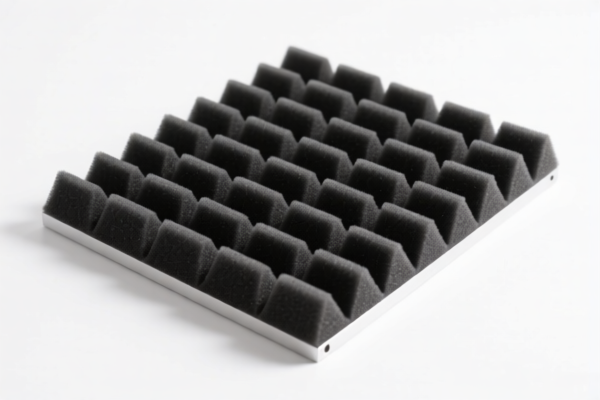
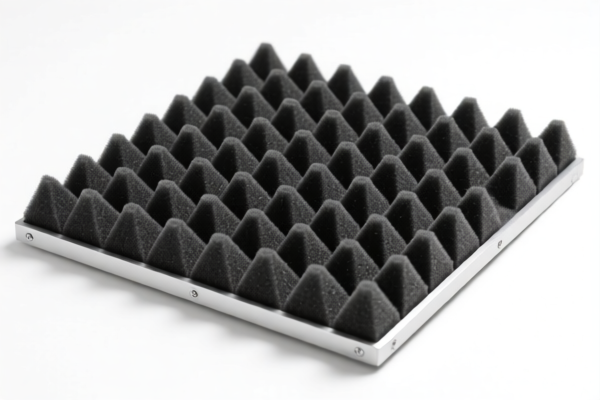
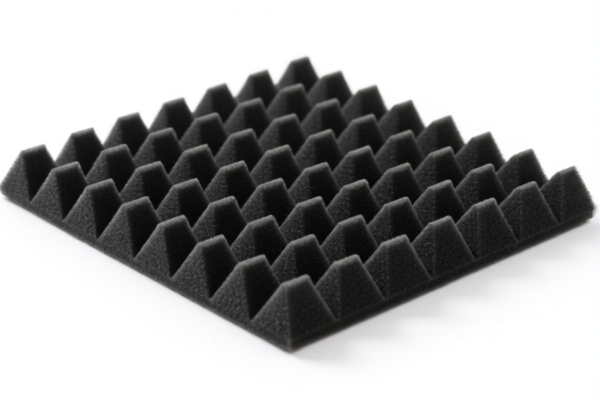
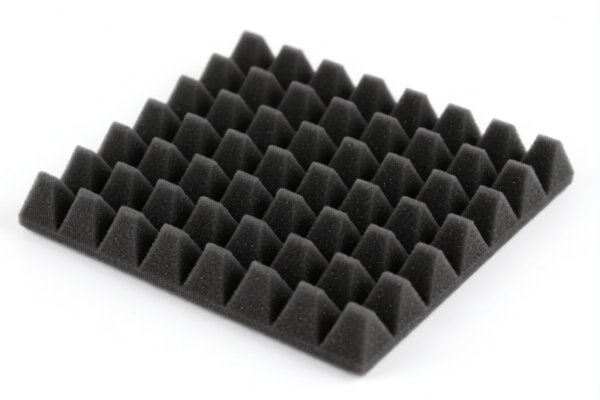
AI Analysis
🎧 Wood-Based Sound Absorbing Panels (木制/木质吸音板)
🌐 HS Code Reference & Customs Clearance Guide | 2026 Latest Tariff Analysis | Professional Entry Strategy
📌 I. Product Definition & Classification: Are You Sure About "Sound Absorbing Panels"?
Wood-based sound-absorbing panels are critical acoustic materials used in architectural design, home theater, and commercial spaces to reduce noise reflection and improve sound quality. In international trade, they are often misclassified because the term "sound absorbing panel" is a functional description, not a structural one. Customs authorities classify them based on material composition, structure (density/thickness), and end-use.
⚠️ Key Distinction:
- If the panel is a dense wood fiber board (hardboard/similar) used for walls/ceilings → Often falls under Chapter 44.11.
- If the panel is a general wooden craft/finish (like slats or specific acoustic finishes) → Often falls under Chapter 44.21.
- Crucial Note: The specific HS Code depends heavily on whether the board is made of wood fiber (dense, pressed) or solid/processed wood pieces arranged for acoustic effect.
📦 II. HS Code Classification Details (2026 Latest Tariff Authority Comparison)
Based on the provided data, here are the four specific HS Codes identified for Wood-Based Sound Absorbing Panels:
| HS Code | Product Summary (Chinese) | English Interpretation | Key Characteristics |
|---|---|---|---|
4421.91.30.00 |
木制吸音板,材质为木制,形态为板状产品 | Wood acoustic panels, wooden material, plate-shaped product | General wooden acoustic plates; often implies a finished wooden plate specifically for sound absorption. |
4411.93.20.00 |
木制吸音板,材质为木制,用途为建筑板材 | Wood acoustic panels, wooden material, building boards | Classified as Wood Fiberboard (Chapter 44.11). Used specifically as construction material for walls/ceilings. |
4421.99.30.00 |
木制吸音板,材质为木制,形态为板状制品 | Wood acoustic panels, wooden material, plate-shaped articles | A residual category for wooden acoustic articles not specified elsewhere. "Other" wooden woodenwares. |
4411.93.30.00 |
木质吸音板,材质为木质,用途为建筑墙壁或天花板 | Wooden acoustic panels, wooden material, for building walls or ceilings | Classified as Wood Fiberboard (Chapter 44.11). Specifically designated for interior architectural finish (walls/ceilings). |
4411.93.20.00 |
木质吸音板,材质为木质,用途为建筑部件 | Wooden acoustic panels, wooden material, for building parts | Same as above (4411.93.20.00), listed twice with slight description variation ("Building Boards" vs "Building Parts"). |
🔍 Critical Reminder:
- Chapter 44.11 refers to Wood Wool, Chipboard, Fiberboard, etc. These are engineered wood products made by pressing wood fibers/shavings. This is the most common classification for dense acoustic panels.
- Chapter 44.21 refers to Other Articles of Wood. This is used if the panel is constructed from solid wood pieces, veneers, or other forms not classified as fiberboard.
- Do not confuse with4411.94(Thermal Insulation) unless the primary function is thermal, not acoustic.
💰 III. 2026 Latest Tariff Rate Breakdown (Including Surcharges & Policy Add-ons)
✅ Applicable Country: United States (US)
✅ Country of Origin: China (CN)
✅ Effective Time: 2025/2026 (Current Trade War Rates)
🎯 1. 4421.91.30.00 & 4421.99.30.00 —— Wooden Acoustic Panels (General/Craft)
These codes fall under Chapter 44.21 (Other articles of wood). They are subject to lower base tariffs but still hit by section 301 and 122 tariffs.
| Item | Content |
|---|---|
| Base Tariff | 10.7% |
| Section 301 Surcharge | 0.0% (For 4421.91.30.00) 7.5% (For 4421.99.30.00) |
| Section 122 Tariff | 10% (Applied to both) |
| Total Effective Rate | 20.7% (Code 4421.91.30.00) 28.2% (Code 4421.99.30.00) |
| Tax Calculation | CIF Value × Total % |
| De Minimis Exemption | ❌ Not Eligible (Section 301/122 taxes usually apply to all commercial entries) |
| Legal Basis | HTSUS 4421.91/99 → Section 301 (if applicable) → Section 122 (19 U.S.C. 2442) |
📌 Explanation:
- Section 122 Tariff (+10%): This is a temporary tariff on certain goods from China to protect domestic industries. It applies to many wooden products.
- Section 301 Surcharge: Note that4421.91.30.00currently shows 0% for Section 301 in your data, while4421.99.30.00has 7.5%. This creates a 7.5% cost difference between these two similar codes!
- Total Tax: Range from 20.7% to 28.2%. This is moderate compared to other industrial goods.
🎯 2. 4411.93.20.00 & 4411.93.30.00 —— Wood Fiberboard Acoustic Panels (Building Materials)
These codes fall under Chapter 44.11 (Fiberboard). They are treated as building construction materials. The tariff structure is more complex, involving specific duties (per kg) and high ad valorem surcharges.
A. Code 4411.93.20.00 (Building Boards/Parts)
| Item | Content |
|---|---|
| Base Tariff | 1.9 ¢/kg + 1.5% |
| Section 301 Surcharge | 25.0% |
| Section 122 Tariff | 10% |
| Total Effective Rate | 36.5% + 1.9 ¢/kg (Approximate) Note: Data says "1.9¢/kg + 1.5%+35.0%", implying 1.5% base + 25% 301 + 10% 122 = 36.5% + specific duty. |
| Tax Calculation | (CIF Value × 36.5%) + (Weight in kg × $0.019) |
| De Minimis Exemption | ❌ Not Eligible |
| Legal Basis | HTSUS 4411.93.20 → Section 301 Footnote 9903.88.01 → Section 122 |
📌 Warning:
- The Section 301 Surcharge is 25%, which is higher than the wood craft category (4421).
- There is also a Specific Duty of 1.9 cents per kg. For heavy dense fiberboards, this can add up significantly.
- Total Burden: High. The combination of specific duty + high ad valorem makes this more expensive than4421codes for dense products.
B. Code 4411.93.30.00 (For Walls/Ceilings)
| Item | Content |
|---|---|
| Base Tariff | 0.0% |
| Section 301 Surcharge | 25.0% |
| Section 122 Tariff | 10% |
| Total Effective Rate | 35.0% |
| Tax Calculation | CIF Value × 35.0% |
| De Minimis Exemption | ❌ Not Eligible |
| Legal Basis | HTSUS 4411.93.30 → Section 301 → Section 122 |
📌 Comparison:
- This code (4411.93.30.00) has 0% base tariff but suffers from the same 35% total surcharge (25% + 10%).
- Compared to4411.93.20.00(36.5% + weight fee),4411.93.30.00is slightly cheaper if the weight is high, but similar for light products.
🛠️ IV. Customs Clearance Practical Advice (Pitfall Avoidance Guide)
✅ 1. Document Checklist (Essential for Audit)
| Document | Required? | Explanation |
|---|---|---|
| ✅ Product Specification Sheet | ✔️ | Must detail: Material (Wood Fiber vs. Solid Wood), Density, Thickness, Dimensions, Acoustic NRC Rating. |
| ✅ Structure Diagram | ✔️ | Crucial to distinguish between Chapter 44.11 (Pressed fiber) and Chapter 44.21 (Assembled wood). |
| ✅ Photos (Labeled) | ✔️ | Show surface texture (fiber grain vs. wood grain) and installation method. |
| ✅ Commercial Invoice | ✔️ | Clearly state: "Wood Fiberboard Acoustic Panel, Model XYZ, For Wall/Ceiling Use." Avoid vague terms like "Decorative Panel" without functional context. |
| ✅ Packing List | ✔️ | Include net weight accurately. Weight affects 4411 tariffs (1.9¢/kg). |
| ✅ Origin Certificate (CO) | ✔️ | To confirm Country of Origin (China) and ensure correct Section 301/122 application. |
✅ 2. Classification Strategy (Key Mantra)
🔥 "Fiberboard = 44.11, Craft = 44.21, Weight Matters, Use Matters!"
| Scenario | Recommended HS Code | Why? | Risk if Wrong |
|---|---|---|---|
| Pressed Wood Fiber Board (Dense, uniform texture) | 4411.93.20.00 or 4411.93.30.00 |
It is engineered wood fiber, not solid wood. | Misclassified as 44.21 → Penalty for underpayment (if 44.11 has higher duties) OR Overpayment (if 44.21 is cheaper). |
| Wood Slats/Veneers (Visible wood grain, assembled) | 4421.91.30.00 or 4421.99.30.00 |
It is an article of wood, not fiberboard. | Misclassified as 44.11 → Possible penalty. |
| For Wall/Ceiling Installation | 4411.93.30.00 |
Specific subheading for building interiors. | Using 4411.93.20.00 may incur extra weight fees. |
| Lightweight Panels | 4411.93.30.00 |
Avoids the 1.9¢/kg specific duty. | High weight on 4411.93.20.00 increases cost. |
✅ 3. Special Circumstances Handling
| Situation | Handling Advice |
|---|---|
| OEM Custom Sizes | Provide cut lists. If cut to size for a specific project, ensure invoice matches the "Building Part" description. |
| Mixed Materials (e.g., Wood + Fabric) | If the wood provides the primary structure, it stays in Chapter 44. If fabric is the main feature, it might move to Chapter 59 or 63, which have different tariffs. |
| Pre-treated/Primed Panels | If the panel is pre-painted or sealed, it remains in Chapter 44. Ensure finish type is declared. |
| Samples | Even samples of wood acoustic panels from China are subject to Section 301/122 tariffs. Do not assume "samples" are tax-free. |
🌍 V. Global Market Customs Comparison (2026 Latest)
| Country/Region | Recommended HS Code | Tariff Estimate | Certification | Notes |
|---|---|---|---|---|
| 🇺🇸 USA | 4411.93.30.00 or 4421.91.30.00 |
20.7% – 36.5%+ | FCC (if electronic), CARB T2 (Formaldehyde) | High tariffs. Section 301 (25%) + Section 122 (10%) are mandatory. |
| 🇨🇳 China | 4411.93.30.00 |
~5-10% (Import Duty) | N/A | Low import duty if importing from abroad. |
| 🇪🇺 EU | 4411.93.30.00 |
~1.7% - 3% | CE, REACH (Formaldehyde limits) | No Section 301/122. Strict formaldehyde emissions standards. |
| 🇬🇧 UK | 4411.93.30.00 |
~3% - 5% | UKCA | Post-Brexit rules apply. |
| 🇨🇦 Canada | 4411.93.30.00 |
~0% - 5% (if CUSMA eligible) | CARB T2 | Favorable if origin is Canada/US/Mexico. |
📌 Conclusion:
- The USA is the most expensive market due to the叠加 (stacking) of Section 301 and Section 122 tariffs.
- Chapter 44.11 (Fiberboard) is generally more heavily taxed in the US than Chapter 44.21 (Wood Articles) due to the 25% surcharge vs. 0-7.5%.
- Strategy: If possible, classify as4421.91.30.00(20.7% total) instead of4411.93.30.00(35% total) IF the product technically qualifies as "other wooden article" and not "fiberboard." However, customs will challenge this if it is clearly pressed fiberboard.
📌 VI. Common Errors & Pitfall Guide (Lessons Learned)
❌ Error 1: Declaring "Acoustic Panel" without specifying "Wood Fiberboard"
👉 Consequence: Customs may misclassify to a general basket rate, leading to delays or audits.
👉 Fix: Use precise language: "Pressed Wood Fiber Acoustic Panel."
❌ Error 2: Ignoring the Weight in Chapter 44.11
👉 Consequence: The 1.9 ¢/kg specific duty on 4411.93.20.00 can add significant cost for heavy dense panels.
👉 Fix: Compare total cost of 4411.93.30.00 (35% ad valorem, no weight fee) vs 4411.93.20.00 (36.5% + weight).
❌ Error 3: Assuming "Wood Product" = Low Tariff
👉 Consequence: Many wooden products from China face 25% Section 301 + 10% Section 122. Total can exceed 35%.
👉 Fix: Always calculate the Effective Tax Rate including all surcharges.
❌ Error 4: Misclassifying as "Construction Material" vs "Furniture"
👉 Consequence: 4411 (Building) vs 9403 (Furniture). 9403 has different tariff rates.
👉 Fix: If installed as part of the building structure (walls/ceilings), use 4411. If it's a movable shelf or stand, it might be 9403.
✅ Correct Declaration Example:
"Wood Fiberboard Sound Absorbing Panel, Model XYZ, 24x48 inches, 1.5 inches thick, for interior wall installation, Made in China. HS Code: 4411.93.30.00"
🎯 VII. Conclusion: Precision in Classification Saves Money!
🎯 Remember the Mantra:
🔹 "Fiber vs. Craft, 44.11 vs. 44.21"
🔹 "Section 301 is 25%, Section 122 is 10% – Expect 35%+ in the US!"
🔹 "Check the Weight! 1.9¢/kg adds up on heavy boards."
📌 Pro Tip:
If your wood acoustic panels are not made of pressed fiber (e.g., they are slatted solid wood or veneer), fight for classification under
4421.91.30.00. This reduces your total tariff from ~35% to ~20.7%.
- Action: Provide material specs proving it is solid wood/veneer, not fiberboard, to qualify for the lower tariff code.
📣 Immediate Action:
📞 Consult a Customs Broker to review your product structure.
📄 Request a Binding Ruling from US Customs (CBP) if the product is borderline between 44.11 and 44.21.
🚀 Accurate Classification is your best defense against unexpected duties and border delays.
✨ Professional Customs Clearance Starts with Accurate Classification!
💼 Every Percent Matters in Global Trade!
Customer Reviews
About HS Code Classification
The Harmonized System (HS) is an internationally standardized nomenclature developed by the World Customs Organization (WCO) to classify traded products. Over 200 countries use the HS system as the basis for customs tariffs, trade statistics, and import/export regulations.
Each HS code follows a hierarchical structure:
- Chapter (2 digits) — Broad category of goods (e.g., Chapter 84: Machinery and Mechanical Appliances)
- Heading (4 digits) — More specific grouping within the chapter
- Subheading (6 digits) — Internationally standardized breakdown, used by all WCO member countries
- National subdivisions (8-10 digits) — Country-specific extensions for further classification, such as US HTSUS 10-digit codes
Correct HS code classification is essential for smooth customs clearance, accurate duty payment, and compliance with trade regulations. Misclassification can lead to customs delays, overpayment of duties, or penalties.
When importing from CN to US, the applicable tariff rates may include:
- Most-Favored-Nation (MFN) rate — The standard duty rate applied to WTO members
- General rate — Applied to countries without trade agreements
- Trade remedy duties — Additional tariffs such as Section 301 (anti-dumping), Section 232 (national security), or countervailing duties
The information provided on this page is for reference purposes only. For official classification, please consult with your local customs authority or a licensed customs broker.