Soup Spoon
CN → US| HS Code | Tariff Rate | Origin | Destination | Doc |
|---|---|---|---|---|
| 6911104100 | 16.3% | CN | US | Official Doc |
| 6911108010 | 38.3% | CN | US | Official Doc |
| 6912004100 | 13.9% | CN | US | Official Doc |
| 6912004810 | 19.8% | CN | US | Official Doc |
| 8215994500 | 10.0% | CN | US | Official Doc |
| 8215916000 | 21.7% | CN | US | Official Doc |
Product Images

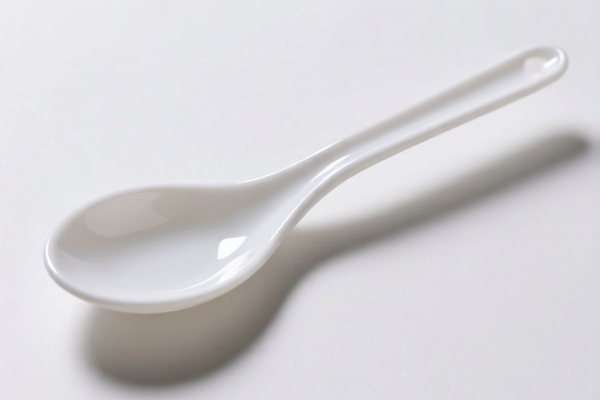
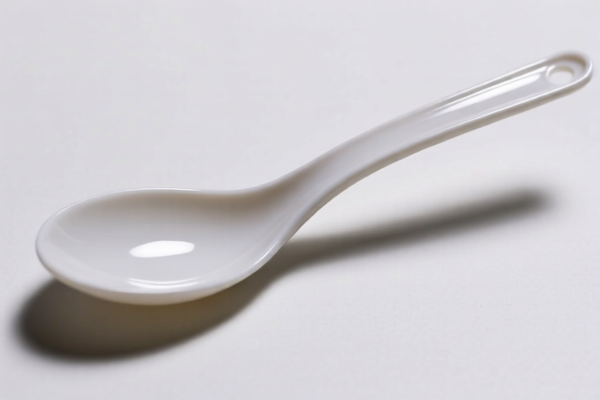

AI Analysis
🥣 Soup Spoon (Soup Ladle / Serving Spoon)
🌐 HS Code Reference & Customs Clearance Guide | 2026 Latest Tariff Analysis | Professional Clearance Strategy
📌 I. Product Definition & Classification: Do You Really Know a "Soup Spoon"?
In international trade, the term "Soup Spoon" can refer to two distinctly different product categories based on material and function. Misclassification here leads to drastic tariff differences.
1. Ceramic/Kitchenware Context (Household Utensils):
Often refers to large serving spoons, ladles, or tidbit dishes made of ceramic. These are grouped under ceramic tableware.
2. Metal Cutlery Context (Flatware):
Refers to eating utensils made of base metal (stainless steel, silver-plated, etc.). These are grouped under metal cutlery.
⚠️ Key Distinction Point:
- If the spoon is Ceramic and part of a set or specific decorative item (like a tiered server or specific lid steins) → It falls under Chapter 69.
- If the spoon is Metal (Stainless Steel, Silver, etc.) → It falls under Chapter 82.
- Note: The provided data specifically lists "Spoons and ladles" under metal and ceramic tableware with specific sub-descriptions. We must match the exact description in the<DATA>.
📦 II. HS Code Classification Details (Based on Provided Data)
The provided data contains specific HS Codes for ceramic items and metal spoons. Let's map "Soup Spoon" to the most likely relevant codes.
| HS Code | Product Description | Applicability | Material |
|---|---|---|---|
8215.99.45.00 |
Spoons, forks, ladles... similar kitchen or tableware: Other: Other: Spoons and ladles: Other | Standard metal soup spoons (non-plated, stainless steel, base metal) | Base Metal |
8215.91.60.00 |
Spoons, forks, ladles...: Other: Plated with precious metal: Spoons and ladles | Silver-plated or gold-plated soup spoons | Precious Metal Plated |
6912.00.41.00 |
Ceramic tableware...: Steins with permanently attached pewter lids... tidbit dishes... tiered servers | Ceramic soup bowls or ladles if part of specific decorative sets (less common for single spoons) | Ceramic |
6912.00.48.10 |
Ceramic tableware...: Other Suitable for food or drink contact | General ceramic soup spoons/ladles (if not covered by the specific set code above) | Ceramic |
🔍 Critical Note on "Soup Spoon":
- If it is a metal soup spoon (most common interpretation), it likely falls under 8215.99.45.00 (Base Metal) or 8215.91.60.00 (Plated).
- If it is a ceramic ladle or spoon, it falls under 6912.00.48.10 (General Ceramic) or 6912.00.41.00 (if part of a specific set like a tiered server).
- Porcelain vs. Ceramic: The data distinguishes between "Ceramic" (6912) and "Porcelain/China" (6911). Most stoneware is 6912. Bone china is 6911.
💰 III. 2026 Latest Tariff Rate Details (Detailed Tax Breakdown)
✅ Applicable Country: USA (US)
✅ Origin: China (CN) (Implied by the tax structure in data)
✅ Effective Date: Current 2025/2026 Tariff Regime
🎯 1. Base Metal Soup Spoon
HS Code: 8215.99.45.00
Description: Spoons and ladles, other base metal
| Item | Detail |
|---|---|
| Base Tariff | 0.0% |
| Additional Tariff (Section 301/Trade War) | 7.5% |
| Total Tariff | 7.5% |
| Tax Detail | 基础关税: 0.0%, 加征关税: 7.5% |
| Calculation | CIF Value × 7.5% |
📌 Explanation:
- Base metal cutlery (stainless steel) often has a low base tariff but carries a significant "Additional Tariff" due to US-China trade tensions.
- No De Minimis Exemption for Section 301 goods if above threshold (usually $800 for de minimis, but Section 301 may not apply to de minimis depending on current CBP rulings; however, for commercial shipments, this 7.5% is mandatory).
🎯 2. Precious Metal Plated Soup Spoon
HS Code: 8215.91.60.00
Description: Spoons and ladles, plated with precious metal
| Item | Detail |
|---|---|
| Base Tariff | 0.0% |
| Additional Tariff | 0.0% |
| Total Tariff | 0.0% |
| Tax Detail | 基础关税: 0.0%, 加征关税: 0.0% |
| Calculation | $0 |
📌 Explanation:
- This is a highly advantageous code.
- If your product is silver-plated or gold-plated (even thin plating on base metal), it may qualify for this 0% tariff.
- Strategy: If you can use silver plating, classify here to save 7.5% vs. base metal.
🎯 3. Ceramic Soup Ladle / Spoon
HS Code: 6912.00.48.10
Description: Ceramic tableware, other suitable for food or drink contact
| Item | Detail |
|---|---|
| Base Tariff | 9.8% |
| Additional Tariff | 0.0% |
| Total Tariff | 9.8% |
| Tax Detail | 基础关税: 9.8%, 加征关税: 0.0% |
| Calculation | CIF Value × 9.8% |
📌 Explanation:
- General ceramic tableware (stoneware) faces a 9.8% tariff.
- No additional Section 301 tariff applies to this category in the provided data.
🎯 4. Special Ceramic Set Items (e.g., Tiered Servers, Specific Ladles in Sets)
HS Code: 6912.00.41.00
Description: Steins with permanently attached pewter lids; candy boxes, decanters, punch bowls, pretzel dishes, tidbit dishes, tiered servers... oil and vinegar sets...
| Item | Detail |
|---|---|
| Base Tariff | 3.9% |
| Additional Tariff | 0.0% |
| Total Tariff | 3.9% |
| Tax Detail | 基础关税: 3.9%, 加征关税: 0.0% |
| Calculation | CIF Value × 3.9% |
📌 Explanation:
- If your "soup spoon" is part of a specific decorative set (e.g., a tiered server with ladles, or a pretzel dish with spoons), it may qualify for this lower 3.9% rate.
- Warning: Must be sold as a set or fit the specific description. A single ceramic spoon likely does not qualify.
🎯 5. Porcelain/Special Ceramic (Higher Tariff Risk)
HS Code: 6911.10.80.10
Description: Porcelain or china tableware, other suitable for food or drink contact
| Item | Detail |
|---|---|
| Base Tariff | 20.8% |
| Additional Tariff | 7.5% |
| Total Tariff | 28.3% |
| Tax Detail | 基础关税: 20.8%, 加征关税: 7.5% |
| Calculation | CIF Value × 28.3% |
📌 Explanation:
- If the product is high-end bone china or porcelain and not part of a specific set, it faces a high 28.3% tariff.
- Avoid this code unless necessary. Opt for "Ceramic" (6912) instead of "Porcelain" (6911) if possible, or use the set code (6912.00.41.00) for 3.9%.
🛠️ IV. Customs Clearance Practical Advice (Actionable Pitfalls & Strategies)
✅ 1. Material Declaration is Critical
| Product Type | Recommended HS Code | Tariff | Why? |
|---|---|---|---|
| Stainless Steel Soup Spoon | 8215.99.45.00 |
7.5% | Base metal cutlery |
| Silver-Plated Soup Spoon | 8215.91.60.00 |
0.0% | Precious metal plating exempts from additional tariff |
| Ceramic Ladle (Single) | 6912.00.48.10 |
9.8% | General ceramic tableware |
| Ceramic Set with Ladle | 6912.00.41.00 |
3.9% | Fits "tiered server/tidbit" description |
| Porcelain Soup Spoon | 6911.10.80.10 |
28.3% | High tariff, avoid if possible |
📌 Strategy:
- If you sell metal spoons, ensure the plating is documented. Silver plating = 0%.
- If you sell ceramic, try to bundle into sets that fit6912.00.41.00for 3.9%.
- Avoid classifying ceramic as "Porcelain" unless it is genuine bone china, as the tariff is almost 3x higher.
✅ 2. Documentation Checklist for Customs
| Document | Requirement | Reason |
|---|---|---|
| Product Specification Sheet | Must state: Material (e.g., 304 Stainless Steel, Stoneware, Silver-Plated), Use (Tableware), Set vs. Individual | Determines HS Code (8215 vs 6912) |
| Photos | Clear image of spoon, handle, bowl shape, and any markings | Customs verifies "Plated" status or "Set" status |
| Commercial Invoice | List item as "Stainless Steel Soup Spoon" or "Silver-Plated Ladle" – Do NOT just write "Spoon" | Vague descriptions lead to misclassification |
| Plating Certificate (if applicable) | If claiming 0% for 8215.91.60.00, provide proof of precious metal plating |
Prevents audit penalties |
✅ 3. Common Errors & Pitfalls
❌ Error 1: Calling Silver-Plated Spoons "Base Metal"
👉 Result: Paying 7.5% instead of 0%.
✅ Fix: Declare as "Silver-Plated Spoons" and use HS 8215.91.60.00.
❌ Error 2: Classifying Ceramic Sets as General Ceramic
👉 Result: Paying 9.8% instead of 3.9%.
✅ Fix: If sold as a set (e.g., punch bowl with ladles, tiered server), use 6912.00.41.00.
❌ Error 3: Misidentifying Porcelain vs. Ceramic
👉 Result: Paying 28.3% instead of 9.8% or 3.9%.
✅ Fix: Use "Ceramic" (stoneware) classification unless it is true bone china.
❌ Error 4: Ignoring "Food Contact" Description
👉 Result: Customs may reclassify as "General Household Article" with different rates.
✅ Fix: Explicitly state "Suitable for Food or Drink Contact" in description.
🌍 V. Global Market Comparison (2026)
| Country | Recommended HS Code | Tariff (China Origin) | Notes |
|---|---|---|---|
| 🇺🇸 USA | 8215.99.45.00 (Metal) |
7.5% | High Section 301 tariff |
| 🇺🇸 USA | 8215.91.60.00 (Plated) |
0.0% | Best for metal |
| 🇺🇸 USA | 6912.00.48.10 (Ceramic) |
9.8% | Moderate tariff |
| 🇪🇺 EU | 8215.20 (Cutlery) |
Varies (usually 0-6.5%) | Check EORI |
| 🇨🇳 China | 8215.20 |
Varies (usually 0-9%) | Lower imports |
📌 Conclusion for USA Market:
- Metal Spoons: Use Silver Plating to achieve 0% tariff.
- Ceramic: Use Set Classification (6912.00.41.00) for 3.9%. Avoid single porcelain items (28.3%).
📌 VI. Conclusion: Optimize Your Tariff Strategy
🎯 Remember:
🔹 Metal + Plated = 0%
🔹 Metal + Base = 7.5%
🔹 Ceramic Set = 3.9%
🔹 Ceramic Single = 9.8%
🔹 Porcelain Single = 28.3%
📌 Pro Tip:
If you are importing soup spoons, consider silver-plating (even lightly) to save 7.5% on metal. If selling ceramic, bundle into decorative sets to save 5.9% (9.8% → 3.9%).
📣 Immediate Action:
📞 Verify material and plating with your supplier.
📦 Adjust invoice descriptions to match HS Code specifics.
🚀 Save up to 7.5% on metal items alone!
✨ Professional Classification, Lower Taxes, Smoother Clearance!
💼 Every percentage point counts in international trade!
Customer Reviews
About HS Code Classification
The Harmonized System (HS) is an internationally standardized nomenclature developed by the World Customs Organization (WCO) to classify traded products. Over 200 countries use the HS system as the basis for customs tariffs, trade statistics, and import/export regulations.
Each HS code follows a hierarchical structure:
- Chapter (2 digits) — Broad category of goods (e.g., Chapter 84: Machinery and Mechanical Appliances)
- Heading (4 digits) — More specific grouping within the chapter
- Subheading (6 digits) — Internationally standardized breakdown, used by all WCO member countries
- National subdivisions (8-10 digits) — Country-specific extensions for further classification, such as US HTSUS 10-digit codes
Correct HS code classification is essential for smooth customs clearance, accurate duty payment, and compliance with trade regulations. Misclassification can lead to customs delays, overpayment of duties, or penalties.
When importing from CN to US, the applicable tariff rates may include:
- Most-Favored-Nation (MFN) rate — The standard duty rate applied to WTO members
- General rate — Applied to countries without trade agreements
- Trade remedy duties — Additional tariffs such as Section 301 (anti-dumping), Section 232 (national security), or countervailing duties
The information provided on this page is for reference purposes only. For official classification, please consult with your local customs authority or a licensed customs broker.