Soybean Biodiesel Fuel
CN → US| HS Code | Tariff Rate | Origin | Destination | Doc |
|---|---|---|---|---|
| 3826001000 | 39.6% | CN | US | Official Doc |
| 3826003000 | 41.5% | CN | US | Official Doc |
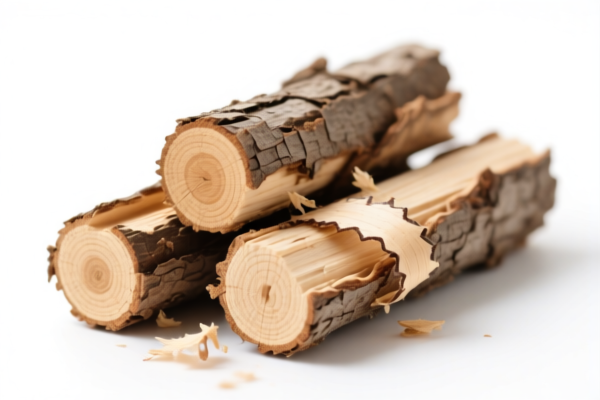
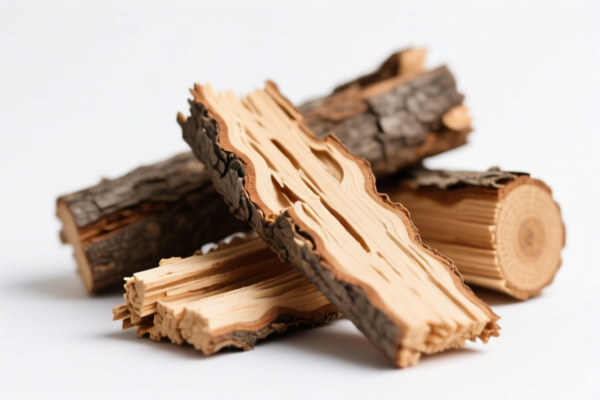
Product Images


AI Analysis
🌱 Soybean Biodiesel Fuel (Biodiesel and Mixtures Thereof)
🌐 HS Code Reference & Customs Clearance Guide | 2026 Latest Tariff Analysis | Professional Strategy for Biofuels
📌 I. Product Definition & Classification: Do You Truly Understand "Biodiesel"?
Soybean Biodiesel is a renewable, biodegradable fuel derived from vegetable oils (specifically soybean oil in this context). In international trade, it is strictly categorized under Heading 3826 of the Harmonized System (HS). The critical distinction lies in the purity and composition relative to petroleum oils:
Pure Biodiesel (B100): Contains 0% petroleum oils or oils obtained from bituminous materials. This is the highest grade, often used in modern diesel engines without modification. Blended/Mixed Biodiesel: Contains less than 70% by weight of petroleum oils. These are mixtures (e.g., B20, B5) where biodiesel is blended with traditional fossil fuels.
⚠️ Key Distinction Point:
- If the product is 100% biodiesel with no petroleum content → Classified as3826.00.10.00
- If the product is a mixture containing <70% petroleum oils (or any other non-standard composition) → Classified as3826.00.30.00
📦 II. HS Code Classification Details (2026 Latest Tariff Authority)
| HS Code | Product Description | Applicable Scenario | Petroleum Oil Content |
|---|---|---|---|
3826.00.10.00 |
Biodiesel not containing petroleum oils or oils obtained from bituminous materials | Pure B100 fuel, high-purity renewable diesel feedstock | ❌ 0% (Pure Biodiesel) |
3826.00.30.00 |
Other (Mixtures containing <70% petroleum oils) | Blended fuels (e.g., B20), alternative biofuel mixtures | ⚠️ <70% (Mixed) |
🔍 Critical Reminder:
- The phrase "not containing or containing less than 70 percent by weight of petroleum oils" is the statutory boundary for this entire heading. - B100 is explicitly separated into its own subheading because of its higher purity and different regulatory treatment in some jurisdictions. - Do not confuse with crude vegetable oils (HS 1507) or animal fats (HS 1501-1504). Once processed into fuel-grade esters, it falls under HS 3826.
💰 III. 2026 Latest Tariff Rate Breakdown (Including Surcharges)
✅ Applicable Country: United States (US)
✅ Origin: China (CN) (Based on typical data structure provided; adjust if origin differs)
✅ Effective Date: Current trade policies apply
🎯 1. 3826.00.10.00 —— Pure Biodiesel (B100)
| Item | Content |
|---|---|
| Base Tariff | 4.6% (MFN Rate) |
| Section 301 Surtax | +25.0% |
| Total Effective Tax Rate | 29.6% |
| Tax Calculation | CIF Value × 29.6% |
| De Minimis Exemption? | ❌ No (Biological fuels are generally excluded) |
| Legal Basis Path | HTSUS:3826.00.10.00 → Section 301 List 4 |
📌 Explanation:
- Pure biodiesel is classified under3826.00.10.00.
- It attracts the standard Most Favored Nation (MFN) base rate of 4.6%.
- Due to ongoing trade tensions, an additional 25% surcharge is applied, resulting in a total landed duty cost of 29.6%.
🎯 2. 3826.00.30.00 —— Other Biodiesel Mixtures
| Item | Content |
|---|---|
| Base Tariff | 6.5% (MFN Rate) |
| Section 301 Surtax | +25.0% |
| Total Effective Tax Rate | 31.5% |
| Tax Calculation | CIF Value × 31.5% |
| De Minimis Exemption? | ❌ No |
| Legal Basis Path | HTSUS:3826.00.30.00 → Section 301 List 4 |
📌 Note:
- Any mixture that does not qualify as pure B100 falls into "Other."
- The base rate is higher (6.5%) than pure biodiesel due to lower classification priority.
- The 25% surcharge remains constant, bringing the total to 31.5%.
- Cost Impact: Blends are 1.9 percentage points more expensive in duties than pure B100.
🛠️ IV. Customs Clearance Practical Advice (Real-World Pitfall Guide)
✅ 1. Documentation Checklist (Non-Negotiable)
| Document | Mandatory? | Purpose |
|---|---|---|
| ✅ Certificate of Analysis (COA) | ✔️ | Proves the percentage of biodiesel vs. petroleum. Critical for distinguishing between ...10.00 and ...30.00. |
| ✅ Bill of Lading / Commercial Invoice | ✔️ | Must clearly state "Soybean Biodiesel" and HS Code. |
| ✅ Safety Data Sheet (SDS) | ✔️ | Required for hazardous material handling (though biodiesel is less hazardous, it’s still a fuel). |
| ✅ Proof of Origin | ✔️ | To determine eligibility for any potential waivers (though rare for this category). |
| ✅ EPA Registration (if US Domestic) | ✔️ | While not always a customs document, US Customs may request EPA compliance verification for biofuels. |
✅ 2. Declaration Strategy (Key Mnemonics)
🔥 "Purity Defines Price, 70% is the Line, B100 is Cheaper, Blends Pay More!"
| Scenario | Correct HS Code | Error Consequence |
|---|---|---|
| Pure B100 | 3826.00.10.00 (29.6%) |
❌ Declaring as Blend (...30.00) → Overpay by 1.9% |
| Blend (e.g., B20) | 3826.00.30.00 (31.5%) |
❌ Declaring as Pure (...10.00) → Underdeclare, Face Penalties & Back Taxes |
| Crude Soybean Oil | 1507.90.00.00 |
❌ Declaring as Biodiesel → Wrong Classification, Customs Hold |
✅ 3. Special Case Handling
| Situation | Handling Advice |
|---|---|
| Importing from Non-China Countries | Check for Free Trade Agreements (FTAs). Some countries may have 0% base tariffs, but the 25% Section 301 surcharge often still applies depending on current policy updates. |
| Biodiesel with Additives | If additives change the nature significantly, consult a customs broker. However, most fuel-grade additives do not move it out of HS 3826. |
| Mixed Containers | If a container holds both B100 and B20, you must separate and declare them individually. Mixed declarations can lead to audits. |
🌍 V. Global Market Comparison (2026 Snapshot)
| Country/Region | Recommended HS Code | Base Tariff | Surcharge | Total Estimate | Notes |
|---|---|---|---|---|---|
| 🇺🇸 USA | 3826.00.10.00 |
4.6% | +25% | 29.6% | High barrier for Chinese origin. |
| 🇺🇸 USA | 3826.00.30.00 |
6.5% | +25% | 31.5% | Higher cost for blends. |
| 🇪🇺 EU | 3826.00.00 |
0% | None | 0% | Generally duty-free for biofuels in EU. |
| 🇨🇳 China | 3826.00.00 |
Varies | None | ~9-13% | Import duties apply, but no 25% US surcharge. |
| 🇬🇧 UK | 3826.00.00 |
0% | None | 0% | Post-Brexit trade terms may favor biofuels. |
📌 Conclusion:
- USA is the highest-cost market due to the 25% Section 301 surcharge.
- EU/UK are favorable for biodiesel imports with 0% tariffs.
- China produces soybean biodiesel; imports into the US face steep penalties.
📌 VI. Common Mistakes & Pitfall Guide (Blood & Tears Lessons)
❌ Mistake 1: Using "Vegetable Oil" or "Soybean Oil" (HS 1507) for processed biodiesel.
👉 Consequence: Customs will reject the shipment or reclassify it, leading to fines and delays. Biodiesel is a chemically modified fuel, not raw oil.
❌ Mistake 2: Failing to declare the exact blend percentage.
👉 Consequence: If the COA shows 70% petroleum, it might fall under a different chemical heading entirely, not just 3826.00.30.00. Accuracy is paramount.
❌ Mistake 3: Ignoring the 25% surcharge in cost modeling.
👉 Consequence: Profit margins are wiped out. Always factor in the 29.6% or 31.5% total landed duty cost for US imports from China.
✅ Correct Approach:
"Soybean Biodiesel, 99% Purity, ASTM D6751 Certified, No Petroleum Content, HS 3826.00.10.00"
🎯 VII. Conclusion: Precision in Biofuel Classification Saves Money!
🎯 Remember These Key Takeaways:
🔹 Pure B100 =
3826.00.10.00(29.6% Total Tax)
🔹 Mixtures =3826.00.30.00(31.5% Total Tax)
🔹 Always provide a Certificate of Analysis (COA) to prove purity.
🔹 Do NOT confuse with raw vegetable oils (HS 1507).
📌 Pro Tip:
If you are exporting to the USA, consider third-party sourcing (e.g., from countries with favorable trade agreements) to mitigate the 25% surcharge. If sourcing from China, ensure your pricing model fully absorbs the 29.6%-31.5% duty burden.
📣 Immediate Action:
📞 Contact a licensed customs broker.
📄 Prepare COA and SDS documents.
🚀 Secure your supply chain with accurate HS classification to avoid customs holds.
✨ Professional Clearance Starts with Precise Classification!
💼 Your Cost Savings Are Hidden in the Subheadings!
Customer Reviews
About HS Code Classification
The Harmonized System (HS) is an internationally standardized nomenclature developed by the World Customs Organization (WCO) to classify traded products. Over 200 countries use the HS system as the basis for customs tariffs, trade statistics, and import/export regulations.
Each HS code follows a hierarchical structure:
- Chapter (2 digits) — Broad category of goods (e.g., Chapter 84: Machinery and Mechanical Appliances)
- Heading (4 digits) — More specific grouping within the chapter
- Subheading (6 digits) — Internationally standardized breakdown, used by all WCO member countries
- National subdivisions (8-10 digits) — Country-specific extensions for further classification, such as US HTSUS 10-digit codes
Correct HS code classification is essential for smooth customs clearance, accurate duty payment, and compliance with trade regulations. Misclassification can lead to customs delays, overpayment of duties, or penalties.
When importing from CN to US, the applicable tariff rates may include:
- Most-Favored-Nation (MFN) rate — The standard duty rate applied to WTO members
- General rate — Applied to countries without trade agreements
- Trade remedy duties — Additional tariffs such as Section 301 (anti-dumping), Section 232 (national security), or countervailing duties
The information provided on this page is for reference purposes only. For official classification, please consult with your local customs authority or a licensed customs broker.