Soybean Hulls
CN → US| HS Code | Tariff Rate | Origin | Destination | Doc |
|---|---|---|---|---|
| 2302500000 | 36.4% | CN | US | Official Doc |
| 2302400190 | 35.0% | CN | US | Official Doc |
Product Images
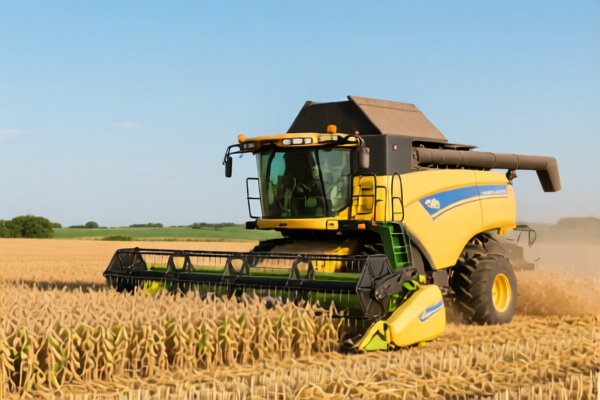
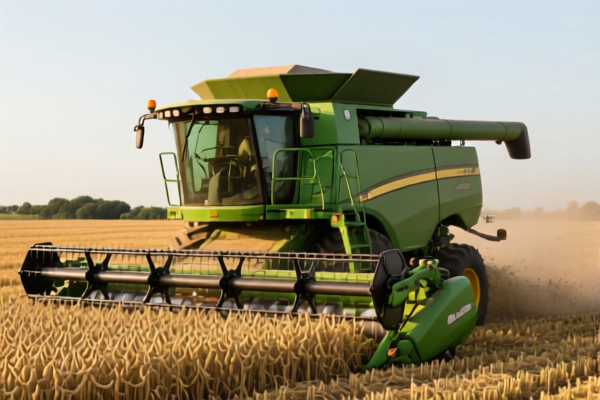
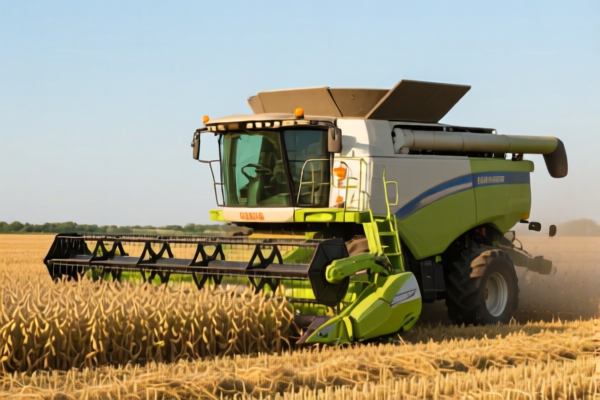

AI Analysis
🌿 Soybean Hulls & Bran Residues: Agricultural By-Products
🌐 HS Code Reference & Customs Clearance Guide | 2026 Tariff Analysis | Professional Clearance Strategy
📌 I. Product Definition & Classification: Do You Know the Distinction Between Legume and Cereal Residues?
Soybean hulls and bran residues are critical agricultural by-products used extensively in animal feed, biofuel production, and industrial applications. In international trade, the classification hinges strictly on the source plant:
Leguminous Plant Residues (Soybeans): Specifically derived from soybeans, peas, beans, etc.
Cereal Residues: Derived from wheat, corn, barley, oats, rice, etc.
⚠️ Key Distinction Point:
- If the residue is derived from leguminous plants (e.g., soybean hulls, soybean bran/middlings) → Classified under 2302.50.00.00
- If the residue is derived from other cereals (e.g., wheat bran, corn distillers grains) → Classified under 2302.40.01.90 (or similar cereal-specific codes)
📦 II. HS Code Classification Details (2026 Latest Tariff Authority Comparison)
| HS Code | Product Description | Applicable Scenario | Source Material |
|---|---|---|---|
2302.50.00.00 |
Bran, sharps (middlings) and other residues derived from leguminous plants | Soybean hulls, soybean bran, pea bran | ✅ Legumes (Soybeans) |
2302.40.01.90 |
Bran, sharps (middlings) and other residues derived from other cereals | Wheat bran, corn bran, rice bran | ✅ Cereals (Non-Legume) |
🔍 Important Reminder:
- Soybean hulls are explicitly residues from the milling/sifting of leguminous plants. They must be classified under 2302.50.00.00, not cereal codes.
- Misclassifying soybean hulls as "cereal residues" (2302.40.xx.xx) due to similar physical appearance can lead to severe penalties, as the tariff structures differ significantly.
💰 III. 2026 Latest Tariff Rate Details (Including Additional Taxes & Policy Add-ons)
✅ Applicable Country: China (CN)
✅ Origin: Various (Assumed Standard Import Scenario based on provided data)
✅ Effective Time: Current 2026 Tariff Schedule
🎯 1. 2302.50.00.00 —— Residues from Leguminous Plants (e.g., Soybean Hulls)
| Item | Content |
|---|---|
| Basic Tariff Rate | 0.0% |
| Additional Tariff Rate | 0.0% |
| Total Effective Rate | 0.0% |
| Tax Calculation | CIF Value × 0.0% = $0.00 |
| Legal Basis | HS Code 2302.50.00.00 + Tariff Schedule |
📌 Explanation:
- Residues from leguminous plants enjoy a zero tariff rate.
- There are no additional anti-dumping, countervailing, or safeguard duties applied to this specific code in the provided data.
- This makes importing soybean hulls and related legume residues highly cost-effective for feed manufacturers.
🎯 2. 2302.40.01.90 —— Residues from Other Cereals
| Item | Content |
|---|---|
| Basic Tariff Rate | 0.0% |
| Additional Tariff Rate | 25.0% |
| Total Effective Rate | 25.0% |
| Tax Calculation | CIF Value × 25.0% |
| Legal Basis | HS Code 2302.40.01.90 + Additional Tariff Policy |
📌 Explanation:
- While the basic tariff is 0%, a significant 25% additional tariff applies to residues from other cereals (non-legumes).
- This high rate is likely due to trade protection policies or anti-dumping measures affecting certain cereal by-products.
- Crucial: This tax burden does not apply to soybean hulls (legumes), highlighting the importance of correct classification.
🛠️ IV. Customs Clearance Practical Advice (Avoid Pitfalls in Real Operations)
✅ 1. Preparation Checklist (No Shortcuts)
| Document | Mandatory? | Explanation |
|---|---|---|
| ✅ Product Specification Sheet | ✔️ | Must clearly state: "Soybean Hulls," "Soybean Bran," or "Legume Residues." Specify protein/fiber content if required. |
| ✅ Phytosanitary Certificate | ✔️ | Mandatory for all plant-based agricultural products. Must be issued by the exporting country's official plant protection agency. |
| ✅ Certificate of Origin (CO) | ✔️ | Required to prove the source. For legumes, ensure it doesn't falsely declare as a cereal if seeking specific origin benefits. |
| ✅ Commercial Invoice | ✔️ | Clearly describe goods as "Soybean Hulls (Legume Residue)" with HS Code 2302.50.00.00. Avoid vague terms like "Animal Feed Mix." |
| ✅ Packaging List | ✔️ | Detail weight, net/gross, and packaging type (e.g., bulk, jute bags). |
✅ 2. Declaration Tips (Key Mantra)
🔥 "Legume vs. Cereal: One Word Can Save 25%!"
| Scenario | Correct Declaration | Wrong Practice |
|---|---|---|
| Soybean Hulls/Bran | HS: 2302.50.00.00Name: "Soybean Hulls" |
Misdeclaring as "Wheat Bran" → HS 2302.40.01.90 → 25% Tax! |
| Mixed Grain Residues | Separate declaration if possible. Legumes under 2302.50, Cereals under 2302.40. |
Mixing them into one shipment without clear separation → High audit risk. |
| Pelletized Legume Residues | Still 2302.50.00.00 (form does not change origin). |
Declaring as "Processed Feed" → Might shift to different chapter (2309) with different rates. |
✅ 3. Special Handling Cases
| Situation | Handling Advice |
|---|---|
| Soybean Hulls vs. Soybean Meal | Hulls are outer shells (fiber, 2302.50). Meal is defatted cake after oil extraction (2304.00). Do not confuse them; meal has different tariffs. |
| Contamination Risk | Ensure no soil, stones, or foreign cereal grains are mixed in, as this may trigger reclassification or phytosanitary rejection. |
| Pre-shipment Inspection | Required for some countries. Ensure the inspector verifies the product is legume-derived. |
🌍 V. Global Market Comparison (2026 Latest)
| Country/Region | Recommended HS Code | Tariff (China Origin) | Certification | Notes |
|---|---|---|---|---|
| 🇨🇳 China | 2302.50.00.00 |
0.0% | Phytosanitary | Zero duty for legume residues. |
| 🇺🇸 USA | 2302.50 (HTS) |
0% - 3.5% (Check specific) | FDA Registration, Phytosanitary | US may have additional FDA fees. |
| 🇪🇺 EU | 2302 50 |
0% | Phytosanitary, Non-GMO Proof | Non-GMO certification often required for soy products. |
| 🇦🇺 Australia | 2302.50 |
0% | Biosecurity Clearance | Strict biosecurity checks on plant material. |
| 🇯🇵 Japan | 2302 50 |
0% | Phytosanitary, Feed Safety | Feed safety certification required. |
📌 Conclusion:
- China imposes 0% tariff on soybean hulls (legume residues) under HS2302.50.00.00.
- Cereal residues face a 25% additional tariff under2302.40.01.90.
- Correct classification is vital to avoid paying 25% unnecessarily.
📌 VI. Common Mistakes & Pitfalls (Lessons Learned)
❌ Mistake 1: Declaring "Soybean Hulls" as "Wheat Bran" or "Cereal Bran"
👉 Consequence: Incorrect HS Code (2302.40.01.90) → 25% Surcharge + Potential Fine.
❌ Mistake 2: Confusing "Soybean Hulls" with "Soybean Meal"
👉 Consequence: Different HS Codes (2302.50 vs. 2304). Meal might have different regulatory requirements (e.g., GMO checks).
❌ Mistake 3: No Phytosanitary Certificate
👉 Consequence: Goods detained or returned at customs due to biosecurity risks.
❌ Mistake 4: Vague Description "Animal Feed Residue"
👉 Consequence: Customs cannot determine origin (legume vs. cereal) → Delays for additional documentation.
✅ Correct Approach:
"Soybean Hulls, dried, for animal feed, derived from leguminous plants (Glycine max). HS Code: 2302.50.00.00."
🎯 VII. Conclusion: Professional Classification Saves Money!
🎯 Remember the Mantra:
🔹 "Legume Hulls = 0% Tax (2302.50)"
🔹 "Cereal Bran = 25% Extra (2302.40)"
🔹 "Soybeans are Legumes, Not Cereals!"
📌 Tip:
If your soybean hulls are pelletized, they still fall under 2302.50.00.00 as long as they are residues from leguminous plants. Pelletization does not change the fundamental origin.
📣 Immediate Action:
📞 Contact a licensed customs broker
📄 Ensure Phytosanitary Certificate is in place
🚀 Declare "Soybean Hulls" accurately to save 25%!
✨ Professional Clearance Starts with Accurate Classification!
💼 Your Cost Savings Are Worth the Detail!
Customer Reviews
About HS Code Classification
The Harmonized System (HS) is an internationally standardized nomenclature developed by the World Customs Organization (WCO) to classify traded products. Over 200 countries use the HS system as the basis for customs tariffs, trade statistics, and import/export regulations.
Each HS code follows a hierarchical structure:
- Chapter (2 digits) — Broad category of goods (e.g., Chapter 84: Machinery and Mechanical Appliances)
- Heading (4 digits) — More specific grouping within the chapter
- Subheading (6 digits) — Internationally standardized breakdown, used by all WCO member countries
- National subdivisions (8-10 digits) — Country-specific extensions for further classification, such as US HTSUS 10-digit codes
Correct HS code classification is essential for smooth customs clearance, accurate duty payment, and compliance with trade regulations. Misclassification can lead to customs delays, overpayment of duties, or penalties.
When importing from CN to US, the applicable tariff rates may include:
- Most-Favored-Nation (MFN) rate — The standard duty rate applied to WTO members
- General rate — Applied to countries without trade agreements
- Trade remedy duties — Additional tariffs such as Section 301 (anti-dumping), Section 232 (national security), or countervailing duties
The information provided on this page is for reference purposes only. For official classification, please consult with your local customs authority or a licensed customs broker.