Soybean meal
CN → US| HS Code | Tariff Rate | Origin | Destination | Doc |
|---|---|---|---|---|
| 2306100000 | 0.0% | CN | US | Official Doc |
| 2309901050 | 35.0% | CN | US | Official Doc |
| 2309909500 | 36.4% | CN | US | Official Doc |
| 1214900090 | 35.0% | CN | US | Official Doc |
| 1214100060 | 36.4% | CN | US | Official Doc |
Product Images
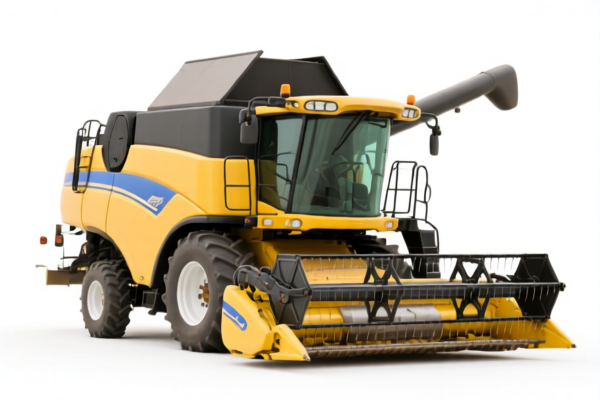
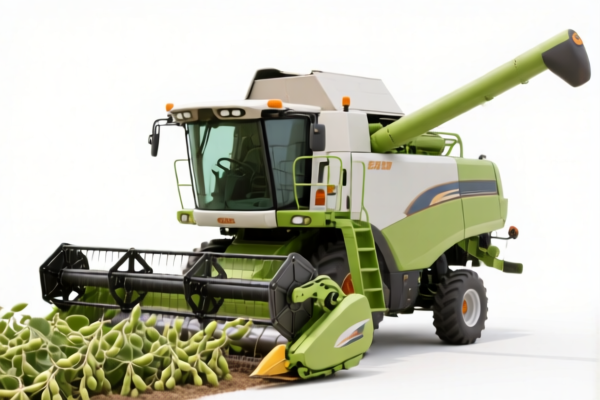
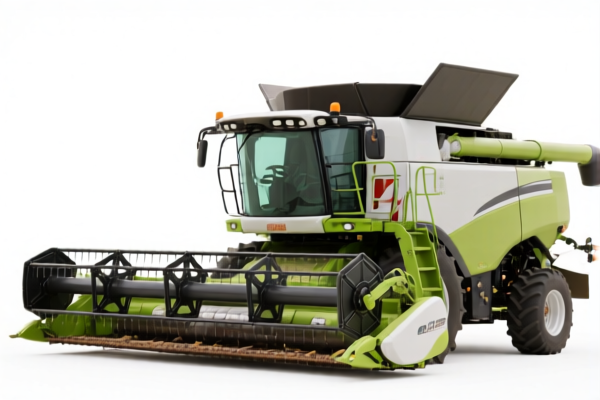

AI Analysis
🌱 Soybean Meal (Soybean Meal for Animal Feeding)
🌐 HS Code Reference & Customs Clearance Guide | 2026 Latest Tariff Breakdown | Professional Import Strategy
📌 One, Product Definition & Classification: Do You Really Know What “Soybean Meal” Is?
Soybean meal is a high-protein byproduct of soybean oil extraction, widely used as a crucial feed ingredient in livestock, poultry, and aquaculture industries. It's one of the most important plant-based protein sources in global animal nutrition.
In international trade, soybean meal is carefully classified based on: - Origin (e.g., conventional vs. certified organic) - Form (e.g., ground, pelletized, or raw) - Processing method (e.g., solvent-extracted or mechanically pressed)
⚠️ Key Differentiation Points: - If not organic → classified under 2304.00.00.90
- If certified organic → classified under 2304.00.00.10
- If mixed with other feed ingredients → may fall under 2309.90.10.50 or 2309.90.95.00
📦 Two, HS Code Classification Details (2026 Latest Tariff Authority Comparison)
| HS Code | Product Description | Use Case | Organic? | Form |
|---|---|---|---|---|
2304.00.00.90 |
Oilcake and other solid residues from soybean oil extraction, not certified organic | Standard livestock feed, poultry, swine, dairy | ❌ No | Ground, pellets, or bulk |
2304.00.00.10 |
Oilcake and other solid residues from soybean oil extraction, certified organic | Organic farms, premium animal feed, specialty markets | ✅ Yes | Ground, pellets, or bulk |
2309.90.10.50 |
Mixed feeds or mixed feed ingredients, other than those of mustard, other | Custom feed blends (e.g., soybean meal + grains + vitamins) | ❌ No | Pellets, granules, mixed |
2309.90.95.00 |
Preparations of a kind used in animal feeding: Other: Other: Other: Other: Other | Non-standard or undefined feed mixtures | ❌ No | Loose, blended, or unclassified |
🔍 Critical Insight:
- "Oilcake" = solid residue after oil extraction → 2304.00.00
- "Mixed feed" = combination with other ingredients → 2309.90.10/95
- "Certified organic" = must be labeled and certified → 10-digit code 10
- Failure to declare organic status = risk of misclassification and penalties
💰 Three, 2026 Latest Tariff Rate Breakdown (With附加 Taxes & Policy Rules)
✅ Applicable Country: United States (US)
✅ Origin: China (CN), Brazil (BR), Argentina (AR), etc.
✅ Effective Date: November 10, 2025 (and onward)
🎯 1. 2304.00.00.90 — Non-Organic Soybean Meal (Standard)
| Item | Detail |
|---|---|
| Base Tariff | 0.0% (ad valorem) |
| Additional Tariff (USITC 301) | +25.0% |
| Total Effective Tariff | 25.0% |
| Tax Calculation | CIF Value × 25.0% |
| De Minimis Exemption | ❌ Not applicable (denied) |
| Legal Basis Path | USITC:2304.00.00.90 → FOOTNOTE:9903.88.01 → 301 Tariff List |
📌 Explanation:
- This is not a zero-duty item due to USITC Section 301 tariffs on Chinese-origin goods. - Even if the base rate is 0%, the 25%附加 tariff applies to all soybean meal originating from China. - No exemption for small shipments — de minimis rule does not apply.
🎯 2. 2304.00.00.10 — Certified Organic Soybean Meal
| Item | Detail |
|---|---|
| Base Tariff | 0.45¢ per kg (specific duty) |
| Additional Tariff (USITC 301) | +25.0% on the duty value |
| Total Effective Tariff | 0.45¢/kg + 25.0% |
| Tax Calculation | (0.45¢ + 25% of CIF value) per kg |
| De Minimis Exemption | ❌ Not applicable |
| Legal Basis Path | USITC:2304.00.00.10 → FOOTNOTE:9903.88.01 → 301 Tariff List |
📌 Explanation:
- This item has a specific (per-kilo) base duty, not ad valorem. - The 25%附加 tariff applies to the total duty value, not just the base. - Example:
- CIF Value: $500 per ton ($0.50/kg)
- Base Duty: 0.45¢/kg
- 25% of $0.50 = $0.125
- Total Duty: 0.45¢ + 12.5¢ = 12.95¢/kg
- Total Tariff Rate: ~2.59% (but still high due to compliance cost)⚠️ Warning:
- Organic certification must be verifiable (e.g., USDA Organic, EU Organic). - Fake or unverified organic claims = seizure, fines, or rejection.
🎯 3. 2309.90.10.50 — Mixed Feeds or Feed Ingredients (Other)
| Item | Detail |
|---|---|
| Base Tariff | 0.0% |
| Additional Tariff (USITC 301) | +25.0% |
| Total Effective Tariff | 25.0% |
| Tax Calculation | CIF Value × 25.0% |
| De Minimis Exemption | ❌ Not applicable |
| Legal Basis Path | USITC:2309.90.10.50 → FOOTNOTE:9903.88.01 |
📌 Explanation:
- Applies to any feed mixture that includes soybean meal plus other ingredients (e.g., corn, vitamins, minerals). - Even if the soybean meal is non-organic, the 25%附加 tariff applies if origin is China. - No distinction between organic and non-organic in this category.
🎯 4. 2309.90.95.00 — Other Animal Feeding Preparations (Miscellaneous)
| Item | Detail |
|---|---|
| Base Tariff | 1.4% |
| Additional Tariff (USITC 301) | +25.0% |
| Total Effective Tariff | 26.4% |
| Tax Calculation | CIF Value × 26.4% |
| De Minimis Exemption | ❌ Not applicable |
| Legal Basis Path | USITC:2309.90.95.00 → FOOTNOTE:9903.88.01 |
📌 Explanation:
- Used for undefined or non-standard feed mixtures. - Higher base rate (1.4%) + 25%附加 tariff = 26.4% total. - Often triggered when documentation is unclear or ingredients are not fully declared.
🛠️ Four, Customs Clearance Best Practices (Pro Tips to Avoid Penalties)
✅ 1. Required Documentation (Must-Have Checklist)
| Document | Required? | Why It Matters |
|---|---|---|
| ✅ Commercial Invoice | ✔️ | Must clearly state HS Code, origin, organic status, weight, CIF value |
| ✅ Bill of Lading (B/L) | ✔️ | Proves shipment origin and route |
| ✅ Certificate of Origin (CO) | ✔️ | Critical for tariff eligibility (e.g., China vs. Brazil) |
| ✅ Organic Certification (e.g., USDA) | ✔️ | Required for 2304.00.00.10 |
| ✅ Product Specification Sheet | ✔️ | Includes protein content, moisture, processing method |
| ✅ Packing List | ✔️ | Shows packaging type (bags, bulk, pellets) |
| ✅ Third-Party Lab Report | ✔️ | Proves composition, absence of GMOs (if organic) |
✅ 2.申报 Tips (Golden Rules for Accurate Classification)
🔥 “Declare True Form, Declare True Origin, Declare Organic Status — or Pay the Price!”
| Scenario | Correct HS Code | Wrong Code | Risk |
|---|---|---|---|
| Pure soybean meal (no mix) | 2304.00.00.90 or .10 |
2309.90.10.50 |
25% vs. 26.4% → minor but costly |
| Soybean meal + corn + vitamins | 2309.90.10.50 |
2304.00.00.90 |
Misclassification → 25% penalty + delay |
| Organic soybean meal | 2304.00.00.10 |
2304.00.00.90 |
Loss of premium pricing + fines |
| Unclear feed blend | 2309.90.95.00 |
2304.00.00.90 |
Higher tariff + audit risk |
✅ 3. Special Cases & Solutions
| Situation | Recommended Action |
|---|---|
| Soybean meal from Brazil or Argentina | Use CO from non-China country → No 301 tariff → 0% base + 0%附加 |
| Mixed feed with 5% soybean meal | Still falls under 2309.90.10.50 → 25% tariff if from China |
| Export to EU or Canada | Check local tariffs — no 301 tariffs in EU, lower in Canada |
| Need to avoid 25% tariff | Consider transshipment via Vietnam, Mexico, or Thailand (if allowed) |
🌍 Five, Global Market Comparison (2026 Update)
| Country/Region | Recommended HS Code | Tariff | Certification Required | Notes |
|---|---|---|---|---|
| 🇺🇸 USA | 2304.00.00.90 / .10 |
25.0% (China-origin) | USDA Organic (for .10) | 301 tariffs apply |
| 🇧🇷 Brazil | 2304.00.00.90 |
0% (if under FTA) | Yes (for export) | No 301 tariffs |
| 🇦🇷 Argentina | 2304.00.00.90 |
0% | Yes | Free trade with US |
| 🇪🇺 EU | 2304.00.00.90 |
0% (if certified) | EU Organic | No 301 tariffs |
| 🇨🇦 Canada | 2304.00.00.90 |
0% | Yes | No 301 tariffs |
| 🇲🇾 Malaysia | 2304.00.00.90 |
0% | Yes | Transshipment option |
📌 Conclusion:
- China-origin soybean meal is hit hardest by US tariffs (25%). - Non-China origin = 0% tariff in US if properly documented. - Organic status matters — it changes the HS Code and duty structure.
📌 Six, Common Mistakes & Risk Warnings (Avoid These!)
❌ Mistake 1: Declaring organic soybean meal as 2304.00.00.90
👉 Result: Loss of premium, risk of audit, fines up to 100% of value
❌ Mistake 2: Calling a mixed feed "soybean meal"
👉 Result: Misclassification → 25% tariff instead of 26.4%? No — but still high and risky
❌ Mistake 3: Not declaring origin clearly
👉 Result: Automatic 25% tariff applied, even if from Brazil
❌ Mistake 4: Using "feed ingredient" without specifying type
👉 Result: Default to 2309.90.95.00 → 26.4% tariff
✅ Correct Way to Declare:
"Soybean Meal, Solvent-Extracted, 48% Protein, Non-GMO, Certified Organic, 50 kg Bags, Origin: Brazil, HS Code: 2304.00.00.90"
🎯 Seven, Final Verdict: Precision Pays Off!
🎯 Remember the Golden Rule:
🔹 “If it’s pure meal → use 2304.00.00.90 or .10”
🔹 “If it’s mixed → use 2309.90.10.50 or .95”
🔹 “If from China → 25% tariff applies”
🔹 “If organic → must prove it”
📌 Pro Tip:
📞 Apply for an Advance Ruling (Pre-Clearance) from U.S. Customs before shipment.
🚀 Get your HS Code confirmed in writing — avoid disputes, delays, and penalties.
📣 Act Now:
📞 Contact a licensed customs broker + provide product specs + origin proof + organic certs
🚀 Secure your import flow — avoid 25%+ tariffs, keep your margins healthy!
✨ Smart Importing Starts with Smart Classification!
💼 Your next shipment could save you thousands — if you get the HS Code right.
Customer Reviews
About HS Code Classification
The Harmonized System (HS) is an internationally standardized nomenclature developed by the World Customs Organization (WCO) to classify traded products. Over 200 countries use the HS system as the basis for customs tariffs, trade statistics, and import/export regulations.
Each HS code follows a hierarchical structure:
- Chapter (2 digits) — Broad category of goods (e.g., Chapter 84: Machinery and Mechanical Appliances)
- Heading (4 digits) — More specific grouping within the chapter
- Subheading (6 digits) — Internationally standardized breakdown, used by all WCO member countries
- National subdivisions (8-10 digits) — Country-specific extensions for further classification, such as US HTSUS 10-digit codes
Correct HS code classification is essential for smooth customs clearance, accurate duty payment, and compliance with trade regulations. Misclassification can lead to customs delays, overpayment of duties, or penalties.
When importing from CN to US, the applicable tariff rates may include:
- Most-Favored-Nation (MFN) rate — The standard duty rate applied to WTO members
- General rate — Applied to countries without trade agreements
- Trade remedy duties — Additional tariffs such as Section 301 (anti-dumping), Section 232 (national security), or countervailing duties
The information provided on this page is for reference purposes only. For official classification, please consult with your local customs authority or a licensed customs broker.