Soybean pellet feed
CN → US| HS Code | Tariff Rate | Origin | Destination | Doc |
|---|---|---|---|---|
| 2309901050 | 35.0% | CN | US | Official Doc |
| 2309901035 | 35.0% | CN | US | Official Doc |
| 1201900090 | 35.0% | CN | US | Official Doc |
| 1201900005 | 35.0% | CN | US | Official Doc |
| 2304000090 | 0.0% | CN | US | Official Doc |
| 2304000010 | 0.0% | CN | US | Official Doc |
Product Images
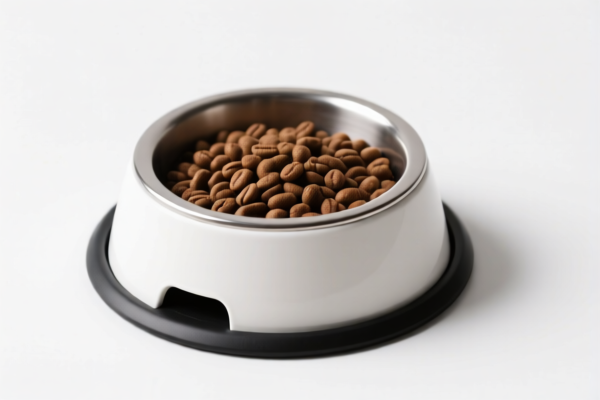
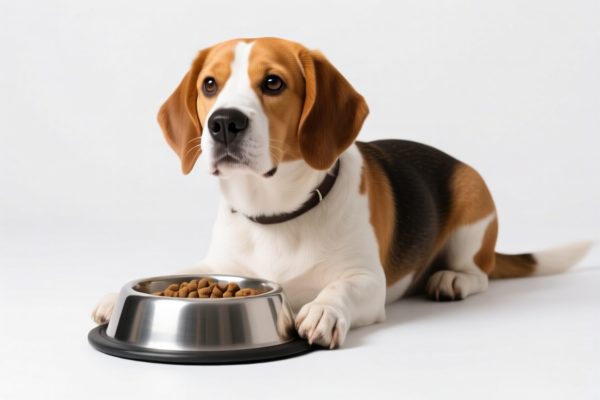
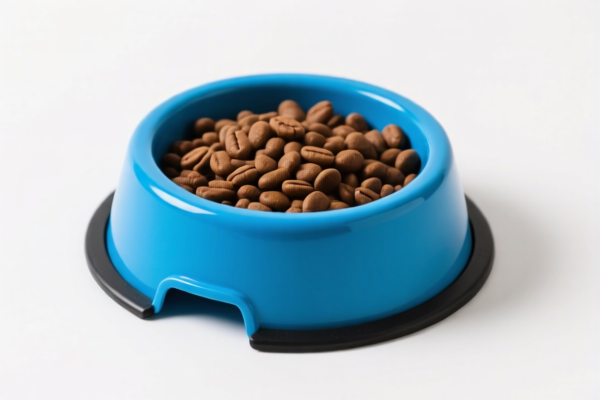

AI Analysis
🌱 Soybean Pellet Feed (Soybean-based Animal Feed)
🌐 HS Code Reference & Customs Clearance Guide | 2026 Latest Tariff Analysis | Professional Compliance Strategy 📌 I. Product Definition & Classification: Do You Really Understand "Soybean Pellet Feed"?
"Soybean Pellet Feed" is a broad commercial term that typically refers to animal feed containing soybeans or soybean by-products. However, in international trade and customs classification, the processing method and ingredient composition are the decisive factors for determining the correct HS Code. It generally falls into two main categories: 1. Raw Soybeans: Broken or unbroken soybeans intended for further processing or oil extraction. 2. Prepared Animal Feeds: Mixed feeds, ingredients, or specific formulations (like swine feed) that contain soybean meal, soybeans, or other additives.
⚠️ Key Distinction: - If the product is pure soybeans (broken or not), regardless of being in pellet form or raw, it falls under Chapter 12. - If the product is a mixture (e.g., soybean meal + corn + vitamins) or specifically formulated (e.g., Swine Feed), it falls under Chapter 23. - Note: "Pellet" shape alone does not determine the HS code. A pellet made of pure soybeans is still a soybean; a pellet made of a mix is a mixed feed.
📦 II. HS Code Classification Details (2026 Latest Tariff Authority Comparison)
Based on the provided data, here are the applicable HS Codes for products described as "Soybean Pellet Feed" or related soybean derivatives:
| HS Code | Product Description | Applicable Scenario | Tax Rate (China Origin → US) |
|---|---|---|---|
| 1201.90.00.90 | Soybeans, whether or not broken: Other: Other | Pure soybeans, potentially pelletized or broken, not classified as "oil stock" seeds. | 25.0% |
| 1201.90.00.05 | Soybeans, whether or not broken: Other Seeds of a kind used as oil stock | Pure soybeans specifically classified as seeds for oil extraction. | 25.0% |
| 2309.90.10.50 | Preparations of a kind used in animal feeding: Other: Mixed feeds or mixed feed ingredients Other | Mixed animal feeds where soybean is an ingredient but not the sole defining component, or generic mixed feed. | 25.0% |
| 2309.90.10.35 | Preparations of a kind used in animal feeding: Other: Mixed feeds or mixed feed ingredients Swine feed, prepared | Specifically formulated feed for pigs, which may contain soybean pellets/meals. | 25.0% |
| 2304.00.00.90 | Oilcake and other solid residues... resulting from the extraction of soybean oil: Other | Soybean Meal (Solids from oil extraction), not raw soybeans. Often used in feed mixes. | 0.0% |
| 2304.00.00.10 | Oilcake and other solid residues... resulting from the extraction of soybean oil: Certified organic | Certified Organic Soybean Meal. | 0.45¢/kg + 25.0% |
🔍 Critical Reminder: - Soybean Meal (2304) vs. Soybeans (1201): If you are importing soybean meal (residue from oil extraction), it may be duty-free (0%) under the base rate, but check if it is "Certified Organic" which triggers a specific rate. - If you are importing actual soybeans (even if pelletized), the base tariff is 0%, but a 25% additional tariff applies. - Mixed Feeds (2309) are also subject to the 25% additional tariff.
💰 III. 2026 Latest Tariff Rate Breakdown (Including Surcharge & Policy Additions)
✅ Applicable Country: United States (US)
✅ Country of Origin: China (CN)
✅ Effective Time: 2025/2026 Import Period
🎯 1. 1201.90.00.90 & 1201.90.00.05 —— Soybeans (Pure)
| Item | Content |
|---|---|
| Base Tariff | 0.0% (Ad Valorem) |
| Section 301 Surcharge | +25.0% (Additional Tariff) |
| Total Tariff | 25.0% |
| Tax Calculation | CIF Value × 25.0% |
| De Minimis Exemption | ❌ Not Available (Deny de_minimis for Section 301 goods) |
| Legal Basis | HTSUS 1201.90.00 + USITC Footnote for China |
📌 Explanation: - Pure soybeans, whether whole, broken, or pelletized, fall under Chapter 12. - Despite a 0% base rate, the 25% Section 301 surcharge makes the total cost significant. - This applies to both "Other" (1201.90.00.90) and "Seeds used as oil stock" (1201.90.00.05).
🎯 2. 2309.90.10.50 & 2309.90.10.35 —— Mixed Animal Feeds
| Item | Content |
|---|---|
| Base Tariff | 0.0% (Ad Valorem) |
| Section 301 Surcharge | +25.0% (Additional Tariff) |
| Total Tariff | 25.0% |
| Tax Calculation | CIF Value × 25.0% |
| De Minimis Exemption | ❌ Not Available |
| Legal Basis | HTSUS 2309.90.10 + USITC Footnote for China |
📌 Explanation: - "Preparations of a kind used in animal feeding" (Chapter 23) generally have a 0% base rate. - However, Chinese-origin mixed feeds are subject to the 25% Section 301 surcharge. - This applies to both general mixed feeds (2309.90.10.50) and specific swine feeds (2309.90.10.35).
🎯 3. 2304.00.00.90 —— Soybean Meal (Non-Organic)
| Item | Content |
|---|---|
| Base Tariff | 0.0% (Ad Valorem) |
| Section 301 Surcharge | 0.0% (Exempted) |
| Total Tariff | 0.0% |
| Tax Calculation | No Ad Valorem Tax |
| De Minimis Exemption | ✅ Available (Under certain thresholds) |
| Legal Basis | HTSUS 2304.00.00.90 |
📌 Strategic Advantage: - Soybean Meal (residue from oil extraction) is NOT subject to the 25% Section 301 surcharge. - If your "pellet feed" is actually soybean meal (not mixed with other grains, and not certified organic), the tariff is 0%. - Caution: Ensure the product is not classified as "Mixed Feed" (2309) or "Soybeans" (1201).
🎯 4. 2304.00.00.10 —— Certified Organic Soybean Meal
| Item | Content |
|---|---|
| Base Tariff | 0.45¢/kg (Specific Rate) |
| Section 301 Surcharge | +25.0% (Ad Valorem) |
| Total Tariff | 0.45¢/kg + 25.0% Ad Valorem |
| Tax Calculation | (Weight × $0.0045) + (CIF Value × 25%) |
| De Minimis Exemption | ❌ Not Available for the 25% portion |
| Legal Basis | HTSUS 2304.00.00.10 |
📌 Warning: - If the product is Certified Organic, it loses the 0% exemption and triggers both a specific tax (per kg) and the 25% ad valorem surcharge. - This is significantly more expensive than non-organic soybean meal.
🛠️ IV. Customs Clearance Practical Advice (Avoid Pitfalls)
✅ 1. Document Preparation Checklist (Required)
| Document | Required? | Description |
|---|---|---|
| ✅ Product Specification | ✔️ | Must clearly state: Is it pure soybeans? Soybean meal? Or a mix? |
| ✅ Ingredients List | ✔️ | For mixed feeds, list all ingredients by percentage. |
| ✅ Processing Description | ✔️ | Explain if it is "pelletized," "broken," or "ground." |
| ✅ Commercial Invoice | ✔️ | Accurately describe the goods (e.g., "Soybean Meal" vs. "Soybean Pellets"). |
| ✅ Certificate of Origin | ✔️ | To prove Chinese origin and apply correct tariffs. |
| ✅ USDA Import Permit | ✔️ | Required for animal feed and soybean products. |
| ✅ Organic Certificate | ✔️ | If claiming organic status, provide USDA/NOP certified document. |
✅ 2. Declaration Tips (Key Mnemonics)
🔥 "Pure Beans 25%, Meal Free, Mixed 25%, Organic Extra Fee!"
| Scenario | Correct Declaration | Incorrect Action |
|---|---|---|
| Pure Soybeans (Pelletized) | 1201.90.00.90 - "Soybeans, broken" |
Misdeclare as "Animal Feed" (2309) → Risk of penalty |
| Soybean Meal (Pure) | 2304.00.00.90 - "Soybean Meal" |
Misdeclare as "Mixed Feed" → Pay 25% unnecessarily |
| Mixed Feed (Soybean + Corn) | 2309.90.10.50 - "Mixed Animal Feed" |
Misdeclare as "Soybeans" → Incorrect classification |
| Organic Soybean Meal | 2304.00.00.10 |
Declare as Non-Organic → Fraud risk & penalties |
✅ 3. Special Situation Handling
| Situation | Recommendation |
|---|---|
| "Pellet" vs. "Meal" | If it is ground soybeans for oil extraction residue, use 2304.00.00.90 (0%). If it is whole/broken soybeans, use 1201 (25%). |
| Mixed Feed Composition | If the feed contains >50% soybean meal but also other grains, it is still 2309 (25%). Do not try to classify as pure meal. |
| Organic Certification | Ensure the "Certified Organic" label matches the certificate. Incorrect labeling leads to severe penalties. |
| USDA Compliance | Animal feed must comply with USDA regulations. Ensure no prohibited additives. |
🌍 V. Global Market Customs Comparison (2026 Latest)
| Country/Region | Recommended HS Code | Tariff (China Origin) | Certification Required | Notes |
|---|---|---|---|---|
| 🇺🇸 USA | 2304.00.00.90 |
0% (Meal) / 25% (Beans/Mixed) | USDA + FDA | Meal is duty-free; Beans/Mixed are 25%. |
| 🇨🇳 China | 2304.00.00.90 |
0% | CCIC + CIQ | Import of soybean meal is encouraged. |
| 🇪🇺 EU | 2304.00.00.00 |
0% | EFSA + REACH | Soybean meal is generally duty-free. |
| 🇦🇺 Australia | 2304.00.00.00 |
0% | Biosecurity | Strict biosecurity controls. |
| 🇯🇵 Japan | 2304.00.00.00 |
0% | FFDL | No tariffs on soybean meal. |
📌 Conclusion: - USA is the only major market imposing 25% tariffs on Chinese-origin soybeans and mixed feeds. - Soybean Meal (2304) is a strategic advantage: 0% tariff in the US. - If you are exporting "Soybean Pellet Feed," ensure it is soybean meal (not mixed, not pure soybeans) to benefit from 0% duty.
📌 VI. Common Mistakes & Pitfalls (Blood Tears Lessons)
❌ Mistake 1: Declaring Soybean Meal as Mixed Feed (2309)
👉 Consequence: Pay 25% unnecessary tariff.
❌ Mistake 2: Declaring Pure Soybeans as Animal Feed (2309)
👉 Consequence: Customs may reject the declaration or impose penalties for misclassification. Pure soybeans are agricultural commodities, not processed feeds.
❌ Mistake 3: Ignoring Organic Status
👉 Consequence: If organic, you must declare 2304.00.00.10. Failing to do so may result in missing the specific per-kg tax, but declaring it as non-organic when it is organic is fraud.
❌ Mistake 4: Confusing Pelletized Soybeans with Soybean Meal
👉 Consequence: Pelletized whole soybeans are 1201.90.00.90 (25% tariff). Pelletized meal is 2304.00.00.90 (0% tariff). The raw material definition is critical.
✅ Correct Practice:
"Soybean Meal, Pelletized, Non-Organic, for Animal Feed, HS Code: 2304.00.00.90, Tariff: 0%"
🎯 VII. Conclusion: Professional Declaration, Cost Savings, Efficiency!
🎯 Remember the Mnemonic:
🔹 "Meal is Free (0%), Beans are Expensive (25%), Mixed is 25%, Organic is Complex!" 🔹 "HS Code Determines Life or Death, Tariff Difference is 25%, One Mistake Costs Thousands!"
📌 Pro Tip:
If your product is Certified Organic Soybean Meal, calculate carefully: 0.45¢/kg + 25% Ad Valorem. For large volumes, the 25% ad valorem can be significant. Consider negotiating with suppliers or exploring alternative origins if possible.
For Pure Soybeans or Mixed Feeds, the 25% tariff is mandatory. Consider supply chain optimization (e.g., sourcing from non-China origins if applicable) to mitigate costs.
📣 Immediate Action:
📞 Contact Professional Customs Broker + Provide Product Specs + Apply for Advance Ruling for uncertain cases. 🚀 Let your Soybean Products clear customs smoothly, reduce costs, and maximize profits!
✨ Professional Customs Clearance Starts with Accurate Classification!
💼 Every Cent of Your Cost Deserves to Be Calculated Precisely!
Customer Reviews
About HS Code Classification
The Harmonized System (HS) is an internationally standardized nomenclature developed by the World Customs Organization (WCO) to classify traded products. Over 200 countries use the HS system as the basis for customs tariffs, trade statistics, and import/export regulations.
Each HS code follows a hierarchical structure:
- Chapter (2 digits) — Broad category of goods (e.g., Chapter 84: Machinery and Mechanical Appliances)
- Heading (4 digits) — More specific grouping within the chapter
- Subheading (6 digits) — Internationally standardized breakdown, used by all WCO member countries
- National subdivisions (8-10 digits) — Country-specific extensions for further classification, such as US HTSUS 10-digit codes
Correct HS code classification is essential for smooth customs clearance, accurate duty payment, and compliance with trade regulations. Misclassification can lead to customs delays, overpayment of duties, or penalties.
When importing from CN to US, the applicable tariff rates may include:
- Most-Favored-Nation (MFN) rate — The standard duty rate applied to WTO members
- General rate — Applied to countries without trade agreements
- Trade remedy duties — Additional tariffs such as Section 301 (anti-dumping), Section 232 (national security), or countervailing duties
The information provided on this page is for reference purposes only. For official classification, please consult with your local customs authority or a licensed customs broker.