Spanish Paella Pan
CN → US| HS Code | Tariff Rate | Origin | Destination | Doc |
|---|---|---|---|---|
| 6912003550 | 19.8% | CN | US | Official Doc |
| 6912004810 | 19.8% | CN | US | Official Doc |
| 8419815080 | 17.5% | CN | US | Official Doc |
| 7323930045 | 62.0% | CN | US | Official Doc |
| 7323930015 | 62.0% | CN | US | Official Doc |
Product Images
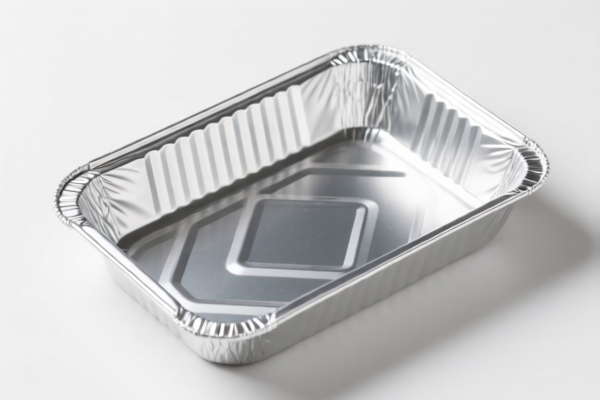
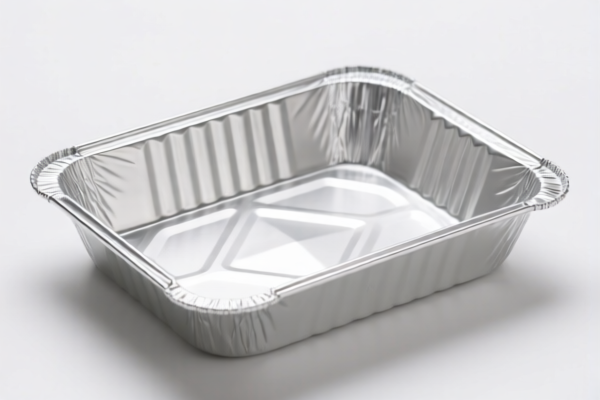
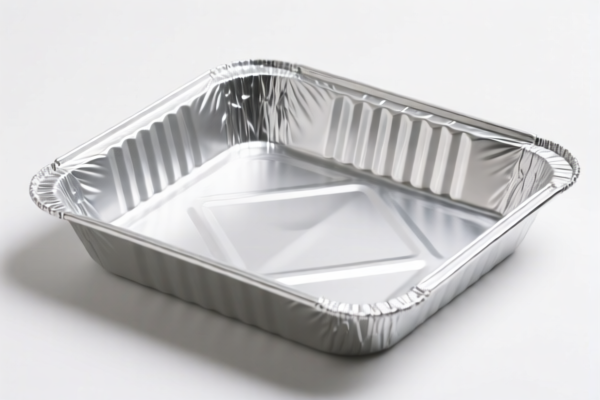
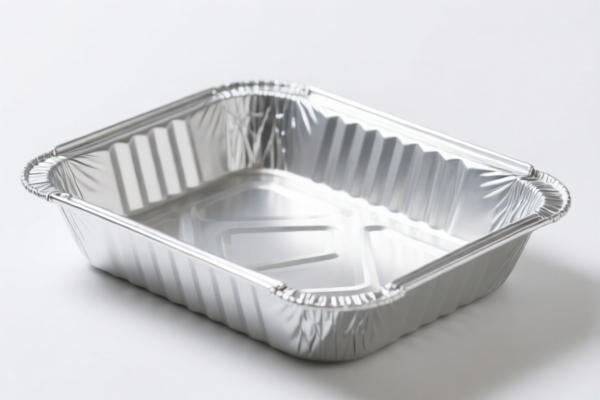
AI Analysis
🥘 Spanish Paella Pan (Paellera) – The Ultimate Guide to HS Classification & Customs Clearance
🌐 HS Code Reference & Clearance Guide | 2026 Latest Tariff Analysis | Professional-Level Strategy
📌 I. Product Definition & Classification: Do You Really Know a “Paella Pan”?
A Spanish Paella Pan is a specialized shallow, wide-bottomed cooking vessel designed for cooking paella and other rice-based dishes. In international trade, it is primarily classified based on material and intended use. The key distinction lies in whether it is made of ceramic/non-metallic composite (like traditional glazed earthware) or metal (such as carbon steel, stainless steel, or aluminum).
⚠️ Critical Distinction Point:
- If made of non-ceramic metal or composite materials for kitchen use → Falls under Chapter 69 (Ceramics/Composites) or Chapter 73 (Iron/Steel) depending on specific composition.
- If classified as cooking apparatus/heating equipment → Falls under Chapter 84 (Machinery).
- If made of steel/stainless steel for household kitchen use → Falls under Chapter 73 (Articles of Iron or Steel).
📦 II. HS Code Classification Details (2026 Latest Tariff Authority Comparison)
| HS Code | Product Description | Applicable Scenario | Material/Logic Basis |
|---|---|---|---|
6912.00.35.50 |
Other tableware & kitchenware of ceramic (non-porcelain) | Paella pans made of non-ceramic metal/composite materials, categorized under "Other" in this code | Non-porcelain composite/metal-like material; Kitchenware use |
6912.00.48.10 |
Ceramic tableware/kitchenware for food/drink contact | Paella pans inferred as kitchen utensils suitable for food contact; no material conflict | Food-contact kitchenware; Kitchen use |
8419.81.50.80 |
Cooking/heating apparatus (not electric) | Paella pans viewed as cooking devices/apparatus for heating food; no material conflict | Cooking apparatus; Heating function |
7323.93.00.45 |
Articles of iron/steel (other) | Paella pans inferred as stainless steel (common metal); Cooking utensils | Stainless steel/Metal; Household cooking utensils |
7323.93.00.15 |
Articles of iron/steel (other) | Paella pans as kitchen utensils made of metal (steel); Same logic as above | Steel/Metal; Household cooking utensils |
🔍 Key Reminder:
- Metal paella pans (carbon steel, stainless steel, aluminum) are most commonly classified under Chapter 73 (Iron/Steel articles) due to material composition.
- Ceramic/Clay paella pans fall under Chapter 69 (Ceramics).
- Cooking appliances (e.g., gas-powered paella burners with integrated pans) may fall under Chapter 84.
💰 III. 2026 Latest Tariff Rate Breakdown (Including Additional Duties & Policy Surcharges)
✅ Applicable Country: United States (US)
✅ Origin: China (CN)
✅ Effective Date: From November 10, 2025 (for subsequent imports)
🎯 1. 6912.00.35.50 & 6912.00.48.10 —— Ceramic/Non-Porcelain Kitchenware
| Item | Content |
|---|---|
| Base Tariff | 9.8% (ad valorem) |
| Additional Tariff (Section 301) | 0.0% |
| Section 122 Tariff | +10% (on Chinese products) |
| Total Tariff Rate | 19.8% |
| Tax Calculation | CIF Value × 19.8% |
| De Minimis Exemption | ❌ Not Eligible (deny_de_minimis) |
| Legal Basis Path | Section 122:10% → USITC:6912.00.35.50/48.10 |
📌 Explanation:
- Base Tariff 9.8%: Standard MFN rate for ceramic/other kitchenware.
- Section 122 Tariff 10%: Additional tariff imposed on certain Chinese-origin goods under Section 122 of the Trade Act.
- No Section 301 Surcharge: Unlike electronics or steel products, ceramic kitchenware is not subject to the 25% Section 301 tariff.
- Total 19.8%: Moderate tariff level compared to steel products.
🎯 2. 8419.81.50.80 —— Cooking/Heating Apparatus
| Item | Content |
|---|---|
| Base Tariff | 0.0% |
| Additional Tariff (Section 301) | +7.5% |
| Section 122 Tariff | +10% |
| Total Tariff Rate | 17.5% |
| Tax Calculation | CIF Value × 17.5% |
| De Minimis Exemption | ❌ Not Eligible (deny_de_minimis) |
| Legal Basis Path | Section 122:10% → Section 301:7.5% → USITC:8419.81.50.80 |
📌 Explanation:
- Base Tariff 0%: Cooking apparatus may have a lower base rate.
- Section 301 Surcharge 7.5%: Additional tariff under Section 301 for certain Chinese machinery/cooking equipment.
- Section 122 Tariff 10%: Additional tariff under Section 122.
- Total 17.5%: Slightly lower than ceramic kitchenware, but still significant.
🎯 3. 7323.93.00.45 & 7323.93.00.15 —— Iron/Steel Articles (Household Kitchenware)
| Item | Content |
|---|---|
| Base Tariff | 2.0% |
| Additional Tariff (Section 301) | 0.0% |
| Section 122 Tariff | +10% |
| Steel/Aluminum/Copper Surcharge | +50% |
| Total Tariff Rate | 62.0% |
| Tax Calculation | CIF Value × 62.0% |
| De Minimis Exemption | ❌ Not Eligible (deny_de_minimis) |
| Legal Basis Path | Steel/Aluminum/Copper Surcharge:50% → Section 122:10% → Base:2.0% → USITC:7323.93.00.15/45 |
📌 Explanation:
- Base Tariff 2.0%: Low base rate for iron/steel articles.
- Steel/Aluminum/Copper Surcharge 50%: Critical! A massive additional tariff imposed on steel products from China under the IEEPA (International Emergency Economic Powers Act).
- Section 122 Tariff 10%: Additional tariff under Section 122.
- Total 62.0%: Extremely High Tariff! This is the most costly classification for metal paella pans.
🛠️ IV. Customs Clearance Practical Advice (Real-World Pitfall Avoidance Guide)
✅ 1. Required Documentation Checklist (Mandatory)
| Document | Must Provide | Description |
|---|---|---|
| ✅ Product Specification Sheet | ✔️ | Dimensions, material type (stainless steel, carbon steel, ceramic), weight, capacity |
| ✅ Product Photos (Including Label) | ✔️ | Clear view of brand, model, material indication |
| ✅ Third-Party Test Report | ✔️ | FDA compliance for food-contact surfaces; LFGB (if applicable) |
| ✅ Commercial Invoice | ✔️ | Clearly state “Paella Pan” + Material (e.g., “Stainless Steel Paella Pan”) |
| ✅ Packing List | ✔️ | Details of packaging to avoid misclassification |
| ✅ Certificate of Origin (CO) | ✔️ | To verify Chinese origin for tariff calculation |
✅ 2. Declaration Tips (Key Mnemonics)
🔥 “Material Defines Code, Steel Triggers 50% Surcharge!”
| Scenario | Correct Declaration | Wrong Action |
|---|---|---|
| Ceramic/Clay Paella Pan | 6912.00.35.50 or 6912.00.48.10 |
Misdeclare as steel → 62% tariff |
| Stainless Steel Paella Pan | 7323.93.00.15 or 7323.93.00.45 |
Misdeclare as ceramic → 19.8% (but risk penalty) |
| Cooking Apparatus (with heating element) | 8419.81.50.80 |
Misdeclare as simple pan → 62% tariff |
| Pan + Burner Set | Declare as complete set | Split declaration → Higher combined tariff |
✅ 3. Special Situation Handling
| Situation | Recommendation |
|---|---|
| OEM Custom Paella Pans | Provide design drawings to confirm material composition |
| Cooking with Integrated Gas Burner | Classify as 8419.81.50.80 (cooking apparatus), not as simple pan |
| Non-Stick Coated Metal Pan | Still classified under Chapter 73 (steel articles); coating does not change HS code |
| Ceramic-Coated Steel Pan | If primary material is steel, classify under Chapter 73 (62% tariff); if primarily ceramic, classify under Chapter 69 (19.8% tariff) |
🌍 V. Global Market Clearance Comparison (2026 Latest)
| Country/Region | Recommended HS Code | Tariff | Certification Requirements | Notes |
|---|---|---|---|---|
| 🇺🇸 USA | 7323.93.00.15 (Steel) |
62% | FDA + LFGB | 19.8% for Ceramic |
| 🇨🇳 China | 7323.93.00.15 |
5% | CCC (if applicable) | No additional surcharges |
| 🇪🇺 EU | 7323.93.00.15 |
0% (if free trade) | CE + RoHS | No additional surcharges |
| 🇦🇺 Australia | 7323.93.00.15 |
5% | RCM | No additional surcharges |
| 🇯🇵 Japan | 7323.93.00.15 |
0% | PSE | No additional surcharges |
📌 Conclusion:
- USA is the only market imposing heavy additional tariffs on steel products.
- Chinese-origin steel paella pans face a 62% tariff in the US, making it highly costly.
- Ceramic paella pans (19.8%) are significantly cheaper to import into the US.
- Consider shifting production to non-China sources (e.g., Vietnam, Thailand) to avoid Section 122 and Steel Surcharge.
📌 VI. Common Errors & Pitfall Avoidance (Lessons from Tears)
❌ Error 1: Declaring a stainless steel paella pan as ceramic
👉 Consequence: Customs inspection reveals steel → Back taxes + Penalty + Delay
❌ Error 2: Splitting a paella pan + burner set into two shipments
👉 Consequence: Each item assessed separately → Total tariff exceeds 80%
❌ Error 3: Using vague terms like “Kitchenware” without specifying material
👉 Consequence: Customs assigns highest possible tariff (62% for steel)
❌ Error 4: Ignoring the 50% Steel Surcharge for metal pans
👉 Consequence: Unexpected 62% total tariff instead of expected 19.8%
✅ Correct Practice:
“Stainless Steel Paella Pan, 16-inch, Double-Handle, Food-Grade 304 SS, Model XYZ, FDA Compliant”
🎯 VII. Conclusion: Professional Declaration, Save Time, Cut Costs!
🎯 Remember the Mantra:
🔹 “Steel Pans = 62% Tariff, Ceramic Pans = 19.8%, Cooktop Units = 17.5%!”
🔹 “HS Code Determines Tax, 50% Surcharge for Steel, Mistake Costs Thousands!”
📌 Tips:
- If your paella pans are originally from Vietnam, Mexico, Thailand, or Malaysia, you may apply for IEEPA Exemptions, reducing tariffs to 0%~5%.
- Consider Advance Ruling (Pre-classification) with US Customs to avoid clearance risks.
- For high-volume imports, evaluate shifting production to non-China countries to avoid Section 122 and Steel Surcharge.
📣 Act Now:
📞 Contact Professional Customs Brokers + Provide Product Photos + Apply for HS Code Advance Ruling
🚀 Ensure Your Paella Pans Clear Customs Smoothly, Export Efficiently, Maximize Profits!
✨ Professional Customs Clearance Starts with Accurate Classification!
💼 Every Cent of Your Cost Deserves Precise Calculation!
Customer Reviews
About HS Code Classification
The Harmonized System (HS) is an internationally standardized nomenclature developed by the World Customs Organization (WCO) to classify traded products. Over 200 countries use the HS system as the basis for customs tariffs, trade statistics, and import/export regulations.
Each HS code follows a hierarchical structure:
- Chapter (2 digits) — Broad category of goods (e.g., Chapter 84: Machinery and Mechanical Appliances)
- Heading (4 digits) — More specific grouping within the chapter
- Subheading (6 digits) — Internationally standardized breakdown, used by all WCO member countries
- National subdivisions (8-10 digits) — Country-specific extensions for further classification, such as US HTSUS 10-digit codes
Correct HS code classification is essential for smooth customs clearance, accurate duty payment, and compliance with trade regulations. Misclassification can lead to customs delays, overpayment of duties, or penalties.
When importing from CN to US, the applicable tariff rates may include:
- Most-Favored-Nation (MFN) rate — The standard duty rate applied to WTO members
- General rate — Applied to countries without trade agreements
- Trade remedy duties — Additional tariffs such as Section 301 (anti-dumping), Section 232 (national security), or countervailing duties
The information provided on this page is for reference purposes only. For official classification, please consult with your local customs authority or a licensed customs broker.