Spark Plug Ignition Piston Internal Combustion Engine Parts
CN → US| HS Code | Tariff Rate | Origin | Destination | Doc |
|---|---|---|---|---|
| 8409919990 | 37.5% | CN | US | Official Doc |
| 8483101050 | 37.5% | CN | US | Official Doc |
| 8483101030 | 37.5% | CN | US | Official Doc |
| 8409915085 | 37.5% | CN | US | Official Doc |
Product Images
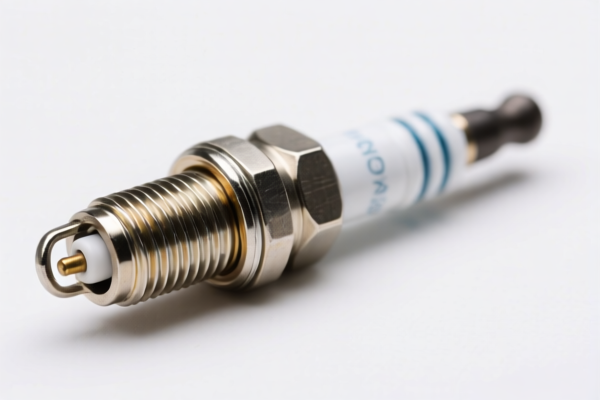
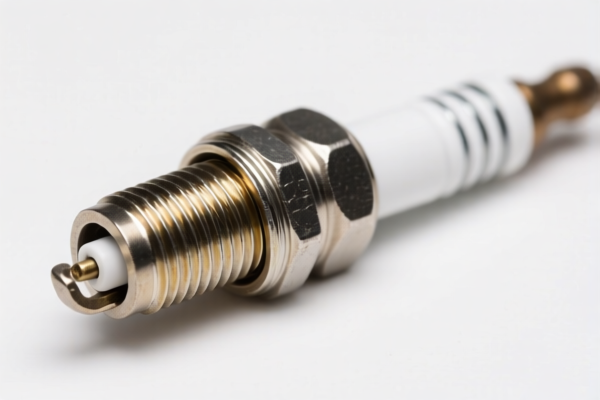
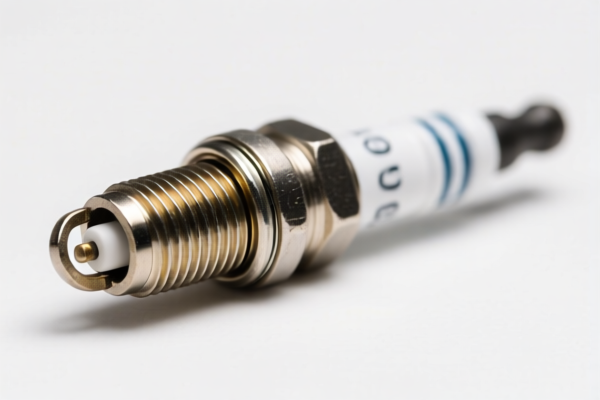
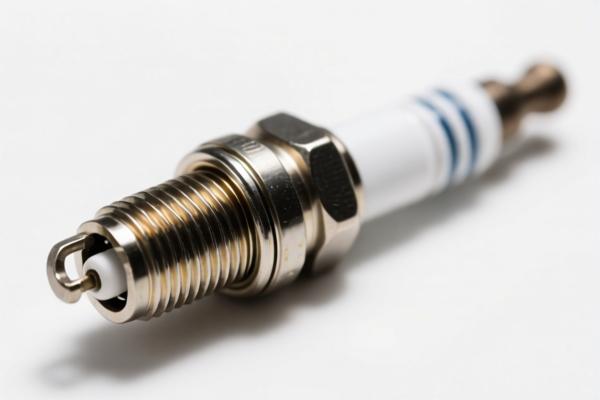
AI Analysis
⚙️ Spark Plug Ignition Piston Internal Combustion Engine Parts
🌐 HS Code Reference & Clearance Guide | 2026 Latest Tariff Analysis | Professional Customs Strategy 📌 I. Product Definition & Classification: Do You Truly Understand "Engine Parts"?
"Spark Plug Ignition Piston Internal Combustion Engine Parts" are critical components specifically designed for spark-ignition internal combustion piston engines (typically gasoline engines). In international trade, these parts are strictly regulated because they are integral to the power generation mechanism.
Key Distinction: * Specific Engine Parts: Components that fit exclusively into spark-ignition engines (e.g., pistons, crankshafts, valve lifts). These fall under Heading 8409. * General Mechanical Parts: Shafts, gears, or bearings not specific to the engine's internal combustion process. These might fall under Heading 8483. * Electrical Ignition Parts: Spark plugs themselves are 8511, but structural parts for the engine are 8409.
⚠️ Critical Classification Point: - If the part is specifically designed for spark-ignition engines (like pistons, cylinder heads, crankshafts) → 8409.91 series. - If the part is a transmission shaft or generic mechanical component used in the engine assembly → 8483.10 series. - Material Conflict: Ensure no conflicting materials (e.g., certain alloys) trigger additional restrictions. The provided data indicates "No Material Conflict" for the listed codes.
📦 II. HS Code Classification Details (2026 Latest Tariff Authority Comparison)
Based on the provided data, here are the four specific HS Codes and their exact application logic. All share the same total tax rate but differ in specific attribute matching.
| HS Code | Product Description & Logic | Key Attribute Matching | Total Tax Rate |
|---|---|---|---|
8409.91.99.90 |
Parts for Spark-Ignition Engines: General fallback for engine parts with no material conflict. | "Applicable to spark-ignition internal combustion piston engine parts." | 37.5% |
8483.10.10.50 |
Shafts & Transmission Parts: Specifically for ignition-type engines, matching the fallback attribute for shafts and related components. | "Dedicated to ignition-type internal combustion piston engine parts; fits shaft/transmission fallback attributes." | 37.5% |
8483.10.10.30 |
Generic Engine Shaft Parts: Matches the fallback category principle for parts not specified elsewhere. | "Dedicated to ignition-type internal combustion piston engine parts; fits fallback category matching principle." | 37.5% |
8409.91.50.85 |
Precision Engine Parts: Specific parts where attributes are fully consistent and no material conflict exists. | "Applicable to spark-ignition internal combustion piston engine parts; attributes fully consistent, no material conflict." | 37.5% |
🔍 Key Reminder: - All four codes result in a 37.5% total tax burden. - The difference lies in the specificity of the component: - 8409 series is for core engine components (pistons, cylinders, heads). - 8483 series is for mechanical transmission components (crankshafts, camshafts, gears) within the engine. - Do not mix codes: If it’s a piston, use 8409. If it’s a drive shaft, use 8483. Using the wrong one may lead to customs delays despite the same tax rate.
💰 III. 2026 Latest Tariff Rate Breakdown (Detailed Tax Clauses)
✅ Applicable Country: United States (US) ✅ Origin: China (CN) ✅ Effective Time: 2025-11-10 onwards (Including subsequent imports)
🎯 General Tax Structure for All Listed Codes
For all four HS Codes listed in the data, the tax structure is identical:
| Tax Component | Rate | Legal Basis / Description |
|---|---|---|
| Base Duty | 2.5% | Standard Most Favored Nation (MFN) rate for engine parts. |
| Section 301 Duty | 25.0% | Additional tariff under US Trade Act Section 301 against China. |
| Section 122 Duty | 10.0% | Additional tariff under Section 122 of the Trade Expansion Act (or specific bilateral clauses). |
| TOTAL TAX RATE | 37.5% | 2.5% + 25.0% + 10.0% |
📌 Explanation of Tax Clauses: - "Base Tariff: 2.5%": This is the standard ad valorem duty for "Parts suitable for use solely or principally with the engines of heading 84.09." - "Additional Tariff: 25.0%": This is the Section 301 tariff, widely known as the "US-China Trade War" tariff. It applies to almost all Chinese-made mechanical engine parts. - "Section 122 Tariff: 10%": This is a specific additional duty, often applied to balance trade deficits or under specific legislative mandates. It is explicitly listed in your data. - Total Impact: A 37.5% increase in landed cost. This is non-negotiable for Chinese-origin goods under current regulations.
⚠️ De Minimis Warning: - ❌ NOT Eligible for De Minimis Exemption: These items are not eligible for the $800 de minimis exemption. Even small shipments of engine parts are subject to full customs clearance and the 37.5% tax.
🛠️ IV. Customs Clearance Practical Advice (Battle-Tested Pitfall Avoidance)
✅ 1. Documentation Checklist (Mandatory)
| Document | Required? | Why It’s Critical |
|---|---|---|
| ✅ Product Specification Sheet | YES | Must clearly state: "Spark-Ignition Internal Combustion Engine Part," Model, Material, and Engine Type. |
| ✅ Technical Diagrams | YES | Proves the part is specific to an engine (8409/8483) and not a general mechanical part. |
| ✅ Commercial Invoice | YES | Must include: HS Code, Country of Origin (China), CIF Value, and precise description. |
| ✅ Packing List | YES | Detailed weight and dimensions. |
| ✅ Certificate of Origin (CO) | YES | Mandatory to prove Chinese origin (which triggers the 301/122 tariffs). |
✅ 2. Declaration Best Practices
🔥 Rule of Thumb:
"Be Specific, Be Accurate, Avoid Ambiguity!"
| Scenario | Correct Declaration | Wrong Declaration |
|---|---|---|
| Piston for Gasoline Engine | "Piston for Spark-Ignition Engine, Model XYZ, Material: Aluminum Alloy" | "Engine Part" (Too vague) |
| Crankshaft | "Crankshaft for Spark-Ignition Internal Combustion Engine, HS 8483.10.10.50" | "Mechanical Shaft" (May be classified under 8483.90 with different duties) |
| Valve Lift | "Valve Lift for Spark-Ignition Engine, HS 8409.91.50.85" | "Engine Component" |
| Mixed Shipment | Declare each part separately with correct HS Code | Lump all parts under one code (Risk of audit) |
✅ 3. Special Handling Tips
| Situation | Advice |
|---|---|
| OEM Parts | Provide the OEM number and manufacturer’s name to match the 8409/8483 classification precisely. |
| Material Composition | If the part contains rare earth metals or specific alloys, ensure no material conflict exists. Your data confirms "No Material Conflict" for the listed codes. |
| Origin Labeling | Clearly mark "Made in China" on the product and packaging. Mislabeling origin can lead to severe penalties. |
| Pre-Clearance | Given the 37.5% tax, consider applying for a Binding Ruling from US Customs if you are importing large volumes regularly. |
🌍 V. Global Market Comparison (2026 Update)
| Market | Recommended HS Code | Approx. Duty Rate (China Origin) | Key Certification |
|---|---|---|---|
| 🇺🇸 USA | 8409.91.99.90 / 8483.10.10.50 |
37.5% (2.5% Base + 25% Sec 301 + 10% Sec 122) | None specific, but must meet EPA/EPA-Tier standards if applicable |
| 🇨🇳 China | 8409.91.99.90 |
2.5% (No additional tariffs for domestic trade) | CCC (if applicable) |
| 🇪🇺 EU | 8409.91.10 |
0% - 2.5% (Varies by specific part) | CE Marking |
| 🇬🇧 UK | 8409.91.10 |
0% - 2.5% | UKCA Marking |
📌 Conclusion: - The US market is significantly more expensive due to the 35% additional tariffs (Section 301 + Section 122). - European and UK markets are more favorable, with minimal or no additional duties. - Strategy: If shipping to the US, ensure the HS Code is 100% accurate to avoid misclassification penalties on top of the 37.5% tax.
📌 VI. Common Mistakes & Pitfalls (Blood-Tears Lessons)
❌ Mistake 1: Declaring as "General Machinery Parts" (e.g., 8483.90) to avoid 8409 specificity. 👉 Consequence: Customs may reclassify it as 8409 and apply the same 37.5% tax, but also issue a fine for misclassification.
❌ Mistake 2: Ignoring the "Spark-Ignition" distinction. 👉 Consequence: If it’s for a diesel engine (Compression-Ignition), the HS Code is 8409.91.50 or 8409.99, with different tariff structures. Misdeclaration leads to 100% duty penalty.
❌ Mistake 3: Assuming "De Minimis" applies. 👉 Consequence: Engine parts are never de minimis exempt. Trying to ship via小包 (small package) will result in seizure or forced return.
❌ Mistake 4: Not specifying the engine type in the description. 👉 Consequence: Customs may hold the shipment for additional documentation, causing demurrage charges and delayed clearance.
✅ Correct Approach:
"Spark Plug Ignition Piston Engine Part, Model ABC, Material: Steel, Country of Origin: China, HS Code: 8409.91.99.90"
🎯 VII. Conclusion: Precision Saves Money!
🎯 Remember the Formula:
🔹 Accurate HS Code = No Fines 🔹 37.5% Tax = Non-Negotiable for China Origin 🔹 Detailed Documentation = Faster Clearance
📌 Pro Tip: If you are importing these parts into the US: 1. Verify the HS Code with a licensed customs broker. 2. Prepare for the 37.5% cost in your pricing model. 3. Consider diversifying supply chains if tariffs become unsustainable (e.g., sourcing from Vietnam or Mexico for US market, if eligible for tariff exemptions).
📣 Immediate Action:
📞 Contact a Customs Broker to confirm the exact HS Code for your specific part (Piston vs. Shaft vs. Valve). 🚀 Ensure your Commercial Invoice matches the HS Code and description exactly. 💼 Your Profit Margin = Sales Price - (Cost + 37.5% Tax + Logistics)
✨ Professional Customs Clearance Starts with Accurate Classification! 💼 Every Penny of Tax is Calculated. Don’t Leave It to Chance!
Customer Reviews
About HS Code Classification
The Harmonized System (HS) is an internationally standardized nomenclature developed by the World Customs Organization (WCO) to classify traded products. Over 200 countries use the HS system as the basis for customs tariffs, trade statistics, and import/export regulations.
Each HS code follows a hierarchical structure:
- Chapter (2 digits) — Broad category of goods (e.g., Chapter 84: Machinery and Mechanical Appliances)
- Heading (4 digits) — More specific grouping within the chapter
- Subheading (6 digits) — Internationally standardized breakdown, used by all WCO member countries
- National subdivisions (8-10 digits) — Country-specific extensions for further classification, such as US HTSUS 10-digit codes
Correct HS code classification is essential for smooth customs clearance, accurate duty payment, and compliance with trade regulations. Misclassification can lead to customs delays, overpayment of duties, or penalties.
When importing from CN to US, the applicable tariff rates may include:
- Most-Favored-Nation (MFN) rate — The standard duty rate applied to WTO members
- General rate — Applied to countries without trade agreements
- Trade remedy duties — Additional tariffs such as Section 301 (anti-dumping), Section 232 (national security), or countervailing duties
The information provided on this page is for reference purposes only. For official classification, please consult with your local customs authority or a licensed customs broker.