Spark Plug Kit
CN → US| HS Code | Tariff Rate | Origin | Destination | Doc |
|---|---|---|---|---|
| 8409999990 | 35.0% | CN | US | Official Doc |
| 8506800090 | 37.7% | CN | US | Official Doc |
| 8409919990 | 37.5% | CN | US | Official Doc |
| 8506900000 | 37.7% | CN | US | Official Doc |
Product Images
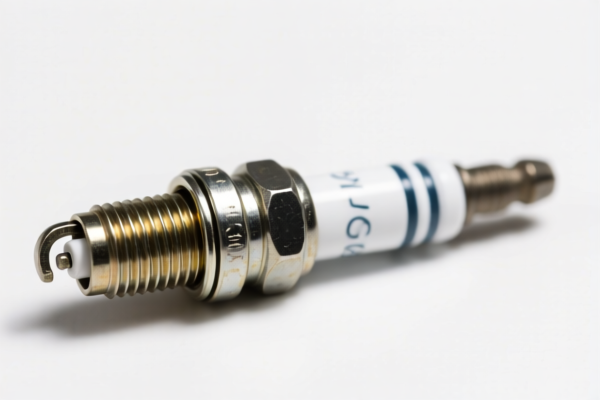
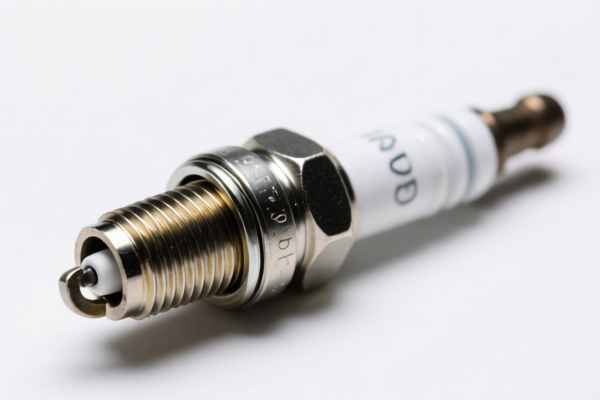
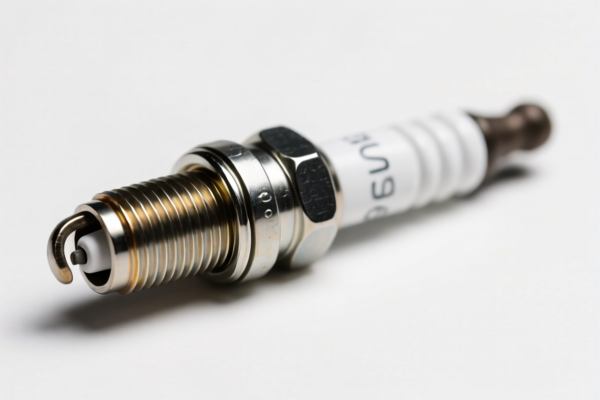

AI Analysis
🔥 Spark Plug Kit (Ignition System Components)
🌐 HS Code Reference & Customs Clearance Guide | 2026 Latest Tariff Analysis | Professional Level Customs Strategy
📌 I. Product Definition & Classification: Do You Really Understand "Spark Plugs"?
A Spark Plug Kit consists of spark plugs, which are critical components of the ignition system in internal combustion engines. In international trade, the classification of spark plugs is a subject of debate between two main chapters: Chapter 84 (Machinery) and Chapter 85 (Electrical Machinery).
- Engine Category (Chapter 84): Viewed as parts suitable for use solely or principally with internal combustion engines.
- Electrical Battery Category (Chapter 85): Viewed under the logic of "parts of primary batteries" due to their electrical ignition function (less common but possible in specific logical frameworks provided below).
⚠️ Key Distinction:
- If classified as Engine Parts: Falls under 84.09 (Parts of Engines).
- If classified as Electrical/Battery Parts: Falls under 85.06 (Primary Cells/Batteries).
Note: The data provided highlights this dual-logic ambiguity, leading to different tariff outcomes.
📦 II. HS Code Classification Details (Based on Provided Data)
| HS Code | Product Description | Summary & Logic | Total Tax Rate |
|---|---|---|---|
8409.99.99.90 |
Engine Parts (General/Fallback) | Spark plugs are ignition system components, categorized as engine parts. Classified under the "other" fallback principle for engine parts. | 35.0% |
8506.80.00.90 |
Battery Parts (Specific) | Spark plugs belong to engine components but fit the classification logic of "parts of primary batteries" in this specific interpretation. | 37.7% |
8409.91.99.90 |
Engine Parts (Spark Ignition Specific) | Spark plugs are key ignition parts specifically for spark-ignition internal combustion engines. | 37.5% |
8506.90.00.00 |
Battery Parts (General) | Spark plugs are ignition system spares, fitting the logic of "parts of primary batteries" in a broader sense. | 37.7% |
🔍 Key Reminder:
- 84.09 Codes: Generally preferred for genuine engine components.8409.91is more specific to "spark ignition" engines, while8409.99is a general fallback. - 85.06 Codes: Represents an alternative classification logic based on electrical function. These codes carry higher base tariffs (2.7%) compared to the zero-rated base tariff of the fallback engine code.
💰 III. 2026 Latest Tariff Rate Breakdown (Including Surcharges & Policy Add-ons)
✅ Applicable Country: United States (US)
✅ Origin: China (CN)
✅ Effective Time: 2025年11月10日起 (November 10, 2025 onwards)
🎯 1. 8409.99.99.90 — Engine Parts (Fallback Category)
| Item | Detail |
|---|---|
| Base Tariff | 0.0% (ad valorem) |
| Section 301 Surtax | +25.0% (Additional Tariff) |
| Section 122 Tariff | +10.0% (Specific Clause 122 Tariff) |
| Total Tax Rate | 35.0% |
| Calculation Basis | CIF Value × 35% |
| De Minimis Exemption | ❌ Not Applicable (High risk of seizure if declared under de minimis) |
| Legal Basis Path | USITC Footnote for 8409.99.99.90 → Section 301 → Section 122 |
📌 Explanation:
- This is the most cost-effective option among the provided codes due to the 0% base tariff. - The total burden comes entirely from punitive tariffs (25% + 10%). - Critical Note: Ensure the declaration clearly states it is a "Part of Spark-Ignition Internal Combustion Engine" to support this classification.
🎯 2. 8506.80.00.90 & 8506.90.00.00 — Battery/Electrical Parts
| Item | Detail |
|---|---|
| Base Tariff | 2.7% (ad valorem) |
| Section 301 Surtax | +25.0% (Additional Tariff) |
| Section 122 Tariff | +10.0% (Specific Clause 122 Tariff) |
| Total Tax Rate | 37.7% |
| Calculation Basis | CIF Value × 37.7% |
| De Minimis Exemption | ❌ Not Applicable |
| Legal Basis Path | USITC Footnote for 8506.80/90 → Section 301 → Section 122 |
📌 Explanation:
- These codes incur a 2.7% base tariff which does not apply to the 84.09 fallback code. - Total rate is 2.7% higher than the 84.09.99 code. - Classification is less standard for spark plugs and may face higher scrutiny from Customs if not supported by specific product documentation linking it to "battery parts."
🎯 3. 8409.91.99.90 — Spark-Ignition Engine Parts (Specific)
| Item | Detail |
|---|---|
| Base Tariff | 2.5% (ad valorem) |
| Section 301 Surtax | +25.0% (Additional Tariff) |
| Section 122 Tariff | +10.0% (Specific Clause 122 Tariff) |
| Total Tax Rate | 37.5% |
| Calculation Basis | CIF Value × 37.5% |
| De Minimis Exemption | ❌ Not Applicable |
| Legal Basis Path | USITC Footnote for 8409.91.99.90 → Section 301 → Section 122 |
📌 Explanation:
- While more specific than8409.99, the 2.5% base tariff makes it more expensive than the 0% base fallback. - Recommendation: Generally, importers prefer the 0% base of8409.99.99.90unless Customs explicitly demands the more specific8409.91classification based on product technical sheets.
🛠️ IV. Customs Clearance Practical Advice (Real-World Pitfall Avoidance)
✅ 1. Documentation Checklist (Non-Negotiable)
| Document | Required? | Description |
|---|---|---|
| ✅ Product Specification Sheet | ✔️ | Must specify: "Spark Plug for Spark-Ignition Internal Combustion Engine," gap size, thread type, heat range. |
| ✅ Technical Diagram | ✔️ | To prove it is an engine part (supporting 84.09) vs. an electrical component. |
| ✅ Commercial Invoice | ✔️ | Description must match HS Code logic. E.g., "Engine Parts, Spark Plugs." |
| ✅ Packing List | ✔️ | Clear indication of quantity and packaging. |
| ✅ Country of Origin | ✔️ | Must clearly state "Made in China" to trigger correct surtaxes. |
✅ 2. Declaration Strategy (Critical Tips)
🔥 “Declare as Engine Part, Not Electrical Accessory”
| Scenario | Correct Declaration | Incorrect Declaration | Consequence |
|---|---|---|---|
| Standard Spark Plugs | HS 8409.99.99.90 | "Electrical Parts" or "Battery Accessories" | Risk of re-classification to 85.06 (Higher Tax) |
| Spark Plugs for Specific Engines | HS 8409.91.99.90 | General "Engine Parts" | Possible, but 8409.99 is often accepted as fallback if not strictly controlled. |
| Attempting De Minimis (< $800) | Any of the Above | "Gift" or "Sample" | SEIZURE RISK. All codes above are subject to 301/122 tariffs and often denied de minimis. |
📌 Key Logic:
- Prefer8409.99.99.90for cost efficiency (0% base + 35% total). - Avoid8506codes unless you have a specific legal opinion supporting the "battery part" logic, as they are more complex and costly (37.7%).
✅ 3. Special Circumstances Handling
| Situation | Advice |
|---|---|
| KIT Packaging | If sold as a "Kit" (e.g., 4 plugs + washer + tool), declare as one unit under the spark plug HS code. Do not split components. |
| OEM vs. Aftermarket | Both fall under the same HS code. However, aftermarket parts must clearly state brand/model to avoid counterfeit issues. |
| High-Value Shipments | Consider Advance Ruling (Pre-classification) from US CBP if shipping large volumes. This provides legal certainty for using 8409.99.99.90. |
| Transshipment | If routed through Vietnam/Mexico, check if Rules of Origin allow for tariff exemption. Direct China origin triggers the 35%/37.7% rates. |
🌍 V. Global Market Comparison (2026 Latest)
| Country/Region | Recommended HS Code | Approx. Tax Rate (China Origin) | Notes |
|---|---|---|---|
| 🇺🇸 USA | 8409.99.99.90 |
35.0% | Highest due to Section 301 + 122. |
| 🇨🇳 China | 8408.90.00 (Local) |
Varies (~5-10%) | Import tax into China may differ; check local tariff book. |
| 🇪🇺 EU | 8708.96.00 (Typical) |
3.5% (Base) + VAT | No Section 301 equivalent. Much lower cost. |
| 🇬🇧 UK | 8708.96.00 |
3.5% (Base) + VAT | Post-Brexit rules apply. |
| 🇨🇦 Canada | 8708.96.00 |
5.0% (Base) | No major punitive tariffs like US. |
📌 Conclusion:
- The US market is the most expensive for Chinese spark plugs due to the 35-37.7% effective duty rate. - EU/UK/Canada are significantly more cost-effective for distribution. - For US imports, minimizing declared value (within legal limits) and accurate classification are the only ways to manage costs.
📌 VI. Common Mistakes & Pitfalls (Blood & Tears Lessons)
❌ Mistake 1: Classifying as "Electrical Components" (85.06) unnecessarily.
👉 Result: Higher base tax (2.7%) + same surtaxes = 37.7% vs. 35%. Unjustified cost increase.
❌ Mistake 2: Declaring as "General Hardware" to avoid Section 301.
👉 Result: Customs will re-classify, apply penalties, and delay shipment. Fines can exceed 100% of value.
❌ Mistake 3: Using De Minimis for Bulk Shipments.
👉 Result: US CBP actively monitors spark plugs/ignition parts for de minimis abuse. High risk of seizure and importer account suspension.
❌ Mistake 4: Ignoring "Section 122".
👉 Result: Even if you think 301 covers it, Section 122 adds an extra 10%. Failing to include it in cost modeling leads to lost profit margins.
✅ Correct Practice:
"Spark Plugs for Internal Combustion Engines, Model XYZ, Made in China, HS 8409.99.99.90, Total Duty 35%"
🎯 VII. Conclusion: Professional Declaration, Cost Control, Risk Management
🎯 Remember the Golden Rule:
🔹 "Spark Plugs = Engine Parts (84.09)"
🔹 "US Tariff = Base 0% + 301(25%) + 122(10%) = 35%"
🔹 "Do Not Split Kits, Do Not Use De Minimis for Bulk"
📌 Pro Tip:
If your spark plugs are OEM parts for specific vehicles, provide the vehicle model (e.g., "For Ford 5.0L V8") in the commercial invoice. This strengthens the case for 8409 classification.
📣 Immediate Action Required:
📞 Verify Classification: Confirm with your customs broker that
8409.99.99.90is acceptable for your specific product type.
📝 Update Costing: Include 35% in your landed cost calculation for US imports from China.
🚀 Optimize Supply Chain: Consider sourcing from non-China origins if targeting the US market to avoid punitive tariffs.
✨ Professional Customs Clearance Starts with Accurate Classification!
💼 Every percentage point of tariff difference is pure profit or loss!
Customer Reviews
About HS Code Classification
The Harmonized System (HS) is an internationally standardized nomenclature developed by the World Customs Organization (WCO) to classify traded products. Over 200 countries use the HS system as the basis for customs tariffs, trade statistics, and import/export regulations.
Each HS code follows a hierarchical structure:
- Chapter (2 digits) — Broad category of goods (e.g., Chapter 84: Machinery and Mechanical Appliances)
- Heading (4 digits) — More specific grouping within the chapter
- Subheading (6 digits) — Internationally standardized breakdown, used by all WCO member countries
- National subdivisions (8-10 digits) — Country-specific extensions for further classification, such as US HTSUS 10-digit codes
Correct HS code classification is essential for smooth customs clearance, accurate duty payment, and compliance with trade regulations. Misclassification can lead to customs delays, overpayment of duties, or penalties.
When importing from CN to US, the applicable tariff rates may include:
- Most-Favored-Nation (MFN) rate — The standard duty rate applied to WTO members
- General rate — Applied to countries without trade agreements
- Trade remedy duties — Additional tariffs such as Section 301 (anti-dumping), Section 232 (national security), or countervailing duties
The information provided on this page is for reference purposes only. For official classification, please consult with your local customs authority or a licensed customs broker.