Special Structure Modified Material
CN → USProduct Images
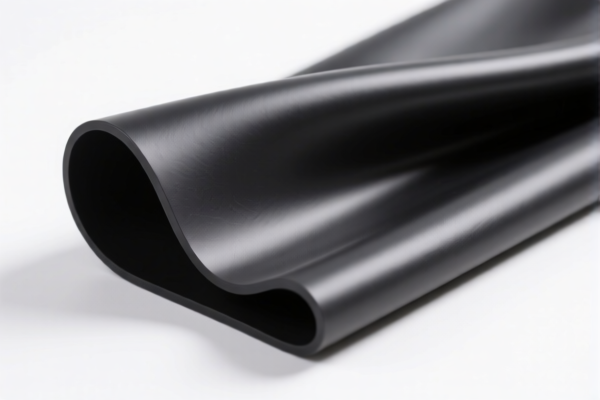
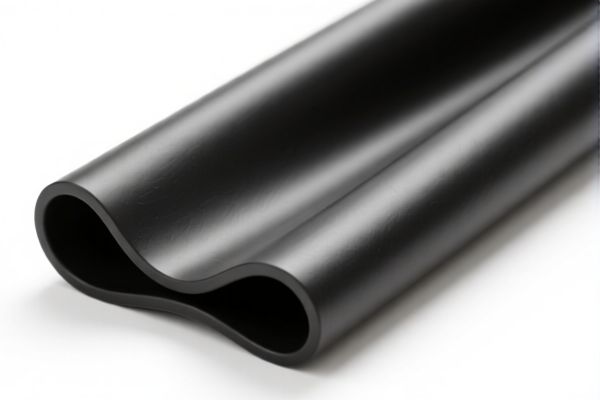
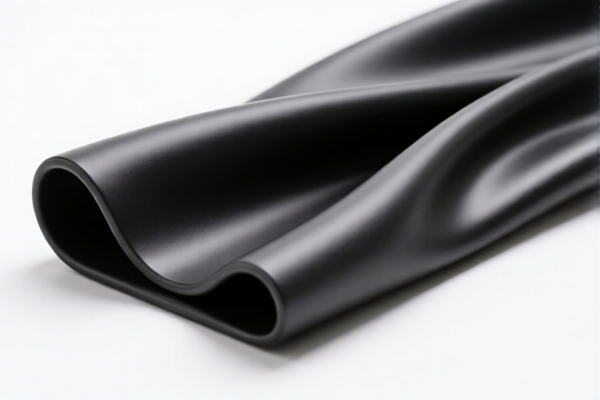
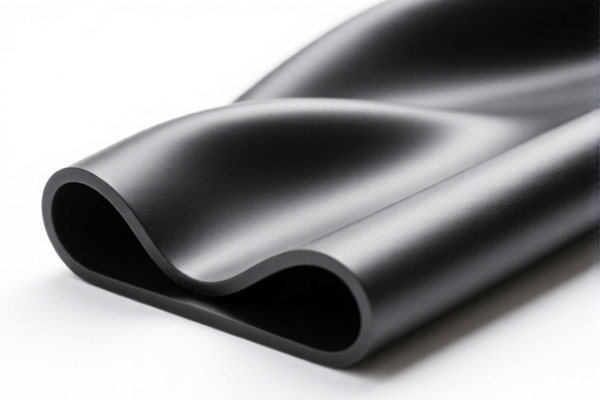
AI Analysis
🧪 Special Structure Modified Material (SSMM)
🌐 HS Code Reference & Customs Clearance Guide | 2026 Latest Tariff Analysis | Professional-Grade Classification Strategy
📌 I. Product Definition & Classification: What Exactly is "Special Structure Modified Material"?
"Special Structure Modified Material" is a broad, non-specific commercial term often used in the chemical, polymer, and composite industries. In international trade, it typically refers to engineered materials where the base polymer, rubber, or mineral has been chemically or physically altered to achieve specific mechanical, thermal, or chemical properties, and often features a unique physical morphology (e.g., foamed, fibrous, layered, or porous structures).
Because this term is not a recognized scientific classification in the Harmonized System (HS), it poses a high risk of misclassification. It generally falls into two main categories depending on the base material and the nature of the modification:
- Plastics & Polymers: Modified plastics (e.g., PC/ABS blends, glass-fiber reinforced nylon, flame-retardant ABS).
- Rubber & Textiles: Modified rubber compounds, non-woven fabrics, or technical textiles.
⚠️ Key Distinction Point:
- If the material is primarily plastic/polymer-based with specific functional modifications (strength, flame resistance, etc.) → Usually falls under Chapter 39 (Plastics).
- If the material is rubber-based with specific structural changes (foamed, spongy, etc.) → Usually falls under Chapter 40 (Rubber).
- If it is a composite (e.g., plastic + metal coating), it may fall under the specific chapter defining the essential character.
📦 II. HS Code Classification Details (2026 Latest Tariff Authority Comparison)
| HS Code | Product Description | Application Scenario | Base Material Type |
|---|---|---|---|
3903.19.00.00 |
Other polymers of styrene in primary forms | General purpose modified polystyrene, ABS blends | ✅ Plastic (Polystyrene/Styrene) |
3903.30.00.00 |
Acetal polymers (POM) in primary forms | Engineering plastic, modified POM for gears/bearings | ✅ Plastic (Acetal) |
3904.21.00.00 |
Vinyl chloride monomer polymers (PVC) | Flame-retardant or reinforced PVC sheets/pipes | ✅ Plastic (PVC) |
3904.61.00.00 |
Polyurethanes in primary forms | Flexible/foamed PU, high-density modified PU blocks | ✅ Plastic (Polyurethane) |
3916.10.00.00 |
Monofilament ≥ 7mm of polymers of caprolactam | Nylon filaments, modified nylon for industrial use | ✅ Plastic (Polyamide/Nylon) |
3916.90.90.00 |
Other monofilament, rod, stick of plastics | General modified plastic rods, bars, non-specific plastics | ✅ Plastic (Generic) |
4008.12.00.00 |
Solid rubber sheets, plates, strips (non-cellular) | Unfoamed modified rubber sheets, industrial rubber | ✅ Rubber (Solid) |
4008.21.00.00 |
Cellular rubber sheets, plates, strips (natural rubber) | Foamed rubber, sponge rubber, EVA foam sheets | ✅ Rubber (Cellular/Natural) |
4008.22.00.00 |
Cellular rubber sheets, plates, strips (synthetic) | PU foam, NBR foam, EPDM foam sheets | ✅ Rubber (Cellular/Synthetic) |
4016.93.00.00 |
Other articles of cellular rubber | Rubber gaskets, seals, specialized foam parts | ✅ Rubber (Finished Cell) |
🔍 Critical Reminder:
- "Special Structure" must be interpreted physically: Is it cellular (foamed/pored)? Is it reinforced (fiber-added)? Is it coated?
- "Modified" usually implies blending or compounding. If it is a mixture of polymers (e.g., PC+ABS), it is generally classified under the heading for the principal polymer or a specific composite heading if defined.
- Avoid using "Special Structure Modified Material" as the HS description in customs declarations. Use the specific chemical name (e.g., "Glass Fiber Reinforced Polypropylene Sheets").
💰 III. 2026 Latest Tariff Rate Breakdown (Including Additional Duties & Policy Surcharges)
✅ Applicable Country: United States (US)
✅ Origin: China (CN)
✅ Effective Date: November 10, 2025 onwards (including subsequent imports)
🎯 1. 3903.19.00.00 / 3904.xxxx / 3916.90.90.00 —— Plastics & Polymer Products
| Item | Content |
|---|---|
| Base Rate | 0% – 6.5% (ad valorem, varies by specific polymer) |
| USITC Surcharge (Section 301) | +7.5% to +25% (Most plastics fall under 25% if not exempted) |
| IEEPA Surcharge | +10% (Against China/HK products, effective Nov 10, 2025) |
| Total Effective Rate | 17.5% – 41.5% |
| Tax Calculation | CIF Value × Total Rate |
| De Minimis Exemption | ❌ Not Eligible (deny_de_minimis) |
| Legal Path | USITC:3903.19.00.00 → FOOTNOTE:9903.88.01 → IEEPA:9903.01.24 |
📌 Explanation:
- Most polymer plastics (including modified ones like ABS, PP, PE, PVC) are subject to Section 301 tariffs at 25%.
- The IEEPA 10% surcharge adds to this, making the total duty burden significant.
- No de minimis exemption: Even small shipments (under $800) may be scrutinized if classified under high-risk HS codes for China-origin goods.
🎯 2. 4008.12.00.00 / 4008.2x.00.00 / 4016.93.00.00 —— Rubber Products
| Item | Content |
|---|---|
| Base Rate | 0% – 4.9% (ad valorem) |
| USITC Surcharge (Section 301) | +7.5% (Many rubber articles are at 7.5%, not 25%) |
| IEEPA Surcharge | +10% (Against China/HK products, effective Nov 10, 2025) |
| Total Effective Rate | 17.5% – 24.9% |
| Tax Calculation | CIF Value × Total Rate |
| De Minimis Exemption | ❌ Not Eligible (deny_de_minimis) |
| Legal Path | USITC:4008.12.00.00 → FOOTNOTE:9903.75.00 → IEEPA:9903.01.24 |
📌 Note:
- Rubber articles generally face a lower Section 301 rate (7.5%) compared to plastics (25%).
- However, the IEEPA 10% still applies.
- Foamed rubber (4008.21/22) and cellular rubber articles (4016.93) are common "modified" materials.
🛠️ IV. Customs Clearance Practical Advice (Battle-Tested Pitfall Avoidance)
✅ 1. Required Documentation Checklist (Non-Negotiable)
| Document | Mandatory? | Description |
|---|---|---|
| ✅ Material Safety Data Sheet (MSDS/SDS) | ✔️ | Proves chemical composition and hazard status |
| ✅ Technical Specification Sheet | ✔️ | Must detail: Base Polymer, % of Fillers/Additives, Physical State (Sheet/Filament/Foam) |
| ✅ Product Photographs | ✔️ | Clear images showing texture, cross-section (if cellular), and labeling |
| ✅ Certificate of Analysis (COA) | ✔️ | From manufacturer confirming modification type (e.g., "GF30" = 30% Glass Fiber) |
| ✅ Commercial Invoice | ✔️ | Must use scientific names, NOT "Special Structure Modified Material" |
| ✅ Origin Certificate | ✔️ | If not China-origin, may qualify for lower rates |
| ✅ Packing List | ✔️ | Show net/gross weight, HS Code, and country of origin |
✅ 2. Declaration Tips (Key Mantra)
🔥 "Name by Chemistry, Not by Function; Structure Defines the Code!"
| Scenario | Correct Declaration | Incorrect Practice |
|---|---|---|
| Modified Plastic (e.g., PC/ABS) | "Polycarbonate-Acrylonitrile Butadiene Styrene Blend Sheets" |
"Special Structure Modified Plastic" |
| Glass Fiber Reinforced Nylon | "Nylon 6 Monofilament with 30% Glass Fiber" |
"Reinforced Modified Material" |
| Foamed Rubber Sheet | "Synthetic Cellular Rubber Sheets, Closed-Cell" |
"Modified Rubber Structure" |
| Plastic Rod (Generic) | "Polyethylene Rods, HDPE, 50mm Diameter" |
"Special Plastic Rod" |
✅ 3. Special Case Handling
| Situation | Handling Advice |
|---|---|
| Multi-Layer Composite | Determine the essential character. If plastic dominates, use Chapter 39. If rubber dominates, use Chapter 40. |
| Coated Material | If plastic is coated with metal, it may fall under the metal chapter. If rubber is coated with plastic, it may fall under rubber. |
| Foamed vs. Solid | "Special Structure" often implies foaming. Foamed = Cellular Rubber/Plastic (Chapter 40/39 specific subheadings). Solid = Non-cellular. |
| Custom Blends | If it's a proprietary blend, provide the INCI name or CAS numbers for major components. |
🌍 V. Global Market Comparison (2026 Latest)
| Country/Region | Recommended HS Code | Duty Rate (China Origin) | Certification Requirements | Notes |
|---|---|---|---|---|
| 🇺🇸 USA | 3904.xxxx / 4008.xxxx |
17.5% – 41.5% | FTC Labeling, CPSIA (if consumer) | High tariffs on plastics/rubber |
| 🇨🇳 China | 3904.xxxx / 4008.xxxx |
5% – 7.5% | CCC (if applicable) | Lower entry barrier |
| 🇪🇺 EU | 3904.xxxx / 4008.xxxx |
0% – 6.5% | REACH Compliance, RoHS | Strict chemical registration |
| 🇬🇧 UK | 3904.xxxx / 4008.xxxx |
0% – 6.5% | UKCA, Post-Brexit Rules | Similar to EU but separate registration |
| 🇦🇺 Australia | 3904.xxxx / 4008.xxxx |
5% | RCM, TGA (if medical) | Moderate duties |
📌 Conclusion:
- USA is the most costly market due to Section 301 + IEEPA surcharges.
- EU/UK require strict chemical registration (REACH). Failure to register can lead to seizure.
- China has lower duties but quality control is strict for imported materials.
📌 VI. Common Mistakes & Pitfall Guide (Lessons from Blood & Tears)
❌ Mistake 1: Using "Special Structure Modified Material" as the HS Description
👉 Consequence: Customs will reject the declaration or assign a general tariff (often higher) + delay.
✅ Fix: Use specific chemical names (e.g., "Polypropylene Compound").
❌ Mistake 2: Misclassifying Foamed materials as Solid
👉 Consequence: If foamed, it should be under "Cellular" subheadings. Misclassification can lead to underpayment and penalties.
✅ Fix: Clearly state "Cellular" or "Foamed" in the description.
❌ Mistake 3: Ignoring Section 301 Exemptions
👉 Consequence: Paying 25% extra when an exemption might apply.
✅ Fix: Check the USITC Exclusion List for your specific HTS code and manufacturer.
❌ Mistake 4: Failing to Provide MSDS/SDS
👉 Consequence: Delayed clearance, potential hazmat review, or refusal of entry if hazardous components are not declared.
✅ Fix: Always include MSDS for any "modified" chemical product.
🎯 VII. Conclusion: Precision in Classification Saves Money!
🎯 Remember the Mantra:
🔹 "Chemistry First, Structure Second, Name It Right, Taxes Take Flight!"
🔹 "Special Structure is Not a Code; Specificity Saves You!"
🔹 "Plastics 25%, Rubber 7.5%, IEEPA 10% Always!"
📌 Pro Tip:
If your material is originally from Vietnam, Mexico, or Thailand, you may avoid IEEPA tariffs entirely. Consider supply chain diversification or substantial transformation rules to gain tariff advantages.
Request a Customs Ruling (Pre-Ruling) before shipping large volumes to ensure compliance.
📣 Immediate Action:
📞 Consult a licensed customs broker
📄 Provide full technical specs + MSDS
🚀 Secure your clearance, minimize duties, and optimize your supply chain!
✨ Professional Clearance Starts with Accurate Classification!
💼 Every Dollar Saved is a Dollar Earned!
Customer Reviews
About HS Code Classification
The Harmonized System (HS) is an internationally standardized nomenclature developed by the World Customs Organization (WCO) to classify traded products. Over 200 countries use the HS system as the basis for customs tariffs, trade statistics, and import/export regulations.
Each HS code follows a hierarchical structure:
- Chapter (2 digits) — Broad category of goods (e.g., Chapter 84: Machinery and Mechanical Appliances)
- Heading (4 digits) — More specific grouping within the chapter
- Subheading (6 digits) — Internationally standardized breakdown, used by all WCO member countries
- National subdivisions (8-10 digits) — Country-specific extensions for further classification, such as US HTSUS 10-digit codes
Correct HS code classification is essential for smooth customs clearance, accurate duty payment, and compliance with trade regulations. Misclassification can lead to customs delays, overpayment of duties, or penalties.
When importing from CN to US, the applicable tariff rates may include:
- Most-Favored-Nation (MFN) rate — The standard duty rate applied to WTO members
- General rate — Applied to countries without trade agreements
- Trade remedy duties — Additional tariffs such as Section 301 (anti-dumping), Section 232 (national security), or countervailing duties
The information provided on this page is for reference purposes only. For official classification, please consult with your local customs authority or a licensed customs broker.