Special Texture Metallized Leather
CN → US| HS Code | Tariff Rate | Origin | Destination | Doc |
|---|---|---|---|---|
| 4202110030 | 43.0% | CN | US | Official Doc |
| 4202110090 | 43.0% | CN | US | Official Doc |
| 4115100000 | 35.0% | CN | US | Official Doc |
| 4115200000 | 17.5% | CN | US | Official Doc |
Product Images
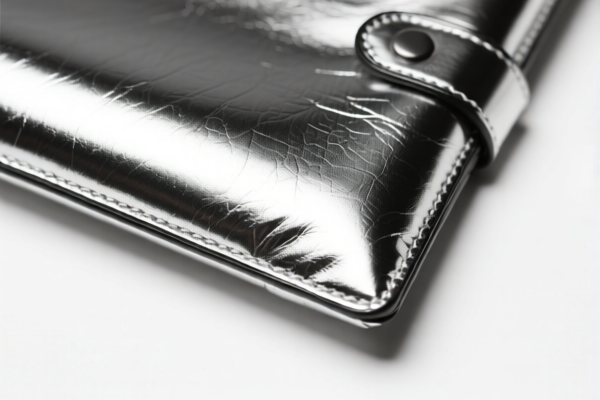
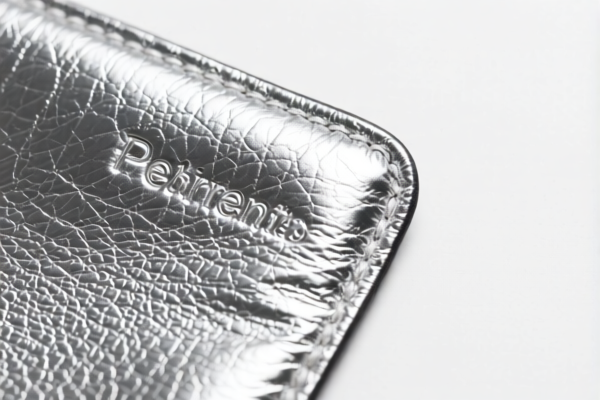
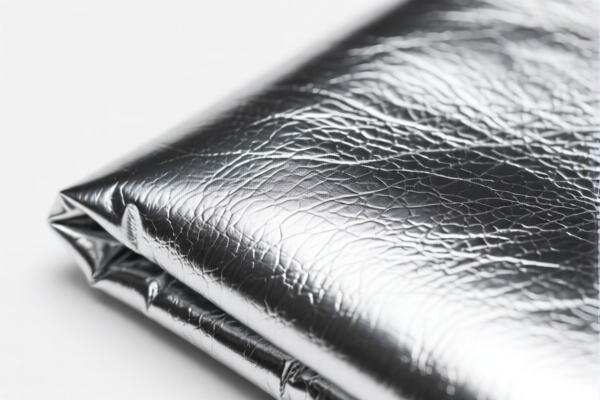
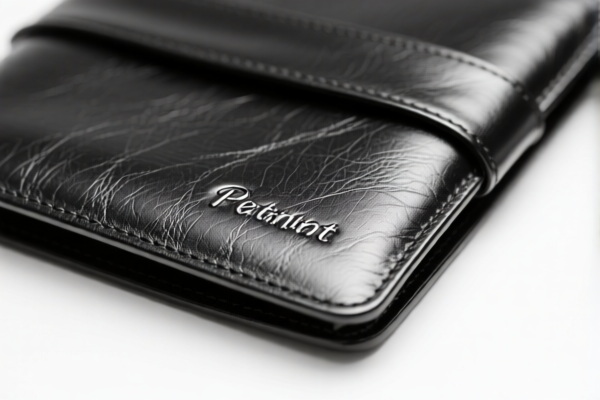
AI Analysis
🧵 Special Texture Metallized Leather (Composition Leather & Accessories)
🌐 HS Code Reference & Customs Clearance Guide | 2026 Latest Tariff Analysis | Professional Entry Strategy
📌 I. Product Definition & Classification: What Exactly is "Special Texture Metallized Leather"?
In international trade, "Special Texture Metallized Leather" typically refers to Composition Leather (leather fiber bonded with synthetic resin/polyurethane) or Surface-Treated Leather that has undergone metallization (coating with aluminum/metallic particles) and texturing (embossing).
It is crucial to distinguish between the raw material (sheets/slabs) and the finished goods (bags/wallets). The classification depends entirely on the state of processing:
- Composition Leather Sheets (Raw Material): Leather fibers or leather waste bonded with plastic/resin, formed into slabs, sheets, or strips. Even if "metallized" or "textured," it remains a material.
- HS Code:
4115.10.00.00
- HS Code:
- Metallized Leather Waste/Dust (Scrap): Parings, cuttings, dust, or powder from the above materials, unsuitable for further manufacturing of leather articles.
- HS Code:
4115.20.00.00
- HS Code:
- Finished Containers (Bags/Wallets): If the "special texture metallized leather" is crafted into trunks, suitcases, handbags, wallets, etc., it is classified under Chapter 42.
- HS Code:
4202.11.00.30or4202.11.00.90
- HS Code:
⚠️ Key Distinction Point:
- Is it a sheet/roll of material? → Chapter 41 (4115)
- Is it a finished bag/wallet? → Chapter 42 (4202)
- Is it scrap/waste? → Chapter 41 (4115.20)
📦 II. HS Code Classification Details (2026 Latest Tariff Authority对照)
| HS Code | Product Description | Application Scenario | Tax Rate (US Import from China) |
|---|---|---|---|
4115.10.00.00 |
Composition Leather (with basis of leather/leather fiber) in slabs, sheets, or strips, whether or not in rolls. Includes metallized/textured surfaces. | Raw material for bag factories, upholstery, automotive interiors. | 25.0% (0% Base + 25% Section 301) |
4115.20.00.00 |
Parings and other waste of leather or composition leather; leather dust, powder, and flour. | Scraps, off-cuts, industrial waste from tanning/cutting. | 7.5% (0% Base + 7.5% Section 301) |
4202.11.00.30 |
Trunks, suitcases, vanity cases, attache cases, briefcases, school satchels with outer surface of leather or composition leather. | Business briefcases, school bags, high-end travel trunks made with the specified leather. | 0.0% (0% Base + 0% Section 301) |
4202.11.00.90 |
Other trunks, suitcases, vanity cases, attache cases, briefcases, school satchels with outer surface of leather or composition leather. | Other containers (e.g., cosmetic cases, camera bags) made with the specified leather. | 0.0% (0% Base + 0% Section 301) |
🔍 Critical Reminder:
- "Composition Leather" (4115) is treated as leather for finished goods (4202). Therefore, bags made with special texture metallized composition leather enjoy 0% tariff, NOT the 25% applied to raw composition leather sheets.
- Do NOT misclassify finished bags as "raw material" to avoid high tariffs, but also do NOT misclassify raw sheets as "bags" to avoid anti-fraud investigations.
- Metallization/Texture does not change the HS code if it remains a sheet (4115). It only affects the aesthetic description in the invoice.
💰 III. 2026 Latest Tariff Rate Detailed Breakdown
✅ Applicable Country: United States (US)
✅ Origin: China (CN)
✅ Effective Time: Current Section 301 Tariffs Apply
🎯 1. 4115.10.00.00 —— Composition Leather (Sheets/Strips)
| Item | Content |
|---|---|
| Base Duty | 0% (Ad Valorem) |
| USITC Section 301 Tariff | +25.0% (From Footnote 9903.88.01 / List 4A) |
| Total Duty | 25.0% |
| Tax Calculation | CIF Value × 25% |
| De Minimis Exemption? | ❌ No (Deny De Minimis) |
| Legal Basis | USITC:4115.10.00.00 → FOOTNOTE:9903.88.01 |
📌 Explanation:
- Raw composition leather is considered a "key input" for Chinese manufacturing. The US imposes a 25% additional tariff on these sheets.
- Cost Impact: High. Importers of raw metallized composition leather sheets must budget for this 25% cost.
🎯 2. 4115.20.00.00 —— Leather Waste/Dust
| Item | Content |
|---|---|
| Base Duty | 0% |
| USITC Section 301 Tariff | +7.5% (From Footnote 9903.88.01 / List 4B) |
| Total Duty | 7.5% |
| Tax Calculation | CIF Value × 7.5% |
| De Minimis Exemption? | ❌ No |
| Legal Basis | USITC:4115.20.00.00 → FOOTNOTE:9903.88.01 |
📌 Note:
- Waste materials are taxed lower (7.5%) as they are considered low-value byproducts.
- Ensure the shipment is genuinely "waste/parings" and not mislabeled raw leather to evade higher tariffs.
🎯 3. 4202.11.00.30 & 4202.11.00.90 —— Finished Bags/Containers
| Item | Content |
|---|---|
| Base Duty | 0% |
| USITC Section 301 Tariff | 0.0% |
| Total Duty | 0.0% |
| Tax Calculation | $0 |
| De Minimis Exemption? | ✅ Yes (For shipments < $800, if eligible) |
| Legal Basis | USITC:4202.11.00.30 / 4202.11.00.90 |
📌 Strategic Advantage:
- Zero Tariff! Finished bags made from metallized composition leather are exempt from the Section 301 tariffs that apply to raw materials.
- This is a key supply chain optimization point: Importing finished goods is significantly cheaper than importing raw sheets for local assembly.
🛠️ IV. Customs Clearance Practical Advice (Avoid Pitfalls)
✅ 1. Documentation Checklist (Non-Negotiable)
| Document | Required? | Description |
|---|---|---|
| ✅ Commercial Invoice | ✔️ | Must clearly state "Composition Leather" (for 4115) or "Leather/Composition Leather Bags" (for 4202). Do NOT just write "Special Leather." |
| ✅ Product Specifications | ✔️ | Detail: Is it "Composition" (fiber+resin) or "Genuine Leather"? Metallization process description. |
| ✅ Material Composition Declaration | ✔️ | Percentage of leather fiber vs. plastic resin. Critical for distinguishing from pure genuine leather (4106) or pure synthetic (3921). |
| ✅ Photos (Product & Label) | ✔️ | Show texture, metallized finish, and any brand/origin labels. |
| ✅ Packing List | ✔️ | Itemize contents clearly. Avoid mixing raw sheets and finished bags in one shipment if possible (different HS codes). |
✅ 2. Classification Strategy (Key Mantra)
🔥 "Sheets are 25%, Bags are 0%. Waste is 7.5%. Don't mix them up!"
| Scenario | Correct HS Code | Wrong HS Code | Consequence |
|---|---|---|---|
| Rolls of Metallized Composition Leather | 4115.10.00.00 |
4202.11.00.30 (Bag) |
25% Tariff + Penalty for misclassification. |
| Finished Handbags using this Leather | 4202.11.00.90 |
4115.10.00.00 (Raw Material) |
0% Tariff (Benefit). But ensure it's a finished good, not just leather inside a box. |
| Scrap from Cutting Bags | 4115.20.00.00 |
4115.10.00.00 |
7.5% vs 25%. Misdeclaring waste as raw material leads to overpayment. |
| Pure Genuine Leather (Not Composition) | 4106.xxxx |
4115.10.00.00 |
Pure leather may have different tariffs (often lower or exempt). Verify composition! |
✅ 3. Special Case Handling
| Situation | Handling Suggestion |
|---|---|
| "Metallized" Claim | If the metallization is just a surface coating on genuine leather, it might still be 4115 (if composition) or 4106 (if genuine). If it's plastic-based composition leather, it's 4115. Be precise. |
| Mixed Shipment | If shipping both raw sheets and finished bags, separate the entries. Using one HS code for both is risky and may trigger customs audits. |
| De Minimis (Section 321) | For finished bags (4202), shipments under $800 per day per person may enter duty-free under Section 321. For raw sheets (4115), Section 321 is generally DENIED. Do not attempt to split shipments to evade tariffs on raw materials. |
🌍 V. Global Market Comparison (2026 Latest)
| Country/Region | Recommended HS Code | Duty Rate | Notes |
|---|---|---|---|
| 🇺🇸 USA | 4202.11.00.90 (Bags) |
0% | Best for finished goods. |
| 🇺🇸 USA | 4115.10.00.00 (Sheets) |
25% | High cost for raw material import. |
| 🇨🇳 China | 4115.10.00.00 |
~5-10% | Varies by specific subheading. |
| 🇪🇺 EU | 4115.10.00 |
~0-6% | Depends on specific EU CN code. |
| 🇪🇺 EU | 4202.11.00 |
~12% | Finished bags in EU have higher base rates. |
📌 Conclusion:
- USA is the most favorable market for finished bags made from composition leather (0% duty).
- USA is costly for raw composition leather sheets (25% duty).
- Supply Chain Advice: If possible, manufacture the bags in China and export the finished goods (4202) to the US, rather than exporting raw sheets (4115) for assembly. This saves 25% in tariffs.
📌 VI. Common Errors & Pitfalls (Blood & Tears Lessons)
❌ Error 1: Calling "Composition Leather" simply "Leather" to avoid scrutiny.
👉 Consequence: Customs may classify it as genuine leather (4106), which might have different rules, or reject it for inaccurate description. Be honest: Use "Composition Leather".
❌ Error 2: Shipping finished bags but declaring as "Leather Samples" (Under $800).
👉 Consequence: If the bag is fully formed, it is NOT a sample. Customs will seize it and apply the full tariff + penalties. Use Section 321 only for genuine samples or small accessories.
❌ Error 3: Misclassifying "Waste" as "Raw Material".
👉 Consequence: Paying 25% instead of 7.5%. Check with your supplier if it's truly "parings/waste" or usable "sheets".
❌ Error 4: Ignoring the "Composition" aspect.
👉 Consequence: If it's 100% plastic (PU Leather), it belongs to Chapter 39 (3921), not 41. Chapter 41 requires a "basis of leather or leather fiber". If no leather fiber is present, it's not 4115.
✅ Correct Declaration Example:
"Metallized Composition Leather Sheets, 1.2mm thickness, 100% Polyester fiber base with PU coating, for bag manufacturing. HS Code: 4115.10.00.00"
OR
"Women's Handbag, Outer Surface of Composition Leather (Metallized Texture), with Zipper and Metal Hardware. HS Code: 4202.11.00.90"
🎯 VII. Conclusion: Professional Declaration, Cost Savings!
🎯 Remember the Mantra:
🔹 "Raw Sheets 25%, Finished Bags 0%. Waste 7.5%. Don't get trapped by the 25%!"
🔹 "Composition Leather is still Leather for Bags (0%), but Taxed Raw (25%). Optimize your supply chain!"
📌 Pro Tip:
If your product is 100% synthetic (no leather fiber), it is NOT 4115. It is likely 3921.90 or 3926.90. Check the material composition! Misclassifying pure PU leather as composition leather can lead to severe penalties.
📣 Immediate Action:
📞 Contact a professional customs broker.
📦 Provide Material Safety Data Sheet (MSDS) or Material Composition Report to confirm "Leather Fiber" content.
🚀 Maximize profits by shipping finished goods (4202) instead of raw sheets (4115) where possible!
✨ Professional Customs Clearance Starts with Accurate Classification!
💼 Every percent saved is profit earned!
Customer Reviews
About HS Code Classification
The Harmonized System (HS) is an internationally standardized nomenclature developed by the World Customs Organization (WCO) to classify traded products. Over 200 countries use the HS system as the basis for customs tariffs, trade statistics, and import/export regulations.
Each HS code follows a hierarchical structure:
- Chapter (2 digits) — Broad category of goods (e.g., Chapter 84: Machinery and Mechanical Appliances)
- Heading (4 digits) — More specific grouping within the chapter
- Subheading (6 digits) — Internationally standardized breakdown, used by all WCO member countries
- National subdivisions (8-10 digits) — Country-specific extensions for further classification, such as US HTSUS 10-digit codes
Correct HS code classification is essential for smooth customs clearance, accurate duty payment, and compliance with trade regulations. Misclassification can lead to customs delays, overpayment of duties, or penalties.
When importing from CN to US, the applicable tariff rates may include:
- Most-Favored-Nation (MFN) rate — The standard duty rate applied to WTO members
- General rate — Applied to countries without trade agreements
- Trade remedy duties — Additional tariffs such as Section 301 (anti-dumping), Section 232 (national security), or countervailing duties
The information provided on this page is for reference purposes only. For official classification, please consult with your local customs authority or a licensed customs broker.