Specialized Cards for Test Kits
CN → US| HS Code | Tariff Rate | Origin | Destination | Doc |
|---|---|---|---|---|
| 3822190080 | 10.0% | CN | US | Official Doc |
| 3006305000 | 10.0% | CN | US | Official Doc |
| 3006301000 | 10.0% | CN | US | Official Doc |
| 3822190030 | 10.0% | CN | US | Official Doc |
| 3002150091 | 10.0% | CN | US | Official Doc |
Product Images
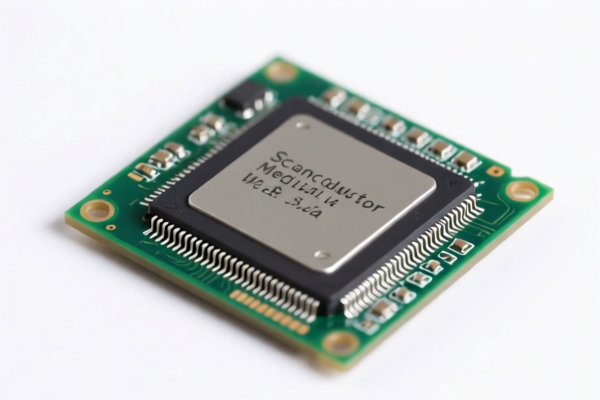


AI Analysis
🧪 Specialized Cards for Test Kits (Immunoassay & Diagnostic Lateral Flow Cards)
🌐 HS Code Reference & Customs Clearance Guide | 2026 Latest Tariff Analysis | Professional Clearance Strategy
📌 I. Product Definition & Classification: Do You Really Understand "Test Kit Cards"?
Specialized cards for test kits, often referred to as Lateral Flow Device (LFD) Cards or Immunoassay Strips/Cassettes, are the core consumables in rapid diagnostic testing. In international trade, they fall into two main categories depending on their nature and intended use:
Diagnostic Reagents (Medical/Diagnostic Purpose): Cards containing antibodies, antigens, or enzymes specifically designed to detect diseases, pathogens, or biomarkers in patients or samples. These are classified under Chapter 30 (Pharmaceutical Products).
Laboratory/Analytical Reagents (General Lab Use): Cards used for general quality control, environmental testing, or non-medical laboratory analysis. These are classified under Chapter 38 (Miscellaneous Chemical Products).
⚠️ Key Distinction Point:
- If the card is intended for medical diagnosis of patients (e.g., HIV, pregnancy, infectious diseases) →归入 Chapter 30 (e.g.,3006.30or3002.15).
- If the card is for general laboratory research or non-medical testing (e.g., heavy metal detection, generic chemical analysis) →归入 Chapter 38 (e.g.,3822.19).
📦 II. HS Code Classification Details (2026 Latest Tariff Authority Comparison)
Based on the provided data, here are the five potential HS Codes for "Specialized Cards for Test Kits":
| HS Code | Product Description | Application Scenario | Classification Logic |
|---|---|---|---|
3822.19.00.80 |
Other diagnostic or laboratory reagents (except those of heading 3002, 3005, or 3006) | General lab reagents, non-medical test cards | ✅ Classified under "Other" in Chapter 38, no material conflict. |
3006.30.50.00 |
Diagnostic preparations for medical purposes (not elsewhere specified) | Medical diagnostic kits for patient use | ✅ Intended for patient diagnosis, no material conflict. |
3006.30.10.00 |
Diagnostic preparations for X-ray or similar diagnostic procedures | Cards used in conjunction with X-ray or related diagnostic imaging | ✅ Inferred X-ray/diagnostic use, no material/shape conflict. |
3822.19.00.30 |
Laboratory reagents containing antigens or antiserums | Immunological test cards with specific antigens/antibodies | ✅ Inferred antigen/antibody content, no material conflict. |
3002.15.00.91 |
Other immunological products (blood fractions, antisera, etc.) | Immunological制品 used in testing | ✅ Fits "Other immunological products" logic, no conflict. |
🔍 Key Reminder:
- Medical vs. Non-Medical: The biggest risk is misclassifying a medical diagnostic card as a general lab reagent (Chapter 38 instead of Chapter 30). This can lead to penalties.
- Antigen/Antibody Content: Cards containing specific antibodies or antigens may fall under3002.15(Immunological products) or3822.19.00.30(Reagents with antigens), depending on regulatory status.
💰 III. 2026 Latest Tariff Rate Details (Including Additional Taxes)
✅ Applicable Country: United States (US)
✅ Origin: China (CN)
✅ Effective Date: From November 10, 2025 (including subsequent imports)
🎯 1. 3822.19.00.80 —— Other Diagnostic or Laboratory Reagents (Chapter 38)
| Item | Content |
|---|---|
| Base Tariff | 0% (ad valorem) |
| USITC Additional Tax | 0% (No 301 Tariff applied to this specific subheading) |
| IEEPA Additional Tax | +10% (China/HK products, effective Nov 10, 2025) |
| Total Tariff Rate | 10.0% |
| Tax Calculation | CIF Value × 10% |
| De Minimis Exemption | ❌ Not Applicable (Deny de minimis for China-origin goods under IEEPA) |
| Legal Basis Path | IEEPA:9903.01.24 → USITC:3822.19.00.80 |
📌 Explanation:
- Base rate is 0%.
- 122-Clause Tariff (IEEPA 10%) applies to all China-origin goods in this category.
- No 301 Section 301 tariff is applied to this specific subheading, making it lower risk than many electronics.
🎯 2. 3006.30.50.00 —— Diagnostic Preparations for Medical Purposes (Chapter 30)
| Item | Content |
|---|---|
| Base Tariff | 0% |
| USITC Additional Tax | 0% |
| IEEPA Additional Tax | +10% |
| Total Tariff Rate | 10.0% |
| Tax Calculation | CIF Value × 10% |
| De Minimis Exemption | ❌ Not Applicable |
| Legal Basis Path | IEEPA:9903.01.24 → USITC:3006.30.50.00 |
📌 Explanation:
- Medical diagnostic cards also benefit from a 0% base rate.
- 10% IEEPA tariff applies.
- Total 10% is consistent across most test kit categories in this dataset.
🎯 3. 3006.30.10.00 —— Diagnostic Preparations for X-ray/Similar Use
| Item | Content |
|---|---|
| Base Tariff | 0% |
| USITC Additional Tax | 0% |
| IEEPA Additional Tax | +10% |
| Total Tariff Rate | 10.0% |
| Tax Calculation | CIF Value × 10% |
| De Minimis Exemption | ❌ Not Applicable |
| Legal Basis Path | IEEPA:9903.01.24 → USITC:3006.30.10.00 |
📌 Note:
- Specific use (X-ray/diagnostic imaging) does not change the tariff structure significantly.
- 10% total remains the standard for China-origin diagnostic reagents.
🎯 4. 3822.19.00.30 —— Laboratory Reagents Containing Antigens/Antiserum
| Item | Content |
|---|---|
| Base Tariff | 0% |
| USITC Additional Tax | 0% |
| IEEPA Additional Tax | +10% |
| Total Tariff Rate | 10.0% |
| Tax Calculation | CIF Value × 10% |
| De Minimis Exemption | ❌ Not Applicable |
| Legal Basis Path | IEEPA:9903.01.24 → USITC:3822.19.00.30 |
📌 Explanation:
- If the card contains antigens or antiserum, it may fall here.
- Still subject to 10% IEEPA tariff.
🎯 5. 3002.15.00.91 —— Other Immunological Products
| Item | Content |
|---|---|
| Base Tariff | 0% |
| USITC Additional Tax | 0% |
| IEEPA Additional Tax | +10% |
| Total Tariff Rate | 10.0% |
| Tax Calculation | CIF Value × 10% |
| De Minimis Exemption | ❌ Not Applicable |
| Legal Basis Path | IEEPA:9903.01.24 → USITC:3002.15.00.91 |
📌 Note:
- Classified as "Other immunological products."
- 10% total tariff applies.
🛠️ IV. Customs Clearance Practical Advice (Real-World Pitfall Avoidance)
✅ 1. Required Documentation Checklist (Non-Negotiable)
| Document | Mandatory? | Description |
|---|---|---|
| ✅ Product Specification Sheet | ✔️ | Must include composition, intended use (medical vs. lab), and detection method. |
| ✅ Medical Device Clearance (FDA 510k/K) or Lab Use Declaration | ✔️ | Critical for distinguishing Chapter 30 (Medical) vs. Chapter 38 (Lab). |
| ✅ Product Photos (Packaging & Labeling) | ✔️ | Must show "In Vitro Diagnostic" or "For Research Use Only" clearly. |
| ✅ Certificate of Analysis (CoA) | ✔️ | Proves antigen/antibody content if claiming 3822.19.00.30 or 3002.15. |
| ✅ Commercial Invoice | ✔️ | Must accurately describe product as "Immunoassay Card" or "Diagnostic Strip." |
| ✅ Certificate of Origin (CO) | ✔️ | Required for IEEPA tariff calculation. |
| ✅ Packing List | ✔️ | Details packaging to ensure no misclassification of accessories. |
✅ 2. Declaration Tips (Key Mantra)
🔥 "Medical Use? Chapter 30. Lab Use? Chapter 38. Antigen? Specific Subheading. Always 10% IEEPA!"
| Scenario | Correct Declaration | Incorrect Action |
|---|---|---|
| Medical Diagnostic Card (e.g., HIV, Flu) | 3006.30.50.00 or 3006.30.10.00 |
Misclassify as "Lab Reagent" (3822) → Potential FDA/Customs conflict. |
| Research-Only Card (No medical claims) | 3822.19.00.80 or 3822.19.00.30 |
Claiming medical use without FDA clearance → Seizure Risk. |
| Card with Antigen/Antibody | 3822.19.00.30 or 3002.15.00.91 |
General "Reagent" → May trigger additional scrutiny. |
| Complete Kit (Card + Buffer + Tube) | Declare as Whole Kit | Splitting declaration → Complex tariff calculation. |
✅ 3. Special Circumstances Handling
| Situation | Recommendation |
|---|---|
| OEM/Private Label Cards | Provide authorization letter and labeling proof to avoid "Unknown Origin" issues. |
| Mixed Packaging (Medical + Lab) | Separate declaration required. Medical items must have FDA status. |
| Cards with Expiry Date | Ensure shelf life is >6 months upon import to avoid "Expired Goods" rejection. |
| Immunological Cards (Antibody/Antigen) | Provide Certificate of Analysis to justify 3002.15 or 3822.19.00.30. |
🌍 V. Global Market Comparison (2026 Latest)
| Country/Region | Recommended HS Code | Tariff (China Origin) | Certification Required | Notes |
|---|---|---|---|---|
| 🇺🇸 USA | 3006.30.50.00 / 3822.19.00.80 |
10% (IEEPA) | FDA 510k (if medical) / Lab Use Proof | No 301 tariff on these specific subheadings. |
| 🇨🇳 China | 3006.30.50.00 |
5% | NMPA Registration (if medical) | Lower base rate, but regulatory hurdles high. |
| 🇪🇺 EU | 3006.30.50.00 |
0% (if CE MDR compliant) | CE Mark (MDR/IVDR) | IVDR classification critical for medical cards. |
| 🇬🇧 UK | 3006.30.50.00 |
0% (if UKCA compliant) | UKCA Mark | Post-Brexit regulations mirror EU but require UK certification. |
| 🇦🇺 Australia | 3006.30.50.00 |
5% | TGA Registration | 10% IEEPA does not apply. |
📌 Conclusion:
- USA: 10% IEEPA tariff is unavoidable for China-origin goods. No 301 tariff makes it more favorable than electronics.
- EU/UK: Zero base tariff, but IVDR/UKCA compliance is stricter and more costly.
- Recommendation: For USA, ensure accurate medical vs. lab classification to avoid FDA/Customs dual penalties.
📌 VI. Common Mistakes & Pitfall Avoidance (Lessons Learned)
❌ Mistake 1: Declaring Medical Diagnostic Cards as "General Lab Reagents" (3822)
👉 Consequence: FDA may flag for unapproved medical devices; Customs may impose penalties for misdeclaration.
❌ Mistake 2: Not providing FDA 510k Number for medical cards
👉 Consequence: Clearance delay or seizure if FDA requests proof of medical clearance.
❌ Mistake 3: Using vague terms like "Test Strip" without specifying Antigen/Antibody Content
👉 Consequence: Customs may reclassify under a higher-duty subheading or request additional documentation.
❌ Mistake 4: Assuming De Minimis (Section 321) applies to China-origin goods
👉 Consequence: No De Minimis for IEEPA-covered goods. Even small shipments are subject to 10% tariff.
✅ Correct Practice:
"In Vitro Diagnostic Immunoassay Card, For HIV Testing, Contains Monoclonal Antibodies, FDA 510(k) Cleared, Model XYZ, Country of Origin: China"
🎯 VII. Conclusion: Precise Classification, Smooth Clearance, Cost Efficiency
🎯 Remember the Mantra:
🔹 "Medical = Chapter 30, Lab = Chapter 38. Antigen? Check Subheading. Always 10% IEEPA for China!"
🔹 "HS Code Determines Duty, Accuracy Saves Money, Misdeclaration Costs Thousands!"
📌 Pro Tip:
If your cards are manufactured in Vietnam, Malaysia, or Thailand, you may avoid the 10% IEEPA tariff entirely (Tariff 0-5%).
Recommend Applying for Advance Ruling to confirm HS Code before shipment.
📣 Immediate Action:
📞 Contact a licensed customs broker + Provide FDA/IVDR Documentation + Apply for HS Code Advance Ruling
🚀 Ensure your test cards pass customs smoothly, meet regulatory standards, and maximize profit margins!
✨ Professional Clearance Starts with Precise Classification!
💼 Every Penny of Cost Deserves Accurate Calculation!
Customer Reviews
About HS Code Classification
The Harmonized System (HS) is an internationally standardized nomenclature developed by the World Customs Organization (WCO) to classify traded products. Over 200 countries use the HS system as the basis for customs tariffs, trade statistics, and import/export regulations.
Each HS code follows a hierarchical structure:
- Chapter (2 digits) — Broad category of goods (e.g., Chapter 84: Machinery and Mechanical Appliances)
- Heading (4 digits) — More specific grouping within the chapter
- Subheading (6 digits) — Internationally standardized breakdown, used by all WCO member countries
- National subdivisions (8-10 digits) — Country-specific extensions for further classification, such as US HTSUS 10-digit codes
Correct HS code classification is essential for smooth customs clearance, accurate duty payment, and compliance with trade regulations. Misclassification can lead to customs delays, overpayment of duties, or penalties.
When importing from CN to US, the applicable tariff rates may include:
- Most-Favored-Nation (MFN) rate — The standard duty rate applied to WTO members
- General rate — Applied to countries without trade agreements
- Trade remedy duties — Additional tariffs such as Section 301 (anti-dumping), Section 232 (national security), or countervailing duties
The information provided on this page is for reference purposes only. For official classification, please consult with your local customs authority or a licensed customs broker.