Spectacle frames
CN → US| HS Code | Tariff Rate | Origin | Destination | Doc |
|---|---|---|---|---|
| 9013809100 | 22.0% | CN | US | Official Doc |
| 9013908000 | 89.5% | CN | US | Official Doc |
| 9021908100 | 10.0% | CN | US | Official Doc |
| 9021390000 | 10.0% | CN | US | Official Doc |
| 9021390000 | 10.0% | CN | US | Official Doc |
Product Images
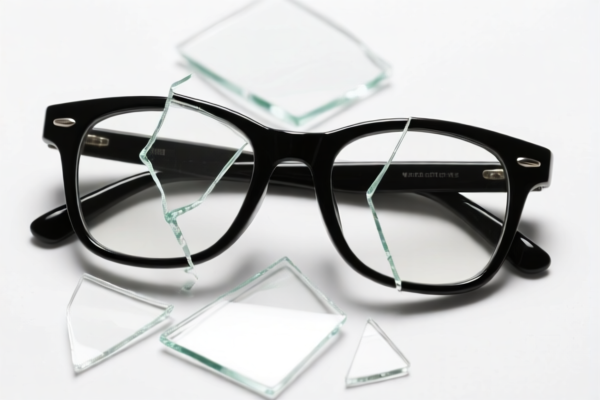
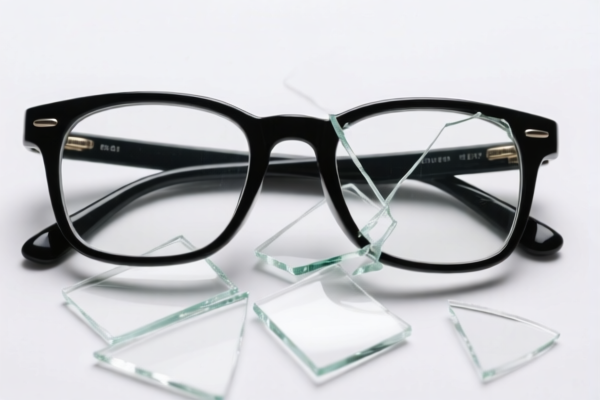
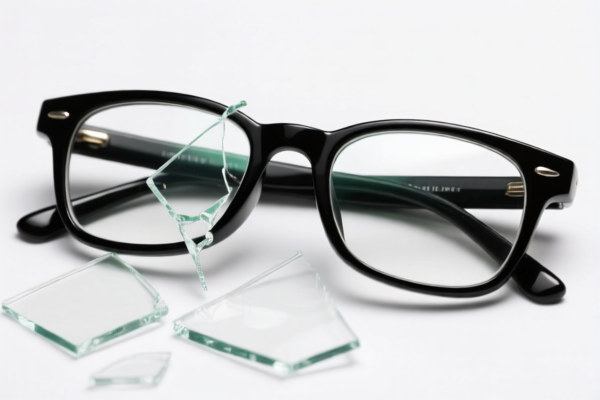
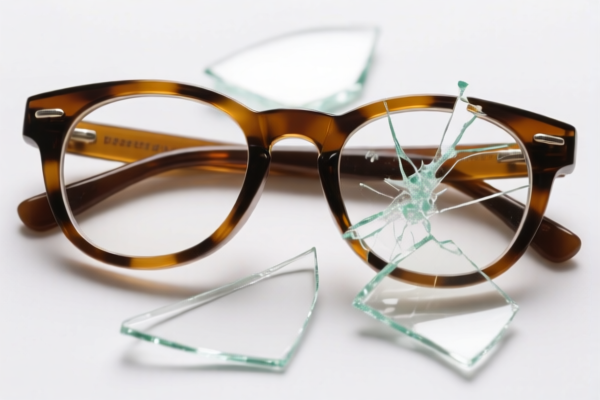
AI Analysis
🕶️ Spectacle Frames (Eyewear Frames)
🌐 HS Code Reference & Clearance Guide | 2026 Latest Tariff Analysis | Professional Compliance Strategy
📌 I. Product Definition: What Are "Spectacle Frames"?
Spectacle frames (commonly referred to as "eye frames" or "glasses frames") are structural components designed to hold corrective or non-corrective lenses in front of the eyes. In international trade, they are primarily categorized based on their function (optical instrument component vs. medical orthopedic device) and composition.
The data provided suggests four potential classifications. The correct classification depends heavily on whether the frame is viewed as a part of an optical instrument (like a laser or specific optical device) or as an orthopedic/prosthetic device for the human body.
⚠️ Key Distinction:
- If the frame is considered a component of a generic optical instrument (Section 9013), it faces significantly higher tariffs due to "Section 301" and "122" trade restrictions.
- If the frame is classified as an orthopedic appliance or body part (Section 9021), it benefits from much lower base duties (0%), though some附加 taxes may still apply depending on specific interpretations.
📦 II. HS Code Classification Matrix (2026 Latest Tariff Data)
Based on the provided dataset, here are the four potential HS Codes, their logical justifications, and tax implications.
| HS Code | Category Description | Logical Basis from Data |
|---|---|---|
9013.80.91.00 |
Other lasers and other optical appliances | Inferred as a component of "other optical appliances" (glasses frames). No material/shape conflict. |
9013.90.80.00 |
Other parts and accessories | Classified as a "part/accessory" of optical instruments (lasers/optical devices). |
9021.90.81.00 |
Other orthopedic appliances; parts & accessories | Inferred as a device for compensating/fixing body parts. Fits under "body parts and their accessories." |
9021.39.00.00 |
Artificial body parts & parts | Inferred as a support/auxiliary part for the human facial structure (eye socket area). |
🔍 Critical Analysis:
-9013Codes (Optical): Carry high tariffs (22% and 89.5%). This classification assumes the frame is an accessory to a broader optical instrument system.
-9021Codes (Orthopedic/Medical): Carry significantly lower base tariffs (10% total). This classification assumes the frame is a prosthetic or supportive device for the body.
- Material Note: The data explicitly states "no material conflict" for plastic or metal frames, meaning material alone does not determine the code; function is key.
💰 III. Detailed Tariff Breakdown (Including Surcharges & Policy Add-ons)
✅ Applicable Country: USA (US)
✅ Origin: China (CN)
✅ Effective Date: Post-November 10, 2025
🎯 1. 9013.80.91.00 — Other Optical Appliances
| Item | Detail |
|---|---|
| Base Duty | 4.5% |
| Trade War Tariff (Section 301) | +7.5% (Note: Data specifies 7.5%, not the standard 25%) |
| Section 122 Tariff | +10% |
| Total Tariff Rate | 22.0% |
| Tax Detail | Base: 4.5% + Added: 7.5% + 122 Clause: 10% |
| Legal Path | USITC:9013.80.91.00 → Trade Restrictions: 7.5% + 122 Clause: 10% |
📌 Explanation:
This classification treats the frame as a general optical appliance. While the base duty is moderate, the additional 7.5% and 10% surcharges bring the total cost to 22%.
🎯 2. 9013.90.80.00 — Other Parts & Accessories
| Item | Detail |
|---|---|
| Base Duty | 4.5% |
| Trade War Tariff (Section 301) | +25.0% (Standard high tariff) |
| Section 122 Tariff | +10% |
| Material-Specific Tariff | +50% (If Steel, Aluminum, or Copper) |
| Total Tariff Rate | 89.5% (Standard) / 139.5% (If Steel/Al/Cu) |
| Tax Detail | Base: 4.5% + Added: 25% + 122 Clause: 10% + Material: 50% |
| Legal Path | USITC:9013.90.80.00 → Section 301: 25% + 122 Clause: 10% + Material: 50% |
📌 Warning:
- This is the most expensive classification.
- If the frame is made of Steel, Aluminum, or Copper, an additional 50% is applied, leading to a total tariff of nearly 140%.
- This classification is risky for "parts/accessories" unless the material is specifically excluded from the 50% surcharge.
🎯 3. 9021.90.81.00 — Other Orthopedic Appliances
| Item | Detail |
|---|---|
| Base Duty | 0.0% |
| Trade War Tariff (Section 301) | 0.0% |
| Section 122 Tariff | +10% |
| Total Tariff Rate | 10.0% |
| Tax Detail | Base: 0% + Added: 0% + 122 Clause: 10% |
| Legal Path | USITC:9021.90.81.00 → 122 Clause: 10% |
📌 Advantage:
- Base and Section 301 duties are exempt.
- Only the 10% Section 122 tariff applies.
- This is the most cost-effective option if the "orthopedic/body part" classification is accepted by Customs.
🎯 4. 9021.39.00.00 — Artificial Body Parts & Parts
| Item | Detail |
|---|---|
| Base Duty | 0.0% |
| Trade War Tariff (Section 301) | 0.0% |
| Section 122 Tariff | +10% |
| Total Tariff Rate | 10.0% |
| Tax Detail | Base: 0% + Added: 0% + 122 Clause: 10% |
| Legal Path | USITC:9021.39.00.00 → 122 Clause: 10% |
📌 Advantage:
- Identical tax structure to9021.90.81.00.
- Classified as a part of an "artificial body part" or facial support.
- No material-based surcharges (unlike9013.90.80.00).
🛠️ IV. Clearance Practical Advice (Avoiding Pitfalls)
✅ 1. Documentation Checklist
| Document | Required? | Purpose |
|---|---|---|
| Product Specification Sheet | ✔️ | Define material (Plastic/Metal) and function (Cosmetic/Medical). |
| Function Declaration | ✔️ | Explicitly state if used for "optical correction" vs. "facial support/orthopedic." |
| Material Composition Certificate | ✔️ | Crucial to avoid the 50% surcharge on Steel/Al/Cu in HS 9013.90.80.00. |
| Commercial Invoice | ✔️ | Must clearly describe the item as "Spectacle Frames" or "Eyewear Parts." |
| Packing List | ✔️ | List components separately if sold as kits (lenses vs. frames). |
✅ 2. Strategic Classification Tips
🔥 “Choose 9021 for Savings, Avoid 9013 for Parts!”
| Scenario | Recommended HS Code | Total Tax | Why? |
|---|---|---|---|
| Plastic Frames | 9021.39.00.00 or 9021.90.81.00 |
10% | No Section 301 tax; only 10% Section 122. |
| Metal Frames (Non-Steel/Al/Cu) | 9021.39.00.00 |
10% | Avoids the 50% material surcharge found in 9013.90.80.00. |
| Steel/Aluminum/Copper Frames | 9021.39.00.00 |
10% | Critical: Do NOT use 9013.90.80.00 as it triggers +50%. |
| Optical Component (Integrated) | 9013.80.91.00 |
22% | Only if the frame is part of a complex optical device, not just eyewear. |
✅ 3. Special Cases & Warnings
| Case | Handling Advice |
|---|---|
| Misclassification Risk | Declaring as 9021 when it is clearly an optical instrument part may lead to audits. Ensure the "body part/support" function is justified. |
| Material Surcharge Trap | If you classify under 9013.90.80.00, ensure the material is NOT Steel, Aluminum, or Copper, or face a 139.5% tariff. |
| Section 122 Applicability | All classes in the data include a 10% Section 122 tariff. This is a fixed cost regardless of the 90xx chapter choice. |
| No De Minimis | These goods cannot use the de minimis exemption (small package rule) due to the high tariff rates and trade restrictions. |
🌍 V. Global Market Comparison (2026)
| Country/Region | Recommended HS | Est. Total Duty (China Origin) | Notes |
|---|---|---|---|
| 🇺🇸 USA | 9021.39.00.00 |
10% | Best option. Avoids high Section 301 duties if classified as orthopedic/part. |
| 🇺🇸 USA | 9013.80.91.00 |
22% | Higher cost. Used if optical instrument classification is mandatory. |
| 🇺🇸 USA | 9013.90.80.00 |
89.5% - 139.5% | AVOID unless necessary. Extremely high due to Section 301 and Material surcharges. |
| 🇪🇺 EU | 9003.19.10 |
0-4.5% | Different HS system. Generally lower tariffs. |
| 🇨🇳 China | 9003.19 |
4.5-6.5% | Domestic import duty. |
📌 Conclusion for US Imports:
The9021series (Orthopedic/Body Parts) offers a 79.5% tax savings compared to the most expensive9013classification. However, it requires strong justification that the frame is a "body part support" rather than just an "optical instrument part."
📌 VI. Common Mistakes & Pitfalls
❌ Mistake 1: Classifying metal frames under 9013.90.80.00
👉 Consequence: If made of Steel/Al/Cu, you pay 139.5% tariff.
✅ Fix: Classify under 9021.39.00.00 for 10% tariff.
❌ Mistake 2: Ignoring the "Section 122" Tariff
👉 Consequence: Expecting 0% tax under 9021.
✅ Fix: Remember that all options in this dataset include a 10% Section 122 tariff. The savings come from avoiding the 25% Section 301 tax.
❌ Mistake 3: Splitting the Frame and Lenses Incorrectly
👉 Consequence: If lenses are declared separately, they may fall under different tax brackets.
✅ Fix: Ensure consistent HS codes or clearly separate the value in the invoice if different codes apply.
🎯 VII. Final Recommendation
🎯 Strategic Takeaway:
"Aim for 9021, Dodge 9013 Parts!"
- Best Cost:
9021.39.00.00or9021.90.81.00(10% Total) - Moderate Cost:
9013.80.91.00(22% Total) - Highest Cost:
9013.90.80.00(89.5% - 139.5% Total)
📌 Action Plan:
1. Confirm Material: If Steel/Al/Cu, DO NOT use 9013.90.80.00.
2. Justify Function: Prepare documentation stating the frame is a "facial support/orthopedic appliance" to support 9021 classification.
3. Calculate Total Landed Cost: Include the 10% Section 122 tariff in all calculations.
4. Pre-Ruling: Consider applying for an Advance Ruling from US Customs to confirm the 9021 classification is accepted for your specific product.
✨ Professional Clearance, Precise Classification!
💼 Save 79.5% on Tariffs by Choosing the Right HS Code!
Customer Reviews
About HS Code Classification
The Harmonized System (HS) is an internationally standardized nomenclature developed by the World Customs Organization (WCO) to classify traded products. Over 200 countries use the HS system as the basis for customs tariffs, trade statistics, and import/export regulations.
Each HS code follows a hierarchical structure:
- Chapter (2 digits) — Broad category of goods (e.g., Chapter 84: Machinery and Mechanical Appliances)
- Heading (4 digits) — More specific grouping within the chapter
- Subheading (6 digits) — Internationally standardized breakdown, used by all WCO member countries
- National subdivisions (8-10 digits) — Country-specific extensions for further classification, such as US HTSUS 10-digit codes
Correct HS code classification is essential for smooth customs clearance, accurate duty payment, and compliance with trade regulations. Misclassification can lead to customs delays, overpayment of duties, or penalties.
When importing from CN to US, the applicable tariff rates may include:
- Most-Favored-Nation (MFN) rate — The standard duty rate applied to WTO members
- General rate — Applied to countries without trade agreements
- Trade remedy duties — Additional tariffs such as Section 301 (anti-dumping), Section 232 (national security), or countervailing duties
The information provided on this page is for reference purposes only. For official classification, please consult with your local customs authority or a licensed customs broker.