Spice Jar Wall Panel Base
CN → US| HS Code | Tariff Rate | Origin | Destination | Doc |
|---|---|---|---|---|
| 7323999080 | 88.4% | CN | US | Official Doc |
| 3924101000 | 13.4% | CN | US | Official Doc |
| 3924104000 | 13.4% | CN | US | Official Doc |
Product Images
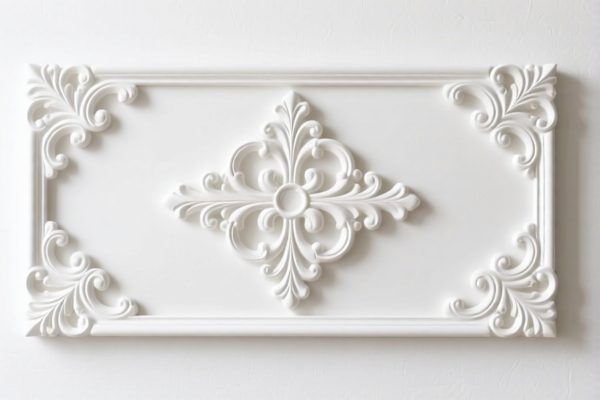
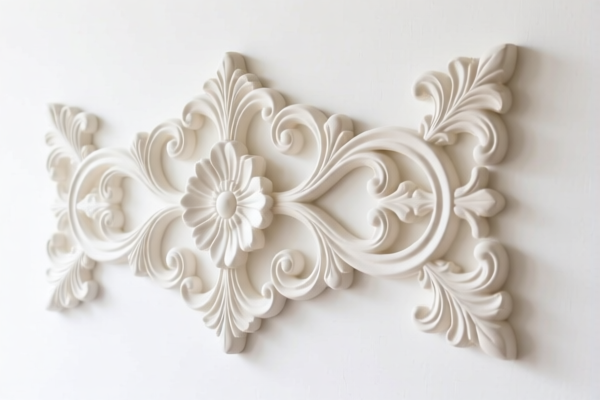
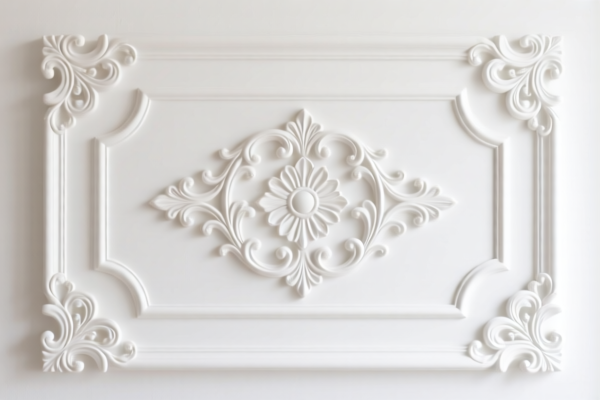
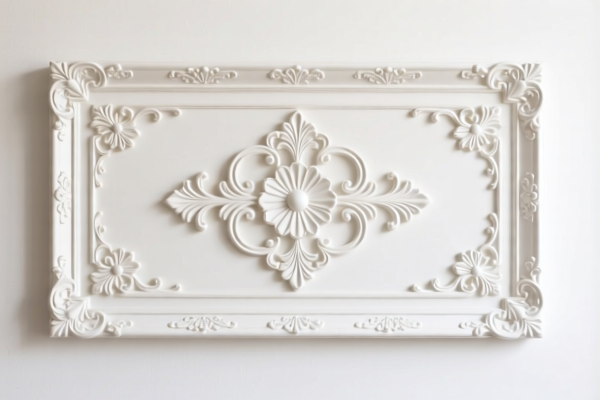
AI Analysis
🏺 Spice Jar Wall Panel Base (Storage Organizers)
🌐 HS Code Reference & Customs Clearance Guide | 2026 Latest Tariff Analysis | Professional Compliance Strategy
📌 I. Product Definition & Classification: Do You Know What "Spice Jar Wall Panel Base" Is?
A "Spice Jar Wall Panel Base" (often referred to as a spice rack, wall-mounted storage organizer, or panel system for kitchenware) is a household article used for storing spices, condiments, or small kitchen items. In international trade, these products are typically classified based on their primary material.
The classification logic is critical: 1. Iron/Steel Articles: If the base/rack structure is made of metal (even if plastic jars are included), it often falls under Chapter 73. 2. Plastic Articles: If the entire unit (including the base and jars) is made of plastic, it falls under Chapter 39. 3. Mixed Materials: If the base is metal and jars are plastic, the classification depends on the essential character (usually the metal structure dominates for "household articles").
⚠️ Key Distinction Point:
- If the item is primarily a metal rack/base holding containers → Chapter 73.
- If the item is primarily a plastic container/organizer → Chapter 39.
- Note: The provided data only contains specific HS codes for Steel/Iron household articles and Plastic tableware. We will map your product to these specific codes.
📦 II. HS Code Classification Details (Based on Provided Data)
According to the provided <DATA>, the product can be classified into two main categories depending on its material composition.
Option A: Metal Base Structure (Iron/Steel)
If the "Wall Panel Base" is made of iron or steel (e.g., a metal rack, hooks, or frame for holding spice jars):
| HS Code | Product Description | Application Scenario | Material Key |
|---|---|---|---|
7323.99.90.30 |
Table, kitchen or other household articles... of iron or steel... Other... Not coated or plated with precious metal: Other... Kitchen or tableware suitable for food or drink contact | Metal spice racks, steel wall-mounted holders, steel pot scourers | ✅ Iron/Steel |
7323.99.90.80 |
Table, kitchen or other household articles... of iron or steel... Other... Other... | Generic iron/steel household items (broader category) | ✅ Iron/Steel |
🔍 Focus:
-7323.99.90.30is the most precise fit for "Kitchen/tableware suitable for food contact" if the metal base is used in a kitchen context.
-7323.99.90.80is a fallback for general iron/steel household articles not specifically coated with precious metals.
Option B: Plastic Structure (Entire Unit or Primary Material)
If the "Wall Panel Base" and/or the spice jars are made of plastic:
| HS Code | Product Description | Application Scenario | Material Key |
|---|---|---|---|
3924.10.10.00 |
Tableware, kitchenware... of plastics: Salt, pepper, mustard and ketchup dispensers and similar dispensers | Plastic spice dispensers, plastic condiment bottles with caps | ✅ Plastic |
3924.10.40.00 |
Tableware, kitchenware... of plastics: Other | Generic plastic spice jars, plastic wall organizers, plastic storage bins | ✅ Plastic |
🔍 Focus:
-3924.10.10.00is specific if the item is a dispenser (e.g., a shaker or bottle with a spout).
-3924.10.40.00is the best fit for generic plastic spice jars or plastic wall panels that do not have dispensing mechanisms.
💰 III. 2026 Latest Tariff Rate Details (Detailed Breakdown)
✅ Applicable Country: USA (US)
✅ Origin: China (CN) (Assumed based on typical trade data context; verify if origin differs)
✅ Effective Date: 2025/2026 (As per provided data)
🎯 1. 7323.99.90.30 / 7323.99.90.80 —— Iron/Steel Household Articles
| Item | Content |
|---|---|
| Base Tariff | 3.4% (Ad Valorem) |
| Additional Tariff (Section 301) | +25.0% (Steel/Aluminum/Copper Products) |
| Additional Tariff (IEEPA/Special) | +50% (Specific Steel/Aluminum/Copper Levy) |
| Total Tax Rate | 78.4% |
| Tax Calculation | CIF Value × 78.4% |
| De Minimis Exemption | ❌ Not Applicable (High value/tariff items usually exempt from de minimis benefits) |
| Legal Basis | Base Tariff + Section 301 (25%) + Special Steel/Aluminum Levy (50%) |
📌 Explanation:
- The 78.4% rate is extremely high. It combines the base 3.4%, a 25% Section 301 tariff, and a 50% additional levy for steel/aluminum/copper products.
- Critical Warning: If your product contains any significant iron/steel component (like the wall panel base itself), it may trigger this high tariff bracket.
- "Not coated or plated with precious metal": Ensure the steel is standard, not plated with gold/silver, to avoid different classification.
🎯 2. 3924.10.10.00 —— Plastic Dispensers
| Item | Content |
|---|---|
| Base Tariff | 3.4% |
| Additional Tariff | 0.0% |
| Total Tax Rate | 3.4% |
| Tax Calculation | CIF Value × 3.4% |
| De Minimis Exemption | ✅ Possible (If under $800 and not restricted) |
| Legal Basis | Standard Tariff |
📌 Explanation:
- Only 3.4% total tax.
- This is the most cost-effective classification if the product can be legally classified as plastic.
- No additional Section 301 or special steel levies apply to pure plastic tableware.
🎯 3. 3924.10.40.00 —— Other Plastic Kitchenware
| Item | Content |
|---|---|
| Base Tariff | 3.4% |
| Additional Tariff | 0.0% |
| Total Tax Rate | 3.4% |
| Tax Calculation | CIF Value × 3.4% |
| De Minimis Exemption | ✅ Possible |
| Legal Basis | Standard Tariff |
📌 Explanation:
- Also 3.4% total tax.
- Ideal for generic plastic spice jars or non-dispensing plastic organizers.
🛠️ IV. Customs Clearance Practical Advice (Pitfall Avoidance Guide)
✅ 1. Material Composition Declaration (Most Critical)
| Scenario | Recommended HS Code | Reason |
|---|---|---|
| Metal Rack + Plastic Jars | 7323.99.90.30 or 7323.99.90.80 |
The "essential character" is often the metal rack. Risk: 78.4% Tariff |
| All Plastic (Jars + Wall Mount) | 3924.10.40.00 |
Entirely plastic. Benefit: 3.4% Tariff |
| Plastic Dispenser Bottles | 3924.10.10.00 |
Specific to dispensers. Benefit: 3.4% Tariff |
📌 Strategy:
- If possible, design the product as 100% plastic (including the wall mount/base) to qualify for the 3.4% rate.
- If metal is necessary, be prepared for the 78.4% tariff. Consider if the profit margin can absorb this cost.
✅ 2. Documentation Requirements
| Document | Must Provide | Description |
|---|---|---|
| ✅ Product Photo | ✔️ | Clear view of material (metal vs. plastic), hooks, jars. |
| ✅ Bill of Materials (BOM) | ✔️ | List % of steel vs. plastic. |
| ✅ Commercial Invoice | ✔️ | Clearly state "Plastic Spice Jars" or "Steel Wall Rack". Avoid vague terms like "Household Item". |
| ✅ Material Declaration | ✔️ | Signed statement confirming material composition. |
| ✅ FCC/CE Certs | If Electronic | If the wall panel has LED lights, FCC/CE is required. |
✅ 3. Classification Logic for Customs Brokers
🔥 "Material Defines Duty, 3.4% vs 78.4%!"
| Mistake | Consequence |
|---|---|
| Declaring a Steel Rack as "Plastic Organizer" | Fraud Risk. Customs may inspect, find steel, and impose penalties + back taxes. |
| Declaring a Plastic Jar as "Steel Article" | Overpaying Taxes. Unnecessarily paying 78.4% instead of 3.4%. |
| Vague Description: "Kitchen Storage" | Customs Delay. Requires further inquiry, leading to demurrage fees. |
✅ Correct Description Example:
- For Plastic: "Plastic Spice Jars with Wall Mount Bracket, BPA-Free, Food Grade" → 3924.10.40.00
- For Metal: "Stainless Steel Wall-Mounted Spice Rack Holder" → 7323.99.90.30
🌍 V. Global Market Comparison (2026 Latest)
| Country/Region | Recommended HS Code | Tariff Rate | Key Certification | Note |
|---|---|---|---|---|
| 🇺🇸 USA | 3924.10.40.00 (Plastic) |
3.4% | FDA (Food Contact) | Avoid Steel due to 78.4% tariff |
| 🇺🇸 USA | 7323.99.90.30 (Steel) |
78.4% | FDA (Food Contact) | Extremely high duty for steel |
| 🇪🇺 EU | 3924.10.10/40 |
0-4.7% | LFGB, REACH | Lower tariffs, strict food safety |
| 🇨🇳 China | 3924.10.40.00 |
10-13% | GB 4806 | Higher base tariff for imports |
📌 Conclusion:
- For US Import: Plastic is vastly superior to Steel in terms of tariff costs (3.4% vs 78.4%).
- If your product has a steel base, consider switching to Plastic or Bamboo alternatives to reduce costs.
- Always ensure Food Contact Material (FCM) compliance (FDA in US, LFGB in EU).
📌 VI. Common Mistakes & Pitfalls (Lessons Learned)
❌ Mistake 1: Assuming "Kitchen Item" = Low Tariff
👉 Reality: Steel kitchen items face 78.4% in the US. Plastic faces 3.4%.
❌ Mistake 2: Mixing Materials Without Declaration
👉 Reality: If a plastic jar is on a steel rack, customs may classify the entire set as steel, triggering the 78.4% rate.
👉 Solution: Ship separately or ensure the plastic component is the primary value/descriptor if allowed.
❌ Mistake 3: Ignoring "Food Contact" Regulations
👉 Reality: Spice jars touch food. If materials are not FDA-compliant, goods can be rejected or destroyed.
🎯 VII. Conclusion: Smart Classification for Maximum Profit
🎯 Key Takeaway:
🔹 "Plastic is King in the US Market" – 3.4% vs 78.4% is a massive difference.
🔹 "Steel is a Cost Trap" – Avoid steel bases for US-bound spice organizers unless the price premium justifies the 78.4% tariff.
🔹 "Declare Accurately" – Use precise descriptions: "Plastic Spice Jars" vs "Steel Spice Rack".
📌 Pro Tip:
If you must use steel, consider non-food-contact accessories (e.g., decorative wall panels) to potentially shift classification, but spice jars inherently require food-safe materials.
✅ Recommendation: Switch to Plastic or Wood/Bamboo (if applicable) to minimize US duties.
📣 Action Plan:
📞 Contact your supplier: Confirm material composition (Plastic vs. Steel).
📄 Update HS Code: Use3924.10.40.00for plastic,7323.99.90.30for steel.
🚀 Optimize Cost: Aim for the 3.4% tariff bracket by prioritizing plastic materials.
✨ Smart Classification, Lower Duties, Higher Margins!
💼 Your Product, Your Profit – Choose the Right HS Code!
Customer Reviews
About HS Code Classification
The Harmonized System (HS) is an internationally standardized nomenclature developed by the World Customs Organization (WCO) to classify traded products. Over 200 countries use the HS system as the basis for customs tariffs, trade statistics, and import/export regulations.
Each HS code follows a hierarchical structure:
- Chapter (2 digits) — Broad category of goods (e.g., Chapter 84: Machinery and Mechanical Appliances)
- Heading (4 digits) — More specific grouping within the chapter
- Subheading (6 digits) — Internationally standardized breakdown, used by all WCO member countries
- National subdivisions (8-10 digits) — Country-specific extensions for further classification, such as US HTSUS 10-digit codes
Correct HS code classification is essential for smooth customs clearance, accurate duty payment, and compliance with trade regulations. Misclassification can lead to customs delays, overpayment of duties, or penalties.
When importing from CN to US, the applicable tariff rates may include:
- Most-Favored-Nation (MFN) rate — The standard duty rate applied to WTO members
- General rate — Applied to countries without trade agreements
- Trade remedy duties — Additional tariffs such as Section 301 (anti-dumping), Section 232 (national security), or countervailing duties
The information provided on this page is for reference purposes only. For official classification, please consult with your local customs authority or a licensed customs broker.