Sponge Guard Rail
CN → US| HS Code | Tariff Rate | Origin | Destination | Doc |
|---|---|---|---|---|
| 4016996050 | 37.5% | CN | US | Official Doc |
| 9403708015 | 10.0% | CN | US | Official Doc |
| 9403708003 | 35.0% | CN | US | Official Doc |
| 4016100000 | 35.0% | CN | US | Official Doc |
| 3926909989 | 22.8% | CN | US | Official Doc |
Product Images
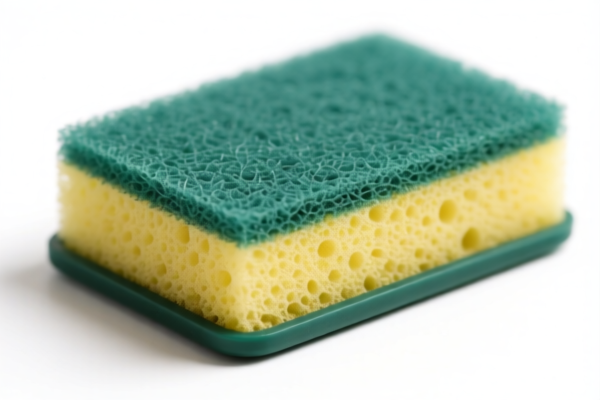
AI Analysis
🛡️ Sponge Guard Rail (Protective Foam Padding)
🌐 HS Code Reference & Customs Clearance Guide | 2026 Latest Tariff Analysis | Professional Entry Strategy
📌 I. Product Definition & Classification: What Exactly is a "Sponge Guard Rail"?
A "Sponge Guard Rail" is a versatile protective product used in industrial, commercial, and residential settings to prevent collisions, absorb impact, and protect walls, corners, or equipment. In international trade, its classification depends entirely on its material composition and primary function.
The term "Sponge" can refer to two distinct material categories in customs regulations: 1. Rubber/Elastomer: Vulcanized rubber sponges (often used for heavy-duty industrial buffering). 2. Plastic/Synthetic: Polyurethane (PU) foam, EVA, or other plastic-based foams (common in household or light commercial use).
⚠️ Key Distinction Point:
- If the material is vulcanized rubber and acts as an industrial buffer → Classified under Chapter 40 (Rubber).
- If the material is synthetic foam/plastic (like PU) → Classified under Chapter 39 (Plastics).
- If it is marketed as a furniture accessory for home protection → Potential classification under Chapter 94 (Furniture).
📦 II. HS Code Classification Details (2026 Latest Tariff Authority)
Below is the detailed breakdown of possible HS Codes based on the provided data, ranging from high-tax rubber classifications to low-tax furniture classifications.
| HS Code | Product Description | Material Basis | Tax Rate | Applicable Scenario |
|---|---|---|---|---|
4016.10.00.00 |
Sponge Rubber Products (Honeycomb/Multicellular) | Vulcanized Rubber / Elastomer | 35.0% | Industrial sponges, honeycomb rubber structures, heavy-duty buffers. |
4016.99.60.50 |
Other Vulcanized Rubber Articles | Synthetic Rubber / Vulcanized Rubber | 37.5% | Generic rubber protection items, not specifically "sponge" structure but rubber-based. |
3926.90.99.89 |
Other Plastic Articles (Catch-all) | Plastic / Synthetic Material | 22.8% | General plastic/synthetic sponge rails; catch-all category for plastic items. |
3926.90.99.40 |
Polyurethane (PU) Plastic Articles | Polyurethane (PU) Foam | 22.8% | Specifically identified as PU foam rails; falls under plastics chapters 3901-3914. |
9403.70.80.15 |
Other Furniture / Furniture Accessories | Household/Home Protection | 10.0% | Home-use protective corner guards, foam padding for furniture/walls. |
🔍 Critical Note:
- The highest tax (37.5%) applies if customs determines the material is generic vulcanized rubber (4016.99.60.50).
- The lowest tax (10.0%) is possible if the product is clearly defined as a home furniture accessory (9403.70.80.15), but this requires strong evidence of domestic/home use.
- Plastic-based sponges (PU/EVA) generally fall between 22.8% (3926.90.99.40or89).
💰 III. 2026 Latest Tariff Rate Details (Including Surtaxes & Policy Add-ons)
✅ Applicable Country: United States (US)
✅ Country of Origin: China (CN)
✅ Effective Date: From November 10, 2025 (and subsequent imports)
🎯 1. 4016.10.00.00 — Sponge Rubber Products (Rubber Category)
| Item | Content |
|---|---|
| Base Tariff | 0.0% (ad valorem) |
| USITC Surtax (Section 301) | +25.0% (Added tariff for Chinese goods) |
| IEEPA Surtax | +10.0% (Targeted tariff on Chinese/HK products effective Nov 2025) |
| Total Tariff | 35.0% |
| Tax Calculation | CIF Value × 35% |
| De Minimis Exemption | ❌ Not Eligible (deny_de_minimis) |
| Legal Basis Path | IEEPA:9903.01.25 → USITC:4016.10.00.00 → FOOTNOTE:301 |
📌 Explanation:
- Even though the base duty for sponge rubber is 0%, the Section 301 (25%) and IEEPA (10%) surcharges apply.
- Total Cost Impact: High. This classification is risky for cost-sensitive imports due to the 35% total burden.
🎯 2. 4016.99.60.50 — Other Rubber Products (Rubber Category)
| Item | Content |
|---|---|
| Base Tariff | 2.5% |
| USITC Surtax (Section 301) | +25.0% |
| IEEPA Surtax | +10.0% |
| Total Tariff | 37.5% |
| Tax Calculation | CIF Value × 37.5% |
| De Minimis Exemption | ❌ Not Eligible (deny_de_minimis) |
| Legal Basis Path | IEEPA:9903.01.24 → USITC:4016.99.60.50 |
📌 Warning:
- This is the highest tax bracket for sponge guard rails.
- It applies if the item is deemed "other rubber articles" not specifically classified as sponge/honeycomb.
- Recommendation: Avoid this code unless the material is definitively rubber and not eligible for better classification.
🎯 3. 3926.90.99.89 & 3926.90.99.40 — Plastic/Synthetic Sponge Rails
| Item | Content |
|---|---|
| Base Tariff | 5.3% |
| USITC Surtax (Section 301) | +7.5% |
| IEEPA Surtax | +10.0% |
| Total Tariff | 22.8% |
| Tax Calculation | CIF Value × 22.8% |
| De Minimis Exemption | ❌ Not Eligible (deny_de_minimis) |
| Legal Basis Path | IEEPA:9903.01.24 → USITC:3926.90.99.x |
📌 Analysis:
- Polyurethane (PU) foam is explicitly covered under3926.90.99.40.
- General plastic/synthetic foams fall under3926.90.99.89.
- Both have the same total rate (22.8%) because the Section 301 surcharge for these plastic subheadings is 7.5%, not 25%.
- Cost Saving: This is significantly cheaper than the rubber classifications (35-37.5%).
🎯 4. 9403.70.80.15 — Furniture Accessories (Home Use)
| Item | Content |
|---|---|
| Base Tariff | 0.0% |
| USITC Surtax (Section 301) | 0.0% |
| IEEPA Surtax | +10.0% |
| Total Tariff | 10.0% |
| Tax Calculation | CIF Value × 10.0% |
| De Minimis Exemption | ❌ Not Eligible (deny_de_minimis) |
| Legal Basis Path | IEEPA:9903.01.24 → USITC:9403.70.80.15 |
📌 Strategy:
- This is the lowest tax rate.
- Risk: Customs may reject this if the product is deemed industrial rather than home-use.
- Requirement: Must clearly demonstrate it is for home furniture protection (e.g., "corner protectors for sofas/walls") with no industrial branding or heavy-duty specs.
🛠️ IV. Customs Clearance Practical Advice (Real-World Pitfall Guide)
✅ 1. Document Checklist (Mandatory)
| Document | Required? | Description |
|---|---|---|
| ✅ Product Spec Sheet | ✔️ | Must specify material: "Polyurethane (PU) Foam," "EVA," or "Vulcanized Rubber." |
| ✅ Material Certificate | ✔️ | Lab test report confirming chemical composition (Plastic vs. Rubber). |
| ✅ Product Photos | ✔️ | Show installation context (Home wall vs. Factory machine). |
| ✅ Commercial Invoice | ✔️ | Description: "PU Foam Corner Guard" or "Rubber Buffer Strip." Avoid vague terms like "Sponge." |
| ✅ Packing List | ✔️ | Detail weight, dimensions, and quantity. |
| ✅ End-Use Statement | ✔️ | Crucial for 9403.70.80.15. Declare: "For use in residential homes to protect furniture/walls." |
✅ 2. Declaration Tips (Key Mantra)
🔥 "Material Defines Code, Use Defines Tax!"
| Scenario | Correct Declaration | Wrong Declaration | Consequence |
|---|---|---|---|
| PU Foam Rail | "Polyurethane Foam Corner Protector, HS 3926.90.99.40" | "Sponge Guard" | Risk of misclassification to rubber (35%+) |
| Industrial Rubber Buffer | "Vulcanized Rubber Honeycomb Pad, HS 4016.10.00.00" | "Plastic Foam" | Fraud risk, penalties, 35% tax |
| Home Corner Guard | "Home Furniture Foam Padding, HS 9403.70.80.15" | "Industrial Safety Barrier" | Customs may upgrade tax to 22.8% or higher |
| Generic Plastic Rail | "Synthetic Plastic Protection Strip, HS 3926.90.99.89" | "Furniture Part" | Tax increase from 10% to 22.8% |
✅ 3. Special Handling for "Sponge" Ambiguity
| Issue | Solution |
|---|---|
| Customs asks: "Rubber or Plastic?" | Provide a Material Safety Data Sheet (MSDS) or lab test showing it is not vulcanized rubber. If it’s PU/EVA, insist on Chapter 39. |
| Can I use the 10% Furniture Code? | Only if the product is small, decorative, or for home use. If it’s 5cm thick industrial buffer, do not use 9403. |
| Is De Minimis (Section 321) available? | ❌ No. All HS codes listed above are excluded from de minimis exemption (deny_de_minimis). Full entry required. |
🌍 V. Global Market Comparison (2026)
| Country/Region | Recommended HS Code | Total Tariff (China Origin) | Notes |
|---|---|---|---|
| 🇺🇸 USA | 3926.90.99.40 (PU) or 9403.70.80.15 (Home) |
10% ~ 22.8% | Avoid 4016 codes if possible (35%+). |
| 🇨🇳 China | 3926.90.99 |
~5% - 7% | Low entry barrier. |
| 🇪🇺 EU | 3926.90 |
~5% | No Section 301-style surtaxes. |
| 🇬🇧 UK | 3926.90 |
~5% | Post-Brexit standard rates. |
📌 Conclusion:
- The USA is the most challenging market due to IEEPA (10%) and Section 301 (7.5%-25%) surtaxes.
- Plastic (PU) Foam is the optimal material for cost efficiency (22.8% total).
- Home-use Furniture classification offers the lowest rate (10%) but carries higher scrutiny.
📌 VI. Common Mistakes & Pitfalls (Lessons Learned)
❌ Mistake 1: Calling all sponges "Rubber"
👉 Result: Tax jumps from 22.8% to 35%. Many PU foams are mistaken for rubber. Fix: Provide chemical composition data.
❌ Mistake 2: Using "Furniture" code for industrial parts
👉 Result: Customs rejects 9403.70.80.15, reclassifies to 3926 (22.8%), and issues penalties. Fix: Match product description to use case.
❌ Mistake 3: Assuming De Minimis applies
👉 Result: Package seized at border. These HS codes are not eligible for small package exemption. Fix: Prepare full formal entry documentation.
✅ Best Practice:
"Polyurethane (PU) Foam Wall Corner Protector, for Home Use, Model SG-2026, Non-Vulcanized"
🎯 VII. Conclusion: Professional Declaration, Lower Costs, Smoother Clearance!
🎯 Remember the Mantra:
🔹 "PU Foam is Plastic (22.8%), Not Rubber (35%+)"
🔹 "Home Use is Furniture (10%), Industry is Plastic (22.8%)"
🔹 "No De Minimis! Full Entry Required!"
📌 Pro Tip:
If your sponge guard rails are made of Polyurethane (PU) and intended for home furniture protection, try to argue for 9403.70.80.15 (10%). If that is rejected, the fallback is 3926.90.99.40 (22.8%).
Avoid 4016 (Rubber) codes unless you are actually importing vulcanized rubber, as the tax burden is nearly double.
📣 Immediate Action:
📞 Contact a licensed customs broker
📄 Submit Material Test Report (PU vs. Rubber)
🚀 Apply for Pre-Ruling if importing large volumes to lock in the 10% or 22.8% rate.
✨ Professional Clearance Starts with Precise Classification!
💼 Every Percentage Point Counts in 2026 Tariffs!
Customer Reviews
About HS Code Classification
The Harmonized System (HS) is an internationally standardized nomenclature developed by the World Customs Organization (WCO) to classify traded products. Over 200 countries use the HS system as the basis for customs tariffs, trade statistics, and import/export regulations.
Each HS code follows a hierarchical structure:
- Chapter (2 digits) — Broad category of goods (e.g., Chapter 84: Machinery and Mechanical Appliances)
- Heading (4 digits) — More specific grouping within the chapter
- Subheading (6 digits) — Internationally standardized breakdown, used by all WCO member countries
- National subdivisions (8-10 digits) — Country-specific extensions for further classification, such as US HTSUS 10-digit codes
Correct HS code classification is essential for smooth customs clearance, accurate duty payment, and compliance with trade regulations. Misclassification can lead to customs delays, overpayment of duties, or penalties.
When importing from CN to US, the applicable tariff rates may include:
- Most-Favored-Nation (MFN) rate — The standard duty rate applied to WTO members
- General rate — Applied to countries without trade agreements
- Trade remedy duties — Additional tariffs such as Section 301 (anti-dumping), Section 232 (national security), or countervailing duties
The information provided on this page is for reference purposes only. For official classification, please consult with your local customs authority or a licensed customs broker.