Sponge Guardrails
CN → US| HS Code | Tariff Rate | Origin | Destination | Doc |
|---|---|---|---|---|
| 4016100000 | 35.0% | CN | US | Official Doc |
| 3926909989 | 22.8% | CN | US | Official Doc |
| 3926909940 | 22.8% | CN | US | Official Doc |
| 4016996050 | 37.5% | CN | US | Official Doc |
| 9403708015 | 10.0% | CN | US | Official Doc |
Product Images
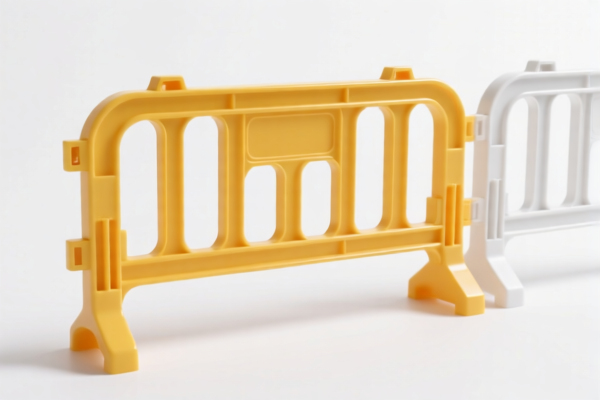
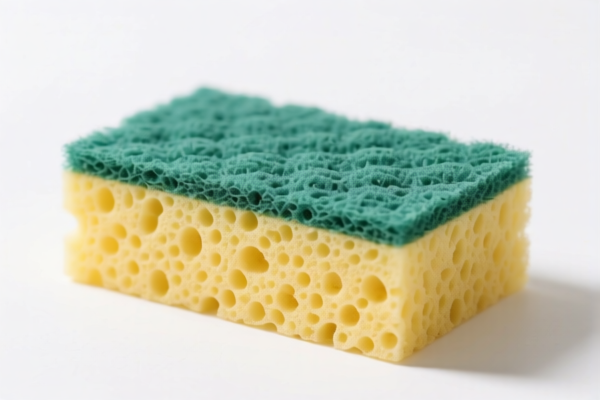
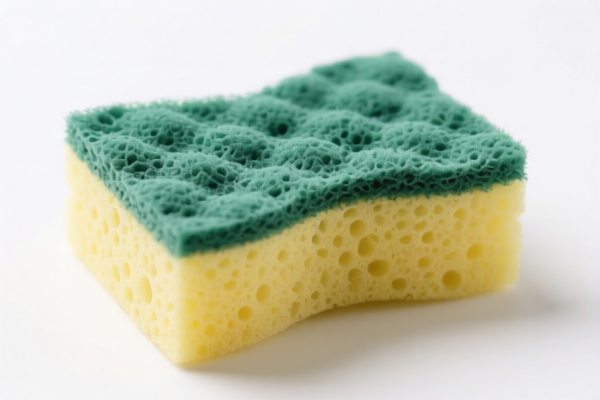

AI Analysis
🧽 Sponge Guardrails: Global Classification & 2026 Tariff Strategy Guide
🌐 HS Code Reference & Clearance Guide | 2026 Latest Tariff Analysis | Professional Entry Strategy
📌 1. Product Definition & Classification: What are "Sponge Guardrails"?
Sponge Guardrails are protective barriers designed to prevent falls, cushion impacts, or define safety zones. In international trade, their classification hinges on two critical variables: 1. Material Composition: Is it Rubber (Vulcanized/Elastomer) or Plastic (Polyurethane/Synthetic)? 2. Application Function: Is it a standalone "furniture item" or a "material制品" (article of plastic/rubber)?
⚠️ Key Classification Logic: * Rubber/Cellular Structure → Often falls under Chapter 40 (Rubber). * Plastic/Polyurethane Structure → Often falls under Chapter 39 (Plastics). * Furniture Application → If integrated as a barrier for a crib, bed, or platform, it may fall under Chapter 94 (Furniture).
📦 2. Detailed HS Code Breakdown (2026 Tariff Authority)
Based on the provided data, here is the precise breakdown for Sponge Guardrails with their specific tax implications.
| HS Code | Material/Category | Summary & Logic | Total Tax Rate (China Origin → US) |
|---|---|---|---|
4016.10.00.00 |
Vulcanized Rubber (Cellular Sponge) |
Logic: Classified as Vulcanized Rubber/Elastomer. The honeycomb/porous structure fits the definition of cellular rubber products. | 35.0% |
3926.90.99.89 |
Plastic/Synthetic (General "Other") |
Logic: Classified under "Plastics & Articles Thereof." This is the "catch-all" category for plastic sponge articles not specified elsewhere. | 22.8% |
3926.90.99.40 |
Polyurethane Plastic (Specific Sub-cat) |
Logic: Specifically covers Polyurethane sponges (Chapters 3901-3914). Applied to protective plastic articles. | 22.8% |
4016.99.60.50 |
Vulcanized Rubber (Other Protective) |
Logic: Infers rubber composition. Classified as "Other Vulcanized Rubber Articles" for protective use. | 37.5% |
9403.70.80.15 |
Furniture (Home Safety) |
Logic: Treated as Home Protective Furniture (Guardrails). Fits under "Other" furniture categories with no material conflict. | 10.0% |
💰 3. 2026 Tariff Rate Deep Dive (Detailed Breakdown)
✅ Origin: China (CN)
✅ Destination: United States (US)
✅ Effective: 2026 Tariff Regime
🎯 Category A: Rubber Products (High Risk)
Codes: 4016.10.00.00 & 4016.99.60.50
| Tax Component | Rate | Description |
|---|---|---|
| Base Duty | 0.0% / 2.5% | Standard Most-Favored-Nation (MFN) rate. |
| Section 301 / "Add-on" | 25.0% | Heavy Penalty: Section 301 Tariffs on specific Chinese goods. |
| Section 122 (New) | 10.0% | New Tariff: "Section 122" tariff added for specific Chinese imports. |
| 🚨 TOTAL EFFECTIVE RATE | 35.0% | (For 4016.10.00.00) |
| 🚨 TOTAL EFFECTIVE RATE | 37.5% | (For 4016.99.60.50) |
📌 Critical Insight: Rubber sponges are heavily targeted. The Section 301 (25%) and Section 122 (10%) surcharges make this the most expensive classification.
🎯 Category B: Plastic/Polyurethane Products (Medium Risk)
Codes: 3926.90.99.89 & 3926.90.99.40
| Tax Component | Rate | Description |
|---|---|---|
| Base Duty | 5.3% | Standard MFN rate for plastic articles. |
| Section 301 / "Add-on" | 7.5% | Reduced Section 301 surcharge compared to rubber. |
| Section 122 (New) | 10.0% | Mandatory: "Section 122" tariff applied. |
| 🚨 TOTAL EFFECTIVE RATE | 22.8% | (For both codes) |
📌 Critical Insight: While plastic has a lower base tax, the Section 122 (10%) still applies, but the total 22.8% is significantly better than rubber (35-37.5%).
🎯 Category C: Furniture Classification (Low Risk - Optimal)
Code: 9403.70.80.15
| Tax Component | Rate | Description |
|---|---|---|
| Base Duty | 0.0% | No standard tariff. |
| Section 301 / "Add-on" | 0.0% | Exempt: If classified correctly as furniture, Section 301 often does not apply. |
| Section 122 (New) | 10.0% | Applied: Still subject to the new Section 122 tariff. |
| 🚨 TOTAL EFFECTIVE RATE | 10.0% | Lowest Available Rate |
📌 Critical Insight: This is the Golden Path. By proving the item is a "Home Safety Furniture" item (e.g., baby crib rail, bed guard) rather than just a "sponge material," you save 12.8% to 27.5% in duties.
🛠️ 4. Clearance Strategy & Practical Advice
✅ Strategic Recommendation: Optimize to 9403.70.80.15
Why? * Cost Savings: Reduces tax from 35-37.5% (Rubber) or 22.8% (Plastic) down to 10%. * Logic: If the sponge guardrail is designed specifically as a bed rail, crib barrier, or home safety furniture, it is legally an article of furniture, not just a raw material product.
📋 Action Plan for Importers
1. Documentation Preparation (Critical)
- Product Function Statement: Explicitly state in the Commercial Invoice: "Sponge Guardrail for Baby Bed/Platform – Classified as Home Furniture."
- Technical Drawing: Show the guardrail integrated with a frame or designed specifically for a furniture application (bed, sofa, staircase).
- Photos: Provide images of the product installed in a home setting (e.g., on a crib or bed).
2. Material Declaration
- If Rubber: Acknowledge it is rubber but emphasize the furniture application to push for
9403. - If Plastic/PU: Similarly, emphasize the end-use (safety furniture) to avoid the "Plastic Article" (
3926) trap. - ⚠️ Warning: Do not declare as "Raw Sponge Material" or "Protective Padding" if it is a finished rail product. This triggers the high rubber/plastic tariffs.
3. Section 122 Compliance
- Be aware that Section 122 (10%) applies to ALL categories in the data provided.
- No Full Exemption: Even the furniture code (
9403) carries the 10% Section 122 tax. - Strategy: The goal is to avoid the 25% (Rubber) or 7.5%+5.3% (Plastic) base taxes, leaving you with just the 10% Section 122.
🚫 5. Common Pitfalls & How to Avoid Them
| ❌ Mistake | ⚠️ Consequence | ✅ Solution |
|---|---|---|
| Declaring as "Rubber Sponge" | Tax jumps to 35.0% - 37.5% | Re-classify as Furniture (9403) if used for safety. |
| Declaring as "Plastic Part" | Tax jumps to 22.8% | Provide proof of furniture assembly to qualify for 9403. |
| Missing "Section 122" Awareness | Unexpected 10% surcharge | Factor this 10% into all cost models immediately. |
| Vague HS Code Selection | Customs Audit & Delays | Use specific descriptions: "Baby Bed Safety Guardrail, PU Foam Core" |
🌍 6. Summary of Tax Rates (China → US, 2026)
| Classification | HS Code | Material Basis | Section 301 | Section 122 | TOTAL TAX |
|---|---|---|---|---|---|
| Best Option | 9403.70.80.15 |
Furniture | 0% | 10% | 10.0% 🟢 |
| Plastic Option | 3926.90.99.89/40 |
Plastic/PU | 7.5% | 10% | 22.8% 🟡 |
| Rubber Option 1 | 4016.10.00.00 |
Vulcanized Rubber | 25% | 10% | 35.0% 🔴 |
| Rubber Option 2 | 4016.99.60.50 |
Other Rubber | 25% | 10% | 37.5% 🔴 |
🎯 Conclusion: The Path to Profitability
To maximize profit margins on Sponge Guardrails:
1. Avoid Rubber (4016) and Plastic (3926) classifications if possible.
2. Aim for 9403.70.80.15 (Furniture) by demonstrating the product is a safety barrier for home use.
3. Budget for the mandatory 10% Section 122 tariff on all goods.
💡 Pro Tip: "Your product's function dictates your tax. If it stops a fall in a home, it's Furniture (10%). If it's just a piece of sponge, it's Plastic/Rubber (22-37%)."
✨ Professional Customs Clearance Starts with the Right HS Code! 💼 Minimize Risk, Maximize Savings, Ensure Compliance.
Customer Reviews
About HS Code Classification
The Harmonized System (HS) is an internationally standardized nomenclature developed by the World Customs Organization (WCO) to classify traded products. Over 200 countries use the HS system as the basis for customs tariffs, trade statistics, and import/export regulations.
Each HS code follows a hierarchical structure:
- Chapter (2 digits) — Broad category of goods (e.g., Chapter 84: Machinery and Mechanical Appliances)
- Heading (4 digits) — More specific grouping within the chapter
- Subheading (6 digits) — Internationally standardized breakdown, used by all WCO member countries
- National subdivisions (8-10 digits) — Country-specific extensions for further classification, such as US HTSUS 10-digit codes
Correct HS code classification is essential for smooth customs clearance, accurate duty payment, and compliance with trade regulations. Misclassification can lead to customs delays, overpayment of duties, or penalties.
When importing from CN to US, the applicable tariff rates may include:
- Most-Favored-Nation (MFN) rate — The standard duty rate applied to WTO members
- General rate — Applied to countries without trade agreements
- Trade remedy duties — Additional tariffs such as Section 301 (anti-dumping), Section 232 (national security), or countervailing duties
The information provided on this page is for reference purposes only. For official classification, please consult with your local customs authority or a licensed customs broker.