Sponge Mattress
CN → US| HS Code | Tariff Rate | Origin | Destination | Doc |
|---|---|---|---|---|
| 4016100000 | 35.0% | CN | US | Official Doc |
| 9404210095 | 38.0% | CN | US | Official Doc |
| 4016990500 | 20.9% | CN | US | Official Doc |
| 9404902090 | 23.5% | CN | US | Official Doc |
| 9404299095 | 41.0% | CN | US | Official Doc |
Product Images
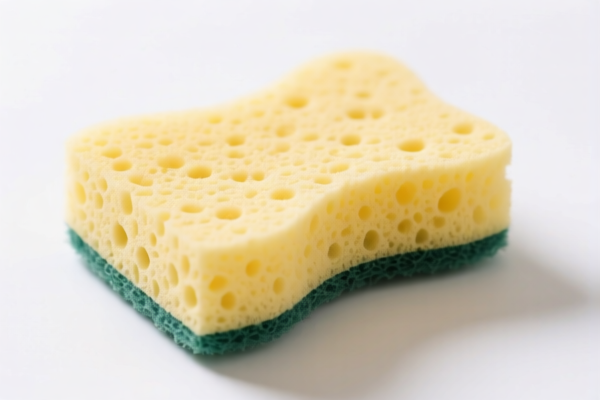
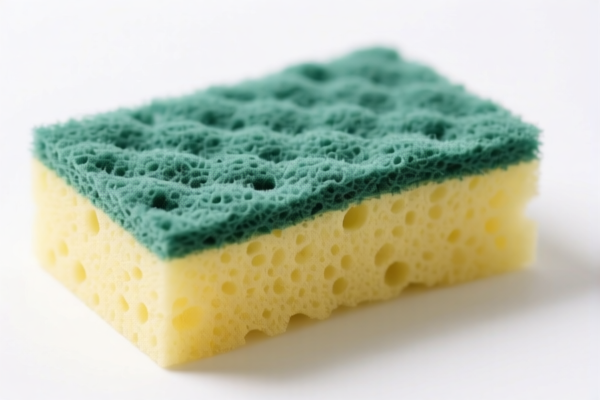
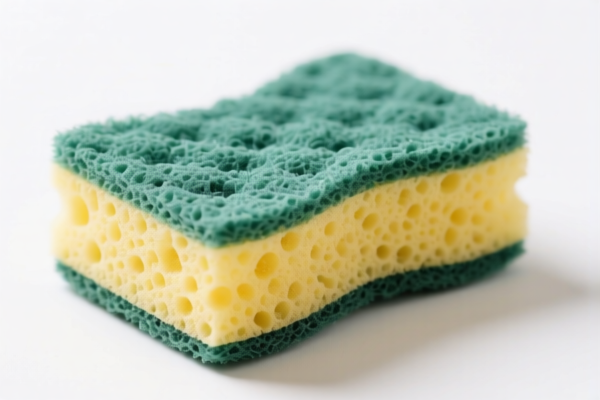
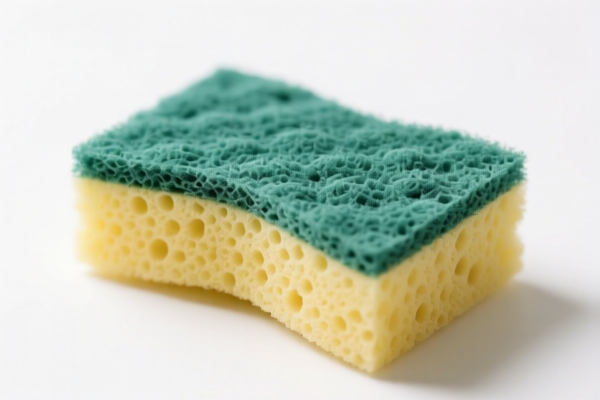
AI Analysis
🛌 Sponge Mattress (Foam Mattress/Pads)
🌐 HS Code Reference & Customs Clearance Guide | 2026 Latest Tariff Analysis | Professional Entry Strategies
📌 I. Product Definition & Classification: What Exactly is a "Sponge Mattress"?
In international trade, "Sponge Mattress" is a common term that can refer to two distinct types of products based on material and usage:
1. Rubber/Foam Pads (Technical/Medical/Industrial):
Made from vulcanized rubber or synthetic rubber in a porous/honeycomb structure. Commonly used for flooring, insulation, anti-fatigue mats, or medical bedding.
👉 Key Characteristic: Material is primarily rubber/synthetic rubber.
2. Foam Plastic Pads (Home/Furniture):
Made from polyurethane foam or cell rubber, shaped into mattresses, cushions, or pillows. Commonly used in home furnishings, hotels, or travel.
👉 Key Characteristic: Material is plastic foam/cell rubber; usage is for resting or support.
⚠️ Critical Distinction:
- If the product is made of vulcanized rubber (even if porous), it falls under Chapter 40.
- If the product is made of plastic foam (polyurethane, etc.) or cell rubber used as bedding/cushions, it falls under Chapter 94 (Furniture).
📦 II. HS Code Classification Details (2026 Latest Tariff Authority Comparison)
| HS Code | Product Description | Applicable Scenario | Material Type |
|---|---|---|---|
4016.10.00.00 |
Sponge Rubber, Whether or not Impregnated | Floor mats, anti-fatigue pads, industrial rubber sponge pads | ✅ Vulcanized/Synthetic Rubber |
9404.21.00.95 |
Mattresses, Cushions & Similar Furnishing Articles | Home foam mattresses, polyurethane foam pads, cell rubber bedding | ✅ Foam Plastic/Cell Rubber |
4016.99.05.00 |
Other Articles of Vulcanized Rubber Other Than Hard Rubber | Household rubber items, general-purpose rubber sponge pads | ✅ Vulcanized/Synthetic Rubber |
9404.90.20.90 |
Other Furnishing Articles (e.g., Pillows, Cushions) | Sponge cushions, honeycomb rubber/plastic pillows, non-mattress pads | ✅ Honeycomb Rubber/Plastic |
9404.29.90.95 |
Other Mattresses & Supporting Pads (Other than Air/Water) | High-density foam mattresses, latex foam mattresses, non-standard bedding | ✅ Foam/Cell Rubber |
🔍 Key Reminder:
- "Sponge" (海绵) in customs terminology often refers to porous structures. If the base material is rubber, look at Chapter 40. If the base material is plastic/foam, look at Chapter 94.
- "Mattress" (垫/床垫) usually implies furniture/bedding usage, pointing strongly to Chapter 94, unless it's a technical rubber pad.
💰 III. 2026 Latest Tariff Rate Breakdown (Including Additional Taxes, Policy Surcharges)
✅ Applicable Country: United States (US)
✅ Origin: China (CN)
✅ Effective Date: From November 10, 2025 (including subsequent imports)
🎯 1. 4016.10.00.00 —— Sponge Rubber (Vulcanized Rubber)
| Item | Details |
|---|---|
| Base Tariff | 0.0% |
| Section 301 Surcharge | +25.0% |
| IEEPA Surcharge | +10.0% (122 Clause) |
| Total Rate | 35.0% |
| Tax Calculation | CIF Value × 35% |
| De Minimis Exemption | ❌ Not Eligible |
| Legal Basis Path | Section 301 + IEEPA 122 → USITC:4016.10.00.00 |
📌 Explanation:
- Although the base rate is 0%, the 301 surcharge (25%) and IEEPA 122 clause (10%) apply due to the origin (China).
- This is the lowest risk code among the rubber options but still carries a 35% effective rate.
🎯 2. 9404.21.00.95 —— Foam Plastic Mattresses (Plastic Foam)
| Item | Details |
|---|---|
| Base Tariff | 3.0% |
| Section 301 Surcharge | +25.0% |
| IEEPA Surcharge | +10.0% (122 Clause) |
| Total Rate | 38.0% |
| Tax Calculation | CIF Value × 38% |
| De Minimis Exemption | ❌ Not Eligible |
| Legal Basis Path | Section 301 + IEEPA 122 → USITC:9404.21.00.95 |
📌 Explanation:
- This code is for foam plastic (polyurethane, etc.). It is the most common classification for consumer "foam mattresses."
- The total tax burden is 38%, which is slightly higher than the rubber sponge code due to the 3% base tariff.
🎯 3. 4016.99.05.00 —— Other Vulcanized Rubber Articles (Household)
| Item | Details |
|---|---|
| Base Tariff | 3.4% |
| Section 301 Surcharge | +7.5% |
| IEEPA Surcharge | +10.0% (122 Clause) |
| Total Rate | 20.9% |
| Tax Calculation | CIF Value × 20.9% |
| De Minimis Exemption | ❌ Not Eligible |
| Legal Basis Path | Section 301 + IEEPA 122 → USITC:4016.99.05.00 |
📌 Explanation:
- ⚠️ Critical Optimization: This code offers the lowest total tax rate (20.9%) among all options.
- It applies to vulcanized rubber items that don't fit other specific subheadings. If your "sponge mattress" is made of rubber (not plastic foam) and is for household use, this is the most cost-effective classification.
- Note: You must prove the material is vulcanized rubber, not plastic foam.
🎯 4. 9404.90.20.90 —— Other Furnishing Articles (Honeycomb Rubber/Plastic)
| Item | Details |
|---|---|
| Base Tariff | 6.0% |
| Section 301 Surcharge | +7.5% |
| IEEPA Surcharge | +10.0% (122 Clause) |
| Total Rate | 23.5% |
| Tax Calculation | CIF Value × 23.5% |
| De Minimis Exemption | ❌ Not Eligible |
| Legal Basis Path | Section 301 + IEEPA 122 → USITC:9404.90.20.90 |
📌 Explanation:
- Suitable for honeycomb rubber or plastic items like pillows, cushions, or non-mattress pads.
- If your product is a sponge cushion or pillow rather than a full mattress, this code may apply.
- Total tax is 23.5%, which is also relatively low, but slightly higher than4016.99.05.00.
🎯 5. 9404.29.90.95 —— Other Mattresses (Non-Air/Water)
| Item | Details |
|---|---|
| Base Tariff | 6.0% |
| Section 301 Surcharge | +25.0% |
| IEEPA Surcharge | +10.0% (122 Clause) |
| Total Rate | 41.0% |
| Tax Calculation | CIF Value × 41% |
| De Minimis Exemption | ❌ Not Eligible |
| Legal Basis Path | Section 301 + IEEPA 122 → USITC:9404.29.90.95 |
📌 Explanation:
- This is a catch-all for mattresses not specified elsewhere (e.g., high-density foam, latex).
- Highest tax rate (41%) among the options. Avoid this code if another more specific code fits.
🛠️ IV. Customs Clearance Practical Advice (Real-World Pitfall Guide)
✅ 1. Required Documents Checklist (Missing = Delay)
| Document | Mandatory? | Explanation |
|---|---|---|
| ✅ Product Specification Sheet | ✔️ | Must specify Material (Rubber vs. Foam Plastic), Density, Dimensions |
| ✅ Material Composition Test Report | ✔️ | Critical to prove if it's Vulcanized Rubber (Ch40) or Foam Plastic (Ch94) |
| ✅ Product Photos (Label & Structure) | ✔️ | Show "Made in China," model number, and texture (open-cell/closed-cell) |
| ✅ Commercial Invoice | ✔️ | Clearly state "Sponge Mattress" and correct HS Code |
| ✅ Packing List | ✔️ | Detail weight, volume, and packaging type |
| ✅ Certificate of Origin (CO) | ✔️ | Required for tariff calculation and trade compliance |
✅ 2. Declaration Tips (Key Mantra)
🔥 “Material Defines Chapter, Rubber goes Ch40, Foam goes Ch94, Name must match!”
| Scenario | Correct HS Code | Wrong Practice | Consequence |
|---|---|---|---|
| Rubber Sponge Pad (Technical/Floor) | 4016.10.00.00 or 4016.99.05.00 |
Declare as "Foam Mattress" | Misclassification → Audit & Fines |
| Polyurethane Foam Mattress (Home) | 9404.21.00.95 or 9404.29.90.95 |
Declare as "Rubber Product" | Higher Tax (38-41%) or Rejection |
| Honeycomb Rubber Pillow/Cushion | 9404.90.20.90 |
Declare as "Mattress" | Wrong Duty Base |
| Mixed Materials | Depends on Main Material | Split Declaration | Complex Inspection, Delay |
📌 Optimization Strategy:
- If your product is Rubber-based, try to classify under4016.99.05.00(20.9% total tax) or4016.10.00.00(35% total tax).
- If your product is Plastic Foam-based,9404.21.00.95(38% total tax) is the standard for mattresses.
- Avoid9404.29.90.95(41%) unless no other code fits.
✅ 3. Special Circumstances Handling
| Scenario | Handling Advice |
|---|---|
| OEM Custom Orders | Provide client specs to prove material type (Rubber vs. Foam) |
| Certifications | Ensure CPC (Children’s Product Certificate) if for kids; Flammability Cert for bedding |
| Packaging | If shipped vacuum-compressed, clarify if it’s "expanded" upon use; still same HS Code |
| Sample vs. Bulk | Ensure sample declarations match bulk product material composition |
🌍 V. Global Main Market Comparison (2026 Latest)
| Country/Region | Recommended HS Code | Tariff (China Origin) | Certification | Notes |
|---|---|---|---|---|
| 🇺🇸 USA | 4016.99.05.00 (Rubber) or 9404.21.00.95 (Foam) |
20.9% (Rubber) / 38% (Foam) | CPC, Flammability | High surcharges apply |
| 🇨🇳 China | 4016.10.00.00 or 9404.21.00.95 |
0-6% | CCC (if applicable) | Lower base tariffs |
| 🇪🇺 EU | 4016.10.00.00 or 9404.21.00.95 |
0-6% | REACH, REACH SVHC | No Section 301 taxes |
| 🇦🇺 Australia | 4016.10.00.00 or 9404.21.00.95 |
0-5% | GEMS | No major surcharges |
📌 Conclusion:
- USA is the most expensive market due to 301 + IEEPA surcharges.
- Material Choice is Key: If feasible, use Vulcanized Rubber (4016.99.05.00) to reduce US tax to 20.9% instead of 38% for foam.
- EU/Australia are more lenient with tariffs but have strict chemical safety (REACH/RoHS) requirements.
📌 VI. Common Errors & Pitfall Guide (Lessons Learned)
❌ Error 1: Calling all "Sponge" products "Foam Plastic"
👉 Consequence: If it’s rubber, you overpay tax or face misclassification audits.
❌ Error 2: Using 9404.29.90.95 (41%) when 9404.21.00.95 (38%) fits
👉 Consequence: Unnecessary 3% tax increase.
❌ Error 3: Ignoring IEEPA 122 Clause (10%)
👉 Consequence: Underpayment of duties → Seizure & Penalties.
❌ Error 4: Declaring "Mattress" for a "Floor Pad"
👉 Consequence: Wrong Chapter (94 vs 40) → Regulatory mismatch.
✅ Correct Approach:
“Polyurethane Foam Mattress, 10cm Thick, for Home Bed, Cert. CPSIA & Flammability”
OR
“Vulcanized Rubber Sponge Pad, Non-Slip, for Gym Floor, 5mm Thick”
🎯 VII. Conclusion: Precise Classification, Cost Savings, Smooth Clearance!
🎯 Remember the Mantra:
🔹 “Rubber = Ch40, Foam = Ch94. 4016.99.05.00 is the King of Cost (20.9%). 9404.21.00.95 is the Queen of Beds (38%).”
🔹 “IEEPA 122 Clause is 10% – Don’t Forget It!”
📌 Pro Tip:
If your product is exclusively for children, ensure CPC (Children’s Product Certificate) is ready. For general adult use, Flammability Standards are critical for Chapter 94 goods.
📣 Immediate Action:
📞 Contact a licensed customs broker
📄 Provide Material Test Reports to prove Rubber vs. Foam
🚀 Get Advance Ruling to lock in the best HS Code and avoid surprises.
✨ Professional clearance starts with precise classification!
💼 Every percent of tax saved is pure profit!
Customer Reviews
About HS Code Classification
The Harmonized System (HS) is an internationally standardized nomenclature developed by the World Customs Organization (WCO) to classify traded products. Over 200 countries use the HS system as the basis for customs tariffs, trade statistics, and import/export regulations.
Each HS code follows a hierarchical structure:
- Chapter (2 digits) — Broad category of goods (e.g., Chapter 84: Machinery and Mechanical Appliances)
- Heading (4 digits) — More specific grouping within the chapter
- Subheading (6 digits) — Internationally standardized breakdown, used by all WCO member countries
- National subdivisions (8-10 digits) — Country-specific extensions for further classification, such as US HTSUS 10-digit codes
Correct HS code classification is essential for smooth customs clearance, accurate duty payment, and compliance with trade regulations. Misclassification can lead to customs delays, overpayment of duties, or penalties.
When importing from CN to US, the applicable tariff rates may include:
- Most-Favored-Nation (MFN) rate — The standard duty rate applied to WTO members
- General rate — Applied to countries without trade agreements
- Trade remedy duties — Additional tariffs such as Section 301 (anti-dumping), Section 232 (national security), or countervailing duties
The information provided on this page is for reference purposes only. For official classification, please consult with your local customs authority or a licensed customs broker.