Spoon Rest
CN → US| HS Code | Tariff Rate | Origin | Destination | Doc |
|---|---|---|---|---|
| 6911104100 | 16.3% | CN | US | Official Doc |
| 6911108010 | 38.3% | CN | US | Official Doc |
| 7323999030 | 88.4% | CN | US | Official Doc |
| 7323930060 | 62.0% | CN | US | Official Doc |
| 3924104000 | 13.4% | CN | US | Official Doc |
| 3924103000 | 22.8% | CN | US | Official Doc |
Product Images
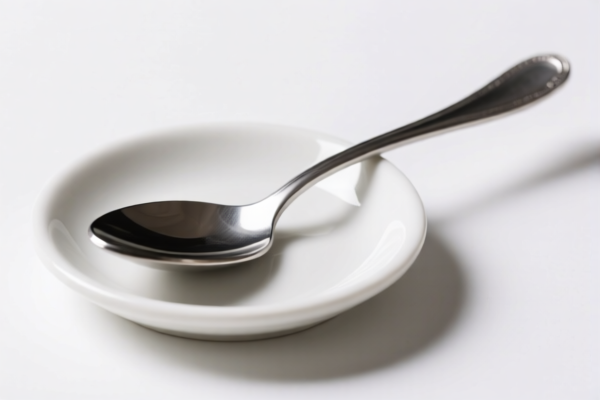
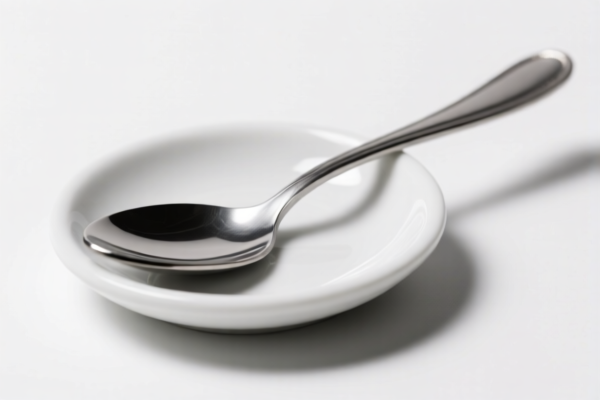
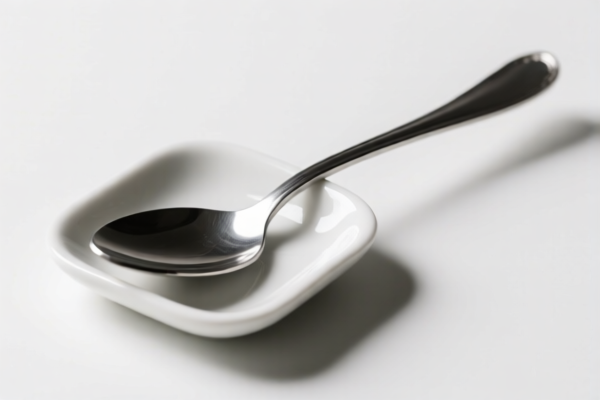

AI Analysis
🍽️ Spoon Rest & Tableware Accessories (Kitchen & Dining Essentials)
🌐 HS Code Reference & Customs Clearance Guide | 2026 Latest Tariff Analysis | Professional Strategy for Kitchenware
📌 I. Product Definition & Classification: What Exactly is a "Spoon Rest"?
A Spoon Rest is a small utensil holder used in cooking to prevent spills and keep countertops clean when setting down a spoon or ladle. In international trade, these items are rarely classified in isolation. They are typically grouped under broader headings of Tableware, Kitchenware, or Toilet Articles depending on their material and intended use.
The data provided highlights four distinct material categories: 1. Plastics: Common for modern, durable, or cheap kitchen accessories. 2. Porcelain/China: Traditional, decorative, or premium table settings. 3. Iron/Steel: Durable, industrial, or high-end stainless steel cookware accessories.
⚠️ Key Distinction:
- If made of Plastic, it falls under Chapter 39.
- If made of Porcelain/China, it falls under Chapter 69.
- If made of Iron/Steel, it falls under Chapter 73.
- Food Contact Status is critical for China-origin goods entering the US, triggering significant Section 301 and IEEPA surcharges.
📦 II. HS Code Classification Details (2026 Latest Tariff Authority)
Based on the provided <DATA>, here is the precise breakdown for Spoon Rests and related tableware:
| HS Code | Material | Product Description | Key Attributes |
|---|---|---|---|
| 3924.10.40.00 | Plastics | Tableware and kitchenware: Other | General plastic utensils; includes basic spoon rests not specified elsewhere. |
| 3924.10.30.00 | Plastics | Tableware and kitchenware: Trays | Specifically classified as "Trays." Some larger or shaped spoon rests may be misclassified here if viewed as small serving trays. |
| 6911.10.41.00 | Porcelain/China | Tableware and kitchenware: Steins with pewter lids, candy boxes, etc. | Includes specific decorative items. Note: This code is highly specific. Standard plain spoon rests likely fall under "Other" (6911.10.80) unless they are part of a specific set listed. |
| 6911.10.80.10 | Porcelain/China | Tableware and kitchenware: Other: Other: Other: Other | Suitable for food or drink contact. This is the likely code for standard porcelain spoon rests. |
| 7323.99.90.30 | Iron/Steel | Table, kitchen, or household articles: Other | Not coated/plated with precious metal. Includes cast iron or carbon steel kitchenware. |
| 7323.93.00.60 | Stainless Steel | Table, kitchen, or household articles: Of stainless steel | Cooking and kitchen ware: Kitchen ware. High-end stainless steel spoon rests. |
🔍 重点提醒 (Key Warning):
- Material determines the Chapter: You cannot classify a plastic spoon rest as porcelain.
- "Food Contact" is the trigger: For Porcelain (6911.10.80.10) and Steel (7323.99.90.30), the description explicitly mentions "Suitable for food or drink contact," which is the basis for the high additional tariffs.
- Spoon Rests as "Trays": Be cautious with 3924.10.30.00. If the spoon rest is large or flat, customs may view it as a "Tray" rather than general "Other" tableware.
💰 III. 2026 Latest Tariff Rate Breakdown (Including Additional Taxes)
✅ Applicable Country: United States (US)
✅ Origin: China (CN)
✅ Effective Date: 2025/2026 (Current Trade War Rates)
🎯 1. 3924.10.40.00 —— Plastic Tableware/Kitchenware (Other)
| Item | Content |
|---|---|
| Base Tariff | 3.4% |
| Additional Tariff | 0.0% |
| Total Tariff | 3.4% |
| Tax Detail | "Base Tariff: 3.4%, Additional Tariff: 0.0%" |
| Legal Basis | Standard HTSUS Chapter 39 rates. |
📌 Explanation:
- Plastic tableware (general "Other" category) enjoys relatively low tariffs.
- No Section 301 or IEEPA surcharge is currently applied to this specific subheading in the provided data.
- Strategy: If your spoon rest is plastic, this is the most tax-efficient category.
🎯 2. 3924.10.30.00 —— Plastic Trays
| Item | Content |
|---|---|
| Base Tariff | 5.3% |
| Additional Tariff | 7.5% |
| Total Tariff | 12.8% |
| Tax Detail | "Base Tariff: 5.3%, Additional Tariff: 7.5%" |
| Legal Basis | Section 301 duties apply to certain plastic goods classified as trays. |
📌 Warning:
- If your spoon rest is misclassified as a "Tray," the tax jumps from 3.4% to 12.8%.
- Action: Ensure product description emphasizes "Utensil Holder" or "Spoon Rest," not "Serving Tray."
🎯 3. 6911.10.41.00 —— Porcelain/China (Specific Decorative Items)
| Item | Content |
|---|---|
| Base Tariff | 6.3% |
| Additional Tariff | 0.0% |
| Total Tariff | 6.3% |
| Tax Detail | "Base Tariff: 6.3%, Additional Tariff: 0.0%" |
| Legal Basis | Specific porcelain items (steins, decanters, etc.). |
📌 Note:
- This code is very specific. Standard spoon rests are unlikely to fit here unless they are part of a specialized decorative set (e.g., "Tiered servers," "Bonbon dishes").
- Risk: Misclassification here could lead to audits if the item doesn't match the specific list (steins, decanters, etc.).
🎯 4. 6911.10.80.10 —— Porcelain/China (Other, Food Contact)
| Item | Content |
|---|---|
| Base Tariff | 20.8% |
| Additional Tariff | 7.5% |
| Total Tariff | 28.3% |
| Tax Detail | "Base Tariff: 20.8%, Additional Tariff: 7.5%" |
| Legal Basis | Section 301 duties on Chinese porcelain tableware. |
📌 Critical Alert:
- High Tariff Zone: Nearly 30% total duty.
- Why?: The item is "Suitable for food or drink contact."
- Strategy: Consider if the product can be classified differently or if alternative markets (non-US) are more viable due to this cost.
🎯 5. 7323.99.90.30 —— Iron/Steel (Not Coated/Plated, Food Contact)
| Item | Content |
|---|---|
| Base Tariff | 3.4% |
| Additional Tariff | 25.0% (Steel/Alu/Cu Surcharge) |
| Additional Tariff 2 | 50% (Steel/Alu/Cu Surcharge) |
| Total Tariff | 78.4% |
| Tax Detail | "Base: 3.4%, Additional: 25.0% [Steel/Alu/Cu] + 50%" |
| Legal Basis | Heavy Section 301 and IEEPA tariffs on Chinese steel/iron goods. |
📌 EXTREME CAUTION:
- 78.4% is a devastating tariff.
- The tax detail explicitly mentions "Steel, Aluminum, Copper products additional tax: 50%."
- Recommendation: Avoid exporting raw iron/steel spoon rests from China to the US under this code unless the margin is exceptionally high. Consider stainless steel alternatives (see below) or non-China origins.
🎯 6. 7323.93.00.60 —— Stainless Steel Kitchen Ware
| Item | Content |
|---|---|
| Base Tariff | 2.0% |
| Additional Tariff | 0.0% |
| Additional Tariff 2 | 50% (Steel/Alu/Cu Surcharge) |
| Total Tariff | 52.0% |
| Tax Detail | "Base: 2.0%, Additional: 0.0% [Steel/Alu/Cu Surcharge: 50%]" |
| Legal Basis | Section 301/IEEPA on stainless steel kitchenware. |
📌 Analysis:
- While the base tariff is low (2.0%), the 50% surcharge on steel/aluminum/copper products pushes the total to 52.0%.
- Distinction: This code is for "Kitchen Ware" (of stainless steel).
- Comparison: Iron/Steel (7323.99.90.30) is even higher (78.4%). Stainless is "cheaper" but still very expensive.
🛠️ IV. Customs Clearance Practical Advice (Real-World Pitfall Guide)
✅ 1. Documentation Checklist (Non-Negotiable)
| Document | Required? | Purpose |
|---|---|---|
| ✅ Product Specifications | ✔️ | Must clearly state Material (Plastic, Porcelain, Steel). |
| ✅ Material Declaration | ✔️ | Specify if "Stainless Steel," "Cast Iron," or "Porcelain." |
| ✅ Food Contact Statement | ✔️ | Confirm if the item touches food. This triggers the 28.3%-78.4% tariffs. |
| ✅ HS Code Justification | ✔️ | Why is it "Spoon Rest" and not "Tray" (3924.10.30.00)? Provide photos. |
| ✅ Commercial Invoice | ✔️ | List item as "Spoon Rest, [Material]" not just "Kitchen Accessory." |
✅ 2. Classification Strategy (Critical)
🔥 Golden Rule: "Material First, Function Second, Food Contact is the Tax Trigger!"
| Scenario | Recommended HS Code | Risk Level | Why? |
|---|---|---|---|
| Plastic Spoon Rest | 3924.10.40.00 |
🟢 Low | Lowest tax (3.4%). Avoid calling it a "Tray." |
| Porcelain Spoon Rest | 6911.10.80.10 |
🔴 High | 28.3% tax. Justify why it's not a "decanter" or "steing." |
| Stainless Steel Spoon Rest | 7323.93.00.60 |
🟠 Medium-High | 52.0% tax. Ensure it's "Kitchen Ware" not general "Steel Articles." |
| Iron/Steel Spoon Rest | 7323.99.90.30 |
🔴 Critical | 78.4% tax. Avoid if possible. |
✅ 3. Special Circumstances
| Situation | Handling Advice |
|---|---|
| Mixed Materials (e.g., Ceramic base with Silicone tip) | Classify based on Essential Character. If ceramic body dominates → 6911.10.80.10. If silicone dominates → Check Chapter 40/39. |
| Gift Sets (Spoon Rest + Fork + Spoon) | Usually classified under the item that gives the set its essential character. If spoon rest is main, check its tax. If fork (steel), high tax applies. Bundle carefully. |
| Non-China Origin (e.g., Vietnam, Thailand) | IEEPA/Section 301 surcharges may NOT apply. Verify country of origin on the COO (Certificate of Origin). This can save 25-50% in taxes. |
🌍 V. Global Market Comparison (2026 Update)
| Market | Recommended HS Code | Est. Total Tax (China Origin) | Notes |
|---|---|---|---|
| 🇺🇸 USA | 3924.10.40.00 (Plastic) |
3.4% | Best for plastic. |
| 🇺🇸 USA | 6911.10.80.10 (Porcelain) |
28.3% | High tax on food-contact ceramics. |
| 🇺🇸 USA | 7323.93.00.60 (Steel) |
52.0% | Extremely high on steel. |
| 🇪🇺 EU | 6911.10 / 7323.93 | Varies (0-12%) | No Section 301/IEEPA tariffs. Much more competitive. |
| 🇨🇳 China (Import) | 6911.10 / 7323.93 | ~5-10% | Lower than US. |
📌 Conclusion:
- USA Market: Plastic (3924.10.40.00) is the only tax-efficient category for Chinese goods.
- Porcelain & Steel: Face punitive tariffs (28%-78%).
- Strategy: For Porcelain/Steel spoon rests, consider shifting production to Vietnam/Thailand to avoid US additional tariffs.
📌 VI. Common Mistakes & Pitfalls (Blood Lessons)
❌ Mistake 1: Calling a Spoon Rest a "Tray" (3924.10.30.00)
👉 Consequence: Tax jumps from 3.4% to 12.8% for plastic. Always use "Spoon Rest" or "Utensil Holder."
❌ Mistake 2: Ignoring "Food Contact" for Porcelain (6911.10.80.10)
👉 Consequence: If declared as "Non-food" (decorative), customs may reject it if it's clearly for kitchen use. The 28.3% tax applies to food-contact items.
❌ Mistake 3: Misclassifying Stainless Steel (7323.93.00.60) as Generic Steel (7323.99.90.30)
👉 Consequence: 7323.99.90.30 has a 78.4% tariff. 7323.93.00.60 is 52.0%. Save 26.4% by getting the grade right!
🎯 VII. Conclusion: Smart Classification Saves Money!
🎯 Remember This Mantra:
🔹 "Plastic is King (3.4%), Steel is Pain (52-78%), Porcelain is Mixed (28.3%)."
🔹 "Avoid 'Tray' for Spoon Rests to keep plastic tax low."
🔹 "Check Origin: China = High Tax, Vietnam = Lower Tax."
📌 Pro Tip:
If you are importing Stainless Steel or Porcelain spoon rests from China to the US:
1. Calculate Landed Cost: Add 28-78% to your COGS.
2. Consider Transshipment: Ensure genuine origin transformation (not just minor assembly) if sourcing from Vietnam/Thailand.
3. Apply for Pre-Ruling: Submit an HS Code Advance Ruling to CBP to lock in the classification and avoid disputes.
📣 Immediate Action:
📞 Contact a Customs Broker + Provide Material Samples + Request HS Code Pre-Ruling
🚀 Optimize your supply chain to avoid the 50%+ steel tariffs!
✨ Professional Clearance Starts with Precise Classification!
💼 Every percentage point of tariff is money in your pocket or out of it!
Customer Reviews
About HS Code Classification
The Harmonized System (HS) is an internationally standardized nomenclature developed by the World Customs Organization (WCO) to classify traded products. Over 200 countries use the HS system as the basis for customs tariffs, trade statistics, and import/export regulations.
Each HS code follows a hierarchical structure:
- Chapter (2 digits) — Broad category of goods (e.g., Chapter 84: Machinery and Mechanical Appliances)
- Heading (4 digits) — More specific grouping within the chapter
- Subheading (6 digits) — Internationally standardized breakdown, used by all WCO member countries
- National subdivisions (8-10 digits) — Country-specific extensions for further classification, such as US HTSUS 10-digit codes
Correct HS code classification is essential for smooth customs clearance, accurate duty payment, and compliance with trade regulations. Misclassification can lead to customs delays, overpayment of duties, or penalties.
When importing from CN to US, the applicable tariff rates may include:
- Most-Favored-Nation (MFN) rate — The standard duty rate applied to WTO members
- General rate — Applied to countries without trade agreements
- Trade remedy duties — Additional tariffs such as Section 301 (anti-dumping), Section 232 (national security), or countervailing duties
The information provided on this page is for reference purposes only. For official classification, please consult with your local customs authority or a licensed customs broker.