Sports Backpack
CN → US| HS Code | Tariff Rate | Origin | Destination | Doc |
|---|---|---|---|---|
| 4202923120 | 52.6% | CN | US | Official Doc |
| 3926909989 | 22.8% | CN | US | Official Doc |
| 3926903300 | 16.5% | CN | US | Official Doc |
| 9506996080 | 21.5% | CN | US | Official Doc |
| 4202923131 | 52.6% | CN | US | Official Doc |
Product Images
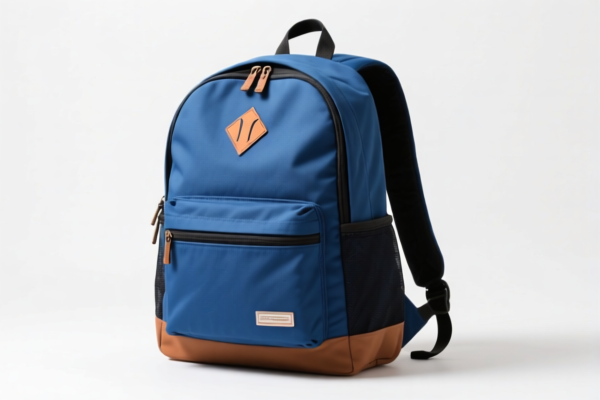
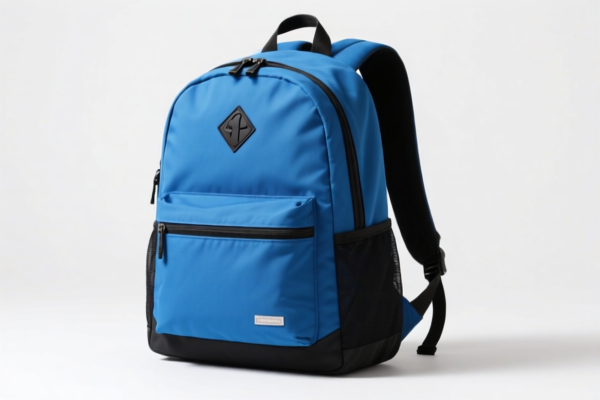
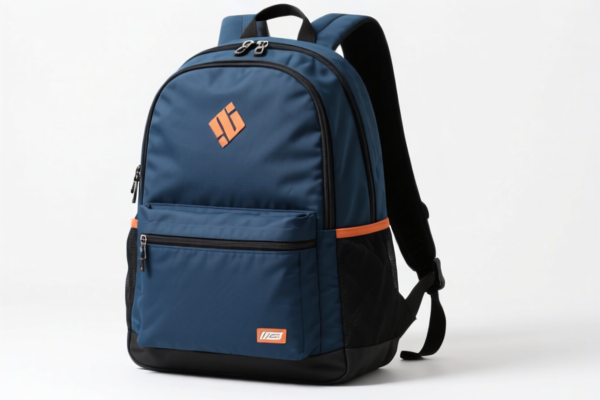
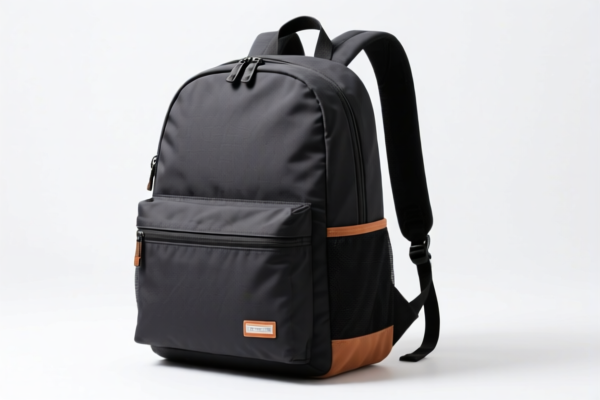
AI Analysis
🎒 Sports Backpacks (Hiking, Gym & Swimming Bags)
🌐 HS Code Reference & Customs Clearance Guide | 2026 Latest Tariff Analysis | Professional Logistics Strategy
📌 I. Product Definition & Classification: What Exactly is a "Sports Backpack"?
The term "Sports Backpack" is a broad category in international trade. It covers bags designed for hiking, gym use, swimming, or general athletic activities. However, in customs classification, the material and specific intended use dictate the HS Code, which dramatically changes the tax liability.
There are two main paths for classification: 1. Textile/Synthetic Bags: Backpacks made of nylon, polyester, canvas, or artificial fiber. These fall under Chapter 42. 2. Plastic/Synthetic Bags: Backpacks made primarily of PVC, rubber, or other plastic materials (common for swimming or waterproof gear). These fall under Chapter 39. 3. Accessory Classification: In rare cases, if the bag is strictly an accessory to specific sporting equipment, it might fall under Chapter 95.
⚠️ Key Distinction Point:
- If made of textile/fabric (nylon, polyester, cotton) → Likely Chapter 42 (High Tariff due to trade wars).
- If made of plastic (PVC, rubber) → Likely Chapter 39 (Moderate Tariff).
- If defined strictly as a swimming accessory with plastic material → Potential for lower tax under specific plastic sub-headings.
📦 II. HS Code Classification Details (2026 Latest Tariff Authority Comparison)
Based on the provided dataset, here are the specific HS Codes for "Sports Backpacks," categorized by material and function:
| HS Code | Product Description | Material/Usage Context | Tariff Level |
|---|---|---|---|
4202.92.31.20 |
Backpack (General Textile) Form & use fully matched; typical textile/synthetic fiber material. |
Nylon, Polyester, Canvas, Artificial Fiber | 📉 High (52.6%) |
4202.92.31.31 |
Sports Bag (Textile) Form & use matched; inferred artificial fiber textile material. |
Synthetic textiles, Gym bags, Hiking packs | 📉 High (52.6%) |
3926.90.99.89 |
Swimming Backpack (Plastic) Inferred plastic or synthetic fiber; classified as "Other plastic articles." |
PVC, Rubber, Waterproof plastic bags | 📊 Medium (22.8%) |
3926.90.33.00 |
Swimming Backpack (Coated Plastic) Plastic or coated plastic material; other plastic articles. |
Coated fabrics, PVC shells, Waterproof gear | 📊 Lowest (16.5%) |
9506.99.60.80 |
Swimming Backpack (Sporting Accessory) Intended for swimming-related equipment; sporting goods accessories. |
Specific sports accessories, Plastic/Rubber | 📊 Medium (21.5%) |
🔍 Critical Insight:
- Chapter 42 (Textiles) attracts the highest duties due to Section 301 tariffs (25%) and Section 122 tariffs (10%). Total rate: 52.6%. - Chapter 39 (Plastics) offers significant savings. If the bag is made of plastic/coated plastic, the rate drops to 16.5% or 22.8%. - Chapter 95 (Sports Goods) is niche. It applies only if the bag is explicitly recognized as an accessory to swimming equipment, but still carries additional steel/aluminum surcharges if components are metal.
💰 III. 2026 Latest Tariff Rate Breakdown (Including Surcharges & Policy Add-ons)
✅ Applicable Country: USA (US)
✅ Origin: China (CN)
✅ Effective Time: 2025/2026 (Current Trade War Era)
🎯 1. 4202.92.31.20 & 4202.92.31.31 —— Textile/Synthetic Backpacks
Target: Hiking, Gym, Daily Sports Bags made of Fabric
| Item | Details |
|---|---|
| Basic Duty | 17.6% |
| Section 301 Surcharge | +25.0% (US Trade Act) |
| Section 122 Surcharge | +10.0% |
| Total Tariff Rate | 🔥 52.6% |
| Tax Calculation | CIF Value × 52.6% |
| De Minimis Exemption | ❌ NOT Eligible (Deny De Minimis) |
| Legal Basis Path | HTSUS:4202.92.31 → Section 301: Footnote 9903.88.01 → Section 122 |
📌 Explanation:
- This is the standard textile classification.
- The 25% Section 301 tariff makes these imports extremely expensive for US buyers.
- No de minimis relief: Even small shipments are subject to full duty calculation.
🎯 2. 3926.90.99.89 —— Plastic/Non-Coated Sports Backpacks
Target: Swimming Bags, Waterproof Packs made of General Plastic
| Item | Details |
|---|---|
| Basic Duty | 5.3% |
| Section 301 Surcharge | +7.5% |
| Section 122 Surcharge | +10.0% |
| Total Tariff Rate | ⚖️ 22.8% |
| Tax Calculation | CIF Value × 22.8% |
| De Minimis Exemption | ❌ NOT Eligible |
| Legal Basis Path | HTSUS:3926.90.99 → Section 301: Footnote 9903.88.01 |
📌 Explanation:
- Lower basic duty than textiles.
- Section 301 rate is lower (7.5% vs 25%) for general plastic articles.
🎯 3. 3926.90.33.00 —— Coated Plastic Swimming Backpacks
Target: PVC Swimming Bags, Coated Canvas
| Item | Details |
|---|---|
| Basic Duty | 6.5% |
| Section 301 Surcharge | 0.0% (Exempt/Lower) |
| Section 122 Surcharge | +10.0% |
| Total Tariff Rate | ✅ 16.5% (Best Option) |
| Tax Calculation | CIF Value × 16.5% |
| De Minimis Exemption | ❌ NOT Eligible |
| Legal Basis Path | HTSUS:3926.90.33 → Section 122 |
📌 Strategic Advantage:
- This is the lowest tariff option in the dataset.
- Zero Section 301 tariff applies to this specific sub-category (likely due to specific material classification).
- Recommendation: If the backpack is made of coated plastic or PVC, strive for this code.
🎯 4. 9506.99.60.80 —— Sporting Goods Accessory (Swimming)
Target: Bags specifically marketed as swimming equipment accessories
| Item | Details |
|---|---|
| Basic Duty | 4.0% |
| Section 301 Surcharge | +7.5% |
| Section 122 Surcharge | +10.0% |
| Steel/Aluminum Surcharge | +50% (If applicable components) |
| Total Tariff Rate | ⚠️ 21.5% (or higher if metal parts involved) |
| Tax Calculation | CIF Value × 21.5% |
| De Minimis Exemption | ❌ NOT Eligible |
| Legal Basis Path | HTSUS:9506.99.60 → Section 301 → Steel/Aluminum Add-on |
📌 Caution:
- While the base rate is low, the potential for additional 50% surcharge on steel/aluminum components makes this risky if the bag has metal frames or zippers.
- Only suitable if strictly classified as a "sporting good accessory" without heavy metal components.
🛠️ IV. Customs Clearance Practical Advice (Real-World Pitfall Guide)
✅ 1. Documentation Checklist (Non-Negotiable)
| Document | Required? | Notes |
|---|---|---|
| ✅ Product Specification Sheet | ✔️ | Must clearly state Material Composition (e.g., "100% PVC," "600D Polyester"). This is the #1 factor for HS Code selection. |
| ✅ Product Photos | ✔️ | Show texture, lining, and hardware. Distinguish between "Textile" and "Plastic." |
| ✅ Commercial Invoice | ✔️ | Description should match HS Code (e.g., "PVC Swimming Bag" vs. "Nylon Hiking Pack"). |
| ✅ Material Test Report | ✔️ | Third-party lab report confirming material type (Plastic vs. Textile) to support 3926 vs 4202. |
| ✅ Packing List | ✔️ | Detailed breakdown of contents. |
✅ 2. Declaration Strategy (Key Mnemonics)
🔥 "Material Defines Code, Code Defines Tax!"
| Scenario | Correct Declaration | Wrong Declaration | Consequence |
|---|---|---|---|
| Nylon/Polyester Bag | 4202.92.31.20 (Backpack) |
3926... (Plastic) |
Audit Risk: Customs will reclassify, charge 52.6% + penalties. |
| PVC/Coated Plastic Bag | 3926.90.33.00 (Coated Plastic) |
4202... (Textile) |
Overpayment: Paying 52.6% instead of 16.5%. |
| Swimming Bag with Metal Frame | 9506.99.60.80 |
3926... |
Hidden Cost: Unexpected 50% steel surcharge applies. |
| Generic "Sports Bag" | Use most accurate material description | "Sports Backpack" (Vague) | Delay: Customs will request clarification, causing detention fees. |
✅ 3. Special Handling Tips
| Situation | Recommendation |
|---|---|
| Mixed Materials (e.g., Nylon with PVC coating) | Argue for Chapter 39 if the essential character is plastic (waterproofing). Provide photos showing plastic dominance. |
| Swimming vs. General Sports | If it’s for swimming, emphasize waterproofing features to support 3926.90.33.00 or 9506.... Avoid vague terms like "Gym Bag." |
| Metal Hardware (Zippers, Buckles) | For 9506..., ensure metal content is minimal to avoid the 50% steel/aluminum surcharge. Prefer plastic buckles if possible. |
| De Minimis Loophole | ❌ Do Not Rely: All listed codes have deny_de_minimis status. Plan for full duty payment regardless of shipment size. |
🌍 V. Global Market Comparison (2026 Overview)
| Market | Recommended HS Code | Est. Tariff | Key Requirement |
|---|---|---|---|
| 🇺🇸 USA | 3926.90.33.00 |
16.5% (Best Case) | Section 122 + Basic Duty. Avoid Chapter 42 (52.6%). |
| 🇺🇸 USA | 4202.92.31.20 |
52.6% (Worst Case) | High trade war impact. Only for genuine textile bags. |
| 🇪🇺 EU | 4202.92 / 3926.90 |
Varies | VAT (19-27%) applies. No Section 301. |
| 🇨🇳 China | 4202.92 / 3926.90 |
5-10% | Low import duty. No Section 122/301. |
📌 Conclusion:
- USA Market is Critical: The difference between 16.5% and 52.6% is massive.
- Strategic Move: If you manufacture swimming bags, use PVC/Coated Plastic to qualify for3926.90.33.00(16.5%).
- Avoid Textiles for Swimming: Do not use nylon for swimming bags if you want to save taxes; the textile code (4202) is punitive.
📌 VI. Common Errors & Pitfalls (Lessons Learned)
❌ Error 1: Calling a PVC Swimming Bag a "Sports Backpack" and declaring it as 4202.
👉 Result: Pay 52.6% tax.
✅ Fix: Declare as "PVC Swimming Bag" → 3926.90.33.00 (16.5%).
❌ Error 2: Ignoring Section 122 and 301 tariffs.
👉 Result: Budgeting errors, margin erosion.
✅ Fix: Always calculate Total Tax = Basic + 301 + 122.
❌ Error 3: Assuming "De Minimis" ($800 exemption) applies.
👉 Result: Shipment held at customs, demurrage fees accumulate.
✅ Fix: All listed HS codes are subject to full duty. Include tax in your landed cost calculation.
🎯 VII. Conclusion: Smart Classification Saves Millions!
🎯 Remember the Mnemonic:
🔹 "Plastic Swimming: 16.5% (Best!)"
🔹 "Textile Hiking: 52.6% (Ouch!)"
🔹 "Sport Accessory: 21.5% (Check Metal!)"
📌 Pro Tip:
If you are exporting Swimming Backpacks to the USA:
1. Material Matters: Ensure the bag is made of PVC or Coated Plastic.
2. Document It: Provide a material certificate proving it's not textile.
3. Declare Accurately: Use 3926.90.33.00 to unlock the lowest duty rate.
📣 Immediate Action:
📞 Contact Customs Broker + Provide Material Sample + Apply for Pre-Ruling
🚀 Optimize your HS Code today to save 36% in taxes!
✨ Professional Clearance, Starts with Precise Classification!
💼 Every percentage point saved is pure profit!
Customer Reviews
About HS Code Classification
The Harmonized System (HS) is an internationally standardized nomenclature developed by the World Customs Organization (WCO) to classify traded products. Over 200 countries use the HS system as the basis for customs tariffs, trade statistics, and import/export regulations.
Each HS code follows a hierarchical structure:
- Chapter (2 digits) — Broad category of goods (e.g., Chapter 84: Machinery and Mechanical Appliances)
- Heading (4 digits) — More specific grouping within the chapter
- Subheading (6 digits) — Internationally standardized breakdown, used by all WCO member countries
- National subdivisions (8-10 digits) — Country-specific extensions for further classification, such as US HTSUS 10-digit codes
Correct HS code classification is essential for smooth customs clearance, accurate duty payment, and compliance with trade regulations. Misclassification can lead to customs delays, overpayment of duties, or penalties.
When importing from CN to US, the applicable tariff rates may include:
- Most-Favored-Nation (MFN) rate — The standard duty rate applied to WTO members
- General rate — Applied to countries without trade agreements
- Trade remedy duties — Additional tariffs such as Section 301 (anti-dumping), Section 232 (national security), or countervailing duties
The information provided on this page is for reference purposes only. For official classification, please consult with your local customs authority or a licensed customs broker.