Sports Equipment and Parts
CN → US| HS Code | Tariff Rate | Origin | Destination | Doc |
|---|---|---|---|---|
| 9507100080 | 16.0% | CN | US | Official Doc |
| 9507908000 | 19.0% | CN | US | Official Doc |
| 3926203000 | 38.0% | CN | US | Official Doc |
| 3926909989 | 22.8% | CN | US | Official Doc |
| 9506996080 | 21.5% | CN | US | Official Doc |
| 9506910030 | 22.1% | CN | US | Official Doc |
Product Images


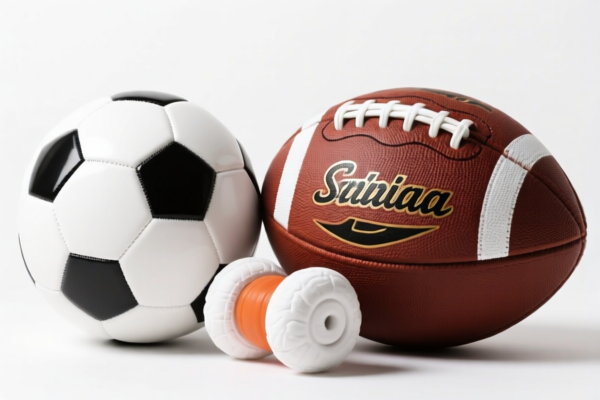
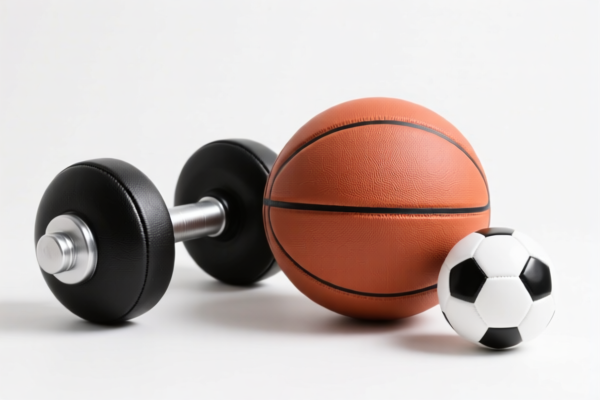
AI Analysis
🎣 Sports Equipment & Parts: HS Code Classification & Tariff Deep Dive
🌐 HS Code Reference & Customs Clearance Guide | 2026 Latest Tariff Analysis | Professional Entry Strategy
📌 I. Product Definition & Classification: What Exactly Are "Sports Equipment and Parts"?
"Sports Equipment and Parts" is a broad category in international trade, encompassing everything from fishing rods and hunting gear to general athletic accessories. Because this category spans multiple sub-sectors (fishing, hunting, general gymnastics, etc.), customs classification (HS Code) depends heavily on:
- Specific Function: Is it fishing gear? Hunting gear? Or general exercise equipment?
- Material Composition: Does it contain plastic? Metal? Is it purely mechanical?
- Role in the Product: Is it a main component or an accessory/part?
⚠️ Key Classification Distinction:
- Primary Equipment: Main sporting devices (e.g., fishing rods, general exercise machines) → Typically Chapter 95 or 9506.
- Accessories/Parts: Items attached to or used with equipment → May fall under 9507 (Fishing/Hunting), 9506 (General Sports), or 9507.90 (General Parts).
- Material Override: If the item is primarily plastic and doesn’t fit specific sporting part descriptions, it might default to Chapter 39 (Plastics), though sporting parts often have priority.
📦 II. HS Code Classification Matrix (2026 Latest Tariff Data)
Based on the provided dataset, here are the 5 most likely HS Codes for "Sports Equipment and Parts," ranked by relevance and tax impact.
| HS Code | Product Description | Why This Code? | Total Tax Rate |
|---|---|---|---|
| 9507.10.00.80 | Fishing/Hunting Rods & Accessories | Primary Fit: Explicitly covers "Sports equipment & accessories." Accessories fall under "parts" logic. No material conflict. | 16.0% |
| 9507.90.80.00 | Fishing/Hunting Parts & Attachments | Fallback: Covers "parts and accessories" for fishing/hunting. Inferred from "sports equipment" including hunting/fishing sub-sectors. | 19.0% |
| 9506.99.60.80 | General Sports Equipment Parts | Alternative: Fits "general sports equipment." Accessories match "parts & accessories" under general sports (Ch 9506). | 21.5% |
| 9506.91.00.30 | Snow/Skating/Skiing Equipment Parts | Specific Use: If the equipment is related to snow/skating/skiing (sub-category of 9506), parts fall here. No obvious material conflict. | 22.1% |
| 3926.90.99.89 | Plastic Sports Parts (General) | Material-Based: If the part is primarily plastic and doesn’t fit specific sporting part headings, it defaults to "Other plastic articles." | 22.8% |
| 3926.20.30.00 | Plastic Articles for Apparel/Equip | High Risk: If classified as "plastic articles for clothing/sports apparel" or generic plastic parts, tax jumps significantly due to 301 tariffs. | 38.0% |
🔍 Critical Insight:
- 9507 Codes are generally the most favorable for fishing/hunting-related sports gear.
- 9506 Codes are for general sports (gymnastics, ball games, snow sports).
- 3926 Codes are last-resort fallbacks if the item is purely plastic and doesn’t meet specific sporting part criteria. These incur higher tariffs due to Section 301 (122 Clause) impacts.
💰 III. 2026 Tariff Rate Breakdown (US Market, China Origin)
✅ Applicable Country: United States (US)
✅ Origin: China (CN)
✅ Effective Date: Post-November 2025 (includes Section 301 & 122 Clause adjustments)
🎯 1. 9507.10.00.80 – Fishing/Hunting Rods & Accessories
🏆 Best Option for Fishing/Hunting Gear
| Item | Detail |
|---|---|
| Base Tariff | 6.0% |
| Section 301 (101 Clause) | 0.0% |
| Section 122 Clause | +10.0% |
| Steel/Aluminum/Copper Add-on | Not applicable (unless metal-heavy, but 122 clause is primary here) |
| Total Effective Rate | 16.0% |
| Calculation | CIF Value × 16% |
| De Minimis Exemption | ❌ No (Deny De Minimis for China) |
| Legal Basis | USITC:9507.10.00.80 + IEEPA:122Clause |
📌 Explanation:
- This code is specific to fishing/hunting rods and accessories.
- The 16% total is relatively low compared to plastic fallbacks.
- No Section 301 (25%) applies here, only the 122 Clause (10%).
🎯 2. 9507.90.80.00 – Fishing/Hunting Parts & Attachments
✅ Good for Fishing/Hunting Accessories
| Item | Detail |
|---|---|
| Base Tariff | 9.0% |
| Section 301 (101 Clause) | 0.0% |
| Section 122 Clause | +10.0% |
| Total Effective Rate | 19.0% |
| Calculation | CIF Value × 19% |
| De Minimis Exemption | ❌ No |
| Legal Basis | USITC:9507.90.80.00 + IEEPA:122Clause |
📌 Explanation:
- Used when the item is a part or accessory for fishing/hunting gear but not the rod itself.
- 19% total is still favorable compared to Chapter 39 options.
🎯 3. 9506.99.60.80 – General Sports Equipment Parts
🔁 Alternative for General Sports
| Item | Detail |
|---|---|
| Base Tariff | 4.0% |
| Section 301 | +7.5% |
| Section 122 Clause | +10.0% |
| Steel/Aluminum/Copper Add-on | +50% (if applicable) |
| Total Effective Rate | 21.5% |
| Calculation | CIF Value × 21.5% |
| De Minimis Exemption | ❌ No |
| Legal Basis | USITC:9506.99.60.80 + IEEPA:122Clause + Steel Add-on |
📌 Explanation:
- For general sports (not fishing/hunting).
- Note the Steel/Aluminum/Copper Add-on (+50%) may apply if the part is metallic. If so, the rate could be much higher (see below).
- Base rate is low (4%), but Section 301 (7.5%) and 122 (10%) add up.
🎯 4. 9506.91.00.30 – Snow/Skating/Skiing Parts
🎿 Specific to Winter Sports
| Item | Detail |
|---|---|
| Base Tariff | 4.6% |
| Section 301 | +7.5% |
| Section 122 Clause | +10.0% |
| Steel/Aluminum/Copper Add-on | +50% (if applicable) |
| Total Effective Rate | 22.1% |
| Calculation | CIF Value × 22.1% |
| De Minimis Exemption | ❌ No |
📌 Explanation:
- Specifically for snow, skating, or skiing equipment parts.
- Similar tax structure to9506.99.60.80, but slightly higher base rate.
🎯 5. 3926.90.99.89 – Plastic Sports Parts (General)
⚠️ Fallback for Plastic Items
| Item | Detail |
|---|---|
| Base Tariff | 5.3% |
| Section 301 | +7.5% |
| Section 122 Clause | +10.0% |
| Total Effective Rate | 22.8% |
| Calculation | CIF Value × 22.8% |
| De Minimis Exemption | ❌ No |
📌 Explanation:
- Used if the part is primarily plastic and doesn’t fit specific sporting part categories.
- No Section 301 (25%) here, but still higher than 9507 codes.
🎯 6. 3926.20.30.00 – Plastic Articles for Apparel/Equip
🚫 High Tariff Risk
| Item | Detail |
|---|---|
| Base Tariff | 3.0% |
| Section 301 | +25.0% |
| Section 122 Clause | +10.0% |
| Total Effective Rate | 38.0% |
| Calculation | CIF Value × 38% |
| De Minimis Exemption | ❌ No |
| Legal Basis | USITC:3926.20.30.00 + IEEPA:301Clause + 122Clause |
📌 Explanation:
- This code triggers the maximum Section 301 tariff (25%).
- 38% total is very high. Avoid if possible by correctly classifying as9507or9506.
🛠️ IV. Customs Clearance Practical Advice (Pitfall Avoidance Guide)
✅ 1. Documentation Checklist (Mandatory)
| Document | Required? | Notes |
|---|---|---|
| Product Specification Sheet | ✔️ | Must specify: Material (Plastic/Metal/Fiberglass), Function (Fishing/Hunting/General), Part Type. |
| Product Photos (Clear) | ✔️ | Show entire item + any labels/model numbers. |
| Commercial Invoice | ✔️ | Use precise description: e.g., "Fishing Rod Accessory, Fiberglass, Model XYZ" vs. "Plastic Part." |
| Packing List | ✔️ | List items separately if mixed. |
| Certificate of Origin (CO) | ✔️ | If not China-origin, may reduce tariffs. |
| Third-Party Test Report | Optional | If claiming special status (e.g., eco-friendly, non-metallic). |
✅ 2. Classification Strategy (Key Tips)
🔥 "Specificity Wins! Don’t Default to Plastic!"
| Scenario | Correct HS Code | Incorrect HS Code | Consequence |
|---|---|---|---|
| Fishing Rod/Accessory | 9507.10.00.80 or 9507.90.80.00 |
3926.90.99.89 |
Overpaying 6–22% in taxes. |
| Hunting Gun Part | 9507.90.80.00 |
8207.xxxx (Tools) |
Misclassification penalty. |
| Plastic Gym Ball Cover | 9506.99.60.80 |
3926.20.30.00 |
Overpaying 16.5% (38% vs 21.5%). |
| Metallic Fishing Reel Part | 9507.10.00.80 |
7318.xxxx (Metal Fittings) |
May trigger 50% steel add-on if misclassified. |
✅ 3. Special Cases & Mitigation
| Case | Handling Advice |
|---|---|
| Mixed Materials | Classify based on essential character. If plastic is minor and functional part is fishing-related, use 9507. |
| Steel/Aluminum Parts | Be aware of +50% Steel/Aluminum Add-on under 9506 codes. Prefer 9507 if possible. |
| OEM/Private Label | Ensure invoice matches manufacturer details. Customs may scrutinize vague descriptions like "Sports Part." |
| De Minimis Loophole? | ❌ No. China-origin goods under $800 cannot use de minimis exemption for sports equipment under current rules. |
🌍 V. Global Market Comparison (2026)
| Country/Region | Recommended HS Code | Approx. Tariff (China Origin) | Notes |
|---|---|---|---|
| 🇺🇸 USA | 9507.10.00.80 |
16.0% | Best for fishing/hunting. High risk with 3926. |
| 🇨🇳 China | 9507.10.00.80 |
6.0% | Base rate only. No 301/122 clauses. |
| 🇪🇺 EU | 9507.10.00.80 |
0%–6% | Varies by member state. No Section 301. |
| 🇬🇧 UK | 9507.10.00.80 |
0%–6% | Post-Brexit tariffs. Generally low. |
| 🇦🇺 Australia | 9507.10.00.80 |
5% | No major anti-dumping on sports gear. |
📌 Conclusion:
- USA is the most challenging market due to Section 301 and 122 Clause.
- EU/UK/Australia offer significantly lower tariffs (0–6%).
- If exporting to the US, optimize classification to9507to avoid 25–38% rates.
📌 VI. Common Errors & Pitfalls (Lessons Learned)
❌ Error 1: Classifying fishing rods as "Plastic Parts" (3926)
👉 Consequence: Tax jumps from 16% to 38%. Loss of $22 per $100 goods.
❌ Error 2: Splitting complete fishing rod into "Handle + Blank + Tip"
👉 Consequence: Each part may be classified differently, leading to audit flags and delays.
❌ Error 3: Using vague description "Sports Equipment" on Invoice
👉 Consequence: Customs cannot determine correct code → 100% inspection and release delays.
❌ Error 4: Ignoring Steel Add-on for metallic parts under 9506
👉 Consequence: If part is steel, additional 50% applies. Total tax could exceed 70%.
✅ Correct Practice:
"Fishing Rod, 7ft, Fiberglass/Glass Composite, Model XYZ, Part No. 12345"
🎯 VII. Conclusion: Classify Precisely, Save Significantly
🎯 Remember the Rule:
🔹 "Fishing/Hunting = 9507 (Low Tax)"
🔹 "General Sports = 9506 (Medium Tax)"
🔹 "Plastic Fallback = 3926 (High Tax)"
🔹 "Metallic Parts = Watch for Steel Add-on"
📌 Pro Tip:
- Always provide detailed material and functional descriptions in your commercial invoice.
- For China-origin goods to the US, pre-classify with a customs broker to avoid 38% pitfalls.
- Consider supply chain diversification to non-US markets if tariffs are prohibitive.
📣 Immediate Action:
📞 Consult a licensed customs broker for Advance Ruling.
📄 Prepare detailed product specs before shipping.
💡 Save money, avoid delays, clear customs smoothly!
✨ Precision in Classification = Profit in Your Pocket
💼 Every HS Code choice impacts your bottom line!
Customer Reviews
About HS Code Classification
The Harmonized System (HS) is an internationally standardized nomenclature developed by the World Customs Organization (WCO) to classify traded products. Over 200 countries use the HS system as the basis for customs tariffs, trade statistics, and import/export regulations.
Each HS code follows a hierarchical structure:
- Chapter (2 digits) — Broad category of goods (e.g., Chapter 84: Machinery and Mechanical Appliances)
- Heading (4 digits) — More specific grouping within the chapter
- Subheading (6 digits) — Internationally standardized breakdown, used by all WCO member countries
- National subdivisions (8-10 digits) — Country-specific extensions for further classification, such as US HTSUS 10-digit codes
Correct HS code classification is essential for smooth customs clearance, accurate duty payment, and compliance with trade regulations. Misclassification can lead to customs delays, overpayment of duties, or penalties.
When importing from CN to US, the applicable tariff rates may include:
- Most-Favored-Nation (MFN) rate — The standard duty rate applied to WTO members
- General rate — Applied to countries without trade agreements
- Trade remedy duties — Additional tariffs such as Section 301 (anti-dumping), Section 232 (national security), or countervailing duties
The information provided on this page is for reference purposes only. For official classification, please consult with your local customs authority or a licensed customs broker.