Sports Fitness Bag
CN → US| HS Code | Tariff Rate | Origin | Destination | Doc |
|---|---|---|---|---|
| 9506996080 | 21.5% | CN | US | Official Doc |
| 4202921500 | 41.3% | CN | US | Official Doc |
| 4202923316 | 52.6% | CN | US | Official Doc |
Product Images
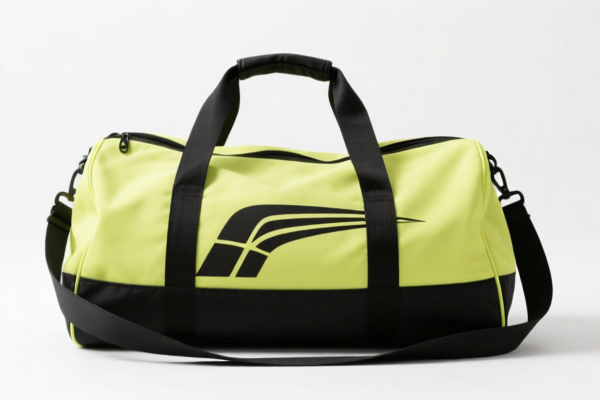
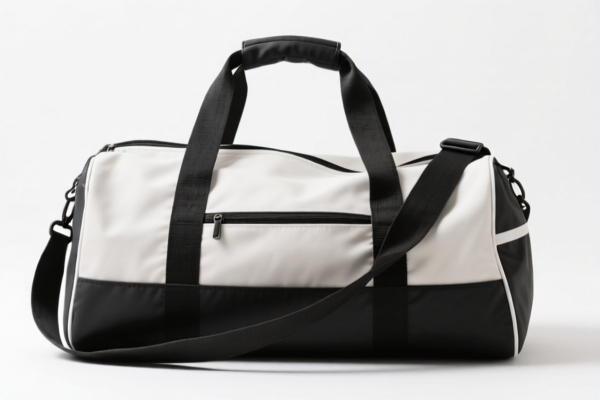
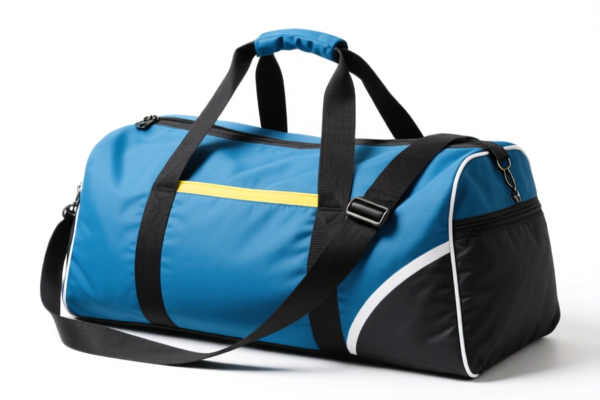
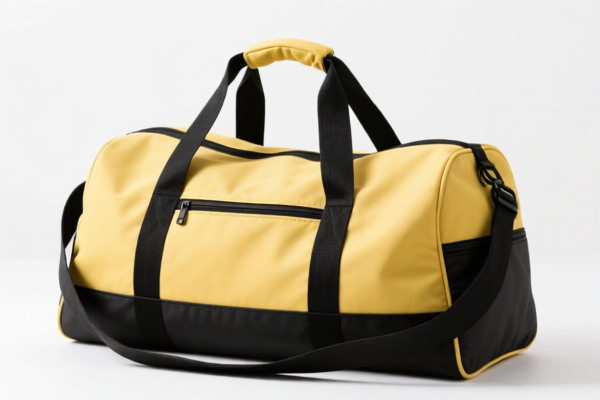
AI Analysis
🎒 Sports Fitness Bag (Gym Bags & Travel Duffles)
🌐 HS Code Reference & Customs Clearance Guide | 2026 Latest Tariff Analysis | Professional通关 Strategy
📌 Part 1: Product Definition & Classification: Do You Really Know "Fitness Bags"?
The Sports Fitness Bag is a versatile accessory used for carrying gym equipment, workout clothes, shoes, and personal items. In international trade, its classification depends heavily on its material composition and specific design features.
There are three primary classification pathways for fitness bags:
1. Sports-specific Gear (9506.99.60.80):
If the bag is explicitly designed as an accessory for sports/athletic activities (e.g., dedicated gym bags, ball bags), it may be classified under Chapter 95.
2. Travel/Sport Bags (4202.92.15.00):
If it is a general-purpose bag made of textile materials (like cotton) intended for travel or general sports use, it falls under Chapter 42.
3. Specific Textile Bags (4202.92.33.16):
If the bag’s outer surface is textile and specifically made of cotton, it has a distinct classification with higher duty implications.
⚠️ Key Distinction Point:
- Is it a dedicated "Sports Article" (Chapter 95) or a "Bag of Heading 4202" (Chapter 42)?
- If Chapter 42, is the material pure cotton (affecting the subheading)?
- Misclassification leads to severe penalties due to the high "Section 301" and "122" tariffs associated with these codes.
📦 Part 2: HS Code Classification Details (2026 Latest Tariff Authority Comparison)
| HS Code | Product Description | Applicable Scenario | Material Composition |
|---|---|---|---|
9506.99.60.80 |
Fitness bags for cotton or leather materials, classified as sports/athletic articles or other sports equipment. | Dedicated gym bags, sports gear bags, ball bags. | Cotton, Leather, or mixed sports materials. |
4202.92.15.00 |
Cotton-made travel, sports, and similar bags. | General travel duffles, cotton gym bags, leisure bags. | Mainly Cotton or Cotton-blend textiles. |
4202.92.33.16 |
Travel, sports, and similar bags with an outer surface of textile materials and made of cotton. | Specific cotton-based sports/travel bags with defined textile outer layers. | Specifically Cotton textile outer surface. |
🔍 Critical Reminder:
-9506.99.60.80is the "Lowest Duty" option (see Part 3). If your product is a dedicated sports bag, STRIVE FOR THIS CLASSIFICATION. -4202.92.33.16carries the HIGHEST Tax Burden (52.6%). Avoid this if possible unless the bag is strictly a cotton travel bag and cannot be argued as "sports equipment." -4202.92.15.00is the Middle Ground. It applies to general cotton bags but still faces significant tariffs.
💰 Part 3: 2026 Latest Tariff Rate Breakdown (Including Additional Duties & Policy Surcharges)
✅ Applicable Country: United States (US)
✅ Country of Origin: China (CN)
✅ Effective Time: 2025/2026 Tariff Regime
🎯 1. 9506.99.60.80 —— Fitness Bags (Sports Articles)
| Item | Content |
|---|---|
| Base Tariff | 4.0% (ad valorem) |
| Section 301 Surcharge | +7.5% (Additional Tariff) |
| Section 122 Surcharge | +10% (Iron, Steel, Aluminum, Copper Products - Note: Check if bag has metal zippers/frames triggering this) |
| Other Surcharges | +50% (Section 122 Steel/Aluminum/Copper Article Surcharge - Applicable if significant metal components are present) |
| Total Effective Tax Rate | 21.5% |
| Tax Calculation | CIF Value × 21.5% |
| De Minimis Exemption | ❌ No (High tariff rates exclude small packages from $800 de minimis relief in most practical scenarios due to compliance complexity). |
| Legal Basis Path | HTSUS:9506.99.60.80 → Section 301: 7.5% → Section 122: 10% + 50% (if applicable) |
📌 Explanation:
- This is the most favorable classification for dedicated fitness bags.
- The "21.5%" total includes the base rate (4%), Section 301 (7.5%), and Section 122 components.
- Crucial Note on Steel/Aluminum: The "50%" surcharge for steel/aluminum products may apply if the bag contains substantial metal hardware (e.g., heavy-duty metal frames, zippers, or clips). Consult a customs broker to verify if "de minimis" metal components trigger this. If triggered, the rate could jump significantly. The provided data indicates a total of 21.5%, suggesting the 50% might be conditional or already factored in specific scenarios, but beware of the 10% Section 122 base.
🎯 2. 4202.92.15.00 —— Cotton Travel/Sports Bags
| Item | Content |
|---|---|
| Base Tariff | 6.3% (ad valorem) |
| Section 301 Surcharge | +25.0% (Additional Tariff) |
| Section 122 Surcharge | +10% |
| Total Effective Tax Rate | 41.3% |
| Tax Calculation | CIF Value × 41.3% |
| De Minimis Exemption | ❌ No |
| Legal Basis Path | HTSUS:4202.92.15.00 → Section 301: 25.0% → Section 122: 10% |
📌 Note:
- This classification is common for general-purpose cotton gym bags.
- The 25% Section 301 tariff is the primary cost driver here, making it much more expensive than the Chapter 95 classification.
- 122 Tariff (10%) applies additionally.
🎯 3. 4202.92.33.16 —— Specific Cotton Textile Bags
| Item | Content |
|---|---|
| Base Tariff | 17.6% (ad valorem) |
| Section 301 Surcharge | +25.0% (Additional Tariff) |
| Section 122 Surcharge | +10% |
| Total Effective Tax Rate | 52.6% |
| Tax Calculation | CIF Value × 52.6% |
| De Minimis Exemption | ❌ No |
| Legal Basis Path | HTSUS:4202.92.33.16 → Section 301: 25.0% → Section 122: 10% |
📌 Warning:
- This is the HIGHEST COST classification.
- The 17.6% Base Tariff is significantly higher than the other two options.
- DO NOT classify a standard fitness bag here unless it is strictly a "cotton travel bag" and you have no grounds for Chapter 95 or the 4202.92.15.00 subheading.
- The combination of high base duty + 25% Section 301 + 10% Section 122 makes this prohibitively expensive for most competitive exports.
🛠️ Part 4: Customs Clearance Practical Advice (Battle-Tested Pitfall Avoidance Guide)
✅ 1. Required Documentation Checklist (Non-Negotiable)
| Document | Mandatory? | Description |
|---|---|---|
| ✅ Product Specification Sheet | ✔️ | Must detail material composition (Cotton vs. Leather vs. Synthetic), dimensions, and intended use (Sports vs. Travel). |
| ✅ Product Photos (Labeled) | ✔️ | Clear images of the bag, tags, labels, and any metal hardware (zippers, clasps) to assess Section 122 risk. |
| ✅ Commercial Invoice | ✔️ | Clearly describe the item as "Fitness Bag" or "Gym Bag" for sports use. Avoid vague terms like "Bag." |
| ✅ Packing List | ✔️ | List contents separately to justify "Sports Equipment" classification if necessary. |
| ✅ Material Composition Statement | ✔️ | Explicitly state % of Cotton, Leather, Polyester, etc. Critical for distinguishing between 4202.92.15.00 and 4202.92.33.16. |
✅ 2. Declaration Strategy (Key Mantras)
🔥 "Sports Use Wins, Cotton Details Matter, Hardware Triggers Surcharge!"
| Scenario | Correct Declaration Strategy | Wrong Approach |
|---|---|---|
| Dedicated Gym Bag | Declare as "Sports Fitness Bag" under 9506.99.60.80. Highlight sports function (e.g., shoe compartment, water bottle pocket). |
Declaring as "Travel Bag" → 41.3% Tax |
| General Cotton Duffle | Declare as "Cotton Travel/Sports Bag" under 4202.92.15.00. |
Declaring as "Cotton Textile Bag" → 52.6% Tax |
| Bag with Metal Frames/Zippers | Check Section 122 Applicability for 9506.99.60.80. If metal content is minimal, argue for exemption. If high, expect 50% surcharge risk. |
Ignoring metal components → Unexpected 50% penalty |
| 100% Cotton Bag | If not sports-specific, use 4202.92.15.00. Do NOT use 4202.92.33.16 unless required by specific subheading notes. |
Using 4202.92.33.16 by default → 52.6% Tax |
✅ 3. Special Case Handling
| Situation | Handling Advice |
|---|---|
| Leather Fitness Bag | Use 9506.99.60.80. It explicitly covers "leather materials" for sports bags. Avoid Chapter 42 if possible. |
| Mixed Material Bag | If >50% sports-oriented, argue for 9506.99.60.80. Provide design intent (e.g., specific pockets for yoga mats, weights). |
| Small Parts (Zippers/Clasps) | If metal components are <5% of weight/value, provide a breakdown to avoid Section 122 "Steel/Aluminum" surcharge where possible. |
| Pre-Assembly Bags | Ensure the bag is not shipped in a way that suggests it is a "kit" for sports equipment, which might change classification. |
🌍 Part 5: Global Market Comparison (2026 Latest)
| Country/Region | Recommended HS Code | Estimated Tariff (China Origin) | Certification/Notes |
|---|---|---|---|
| 🇺🇸 USA | 9506.99.60.80 |
21.5% (Lowest) | High scrutiny on Section 301 & 122. |
| 🇺🇸 USA | 4202.92.15.00 |
41.3% | Avoid if sports-oriented. |
| 🇺🇸 USA | 4202.92.33.16 |
52.6% | Highest cost, avoid. |
| 🇨🇳 China | 9506.99.60.80 |
~5-8% | Lower import duties to China. |
| 🇪🇺 EU | 4202.92.00 |
~4-6% | No Section 301/122 equivalents. |
📌 Conclusion:
- The US is the most punitive market for Chinese fitness bags due to Section 301 (7.5%-25%) and Section 122 (10%-50%).
- Optimizing for9506.99.60.80is critical to save up to 31% in taxes compared to the worst-case scenario.
- Cotton content alone does NOT dictate the highest tax; the Sports vs. Travel distinction is more important.
📌 Part 6: Common Mistakes & Pitfalls (Blood-Taught Lessons)
❌ Mistake 1: Declaring a dedicated Gym Bag as "Travel Bag" (4202.92.15.00)
👉 Consequence: Tax jumps from 21.5% to 41.3% → $20,000 extra on $100k shipment!
❌ Mistake 2: Declaring a Cotton Bag as 4202.92.33.16 without cause
👉 Consequence: Tax jumps to 52.6% → Loss of competitiveness, margin destruction.
❌ Mistake 3: Ignoring Metal Hardware in Fitness Bags
👉 Consequence: If 9506.99.60.80 is used, but metal parts trigger Section 122 (50% surcharge), the effective rate could spike unexpectedly. Verify metal content!
❌ Mistake 4: Using vague descriptions like "Sports Bag" without material details
👉 Consequence: Customs may reclassify to the highest duty category (4202.92.33.16) due to ambiguity.
✅ Correct Approach:
"Fitness Bag, Cotton/Leather, Sports Equipment Accessory, Model XYZ, Intended for Gym Use"
🎯 Part 7: Conclusion: Professional Declaration, Save Money, Speed Up Clearance!
🎯 Remember the Mantra:
🔹 "Sports First, Chapter 95 Wins!" (21.5% Tax)
🔹 "Cotton Travel, Chapter 42, Mid-Tax" (41.3% Tax)
🔹 "Specific Cotton, Highest Tax!" (52.6% Tax)
🔹 "Metal Parts, Watch Out for 122!"
📌 Pro Tip:
If your fitness bag has minimal metal content (e.g., standard plastic-coated zippers), emphasize this in the declaration to avoid Section 122 surcharges.
For high-volume exporters, consider Advance Ruling from US Customs (CBP) to lock in the 21.5% rate and avoid audits.
📣 Immediate Action:
📞 Contact a professional customs broker + Provide Product Photos + Request HS Code Pre-Ruling for
9506.99.60.80.
🚀 Ensure your fitness bags pass through smoothly, efficiently, and profitably!
✨ Professional Customs Clearance Starts with Precise Classification!
💼 Every percent saved is pure profit!
Customer Reviews
About HS Code Classification
The Harmonized System (HS) is an internationally standardized nomenclature developed by the World Customs Organization (WCO) to classify traded products. Over 200 countries use the HS system as the basis for customs tariffs, trade statistics, and import/export regulations.
Each HS code follows a hierarchical structure:
- Chapter (2 digits) — Broad category of goods (e.g., Chapter 84: Machinery and Mechanical Appliances)
- Heading (4 digits) — More specific grouping within the chapter
- Subheading (6 digits) — Internationally standardized breakdown, used by all WCO member countries
- National subdivisions (8-10 digits) — Country-specific extensions for further classification, such as US HTSUS 10-digit codes
Correct HS code classification is essential for smooth customs clearance, accurate duty payment, and compliance with trade regulations. Misclassification can lead to customs delays, overpayment of duties, or penalties.
When importing from CN to US, the applicable tariff rates may include:
- Most-Favored-Nation (MFN) rate — The standard duty rate applied to WTO members
- General rate — Applied to countries without trade agreements
- Trade remedy duties — Additional tariffs such as Section 301 (anti-dumping), Section 232 (national security), or countervailing duties
The information provided on this page is for reference purposes only. For official classification, please consult with your local customs authority or a licensed customs broker.