Sports Photography Color Film
CN → US| HS Code | Tariff Rate | Origin | Destination | Doc |
|---|---|---|---|---|
| 3706900060 | 35.0% | CN | US | Official Doc |
| 3701910060 | 38.7% | CN | US | Official Doc |
| 3701200030 | 38.7% | CN | US | Official Doc |
| 3702540060 | 38.7% | CN | US | Official Doc |
| 3701200030 | 38.7% | CN | US | Official Doc |
Product Images
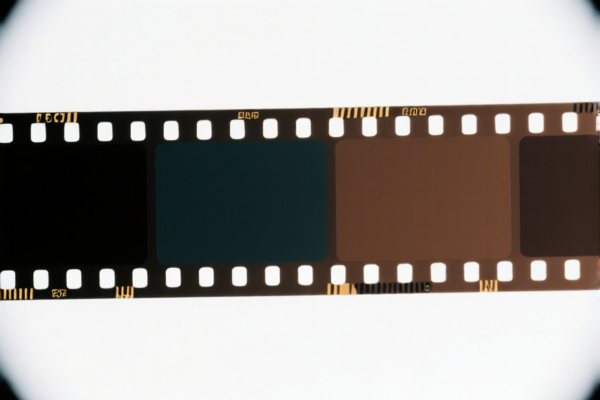
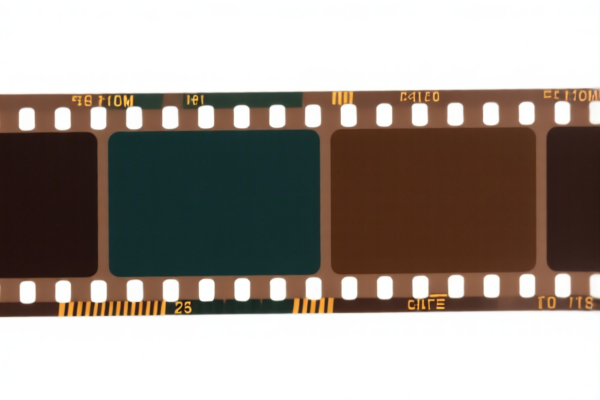
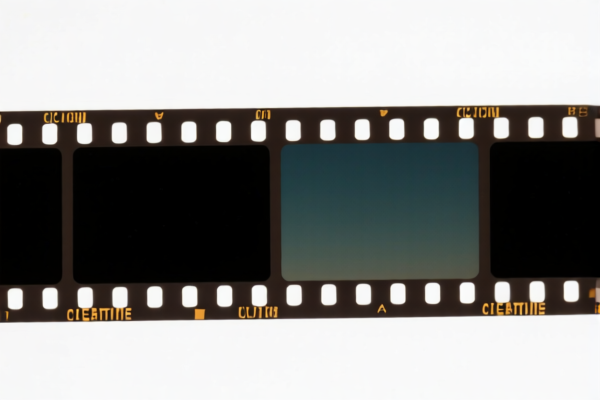

AI Analysis
🎞️ Sports Photography Color Film (彩色运动摄影胶卷)
🌐 HS Code Reference & Customs Clearance Guide | 2026 Latest Tariff Analysis | Professional Clearance Strategy
📌 I. Product Definition & Classification: What Exactly is "Sports Photography Color Film"?
Sports photography color film is a specialized photographic medium designed to capture high-speed action with vivid color reproduction. In international trade, its classification depends on its physical state (unexposed vs. exposed), chemical composition, and intended use (cinematic vs. still photography).
Unexposed Film (Raw Material/Photographic Material):
If the film is unexposed and used for general photographic purposes (including sports), it may fall under general photographic materials. However, if it is specifically shaped or treated for cinematography, it falls under "Motion Picture Film."
Exposed Film:
If the film has already been exposed (i.e., images have been captured on it), it is classified differently under Section XV or Section XVI, typically as "Other感光材料" (Other Sensitized Materials).
⚠️ Key Distinction:
- If the product is unexposed rolls intended for cameras → Check3706(Motion Picture Film) or3701(Photographic Plates/Film).
- If the product is exposed rolls (already shot) → Fall under3701.91(Other sensitized materials).
- "Sports Photography" is a usage scenario, not a primary HS Code determinant. The physical form (film strip, width, coating) dictates the code.
📦 II. HS Code Classification Details (Based on Provided Data)
| HS Code | Product Description | Applicable Scenario | Tax Rate |
|---|---|---|---|
3706.10.60.60 |
Motion Picture Film, Color, Other Features | Unexposed color film for cinematography, including specific formats for sports recording. | 35.0% |
3706.90.00.60 |
Other Motion Picture Film, Color | Unexposed color film for cinematography, not elsewhere specified. Broad category for film strips. | 35.0% |
3706.10.60.90 |
Other Motion Picture/Photographic Film | Unexposed film strips, color, used for specialized photography/cinematography. | 35.0% |
3701.91.00.60 |
Other Sensitized Materials, Flat, Exposed | Exposed color film (images already captured). Classified under general photographic materials. | 38.7% |
🔍 Critical Note:
- Codes3706.10.60.60,3706.90.00.60,3706.10.60.90apply to UNEXPOSED film. They are classified as "Motion Picture Film" due to their physical attributes (strip format, coating), even if used for sports stills.
- Code3701.91.00.60applies only if the film is ALREADY EXPOSED (e.g., returned from a sports event, raw digital negatives not yet processed into prints).
- DO NOT misclassify exposed film as unexposed; this is a common customs error leading to audits.
💰 III. 2026 Latest Tariff Rate Breakdown (Detailed Tax Clauses)
✅ Applicable Country: United States (US)
✅ Origin: China (CN)
✅ Effective Time: 2025/2026 (Including subsequent imports)
🎯 1. Codes 3706.10.60.60, 3706.90.00.60, 3706.10.60.90 —— Unexposed Color Film (Motion Picture Category)
| Item | Content |
|---|---|
| Base Tariff | 0.0% (ad valorem) |
| Section 301 Tariff | +25.0% (Additional tariff under US Trade Act Section 301) |
| Section 122 Tariff | +10.0% (Specific clause for certain Chinese goods) |
| Total Tariff | 35.0% |
| Tax Calculation | CIF Value × 35% |
| De Minimis Exemption | ❌ Not Applicable (Deny de minimis) |
| Legal Basis Path | Section 301: 9903.01.25 → Section 122: 9903.01.24 → USITC: 3706.xx.xx.xx → FOOTNOTE: Relevant Footnote for Film |
📌 Explanation:
- Although the base rate is 0%, the 25% Section 301 tariff and 10% Section 122 tariff are aggressive additions specifically targeting Chinese-origin photographic products in many categories.
- Total 35% is a high tariff burden.
- No de minimis exemption applies, meaning even small samples or personal use shipments may be subject to full duty if declared as commercial.
🎯 2. Code 3701.91.00.60 —— Exposed Color Film (Other Sensitized Materials)
| Item | Content |
|---|---|
| Base Tariff | 3.7% (ad valorem) |
| Section 301 Tariff | +25.0% |
| Section 122 Tariff | +10.0% |
| Total Tariff | 38.7% |
| Tax Calculation | CIF Value × 38.7% |
| De Minimis Exemption | ❌ Not Applicable (Deny de minimis) |
| Legal Basis Path | Section 301: 9903.01.25 → Section 122: 9903.01.24 → USITC: 3701.91.00.60 → FOOTNOTE: Relevant Footnote |
📌 Explanation:
- Even though the base rate is higher (3.7%), the additional tariffs (35%) make the total 38.7%, which is higher than the unexposed film rate (35%).
- This applies only if the film is already exposed.
- Risk: Declaring exposed film as unexposed to get 35% instead of 38.7% is fraud. Customs may inspect and seize goods.
🛠️ IV. Customs Clearance Practical Advice (Battle-Tested Pitfall Avoidance)
✅ 1. Required Documentation Checklist (Non-Negotiable)
| Document | Must Provide | Description |
|---|---|---|
| ✅ Product Specification Sheet | ✔️ | Must state: "Unexposed" or "Exposed," Color/BW, Format (e.g., 35mm, 16mm), Sensitivity (ISO). |
| ✅ Photos of Packaging & Label | ✔️ | Clear view of "Made in China," HS Code (if known), and product type. |
| ✅ Invoice & Packing List | ✔️ | Must match physical goods. Value must be accurate (CIF). |
| ✅ Certificate of Origin (CO) | ✔️ | Required for verifying Chinese origin and applying/adding tariff clauses. |
| ✅ Declaration Statement | ✔️ | Explicitly state: "Color Film, Unexposed, for Sports Photography Use." |
✅ 2. Declaration Tips (Key Mnemonics)
🔥 "State the State: Exposed or Unexposed? Name the Code, Save Your Funds!"
| Situation | Correct Declaration | Wrong Approach |
|---|---|---|
| Unexposed Color Film | 3706.10.60.60 / 3706.90.00.60 / 3706.10.60.90 |
Misclassify as 3701 → 38.7% or audit for mismatch. |
| Exposed Color Film | 3701.91.00.60 |
Declare as "Unexposed" → Customs Seizure & Fraud Charges. |
| Mixed Shipment (Unexposed + Exposed) | Split Declaration | Combine into one HS Code → High risk of rejection. |
| Small Quantity (Personal Use) | Still declare accurately | Assume de minimis applies → Do not assume. 35-38.7% tax still applies. |
✅ 3. Special Case Handling
| Situation | Handling Advice |
|---|---|
| OEM Custom Film | Provide design files or client authorization. State "Custom Specified Film." |
| Film for Advertising | No special exemption. Still classified as photographic film. |
| Digital vs. Analog | Do not confuse with digital sensors or memory cards (HS 8523). Film is chemical. |
| Film Cassettes vs. Rolls | Both are "film." Cassette format does not change HS code for 3706. |
🌍 V. Global Market Comparison (2026 Update)
| Country/Region | Recommended HS Code | Tariff (China Origin) | Certification | Notes |
|---|---|---|---|---|
| 🇺🇸 USA | 3706.10.60.60 (Unexposed) / 3701.91.00.60 (Exposed) |
35% (Unexposed) / 38.7% (Exposed) | None Specific | High tariffs due to Section 301 + 122. |
| 🇨🇳 China | 3706 / 3701 |
~6-13% | CCC (if applicable) | No Section 301/122 penalties for export from China, but import to China differs. |
| 🇪🇺 EU | 3706 / 3701 |
0-4.5% (Typically) | CE (if electronic components) | Generally lower tariffs. No Section 301. |
| 🇬🇧 UK | 3706 / 3701 |
0-4.5% | UKCA | Post-Brexit tariffs similar to EU. |
📌 Conclusion:
- USA is the most challenging market for Chinese-origin film due to 35-38.7% total tariffs.
- EU/UK are far more favorable, with tariffs often near 0%.
- If selling to the US, consider supply chain diversification (e.g., film manufactured in non-Chinese origin countries) to avoid Section 301/122 tariffs.
📌 VI. Common Mistakes & Pitfall Guide (Blood & Tears Lessons)
❌ Mistake 1: Declaring exposed film as unexposed to save 3.7%.
👉 Consequence: Customs inspection reveals chemical signs of exposure → Seizure, fines, and blacklist.
❌ Mistake 2: Using vague descriptions like "Photographic Stuff."
👉 Consequence: Customs assigns highest possible duty or holds goods for weeks → Storage fees & delays.
❌ Mistake 3: Assuming de minimis ($800) applies.
👉 Consequence: FALSE. Section 301/122 goods exclude de minimis. You will be taxed even on small shipments.
✅ Correct Action:
"Color Photographic Film, Unexposed, 35mm, 400ISO, for Sports Photography, Made in China, HS Code 3706.10.60.60"
🎯 VII. Conclusion: Professional Declaration, Cost Control
🎯 Remember the Mnemonic:
🔹 "Unexposed = 35%, Exposed = 38.7%. No De Minimis. State the State."
🔹 "Section 301 + 122 = 35-38.7%. Plan Your Supply Chain."
📌 Pro Tip:
If your film is exposed, and you are exporting from the US back to the US (e.g., returned goods), different rules may apply (Import Relief Duties exemption). However, for initial import, the 35-38.7% stands.
Consider Advance Ruling from CBP if the product form is ambiguous (e.g., digital film vs. chemical film).
📣 Immediate Action:
📞 Consult a licensed US customs broker + Provide product samples + Request CBP Advance Ruling.
🚀 Accurate Classification Saves Thousands. Avoid Audits.
✨ Professional Customs Clearance Starts with Precise Classification!
💼 Your Cost is Only as Good as Your HS Code!
Customer Reviews
About HS Code Classification
The Harmonized System (HS) is an internationally standardized nomenclature developed by the World Customs Organization (WCO) to classify traded products. Over 200 countries use the HS system as the basis for customs tariffs, trade statistics, and import/export regulations.
Each HS code follows a hierarchical structure:
- Chapter (2 digits) — Broad category of goods (e.g., Chapter 84: Machinery and Mechanical Appliances)
- Heading (4 digits) — More specific grouping within the chapter
- Subheading (6 digits) — Internationally standardized breakdown, used by all WCO member countries
- National subdivisions (8-10 digits) — Country-specific extensions for further classification, such as US HTSUS 10-digit codes
Correct HS code classification is essential for smooth customs clearance, accurate duty payment, and compliance with trade regulations. Misclassification can lead to customs delays, overpayment of duties, or penalties.
When importing from CN to US, the applicable tariff rates may include:
- Most-Favored-Nation (MFN) rate — The standard duty rate applied to WTO members
- General rate — Applied to countries without trade agreements
- Trade remedy duties — Additional tariffs such as Section 301 (anti-dumping), Section 232 (national security), or countervailing duties
The information provided on this page is for reference purposes only. For official classification, please consult with your local customs authority or a licensed customs broker.