Sports Skirt
CN → US| HS Code | Tariff Rate | Origin | Destination | Doc |
|---|---|---|---|---|
| 6114200010 | 20.8% | CN | US | Official Doc |
| 6211420540 | 25.6% | CN | US | Official Doc |
| 6211430550 | 33.5% | CN | US | Official Doc |
| 6109100027 | 34.0% | CN | US | Official Doc |
| 6211335035 | 33.5% | CN | US | Official Doc |
Product Images
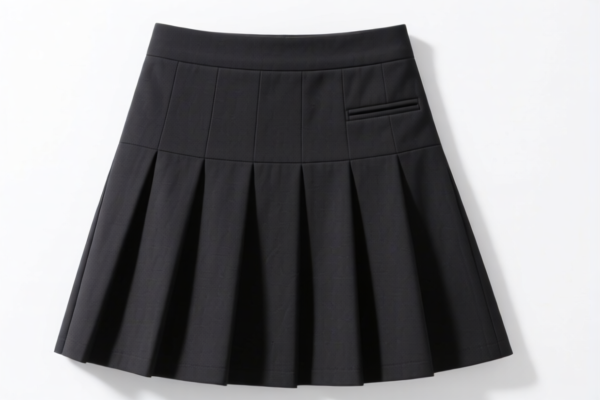
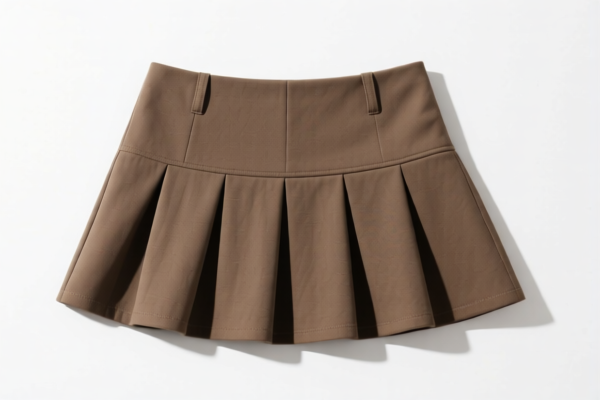
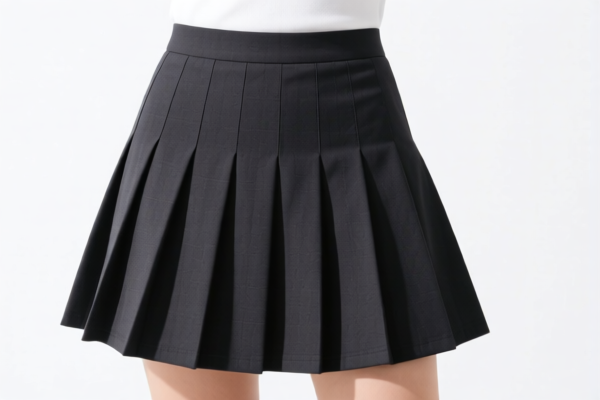
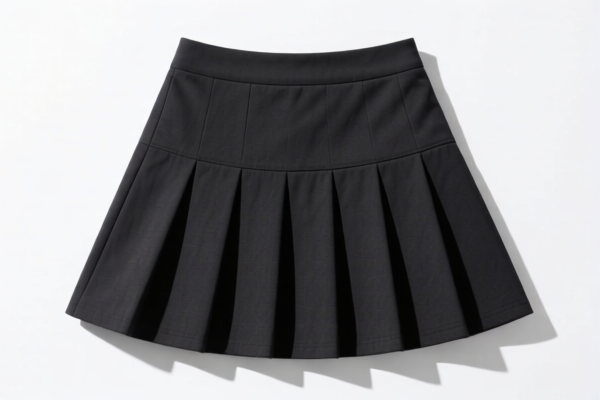
AI Analysis
👗 Sports Skirt (Active Wear for Women)
🌐 HS Code Reference & Clearance Guide | 2026 Latest Tariff Analysis | Professional Clearance Strategy
📌 1. Product Definition and Classification: Do You Really Know "Sports Skirt"?
A sports skirt is a garment designed for athletic activities, combining functionality with style. In international trade, it is primarily classified under Chapter 61 (Knitted/Crocheted) or Chapter 62 (Non-Knitted), depending on the material and construction. The key factors for classification are: * Material: Cotton, Synthetic Fibers (Polyester, Nylon, etc.), or Man-made Textiles. * Structure: Knitted vs. Non-Knitted. * Target Audience: Female. * Usage: Sports/Outdoor/Athletic.
⚠️ Key Distinction Point:
- If it is knitted/crocheted (stretchy, jersey-like) → Typically Chapter 61.
- If it is non-knitted (woven, structured like a tennis skirt or hiking skirt) → Typically Chapter 62.
- Synthetic vs. Cotton: Tariff rates vary significantly based on fiber composition due to US trade policies.
📦 2. HS Code Classification Details (2026 Latest Tariff Alignment)
Based on the provided data for "Sports Skirt" (implied Female Sports Apparel), here are the matched HS Codes and their corresponding tax structures:
| HS Code | Product Description | Inferred Material | Total Tax Rate | Tax Breakdown (US Market) |
|---|---|---|---|---|
| 6114.20.00.10 | Sports-style women's apparel | Cotton or Synthetic Fiber (Knitted) | 20.8% | Base: 10.8% + Section 122: 10% |
| 6211.42.05.40 | Sports-style women's apparel | Cotton or Synthetic Fiber (Non-Knitted) | 25.6% | Base: 8.1% + Sec 301: 7.5% + Section 122: 10% |
| 6211.43.05.50 | Sports/Outdoor women's apparel | Man-made Fibers (Non-Knitted) | 33.5% | Base: 16.0% + Sec 301: 7.5% + Section 122: 10% |
| 6109.10.00.27 | Sports apparel (Knitted/Crocheted) | Cotton or Polyester (Knitted) | 34.0% | Base: 16.5% + Sec 301: 7.5% + Section 122: 10% |
| 6211.33.50.35 | Sports suit/apparel | Man-made or Other Fibers (Non-Knitted) | 33.5% | Base: 16.0% + Sec 301: 7.5% + Section 122: 10% |
🔍 Key Reminder:
- 6114.20.00.10 offers the lowest total tax rate (20.8%), but it strictly applies to knitted items made of cotton or synthetic fibers.
- Items classified under 6211.43 or 6211.33 carry higher base tariffs (16%) because they are often non-knitted (woven) and made of man-made fibers, which attract higher duties.
- Section 122 Tariff (10%) is applied across all categories in the provided data, significantly impacting the final cost.
💰 3. 2026 Latest Tariff Rate Details (Including Surcharges)
✅ Applicable Country: USA (US)
✅ Origin: China (CN)
✅ Effective Time: Current applicable rates include Section 122 and Section 301 surcharges.
🎯 1. 6114.20.00.10 —— Knitted Sports Apparel (Lowest Tax Option)
| Item | Content |
|---|---|
| Base Tariff | 10.8% (ad valorem) |
| Section 122 Tariff | +10% (Specific to certain apparel items) |
| Section 301 Tariff | 0.0% (Not applicable for this specific subheading in the provided data) |
| Total Tax Rate | 20.8% |
| Calculation | CIF Value × 20.8% |
| De Minimis Eligibility | ❌ Not Eligible (Section 321 exemption usually does not apply to apparel from China due to specific restrictions) |
📌 Explanation:
- This is the most cost-effective classification for sports skirts if they are knitted.
- The absence of Section 301 (7.5%) makes this significantly cheaper than other options.
- Crucial: Ensure the garment is genuinely knitted (e.g., jersey fabric). Woven skirts misclassified here will face penalties.
🎯 2. 6211.42.05.40 —— Non-Knitted Sports Apparel (Cotton/Synthetic)
| Item | Content |
|---|---|
| Base Tariff | 8.1% |
| Section 301 Tariff | +7.5% (USITC Footnote) |
| Section 122 Tariff | +10% |
| Total Tax Rate | 25.6% |
| Calculation | CIF Value × 25.6% |
| De Minimis Eligibility | ❌ Not Eligible |
📌 Note:
- Lower base tariff (8.1%) but hit by Section 301 (7.5%) and Section 122 (10%).
- Suitable for woven sports skirts (e.g., tennis skirts with pleats).
🎯 3. 6211.43.05.50 & 6211.33.50.35 —— High-Tax Man-Made Fiber Apparel
| Item | Content |
|---|---|
| Base Tariff | 16.0% |
| Section 301 Tariff | +7.5% |
| Section 122 Tariff | +10% |
| Total Tax Rate | 33.5% |
| Calculation | CIF Value × 33.5% |
📌 Warning:
- These codes apply to man-made fiber non-knitted apparel.
- High base rate (16%) due to trade policy targeting synthetic textiles.
- Avoid unless the product structure mandates it (e.g., technical hiking skirts).
🎯 4. 6109.10.00.27 —— Knitted Sports Apparel (Higher Base Rate)
| Item | Content |
|---|---|
| Base Tariff | 16.5% |
| Section 301 Tariff | +7.5% |
| Section 122 Tariff | +10% |
| Total Tax Rate | 34.0% |
| Calculation | CIF Value × 34.0% |
📌 Note:
- Despite being knitted (Chapter 61), this specific subheading has a higher base rate (16.5%) than 6114.
- Likely applies to specific types of t-shirts or tops mistakenly grouped here, or specific technical knitted wear.
- Not recommended for standard sports skirts if 6114.20 is applicable.
🛠️ 4. Clearance Practical Advice (Pitfall Avoidance Guide)
✅ 1. Preparation Checklist (Essential Documents)
| Document | Required | Description |
|---|---|---|
| ✅ Product Specification Sheet | ✔️ | Must specify fabric composition (e.g., 95% Polyester, 5% Spandex) and construction type (Knitted vs. Woven). |
| ✅ Fabric Swatch/Photo | ✔️ | Proof of knitted or woven structure. Crucial for distinguishing between 6114 and 6211. |
| ✅ Commercial Invoice | ✔️ | Clearly state "Sports Skirt for Women" and detailed material breakdown. |
| ✅ Packing List | ✔️ | Include item count, weight, and dimensions. |
| ✅ Brand Authorization Letter | ✔️ | If branded, to avoid IP seizures. |
✅ 2. Declaration Tips (Key Rules)
🔥 "Knit is 61, Woven is 62. Material dictates base rate. Section 122 adds 10%."
| Scenario | Correct Declaration | Wrong Practice |
|---|---|---|
| Jersey-style Sports Skirt (Stretchy) | 6114.20.00.10 (20.8%) |
Declaring as 6211.42 → Paying 25.6% (Overpayment) |
| Pleated Tennis Skirt (Woven) | 6211.42.05.40 (25.6%) |
Declaring as 6114.20 → Misclassification Penalty |
| Technical Hiking Skirt (Synthetic Woven) | 6211.43.05.50 (33.5%) |
Using lower-rate codes → Audit Risk |
| Mixed Material (e.g., Cotton + Polyester) | Use the material defining the essential character | Ambiguous description → Customs Delay |
✅ 3. Special Considerations
| Situation | Handling Advice |
|---|---|
| OEM Custom Skirts | Provide design drawings and fabric specs to prove "Sports" usage and material. |
| Section 122 Impact | Remember that 10% is added to ALL apparel items in the provided data. Factor this into pricing. |
| De Minimis (Section 321) | Apparel from China is generally NOT eligible for $800 de minimis exemption. Full duty and tax apply. |
| Labeling | Must include country of origin ("Made in China") and fiber content as per FTC rules. |
🌍 5. Global Market Comparison (2026 Latest)
| Country/Region | Recommended HS Code | Tariff Rate | Certification | Note |
|---|---|---|---|---|
| 🇺🇸 USA | 6114.20.00.10 |
20.8% (Best Case) | None specific for apparel | Section 122 applies. High risk for misclassification. |
| 🇨🇳 China | 6114.20.00.10 |
~10-16% | None | Lower base rates, but import taxes differ. |
| 🇪🇺 EU | 6104.53 / 6204.53 |
~12% | CE (if tech fabric) | No Section 122/301. Standard MFN rates apply. |
| 🇬🇧 UK | 6104.53 |
~12% | UKCA | Post-Brexit, similar to EU but separate rules. |
📌 Conclusion:
- The US market is the most complex due to Section 122 and Section 301.
- Optimizing for6114.20.00.10(Knitted, Cotton/Synthetic) saves ~13% compared to man-made woven options.
- Verify fabric structure: If it’s a stretchy jersey skirt, push for 6114. If it’s a structured woven skirt, accept the 25.6%+ rate.
📌 6. Common Errors & Pitfalls (Blood Lessons)
❌ Error 1: Misclassifying Woven skirts as Knitted (6114) to save 10-15%
👉 Consequence: Customs audit, back taxes, and penalties. Woven ≠ Knitted.
❌ Error 2: Ignoring Section 122 (10%) in cost calculation
👉 Consequence: Profit margin erosion. Every apparel item from China faces this 10% surcharge.
❌ Error 3: Using vague descriptions like "Skirt" without specifying Material or Construction
👉 Consequence: Customs may assign the highest default rate (e.g., 33.5%) or hold the shipment.
❌ Error 4: Assuming De Minimis ($800) applies
👉 Consequence: Apparel from China is excluded from Section 321 exemptions. Full duty applies.
✅ Correct Practice:
"Women's Knitted Sports Skirt, 95% Polyester/5% Spandex, Jersey Fabric, Black, Size M"
HS Code:6114.20.00.10| Tax: 20.8%
🎯 7. Conclusion: Precise Classification, Maximize Profit!
🎯 Remember the Mantra:
🔹 "Knit is 61, Woven is 62."
🔹 "6114 is cheapest (20.8%), 6211 is moderate (25.6-33.5%)."
🔹 "Section 122 adds 10% to ALL apparel."
🔹 "No De Minimis for Chinese Apparel."
📌 Pro Tip:
If your sports skirt is knitted and made of cotton or synthetic fibers, insist on 6114.20.00.10 during declaration. This saves you up to 13.2% in taxes compared to other options.
For woven skirts, prepare for 25.6%-33.5% and factor this into your landed cost.
📣 Immediate Action:
📞 Consult a Licensed Broker to verify fabric structure (Knitted vs. Woven).
📄 Provide Detailed Fabric Specs to avoid misclassification.
🚀 Optimize Your HS Code to ensure you pay the lowest legal rate!
✨ Professional clearance starts with accurate classification!
💼 Every percentage point saved is pure profit!
Customer Reviews
About HS Code Classification
The Harmonized System (HS) is an internationally standardized nomenclature developed by the World Customs Organization (WCO) to classify traded products. Over 200 countries use the HS system as the basis for customs tariffs, trade statistics, and import/export regulations.
Each HS code follows a hierarchical structure:
- Chapter (2 digits) — Broad category of goods (e.g., Chapter 84: Machinery and Mechanical Appliances)
- Heading (4 digits) — More specific grouping within the chapter
- Subheading (6 digits) — Internationally standardized breakdown, used by all WCO member countries
- National subdivisions (8-10 digits) — Country-specific extensions for further classification, such as US HTSUS 10-digit codes
Correct HS code classification is essential for smooth customs clearance, accurate duty payment, and compliance with trade regulations. Misclassification can lead to customs delays, overpayment of duties, or penalties.
When importing from CN to US, the applicable tariff rates may include:
- Most-Favored-Nation (MFN) rate — The standard duty rate applied to WTO members
- General rate — Applied to countries without trade agreements
- Trade remedy duties — Additional tariffs such as Section 301 (anti-dumping), Section 232 (national security), or countervailing duties
The information provided on this page is for reference purposes only. For official classification, please consult with your local customs authority or a licensed customs broker.