Sports and Swimming Apparel
CN → US| HS Code | Tariff Rate | Origin | Destination | Doc |
|---|---|---|---|---|
| 6109901049 | 49.5% | CN | US | Official Doc |
| 6211325050 | 25.6% | CN | US | Official Doc |
| 6109100027 | 34.0% | CN | US | Official Doc |
| 6211335035 | 33.5% | CN | US | Official Doc |
Product Images
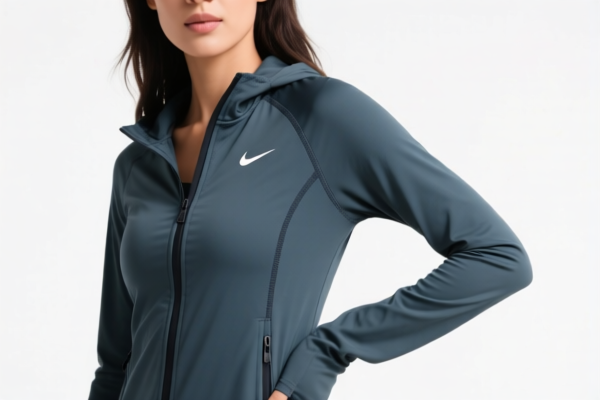
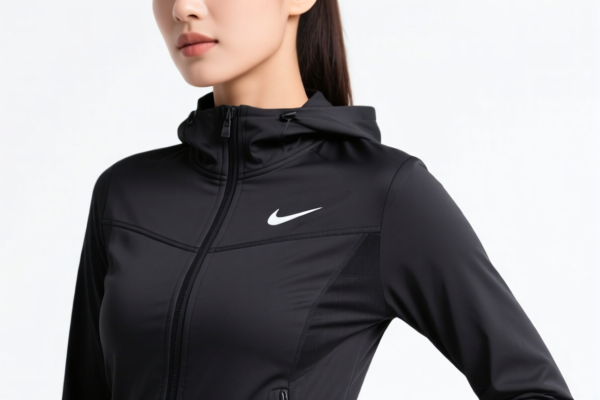
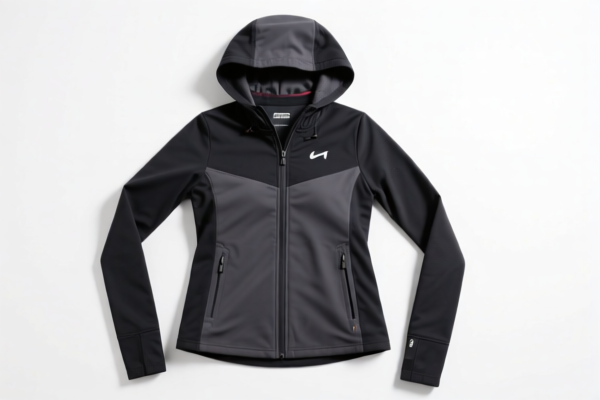
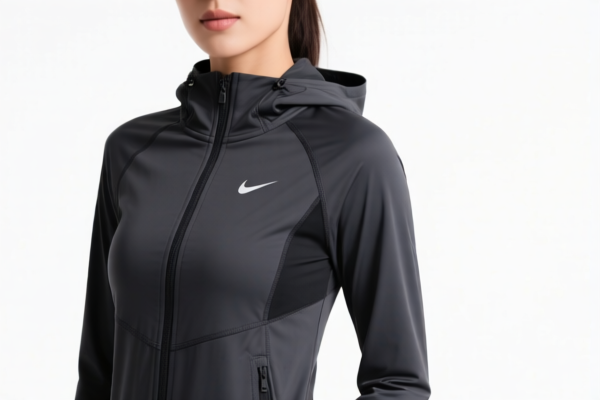
AI Analysis
👙 Sports and Swimming Apparel (Sportswear & Swimwear)
🌐 HS Code Reference & Customs Clearance Guide | 2026 Latest Tariff Analysis | Professional Entry Strategy
📌 I. Product Definition & Classification: Understanding "Sports & Swimwear"
Sports and swimming apparel refers to garments designed for physical exercise, athletic competitions, or recreational water activities. In international trade, these items are primarily classified based on fabric construction (knitted vs. woven) and material composition (cotton vs. synthetic/man-made fibers).
Key Distinctions: 1. Knitted/Crocheted Items (Chapter 61): Typically includes T-shirts, tank tops, and lightweight jerseys made from cotton or synthetic knits. These are flexible and stretchy. 2. Woven Items (Chapter 62): Includes track suits, windbreakers, and structured sportswear made from woven fabrics. These are more rigid and durable.
⚠️ Critical Classification Point:
- If the garment is knitted (e.g., a cotton or polyester jersey) → Likely Chapter 61.
- If the garment is woven (e.g., a nylon or polyester track suit) → Likely Chapter 62.
- Swimwear specifically falls under 6211 (Swimming, Wading, and Diving Suits) if woven, or 6111/6114 if knitted, but often grouped under general sportswear headings depending on specific design features like rash guards vs. competitive swim suits.
📦 II. HS Code Classification Details (2026 Latest Tariff Alignment)
Based on the provided data, the following HS Codes are the most relevant for "Sports and Swimming Apparel":
| HS Code | Product Description | Material/Type | Tax Category |
|---|---|---|---|
6109.90.10.49 |
Knitted/Crocheted T-shirts, singlets, or jerseys (Other than Cotton/Pure Silk) | Man-made fibers or Cotton blend; Knitted | 49.5% Total |
6211.32.50.50 |
Woven Garments, Other (e.g., Swimwear, Windbreakers) | Not Cotton; Woven construction | 25.6% Total |
6109.10.00.27 |
Knitted/Crocheted T-shirts, Singlets (Cotton) | Cotton; Knitted | 34.0% Total |
6211.33.50.35 |
Woven Garments, Other (e.g., Sportswear) | Man-made fibers or Other Fibers; Woven | 33.5% Total |
🔍 Key Takeaway:
- Knitted Cotton Sportswear (6109.10.00.27) attracts a 34.0% duty.
- Knitted Synthetic Sportswear (6109.90.10.49) attracts the highest duty at 49.5%.
- Woven Swimwear/Sportswear (6211.32.50.50/6211.33.50.35) ranges from 25.6% to 33.5%.
💰 III. 2026 Latest Tariff Rate Breakdown (Including Duties & Surcharges)
✅ Applicable Country: United States (US)
✅ Origin: China (CN)
✅ Effective Date: 2025 November 10 (and subsequent imports)
🎯 1. 6109.90.10.49 – Knitted T-shirts/Jerseys (Synthetic/Other Materials)
| Item | Details |
|---|---|
| Base Duty | 32.0% |
| Section 301 Surcharge | +7.5% |
| Section 122 Surcharge | +10% |
| Total Duty Rate | 49.5% |
| Tax Calculation | CIF Value × 49.5% |
| De Minimis Exemption | ❌ Not Eligible (deny_de_minimis) |
| Legal Basis | USITC Base + 301 Footnote + IEEPA 122 |
📌 Explanation:
- This is the highest tariff bracket among the listed sportswear items.
- The 32% base duty is standard for knitted synthetic apparel.
- The 7.5% Section 301 tariff and 10% Section 122 tariff are additional penalties for Chinese origin goods.
- Total burden: 49.5%, which significantly impacts profit margins.
🎯 2. 6211.32.50.50 – Woven Garments, Other (Non-Cotton)
| Item | Details |
|---|---|
| Base Duty | 8.1% |
| Section 301 Surcharge | +7.5% |
| Section 122 Surcharge | +10% |
| Total Duty Rate | 25.6% |
| Tax Calculation | CIF Value × 25.6% |
| De Minimis Exemption | ❌ Not Eligible (deny_de_minimis) |
| Legal Basis | USITC Base + 301 Footnote + IEEPA 122 |
📌 Explanation:
- This code often covers swimwear or woven sport jackets.
- The base duty is low (8.1%), making it one of the most tariff-efficient options.
- However, the 17.5% surcharges (301 + 122) still apply, bringing the total to 25.6%.
🎯 3. 6109.10.00.27 – Knitted T-shirts (Cotton)
| Item | Details |
|---|---|
| Base Duty | 16.5% |
| Section 301 Surcharge | +7.5% |
| Section 122 Surcharge | +10% |
| Total Duty Rate | 34.0% |
| Tax Calculation | CIF Value × 34.0% |
| De Minimis Exemption | ❌ Not Eligible (deny_de_minimis) |
| Legal Basis | USITC Base + 301 Footnote + IEEPA 122 |
📌 Explanation:
- Cotton knitted garments have a higher base duty (16.5%) than synthetic woven ones.
- Total burden: 34.0%, which is moderate but higher than woven non-cotton options.
🎯 4. 6211.33.50.35 – Woven Garments, Other (Man-Made/Other Fibers)
| Item | Details |
|---|---|
| Base Duty | 16.0% |
| Section 301 Surcharge | +7.5% |
| Section 122 Surcharge | +10% |
| Total Duty Rate | 33.5% |
| Tax Calculation | CIF Value × 33.5% |
| De Minimis Exemption | ❌ Not Eligible (deny_de_minimis) |
| Legal Basis | USITC Base + 301 Footnote + IEEPA 122 |
📌 Explanation:
- Similar to6211.32.50.50but with a slightly higher base duty (16.0% vs 8.1%).
- Total burden: 33.5%, making it comparable to cotton knitted items.
🛠️ IV. Customs Clearance Practical Advice (Actionable Tips)
✅ 1. Documentation Checklist (Mandatory)
| Document | Required? | Notes |
|---|---|---|
| ✅ Product Specification Sheet | ✔️ | Must specify fabric type (Knitted/Woven), Material (Cotton/Synthetic), and Intended Use (Sports/Swim). |
| ✅ Composition Label | ✔️ | Must clearly state fiber content (e.g., "100% Polyester," "60% Cotton/40% Polyester"). |
| ✅ Commercial Invoice | ✔️ | Must match HS Code and describe goods as "Sportswear" or "Swimwear" accurately. |
| ✅ Packing List | ✔️ | Include quantity, weight, and dimensions. |
| ✅ Origin Certificate | ✔️ | If applicable for non-China origins, to potentially avoid surcharges. |
| ✅ Photos | ✔️ | Show tags, labels, and garment structure (knitted vs. woven). |
✅ 2. Declaration Strategy (Key Principles)
🔥 "Fabric Type Dictates Code, Structure Determines Chapter, Label Must Match!"
| Scenario | Correct HS Code | Why? |
|---|---|---|
| Cotton T-Shirt (Knitted) | 6109.10.00.27 |
Knitted + Cotton = Chapter 61, specific cotton subheading. |
| Polyester Jersey (Knitted) | 6109.90.10.49 |
Knitted + Synthetic = Chapter 61, "Other" subheading. |
| Swimwear (Woven, Not Cotton) | 6211.32.50.50 |
Woven + Non-Cotton = Chapter 62, specific swimwear/sport subheading. |
| Windbreaker (Woven, Synthetic) | 6211.33.50.35 |
Woven + Synthetic = Chapter 62, "Other" subheading. |
⚠️ Warning:
- Misdeclaring a knitted item as woven can lead to severe penalties.
- Misdeclaring cotton as synthetic (or vice versa) affects the base duty rate significantly.
✅ 3. Cost Optimization Tips
| Strategy | Impact |
|---|---|
| Choose Woven Over Knitted | Woven items (6211) have lower base duties (8.1%-16.0%) vs. knitted (6109, 16.5%-32.0%). |
| Use Synthetic Materials | Synthetic knitted (6109.90) has a high base duty (32%), but woven synthetic (6211.32) is lower (8.1%). |
| Avoid Cotton Knits if Possible | Cotton knits (6109.10) have a 16.5% base duty, higher than woven synthetics. |
| Verify "Swimwear" Classification | Ensure items qualify as "Swimwear" under 6211 for potentially lower base duties. |
🌍 V. Global Market Comparison (2026 Latest)
| Country/Region | Recommended HS Code | Duty Rate (China Origin) | Key Certifications |
|---|---|---|---|
| 🇺🇸 USA | 6211.32.50.50 (Woven) |
25.6% (Lowest among options) | None specific |
| 🇺🇸 USA | 6109.90.10.49 (Knitted Synth) |
49.5% (Highest) | None specific |
| 🇨🇳 China | 6109 / 6211 |
5% - 10% | CCC (if applicable) |
| 🇪🇺 EU | 6109 / 6211 |
0% - 12% | CE (if technical) |
| 🇯🇵 Japan | 6109 / 6211 |
0% - 8% | JIS (if applicable) |
📌 Conclusion:
- USA imposes significant surcharges on Chinese sportswear, making classification critical.
- Woven non-cotton items (6211.32.50.50) offer the lowest total duty (25.6%).
- Knitted synthetic items (6109.90.10.49) are the most expensive (49.5%).
📌 VI. Common Mistakes & Pitfalls
❌ Mistake 1: Misidentifying Knitted vs. Woven
👉 Result: Wrong HS Code → Audit or Penalty.
💡 Fix: Check the fabric stretch and structure. Knitted looks like a woven loop; woven looks like a grid.
❌ Mistake 2: Ignoring Material Composition
👉 Result: Incorrect base duty. Cotton vs. Synthetic changes the rate by 8.4% - 23.9%.
💡 Fix: Always check the garment label.
❌ Mistake 3: Assuming De Minimis Exemption Applies
👉 Result: Seizure or Back Taxes.
💡 Fix: Sportswear from China is NOT eligible for de minimis under Section 321. All duties must be paid.
✅ Correct Approach:
"Woven Polyester Swimwear, Size M, Label: 100% Polyester, HS Code: 6211.32.50.50, Duty: 25.6%"
🎯 VII. Conclusion: Smart Classification, Smarter Profits
🎯 Remember the Rule:
🔹 "Woven Non-Cotton Wins" (
6211.32.50.50→ 25.6% total duty).
🔹 "Knitted Synthetic Loses" (6109.90.10.49→ 49.5% total duty).
🔹 "Cotton Knits in the Middle" (6109.10.00.27→ 34.0% total duty).
📌 Pro Tip:
If your product can be designed as a woven synthetic swimwear or sport jacket, you save ~24% in duties compared to knitted synthetics.
Always pre-classify with a customs broker to avoid surprises at the border.
📣 Immediate Action:
📞 Consult a Customs Broker for a Binding Ruling.
🚀 Optimize Design: Choose woven fabrics over knitted ones where possible to reduce duty burden.
✨ Precision in Classification, Precision in Profit!
💼 Your Apparel Business Deserves the Best Clearance Strategy!
Customer Reviews
About HS Code Classification
The Harmonized System (HS) is an internationally standardized nomenclature developed by the World Customs Organization (WCO) to classify traded products. Over 200 countries use the HS system as the basis for customs tariffs, trade statistics, and import/export regulations.
Each HS code follows a hierarchical structure:
- Chapter (2 digits) — Broad category of goods (e.g., Chapter 84: Machinery and Mechanical Appliances)
- Heading (4 digits) — More specific grouping within the chapter
- Subheading (6 digits) — Internationally standardized breakdown, used by all WCO member countries
- National subdivisions (8-10 digits) — Country-specific extensions for further classification, such as US HTSUS 10-digit codes
Correct HS code classification is essential for smooth customs clearance, accurate duty payment, and compliance with trade regulations. Misclassification can lead to customs delays, overpayment of duties, or penalties.
When importing from CN to US, the applicable tariff rates may include:
- Most-Favored-Nation (MFN) rate — The standard duty rate applied to WTO members
- General rate — Applied to countries without trade agreements
- Trade remedy duties — Additional tariffs such as Section 301 (anti-dumping), Section 232 (national security), or countervailing duties
The information provided on this page is for reference purposes only. For official classification, please consult with your local customs authority or a licensed customs broker.