Sports and swimming garments
CN → US| HS Code | Tariff Rate | Origin | Destination | Doc |
|---|---|---|---|---|
| 6109901049 | 49.5% | CN | US | Official Doc |
| 6211325050 | 25.6% | CN | US | Official Doc |
| 6109100027 | 34.0% | CN | US | Official Doc |
| 6211335035 | 33.5% | CN | US | Official Doc |
Product Images
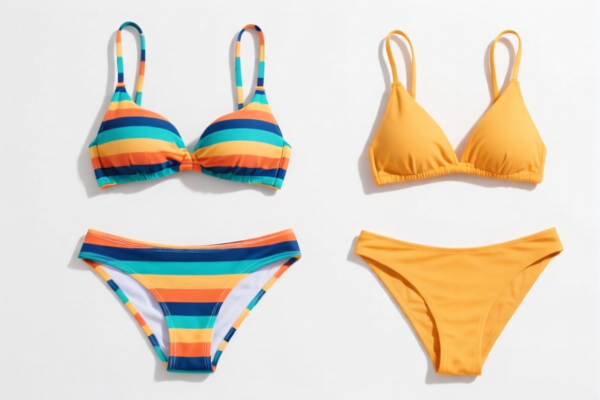
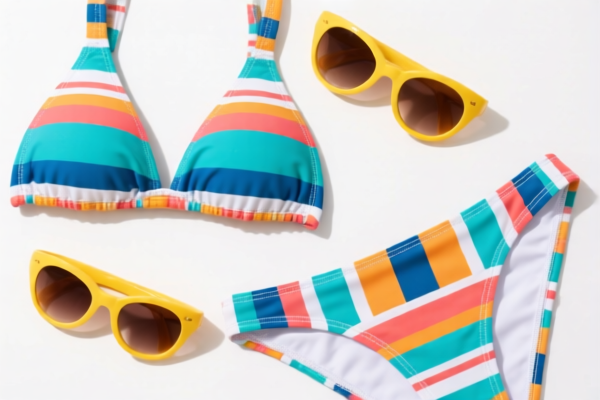
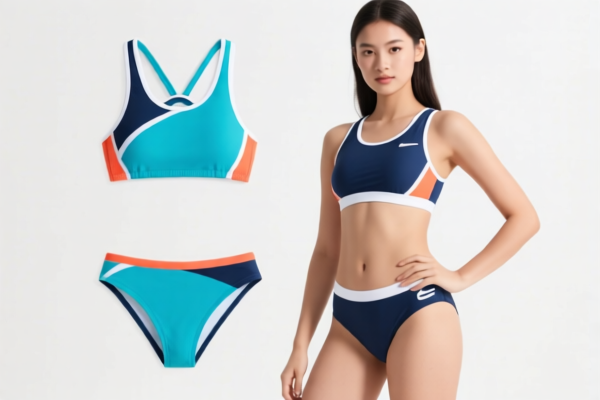
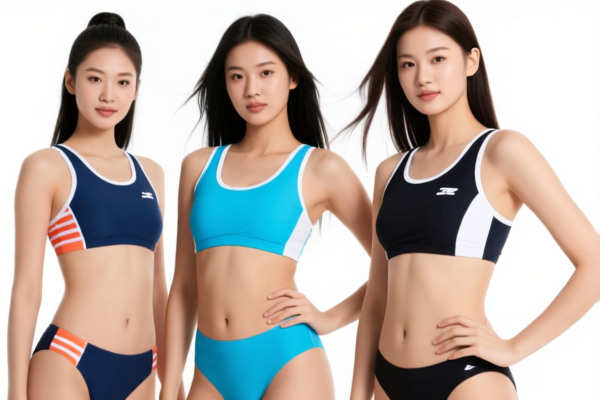
AI Analysis
🏊♂️👕 Sports and Swimming Garments: The Ultimate 2026 HS Code & Tax Clearance Guide
🌐 Global Trade Compliance | 2026 Tariff Masterclass | Professional Clearance Strategy
📌 I. Product Definition & Classification: Are You Actually Selling "Swimwear" or "Sportswear"?
Sports and Swimming Garments represent a high-traffic category in global apparel trade. However, confusion often arises between knitted vs. woven structures and material composition (Cotton vs. Synthetic), which drastically alter the HS Code and Tax Liability.
The Two Main Categories: 1. Knitted/Swimming Garments (Chapter 61): Typically made of elastic synthetic fibers (Polyester, Nylon, Spandex) for active use. Includes t-shirts, shorts, and swimsuits. 2. Woven/Sports Wear (Chapter 62): Often used for outer layers, tracksuits, or formal sports attire. Can be cotton or synthetic blends.
⚠️ Critical Classification Distinction:
- Knitted Fabric (Chapter 61): Stretchy, jersey, or mesh. → Lower Base Tax, Higher USITC (Section 232/301) if applicable.
- Woven Fabric (Chapter 62): Structured, non-stretchy. → Different Base Rates, often different "Add-on" penalties.
- Material Matters: "Cotton" (High base tax) vs. "Man-made Fibers" (Lower base tax but heavy Section 232/301 surcharges).
📦 II. HS Code Classification Matrix (2026 Tax Data)
Based on the provided dataset, here is the precise breakdown for Sports and Swimming Garments imported into the US.
| HS Code | Product Description & Attributes | Material Base | Total Tax Rate | Key Tax Components |
|---|---|---|---|---|
| 6109.90.10.49 | Sports Shirts (Knitted) Matching form & function; synthetic or cotton blend. |
Man-made Fibers / Cotton | 49.5% | Base: 32.0% + Add: 7.5% + Sec 122: 10% |
| 6109.10.00.27 | Cotton Sports T-Shirts (Knitted) Knitted/crocheted; cotton/poly blend. |
Cotton | 34.0% | Base: 16.5% + Add: 7.5% + Sec 122: 10% |
| 6211.32.50.50 | Woven Sports Sets/Outerwear For sports/recreation; non-cotton conflict. |
Synthetic (Woven) | 25.6% | Base: 8.1% + Add: 7.5% + Sec 122: 10% |
| 6211.33.50.35 | Synthetic Sports Suits (Woven) Man-made fiber sports wear. |
Man-made Fibers (Woven) | 33.5% | Base: 16.0% + Add: 7.5% + Sec 122: 10% |
🔍 Data Insight:
- The "Knitted" Shock: 6109.90.10.49 carries a massive 49.5% total tax due to a high 32% Base Tariff. This is often a trap for generic "sports shirts." - The "Woven" Advantage: 6211.32.50.50 is the most cost-effective at 25.6%, thanks to a very low 8.1% Base Tariff, despite having the same Add-on/Section 122 surcharges. - Cotton vs. Synthetic (Knitted): If your product is 100% Cotton Knitted (6109.10.00.27), the tax is 34.0%. If it's Synthetic Knitted (6109.90.10.49), it jumps to 49.5%.
💰 III. 2026 Tax Breakdown & Policy Mechanics
🎯 The "Section 122" Penalty (The 10% Surge)
All entries in the provided data include a 10% "122 Clause" Tariff.
* What is it? Likely refers to specific USITC or Section 301/232 related "Special" duties targeting Chinese manufacturing (common in textiles/apparel).
* Application: Applied on top of the Base + Add-on rates.
* Calculation: (Base + Add-on) + 10% of (Base + Add-on) OR Flat 10% addition? Data implies additive component.
🎯 Detailed Tax Structure by Category
1️⃣ 6109.90.10.49: The "High-Price" Knitted Synthetic Shirt
- Base Tariff: 32.0% (Extremely high for textiles).
- Add-on (Section 301/232): 7.5%.
- 122 Clause Tariff: 10%.
- 💥 Total: 49.5%
- ⚠️ Risk: This is a prohibitive rate. Unless the product has unique design/value, margins will be crushed.
2️⃣ 6109.10.00.27: The "Cotton" Knitted T-Shirt
- Base Tariff: 16.5% (Moderate).
- Add-on: 7.5%.
- 122 Clause: 10%.
- 💥 Total: 34.0%
- ✅ Strategy: Cotton items often face lower base rates but must strictly prove material composition to avoid being re-classified as "synthetic."
3️⃣ 6211.32.50.50: The "Woven" Sports Set (Best Value)
- Base Tariff: 8.1% (Very Low!).
- Add-on: 7.5%.
- 122 Clause: 10%.
- 💥 Total: 25.6%
- ✅ Strategy: Ideal for tracksuits, woven windbreakers, or formal athletic wear. Avoid knitted fabric if possible to capture this rate.
4️⃣ 6211.33.50.35: The "Synthetic" Woven Suit
- Base Tariff: 16.0%.
- Add-on: 7.5%.
- 122 Clause: 10%.
- 💥 Total: 33.5%
- ⚠️ Note: Slightly higher than 6211.32.50.50. Ensure the "Non-cotton conflict" clause is met to avoid being pushed to 6211.33 rates.
🛠️ IV. Customs Clearance & Operational Strategy
✅ 1. Documentation Checklist (Non-Negotiable)
To survive the 49.5% scrutiny, you need: | Document | Requirement | Why? | | :--- | :--- | :--- | | Detailed Tech Pack | Must specify Knitted vs. Woven clearly. | Misclassification = 100% penalty + seizure. | | Fiber Content Certificate | "100% Cotton" or "95% Polyester/5% Spandex". | Determines if you fall under 6109.10 (Cotton) vs 6109.90 (Synthetic). | | Swim Test Certification | ISO/ASTM standards for swimwear. | Required for "Swimming Garments" claims to justify function. | | Origin Declaration (Form) | Proof of origin (CN vs. Other). | Critical for Section 122 exemptions (if any exist for non-CN). | | Structure Diagram | Show seams, lining, and fabric type. | Proves "Woven" vs "Knitted" if fabric is ambiguous. |
✅ 2. The "Golden Rule" for Classification
🚨 DO NOT just declare "Sports Garment."
✅ DO declare: "WOMEN'S KNITTED POLYESTER T-SHIRT" or "MEN'S WOVEN SWIM TRUNKS."
Classification Logic Flow: 1. Is it Knitted? * YES → Chapter 61 (6109.xxxx) → Check Material: Cotton (16.5% Base) vs. Synthetic (32.0% Base). * NO → Chapter 62 (6211.xxxx) → Check Function: Sports Set (8.1% Base) vs. Synthetic Suit (16.0% Base). 2. Is it Swimwear? * Usually falls under 6111/6211 specific swim sub-codes. If not explicitly listed in your data, ensure it fits the "Sports" summary provided.
✅ 3. Cost Optimization Strategy
| Scenario | Action | Expected Tax Saving |
|---|---|---|
| Switching Fabric | Switch from Knitted Synthetic to Woven Synthetic (6211.32.50.50). | 23.9% Reduction (From 49.5% to 25.6%). |
| Material Shift | Ensure Cotton content is documented for Knitted items. | 15.5% Reduction (From 49.5% to 34.0%). |
| Avoid "Sports Shirt" Trap | Classify as "Swimming Garment" if applicable to see if a better rate exists (not in data, but standard practice). | Potential 5-10% (if specific swim codes exist). |
🚫 V. Common Pitfalls & Avoidance
| ❌ Pitfall | Consequence | Solution |
|---|---|---|
| "Knitted vs. Woven" Ambiguity | Customs may default to the highest base tariff (32.0%). | Provide fabric weave samples; use terms "Jersey" (Knit) vs "Twill/Oxford" (Woven). |
| Ignoring "122 Clause" | Underestimating the 10% surcharge leads to cash flow gaps. | Budget Total Tax = Base + 7.5% + 10% immediately. |
| Cotton Mislabeling | Claiming Cotton but shipping Synthetic triggers anti-dumping fines. | Strict Fiber Content Testing before shipment. |
| Generic Description | "Clothing" or "Sports Wear" is too vague. | Use full description: "Knitted Synthetic Sports T-Shirt". |
🌍 VI. 2026 Strategic Conclusion
🏆 Top Pick: 6211.32.50.50 (Woven Sports Set)
- Total Tax: 25.6%
- Why: Lowest Base Tariff (8.1%) makes it the most competitive for tracksuits, woven windbreakers, and athletic outerwear.
⚠️ Avoid: 6109.90.10.49 (Knitted Synthetic Shirt)
- Total Tax: 49.5%
- Why: The 32% Base Tariff is a "tax killer" for generic synthetic t-shirts. Only use if the design justifies the cost or if no alternative exists.
📝 Final Advice for Importers:
1. Audit your fabric: Are you 100% sure it's Knitted? If it's woven, you could save nearly 24% in duties. 2. Verify Cotton: If your product is cotton, you avoid the massive 32% base. 3. Prepare for the 122 Clause: The 10% add-on is fixed in this dataset; assume it's mandatory for all Chinese-origin goods unless you have a specific exemption.
✨ Pro Tip:
Always request a Binding Tariff Ruling (BTR) from US Customs before shipping high-volume batches to avoid the 49.5% surprise.
🚀 Clearance Status: Ready for Action.
🛡️ Risk Level: High (if Misclassified).
💰 Profitability: Depends entirely on HS Code Selection (6211.32 vs 6109.90).
Disclaimer: This guide is based on the provided data for 2026. Tariff rates are subject to change by USITC/Customs. Always consult a licensed Customs Broker.
Customer Reviews
About HS Code Classification
The Harmonized System (HS) is an internationally standardized nomenclature developed by the World Customs Organization (WCO) to classify traded products. Over 200 countries use the HS system as the basis for customs tariffs, trade statistics, and import/export regulations.
Each HS code follows a hierarchical structure:
- Chapter (2 digits) — Broad category of goods (e.g., Chapter 84: Machinery and Mechanical Appliances)
- Heading (4 digits) — More specific grouping within the chapter
- Subheading (6 digits) — Internationally standardized breakdown, used by all WCO member countries
- National subdivisions (8-10 digits) — Country-specific extensions for further classification, such as US HTSUS 10-digit codes
Correct HS code classification is essential for smooth customs clearance, accurate duty payment, and compliance with trade regulations. Misclassification can lead to customs delays, overpayment of duties, or penalties.
When importing from CN to US, the applicable tariff rates may include:
- Most-Favored-Nation (MFN) rate — The standard duty rate applied to WTO members
- General rate — Applied to countries without trade agreements
- Trade remedy duties — Additional tariffs such as Section 301 (anti-dumping), Section 232 (national security), or countervailing duties
The information provided on this page is for reference purposes only. For official classification, please consult with your local customs authority or a licensed customs broker.