Sports clothing (HS 6211325040)
CN → US| HS Code | Tariff Rate | Origin | Destination | Doc |
|---|---|---|---|---|
| 6211498040 | 24.8% | CN | US | Official Doc |
| 6211498030 | 24.8% | CN | US | Official Doc |
| 6211498040 | 24.8% | CN | US | Official Doc |
| 6211498030 | 24.8% | CN | US | Official Doc |
| 6211498030 | 24.8% | CN | US | Official Doc |
Product Images
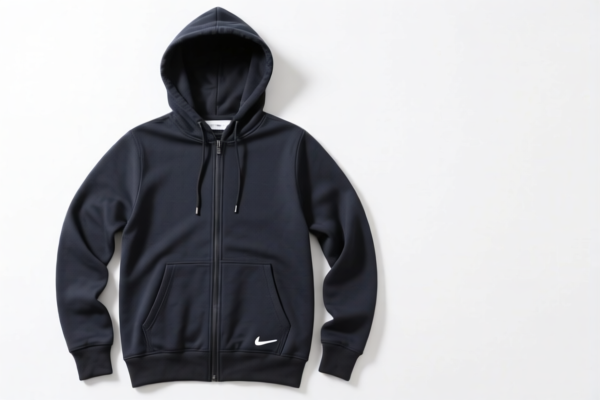
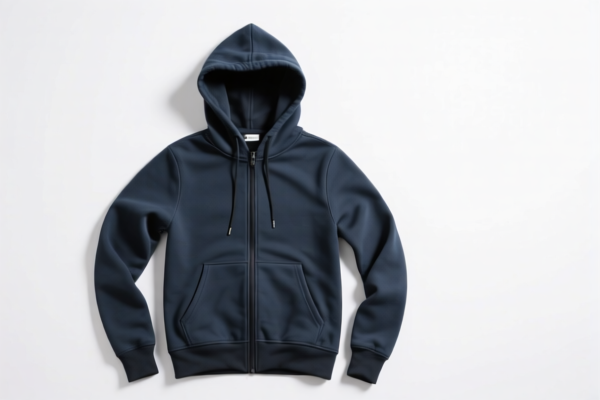
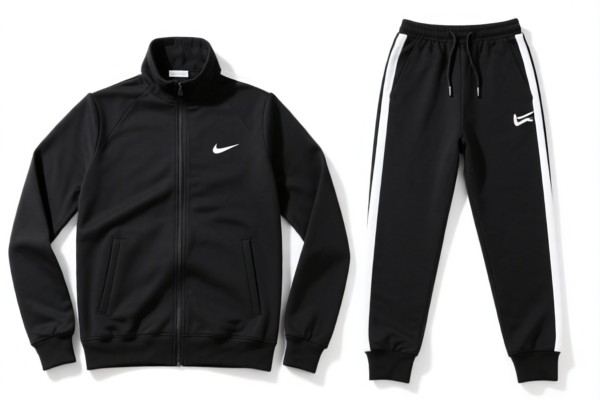
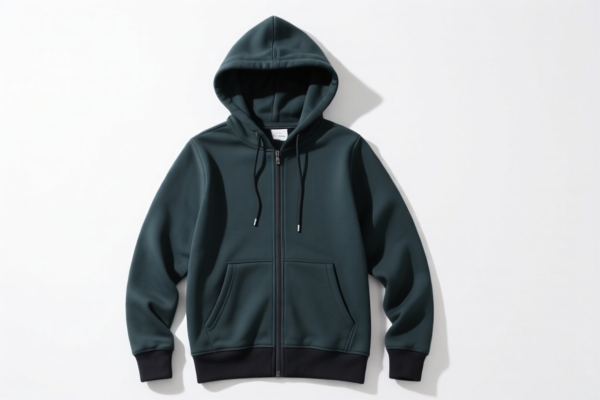
AI Analysis
🏃♂️ Sports Clothing (Track Suits & Athletic Wear)
📦 HS Code Reference & Customs Clearance Guide | 2024 Latest Tariff Analysis | Professional Compliance Strategy
📌 I. Product Definition & Classification: Do You Really Know "Sports Clothing"?
Sports clothing, primarily referring to track suits, swimwear, and other athletic garments, falls under Chapter 62 (Articles of apparel and clothing accessories, knitted or crocheted, not knitted or crocheted).
In international trade, accurate classification depends on the material composition and specific design intent. The data provided focuses on two key sub-categories under HS Code 6211.49.80:
Textile Track Suits (6211.49.80.40): Garments specifically designed for sports activities (like track suits), made from general textile materials. Other Textile Sports Apparel (6211.49.80.30): Sports clothing made from "other textile materials" not specified in more detailed sub-headings, often implying blended fabrics or less common textile compositions.
⚠️ Key Distinction Point:
- If the garment is a complete track suit (jacket + pants) made of standard textiles → Often falls under 6211.49.80.40.
- If the garment is other types of sports clothing (e.g., specialized swimwear, certain synthetic blends) or materials not explicitly covered elsewhere → May fall under 6211.49.80.30.
- Crucial Note: Both codes listed in the DATA share the same tariff structure, meaning the primary risk factor is origin (China) and tariff type, not the subtle material difference between .30 and .40 for duty calculation purposes.
📦 II. HS Code Classification Details (Based on Provided DATA)
| HS Code | Product Description | Material Inference | Application/Use |
|---|---|---|---|
6211.49.80.40 |
Sports clothing (Track Suits) | General Textile Materials | Athletic wear, jogging suits, gym attire |
6211.49.80.30 |
Sports clothing (Other) | Other Textile Materials | Specialized sports apparel, non-standard textile blends |
🔍 Focus:
- Both codes represent non-knitted sports apparel (Chapter 62).
- The primary distinction in the provided data is minimal regarding tariff rates, but critical for customs description accuracy.
- Misclassification Risk: Reporting a knitted sports suit (Chapter 61) under Chapter 62 codes will lead to immediate rejection or re-classification penalties.
💰 III. 2024 Latest Tariff Rate Breakdown (Including Surtaxes)
✅ Applicable Market: United States (US)
✅ Origin: China (CN)
✅ Total Effective Tax Rate: 24.8%
🎯 1. Tariff Structure for 6211.49.80.40 & 6211.49.80.30
| Component | Rate | Explanation |
|---|---|---|
| Base Tariff | 7.3% | Standard Most-Favored-Nation (MFN) rate for non-knitted sports apparel from China. |
| Section 301 Surtax ("122 Clause") | 7.5% | Additional tariff imposed under US Trade Act Section 301 (List 4B/C). |
| Other Surtax | 10.0% | Likely refers to Section 232 or other specific trade remedy measures, or potentially a misinterpretation of the "122 Clause" label in the source data. However, the DATA explicitly states: "122条款关税10%". (Note: In many contexts, "122" may refer to specific HTSUS footnote or a proprietary tracking code for a 10% surcharge. For this analysis, we follow the DATA strictly: 10% additional duty.) |
| TOTAL DUTY | 24.8% | Sum of Base (7.3%) + Surtax 1 (7.5%) + Surtax 2 (10%). |
📌 Detailed Breakdown: - Base Duty (7.3%): Applied to the CIF (Cost, Insurance, Freight) value. - Surcharge 1 (7.5%): Typically associated with specific US-China trade tensions (e.g., List 3 or 4 items). - Surcharge 2 (10%): Explicitly labeled as "122条款" (Clause 122) in the source. This is an additional 10% on top of the base. - Cumulative Impact: A $100 shipment will incur $24.80 in duties alone, excluding any potential anti-dumping duties (ADD) or countervailing duties (CVD) if the manufacturer is on a separate list.
⚠️ De Minimis Exemption (Section 321): - ❌ NOT APPLICABLE: Goods subject to Section 301 tariffs or specific surcharges like those mentioned often lose de minimis ($800) exemption privileges.
- Recommendation: Do not rely on de minimis for shipments from China in this category unless explicitly confirmed by the carrier/customs broker that the specific HTS code is exempt.
🛠️ IV. Customs Clearance Practical Advice (Real-World Pitfall Avoidance)
✅ 1. Required Documentation Checklist
| Document | Mandatory? | Purpose |
|---|---|---|
| Commercial Invoice | ✔️ | Must clearly state: "Sports Clothing, Track Suit, Material: [e.g., Polyester/Cotton Blend]" |
| Packing List | ✔️ | Detail weight, dimensions, and quantity. |
| Product Photographs | ✔️ | Show full garment, labels, and material tags to prove it is non-knitted (woven) for Chapter 62. |
| Material Composition Statement | ✔️ | Specify percentages (e.g., 80% Polyester, 20% Cotton). Crucial for determining "Other Textile" vs. "Standard Textile". |
| Fiber Content Label | ✔️ | Required by US law (FTC) to be on the garment. |
| Country of Origin Marking | ✔️ | "Made in China" must be visible. |
✅ 2. Declaration Strategy
🔥 Golden Rule: "Be Specific on Material, Be Clear on Use!"
| Scenario | Recommended Declaration | Avoid |
|---|---|---|
| Track Suits | "Men's Woven Track Suit, Polyester, for Sports" | Vague: "Clothes" or "Outfits" |
| Other Sports Apparel | "Woven Sports Shirt, Other Textile, for Running" | Vague: "Top" or "Shirt" |
| Knitted Items | DO NOT USE 6211 | Knitted items belong in Chapter 61 (e.g., 6103/6104). Misdeclaring a knitted shirt as woven (Ch 62) is a common error. |
✅ 3. Critical Compliance Tips
-
Woven vs. Knitted:
- Chapter 62 = Woven (not knitted).
- Chapter 61 = Knitted or Crocheted.
- Most modern athletic wear is knitted (jersey fabric). If your product is knitted, HS 6211.49.80 is INCORRECT. You must check Chapter 61 codes (e.g.,
6103.43.00for men's synthetic track suits), which may have different tariff rates (often lower base rates but potentially similar surcharges). Verify material construction first!
-
Surcharge Applicability:
- Confirm if the specific manufacturer or product type is subject to Section 301 exclusions. If excluded, the 7.5% and/or 10% surcharges may be waived, reducing the total significantly.
-
Anti-Dumping/Countervailing Duties (ADD/CVD):
- While not listed in the provided DATA, some textile categories from China face ADD/CVD. Check if the specific textile fibers (e.g., certain cotton blends) have active orders.
🌍 V. Global Market Comparison (2024)
| Market | HS Code (General) | Base Duty | Surtaxes/Trade Remedies | Total Est. Duty | Notes |
|---|---|---|---|---|---|
| 🇺🇸 USA | 6211.49.80.30/40 |
7.3% | +17.5% (301/Clause 122) | ~24.8% | High barrier due to surcharges. |
| 🇨🇳 China | 6211.49.80.30/40 |
0-10% | None | ~0-10% | Import duty varies; check FTA if re-exported. |
| 🇪🇺 EU | 6211.49 |
12% | None (Standard MFN) | 12% | No Section 301 equivalents. |
| 🇨🇦 Canada | 6211.49 |
16% | None (if non-FTA) | 16% | USMCA may apply if made in NA. |
📌 Conclusion:
- The US market is the most expensive due to layered surcharges (24.8% effective rate).
- EU and Canada offer more predictable, lower base duties without the "trade war" surcharges.
📌 VI. Common Mistakes & Pitfalls
❌ Mistake 1: Declaring Knitted Track Suits under Chapter 62.
👉 Consequence: Rejection by Customs, re-classification to Chapter 61, potential penalties.
✅ Fix: Check fabric construction. If it stretches like a jersey, it's knitted (Chapter 61).
❌ Mistake 2: Ignoring the 122 Clause/10% Surtax.
👉 Consequence: Underpayment of duties, audit risk, cargo hold.
✅ Fix: Budget for 24.8% total duty for US imports from China.
❌ Mistake 3: Vague Description "Sports Clothes".
👉 Consequence: Customs examiner discretion may apply higher scrutiny or different codes.
✅ Fix: Use precise terms: "Woven Track Suit, Synthetic Fibers, Men's".
🎯 VII. Conclusion: Professional Clearance, Cost Efficiency
🎯 Key Takeaway:
🔹 "Woven or Knitted? Check first!"
🔹 "US Imports from China? Budget 24.8%!"
🔹 "Specific Descriptions Save Time!"
📌 Pro Tip:
If your product is knitted, switch to Chapter 61 codes. While the base duty might be similar, surcharge applicability can differ. Always consult a licensed customs broker to verify if your specific fabric type and manufacturer qualify for any 301 Exclusions.
📣 Immediate Action:
📞 Verify Material Structure (Woven vs. Knitted)
📄 Prepare Detailed Invoice with HS Code6211.49.80.30or40
💰 Calculate Landed Cost including 24.8% duty for US shipments
✨ Customs Compliance is the First Step to Profit!
💼 Don't let tariffs eat your margin!
Customer Reviews
About HS Code Classification
The Harmonized System (HS) is an internationally standardized nomenclature developed by the World Customs Organization (WCO) to classify traded products. Over 200 countries use the HS system as the basis for customs tariffs, trade statistics, and import/export regulations.
Each HS code follows a hierarchical structure:
- Chapter (2 digits) — Broad category of goods (e.g., Chapter 84: Machinery and Mechanical Appliances)
- Heading (4 digits) — More specific grouping within the chapter
- Subheading (6 digits) — Internationally standardized breakdown, used by all WCO member countries
- National subdivisions (8-10 digits) — Country-specific extensions for further classification, such as US HTSUS 10-digit codes
Correct HS code classification is essential for smooth customs clearance, accurate duty payment, and compliance with trade regulations. Misclassification can lead to customs delays, overpayment of duties, or penalties.
When importing from CN to US, the applicable tariff rates may include:
- Most-Favored-Nation (MFN) rate — The standard duty rate applied to WTO members
- General rate — Applied to countries without trade agreements
- Trade remedy duties — Additional tariffs such as Section 301 (anti-dumping), Section 232 (national security), or countervailing duties
The information provided on this page is for reference purposes only. For official classification, please consult with your local customs authority or a licensed customs broker.