Sports clothing (HS 6211420540)
CN → US| HS Code | Tariff Rate | Origin | Destination | Doc |
|---|---|---|---|---|
| 6211498040 | 24.8% | CN | US | Official Doc |
| 6211498030 | 24.8% | CN | US | Official Doc |
| 6211498040 | 24.8% | CN | US | Official Doc |
| 6211498030 | 24.8% | CN | US | Official Doc |
| 6211498030 | 24.8% | CN | US | Official Doc |
Product Images
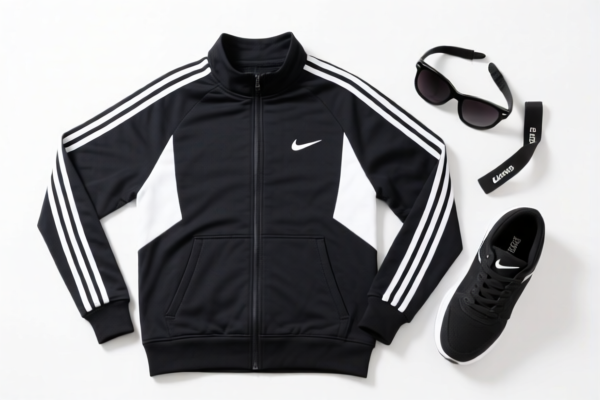

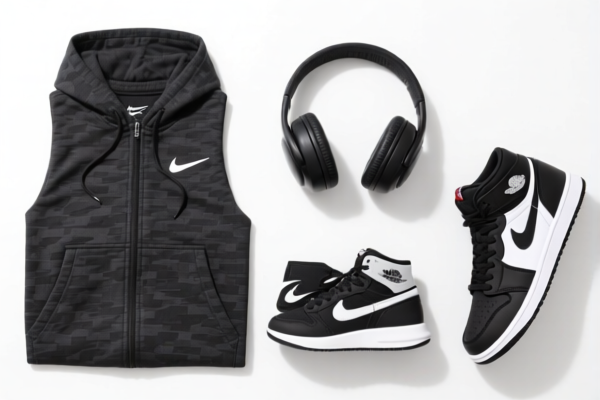

AI Analysis
👕 Sports Clothing (运动服装)
🌐 HS Code Reference & Clearance Guide | 2026 Latest Tariff Analysis | Professional Customs Strategy
📌 1. Product Definition & Classification: Do You Really Understand "Sports Clothing"?
"Sports Clothing" is a broad term covering apparel designed for physical activity. In international trade, specifically under Chapter 62 (Articles of Apparel and Clothing Accessories, Not Knitted or Crocheted), these items are classified based on their specific use (Track Suits/Sports Wear) and material composition.
⚠️ Critical Distinction:
- If the garment is designed specifically for sports (e.g., track suits, athletic wear) and is not knitted/crocheted, it falls under Heading 6211.
- The specific sub-headings distinguish between Men's/Boys' (30) and Women's/Girls' (40) garments, further divided by material.
- For Sports Clothing, the default inference in the provided data is Textile Materials (woven fabrics), with no specific material conflict noted.
📦 2. HS Code Classification Details (2026 Latest Tariff Alignment)
Based on the provided data, the product "Sports Clothing" is classified into two primary HS Codes depending on gender and specific sub-category logic. Both carry the same tax rate.
| HS Code | Product Description | Logic & Summary from Data |
|---|---|---|
| 6211.49.80.30 | Other men's or boys' sports clothing | • "Sports clothing" matches 'Track Suits' use. • Inferred as textile material. • No material conflict. |
| 6211.49.80.40 | Other women's or girls' sports clothing | • "Sports clothing" matches 'Track Suits' use. • Belongs to the 'Other' catch-all category. • Inferred as textile material. • No material conflict. |
🔍 Key Insight:
- Both...30(Men's) and...40(Women's) share the exact same tariff structure.
- The classification relies on the usage (Sports/Track Suits) rather than just the general name "Clothing."
- If the material is explicitly non-textile (e.g., rubber, plastic), the code would change, but the data assumes textile due to lack of conflict.
💰 3. 2026 Latest Tariff Rate Breakdown (Including Surcharges)
✅ Applicable Country: United States (US)
✅ Origin: China (CN)
✅ Total Tax Rate: 24.8%
✅ Effective Date: Current (Includes all subsequent imports)
🎯 Detailed Tariff Structure
| Component | Rate | Source/Policy |
|---|---|---|
| Base Tariff | 7.3% | Standard MFN (Most Favored Nation) rate for Chapter 62. |
| Section 301 Surtax | 7.5% | Additional duty under US Trade Law Section 301. |
| Section 122 Duty | 10% | Additional duty under Section 122 of the Trade Act of 1962 (National Defense). |
| TOTAL | 24.8% | Sum of all applicable duties. |
📌 Explanation:
- Base Tariff (7.3%): Standard customs duty for woven sports apparel.
- Section 301 (7.5%): Part of the ongoing trade measures against Chinese goods.
- Section 122 (10%): A specific surcharge applied to certain imports to protect domestic industry or for national security reasons.
- Combined Impact: The total burden of 24.8% is significant and must be factored into your pricing strategy.
🛠️ 4. Customs Clearance Practical Advice (Avoid Pitfalls)
✅ 1. Documentation Checklist (Essential for Smooth Clearance)
| Document | Required? | Purpose |
|---|---|---|
| ✅ Commercial Invoice | ✔️ | Must clearly state "Sports Clothing" or "Track Suits." Avoid vague terms like "Garments." |
| ✅ Packing List | ✔️ | Detail quantities, weights, and dimensions. Ensure gender separation (Men's/Women's) if applicable. |
| ✅ Product Description | ✔️ | Specify material (e.g., 100% Polyester Woven). The data assumes "Textile" – confirm this matches the actual fabric. |
| ✅ Origin Certificate | ✔️ | Proof of Chinese origin triggers the specific surcharges. |
| ✅ Photos of Goods | ✔️ | Show the garment style (e.g., track suit vs. general casual wear) to justify HS 6211. |
✅ 2. Classification Tips (Key Mnemonic)
🔥 "Usage Defines Code, Textile is Default, Check Gender, Avoid Conflict!"
| Scenario | Correct Approach | Common Mistake |
|---|---|---|
| General "Clothes" | ❌ Do not use "Clothing" alone. Specify "Sports" or "Track Suits." | Vague description leads to higher tariffs or queries. |
| Material Ambiguity | ✅ Confirm it is Woven Textile (not knitted). | Knitted sports wear falls under Chapter 61 (different HS codes). |
| Gender Specific | ✅ Separate Men's (...30) and Women's (...40) if possible. |
Mixed shipments may cause inspection delays. |
| Material Conflict | ✅ If material is NOT textile (e.g., vinyl), the 24.8% rate may be wrong. | Assuming textile without verification can lead to misdeclaration. |
✅ 3. Special Handling for Section 122
| Issue | Advice |
|---|---|
| Section 122 Applicability | This 10% duty is specific and sometimes contentious. Ensure your customs broker is aware of its application to your specific entry type. |
| Cost Calculation | Include the full 24.8% in your landed cost calculation. Do not budget for only the base 7.3%. |
| Disputes | If you believe the Section 122 duty does not apply (rare for apparel, but possible in specific contexts), consult a trade attorney. However, the data confirms it applies. |
🌍 5. Global Market Comparison (2026)
| Region | HS Code | Base Duty | Additional Taxes | Total Effective Rate | Notes |
|---|---|---|---|---|---|
| 🇺🇸 USA | 6211.49.80.30/40 | 7.3% | +17.5% (301+122) | 24.8% | High total duty due to multiple surcharges. |
| 🇨🇳 China | 6211.42.00.00 | ~10-14% | None | ~10-14% | Lower base rate, no Section 301/122. |
| 🇪🇺 EU | 6211.42 | 12% | None | 12% | No Section 301/122 equivalent. |
| 🇬🇧 UK | 6211.42 | 12% | None | 12% | Post-Brexit standard rate. |
📌 Conclusion:
- The USA is significantly more expensive for Chinese sports clothing due to the 17.5% in additional surcharges.
- For US market entry, price sensitivity is high. Consider margin optimization or supply chain adjustments.
📌 6. Common Errors & Pitfalls (Lessons Learned)
❌ Error 1: Classifying as "General Apparel" (Chapter 61 if knitted)
👉 Consequence: Wrong HS Code, potential penalties for misclassification.
👉 Fix: Confirm if Knitted (Ch61) or Woven (Ch62). The data assumes Woven.
❌ Error 2: Ignoring Section 122 Duty
👉 Consequence: Underpayment of duties by 10%, leading to customs audits and back taxes + interest.
👉 Fix: Always include the 10% Section 122 in cost models for US imports from China.
❌ Error 3: Vague Description "Sports Clothing"
👉 Consequence: Customs may ask for clarification, causing delays.
👉 Fix: Use specific terms like "Woven Track Suits" or "Athletic Wear" in the commercial invoice.
✅ Correct Declaration Example:
"Woven Sports Clothing (Track Suits), Men's, 100% Polyester, Model XYZ, HS 6211.49.80.30"
🎯 7. Final Recommendation
🎯 Remember:
🔹 "24.8% is the reality for US imports of Chinese sports clothing."
🔹 "Section 301 + Section 122 = High Cost Barrier."📞 Action Plan:
1. Verify Material: Ensure goods are indeed woven textile.
2. Segregate Gender: Use...30for Men's,...40for Women's.
3. Budget for Taxes: Include 24.8% in your CIF/Landed Cost calculation.
4. Consult Broker: Confirm Section 122 applicability for your specific shipment type.
📌 Pro Tip:
If your product has a small accessory (e.g., a small pouch), declare it as part of the main good to avoid separate classification issues. Ensure the "Sports" function is clear in the product description.
✨ Professional Clearance Starts with Accurate Classification!
💼 Every percent counts in the age of high tariffs!
Customer Reviews
About HS Code Classification
The Harmonized System (HS) is an internationally standardized nomenclature developed by the World Customs Organization (WCO) to classify traded products. Over 200 countries use the HS system as the basis for customs tariffs, trade statistics, and import/export regulations.
Each HS code follows a hierarchical structure:
- Chapter (2 digits) — Broad category of goods (e.g., Chapter 84: Machinery and Mechanical Appliances)
- Heading (4 digits) — More specific grouping within the chapter
- Subheading (6 digits) — Internationally standardized breakdown, used by all WCO member countries
- National subdivisions (8-10 digits) — Country-specific extensions for further classification, such as US HTSUS 10-digit codes
Correct HS code classification is essential for smooth customs clearance, accurate duty payment, and compliance with trade regulations. Misclassification can lead to customs delays, overpayment of duties, or penalties.
When importing from CN to US, the applicable tariff rates may include:
- Most-Favored-Nation (MFN) rate — The standard duty rate applied to WTO members
- General rate — Applied to countries without trade agreements
- Trade remedy duties — Additional tariffs such as Section 301 (anti-dumping), Section 232 (national security), or countervailing duties
The information provided on this page is for reference purposes only. For official classification, please consult with your local customs authority or a licensed customs broker.