Sportswear
CN → US| HS Code | Tariff Rate | Origin | Destination | Doc |
|---|---|---|---|---|
| 6211325050 | 25.6% | CN | US | Official Doc |
| 6109901049 | 49.5% | CN | US | Official Doc |
| 6109100027 | 34.0% | CN | US | Official Doc |
| 6211335035 | 33.5% | CN | US | Official Doc |
| 6211335035 | 33.5% | CN | US | Official Doc |
Product Images
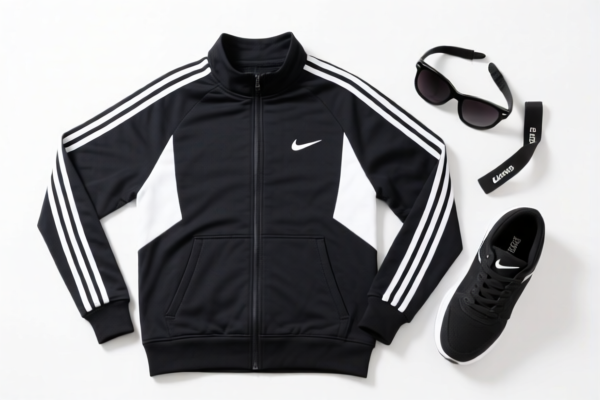

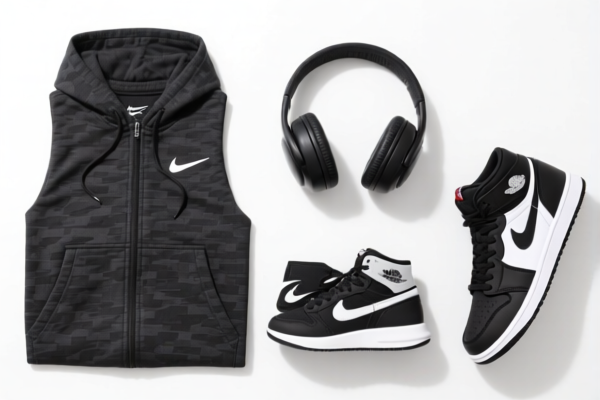

AI Analysis
👕 Sportswear (Athletic Apparel & Performance Wear)
🌐 HS Code Reference & Customs Clearance Guide | 2026 Latest Tariff Analysis | Professional Compliance Strategy
📌 I. Product Definition & Classification: Do You Really Understand “Sportswear”?
Sportswear, in the context of international trade, is not a single monolithic category. It is strictly divided by knitting method (knitted vs. woven) and material composition. Misclassification here is the most common cause of customs delays and unexpected tax liabilities for apparel imports into the US.
1. Knitted/Crocheted Garments (Chapter 61)
Characteristics: Made from yarns that are looped together (e.g., T-shirts, jerseys, sweatshirts). Soft, stretchy, breathable.
* Common HS Chapters:* 6109 (T-shirts, singlets), 6111–6114 (Other knitted clothing).
2. Woven Garments (Chapter 62)
Characteristics: Made from fabric formed by weaving two sets of threads at right angles (e.g., track suits, windbreakers, formal athletic shorts). Structured, less elastic.
* Common HS Chapters:* 6211 (Track suits, ski suits, swimming wear, other sports clothing).
⚠️ Key Distinction Point:
- If the garment is knitted (like a standard cotton T-shirt or jersey) → Look to Chapter 61.
- If the garment is woven (like nylon track pants or polyester windbreakers) → Look to Chapter 62.
- Material matters: Synthetic fibers (polyester/nylon) vs. Natural fibers (cotton) further refine the code.
📦 II. HS Code Classification Details (Based on Provided Data)
The following codes are derived from the provided dataset, categorized by their structural nature.
🧶 Category A: Knitted/Crocheted Sportswear (Chapter 61)
| HS Code | Product Description | Material/Type | Key Features |
|---|---|---|---|
| 6109.10.00.27 | Knitted/Switzerland Knit T-Shirts, Singlets, & Other Vests | Cotton, Polyester, or Blends | Basic athletic tops; high elasticity; breathable. |
| 6109.90.10.49 | Knitted/Switzerland Knit T-Shirts & Other Vests | Synthetic Fibers or Cotton | Similar to above but potentially different fiber content or construction nuance. |
🔍 Why this code?
These items are defined by their knitted structure. They are typically loose-fitting, high-movement garments like basketball jerseys or running shirts.
🧵 Category B: Woven Sportswear & Suits (Chapter 62)
| HS Code | Product Description | Material/Type | Key Features |
|---|---|---|---|
| 6211.32.50.50 | Track Suits, Ski Suits, Other Sportswear | Unspecified/Natural/Synthetic | Structured athletic wear; includes full outfits or specialized protective gear. |
| 6211.33.50.35 | Track Suits, Ski Suits, Other Sportswear | Synthetic Fibers | Woven performance gear; often used for soccer, baseball uniforms, or formal team kits. |
🔍 Why this code?
These items are woven. They include "track suits" (jacket + pants set) or "matches wear" (uniforms). The distinction between32and33often lies in the specific fiber composition (e.g., synthetic vs. other fibers) or specific garment cut, but both fall under "Other Sportswear."
💰 III. 2026 Latest Tariff Rate Analysis (Detailed Breakdown)
✅ Applicable Country: United States (US)
✅ Origin: China (CN) (Inferred from tax details: 122 Section & 301-style tariffs)
✅ Effective Time: Current Trade Policy (High Tariff Environment)
🎯 1. Knitted Sportswear (High Tariff Variance)
A. HS Code 6109.10.00.27 (Cotton/Poly Knitted T-Shirts)
| Item | Detail |
|---|---|
| Base Duty | 16.5% (ad valorem) |
| Section 301 (Add-on) | 7.5% |
| Section 122 (Add-on) | 10.0% |
| Total Tariff Rate | 34.0% |
| Calculation | CIF Value × 34.0% |
| De Minimis Eligibility | ❌ No (Section 321 exemption generally does not apply to high-tariff Chinese apparel) |
| Legal Basis | HTSUS 6109.10 → Section 301 Footnote → Section 122 Authority |
📌 Explanation:
- Even though base tariffs for cotton knits are moderate, the 17.5% combined add-on tariffs (7.5% + 10%) significantly increase costs.
- This code is often used for cotton-based athletic shirts.
B. HS Code 6109.90.10.49 (Synthetic/Cotton Blend Knitted T-Shirts)
| Item | Detail |
|---|---|
| Base Duty | 32.0% (ad valorem) |
| Section 301 (Add-on) | 7.5% |
| Section 122 (Add-on) | 10.0% |
| Total Tariff Rate | 49.5% |
| Calculation | CIF Value × 49.5% |
| De Minimis Eligibility | ❌ No |
| Legal Basis | HTSUS 6109.90 → Section 301 Footnote → Section 122 Authority |
⚠️ Critical Warning:
- This is the highest tax bracket in the dataset.
- Likely applies to synthetic blends or specific non-cotton knitted items.
- A nearly 50% tax burden can erase profit margins for low-cost apparel. Must carefully verify if the item truly fits this specific subheading.
🎯 2. Woven Sportswear (Moderate-to-High Tariff)
A. HS Code 6211.32.50.50 (Other Woven Sportswear)
| Item | Detail |
|---|---|
| Base Duty | 8.1% (ad valorem) |
| Section 301 (Add-on) | 7.5% |
| Section 122 (Add-on) | 10.0% |
| Total Tariff Rate | 25.6% |
| Calculation | CIF Value × 25.6% |
| De Minimis Eligibility | ❌ No |
| Legal Basis | HTSUS 6211.32 → Section 301 Footnote → Section 122 Authority |
📌 Explanation:
- This code has the lowest total tariff (25.6%) in the dataset.
- It typically covers woven athletic gear where the material type allows for a lower base duty (8.1%).
- Ideal for nylon/polyester track jackets or windbreakers if classified correctly.
B. HS Code 6211.33.50.35 (Woven Synthetic/Other Sportswear)
| Item | Detail |
|---|---|
| Base Duty | 16.0% (ad valorem) |
| Section 301 (Add-on) | 7.5% |
| Section 122 (Add-on) | 10.0% |
| Total Tariff Rate | 33.5% |
| Calculation | CIF Value × 33.5% |
| De Minimis Eligibility | ❌ No |
| Legal Basis | HTSUS 6211.33 → Section 301 Footnote → Section 122 Authority |
📌 Explanation:
- Applies to woven sportswear, often synthetic-based or specific uniform types.
- Slightly higher than6211.32due to higher base duty (16.0% vs 8.1%).
- Common for baseball uniforms, soccer kits, or technical woven pants.
🛠️ IV. Customs Clearance Practical Advice (Pitfall Avoidance Guide)
✅ 1. Preparation Checklist (Non-negotiable)
| Document | Required | Purpose |
|---|---|---|
| ✅ Product Photos | ✔️ | Front, back, label, and seam details to prove Knitted vs. Woven. |
| ✅ Fabric Swatch/Test Report | ✔️ | Microscopic analysis to confirm fiber content (Cotton vs. Polyester) and knit structure. |
| ✅ Commercial Invoice | ✔️ | Must clearly state: "Sportswear, [Material], Knitted/Woven." Avoid vague terms like "Clothes." |
| ✅ Packing List | ✔️ | Consistent with invoice. No hidden accessories that might trigger different codes. |
| ✅ Origin Certificate | ✔️ | To prove CN origin (and thus applicability of Section 301/122). |
✅ 2. Declaration Strategy (Key Mnemonic)
🔥 “Knit or Woven? Fiber Content? Define Clearly!”
| Scenario | Correct Classification | Wrong Action | Consequence |
|---|---|---|---|
| Cotton T-Shirt | 6109.10.00.27 (34.0%) |
Declare as 6211 (Woven) |
Misclassification penalty + delay |
| Polyester Jersey | 6109.90.10.49 (49.5%) |
Declare as 6109.10 |
Tax underpayment risk |
| Nylon Track Jacket | 6211.32.50.50 (25.6%) |
Declare as 6109 |
Major tax discrepancy (25.6% vs 34-49.5%) |
| Team Uniform (Woven) | 6211.33.50.35 (33.5%) |
Declare as "T-shirt" | Customs will reclassify and penalize |
✅ 3. Special Cases & Tips
| Situation | Handling Advice |
|---|---|
| Mixed Material Garments | If >50% synthetic, likely 6109.90 or 6211.33. If >50% cotton, 6109.10 or 6211.32. Check the primary weight. |
| Accessories Included | If shoes or bags are packed together, declare separately. Do not bundle "Sportswear" with "Footwear." |
| Sample vs. Bulk | Ensure the sample submitted for HS Code pre-ruling matches the bulk product exactly in fabric and weave. |
| Section 122 Impact | Note that the 10% Section 122 tariff applies broadly to Chinese apparel. There is no exemption for "low value" items if they exceed de minimis thresholds or specific exclusions. |
🌍 V. Global Market Comparison (2026 Context)
| Market | Recommended HS Code | Approx. Tariff (China Origin) | Key Requirement |
|---|---|---|---|
| 🇺🇸 USA | 6109.10.00.27 / 6211.32.50.50 |
25.6% – 49.5% | Section 301 + Section 122 apply. High compliance risk. |
| 🇨🇳 China (Import) | 6109 / 6211 |
5% – 10% | CCC/CQC labeling may be required. |
| 🇪🇺 EU | 6109 / 6211 |
0% – 12% | CE marking not always needed for apparel, but textile labels (fiber content) are strict. |
| 🇬🇧 UK | 6109 / 6211 |
0% – 12% | Post-Brexit rules of origin apply if seeking preferences. |
📌 Conclusion:
- The US market is exceptionally expensive for Chinese sportswear due to the 17.5% add-on tariffs (7.5% + 10%).
- Woven items (6211) generally have a lower total tariff than Knitted items (6109) in this specific dataset, especially for synthetic blends.
- Strategic sourcing or reclassification (if legally possible) towards woven structures (6211) may save 8-24% in tax costs.
📌 VI. Common Errors & Pitfall Guide (Blood Tears Lessons)
❌ Error 1: Declaring a Polyester Jersey as 6109.10 (Cotton)
👉 Result: Tax drops from 49.5% to 34.0%, but customs audit reveals mismatch → Seizure + Fine.
❌ Error 2: Calling a Woven Track Suit a "T-shirt" to avoid higher duties
👉 Result: Customs examines the garment, sees it’s woven, and reclassifies to 6211 → Back taxes + 30% penalty.
❌ Error 3: Ignoring Section 122
👉 Result: Assuming only Section 301 applies → Underpaying by 10% → Debt collection action.
✅ Correct Approach:
"Men’s Nylon Woven Track Jacket, 100% Polyester, Zip-front, Hooded, Model XYZ, Made in China"
🎯 VII. Conclusion: Precision in Classification Saves Millions
🎯 Remember the Rule:
🔹 "Knitted = High Tax (34-49.5%), Woven = Moderate Tax (25.6-33.5%)."
🔹 "Material determines the base, Structure determines the Chapter."
📌 Pro Tip:
If your sportswear is knitted and has a 49.5% tariff, consider if it can be redesigned as a woven equivalent or if the fiber content can be legally optimized to fit the 33.5% bracket. Always seek an Advance Ruling from CBP before shipping high-value apparel.
📣 Immediate Action:
📞 Engage a licensed customs broker + Provide fabric swatches + Request HS Code Pre-classification
🚀 Ensure your sportswear clears US Customs smoothly, efficiently, and profitably!
✨ Professional Clearance Starts with Accurate Classification!
💼 Every percentage point of tariff matters in apparel trade!
Customer Reviews
About HS Code Classification
The Harmonized System (HS) is an internationally standardized nomenclature developed by the World Customs Organization (WCO) to classify traded products. Over 200 countries use the HS system as the basis for customs tariffs, trade statistics, and import/export regulations.
Each HS code follows a hierarchical structure:
- Chapter (2 digits) — Broad category of goods (e.g., Chapter 84: Machinery and Mechanical Appliances)
- Heading (4 digits) — More specific grouping within the chapter
- Subheading (6 digits) — Internationally standardized breakdown, used by all WCO member countries
- National subdivisions (8-10 digits) — Country-specific extensions for further classification, such as US HTSUS 10-digit codes
Correct HS code classification is essential for smooth customs clearance, accurate duty payment, and compliance with trade regulations. Misclassification can lead to customs delays, overpayment of duties, or penalties.
When importing from CN to US, the applicable tariff rates may include:
- Most-Favored-Nation (MFN) rate — The standard duty rate applied to WTO members
- General rate — Applied to countries without trade agreements
- Trade remedy duties — Additional tariffs such as Section 301 (anti-dumping), Section 232 (national security), or countervailing duties
The information provided on this page is for reference purposes only. For official classification, please consult with your local customs authority or a licensed customs broker.