Spray Gun and Similar Equipment
CN → US| HS Code | Tariff Rate | Origin | Destination | Doc |
|---|---|---|---|---|
| 8424209000 | 35.0% | CN | US | Official Doc |
| 8424201000 | 37.9% | CN | US | Official Doc |
| 8515800080 | 35.0% | CN | US | Official Doc |
| 8515902000 | 86.6% | CN | US | Official Doc |
| 8424909080 | 85.0% | CN | US | Official Doc |
Product Images
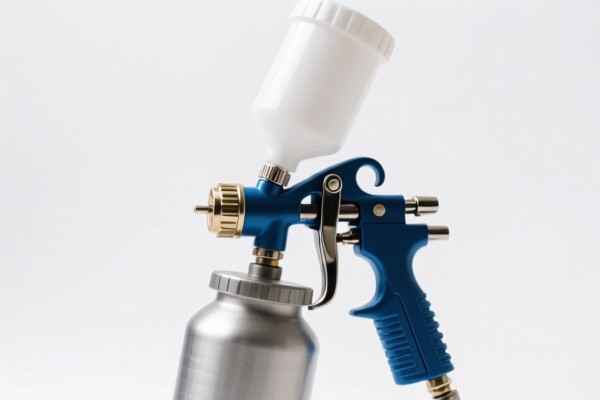
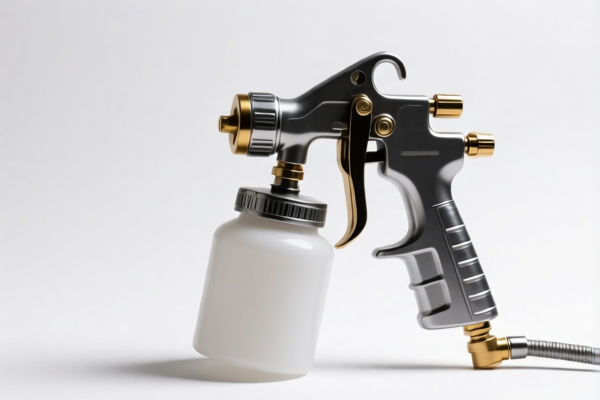
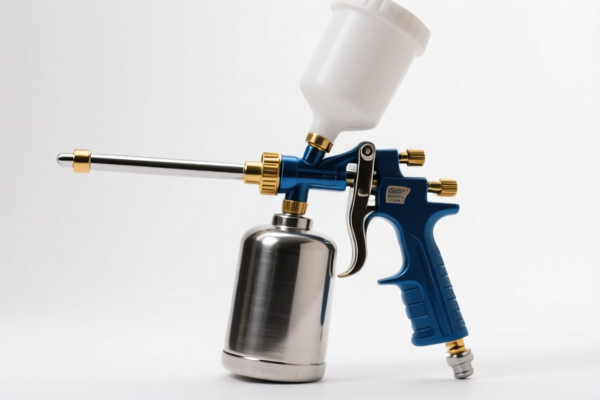
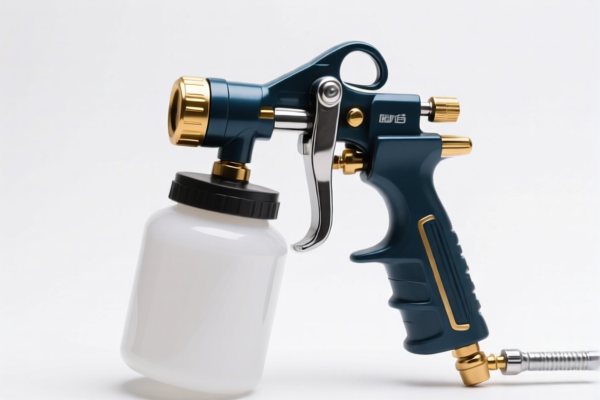
AI Analysis
🔫 Spray Guns & Similar Apparatus: Ultimate HS Code Classification & Tariff Strategy (2026 Guide)
🌐 HS Code Reference & Customs Clearance Guide | 2026 Latest Tariff Analysis | Professional-Level Strategy
📌 I. Product Definition & Classification: Do You Really Understand "Spray Guns"?
In international trade, "Spray Guns" are not a single monolithic category. Their classification depends entirely on function, mechanism, and accessory status. Misclassification is the #1 cause of customs delays and massive overpayment of duties.
1. Mechanical Spraying Devices (Chapter 84):
Devices that use mechanical pressure to project liquids, powders, or pastes.
Examples: Paint sprayers, pesticide sprayers, industrial coating guns.
2. Thermal/Surface Treatment Devices (Chapter 85):
Devices that use heat, plasma, or welding arcs for spraying, soldering, or surface hardening.
Examples: Thermal spray guns, welding torches, brazing guns.
3. Parts & Accessories (Chapter 84/85):
Components designed for use exclusively or principally with the above machines.
Examples: Nozzles, triggers, hoses, replacement tips.
⚠️ Critical Distinction Point:
- If it mechanically pumps/sprays fluid → Usually 8424 or 8479/8424.90.
- If it uses heat/welding for application → Usually 8515.
- If it is a part/accessory → High tax risk due to "Steel/Aluminum/Copper" surcharges.
📦 II. HS Code Classification Details (2026 Latest Tariff Authority)
| HS Code | Product Description | Applicable Scenario | Tax Category |
|---|---|---|---|
8424.20.90.00 |
Spray guns and similar apparatus, other than those of heading 8424.10 | General purpose spray guns (paint, pesticide, cleaning) where specific subheading 8424.10 doesn't apply. | 35.0% |
8424.20.10.00 |
Spray guns and similar apparatus (Specific subheading) | Spray guns matching specific mechanical/industrial definitions under 8424.10/20 branch. | 37.9% |
8515.80.00.80 |
Apparatus for hot spraying of metals or cermets, other | Thermal spray guns, plasma spray guns, arc spraying devices (non-welding). | 35.0% |
8515.90.20.00 |
Parts suitable for use solely or principally with machines of heading 8515 | Nozzles, tips, triggers for welding/spraying torches made of Steel, Aluminum, Copper. | 86.6% |
8479.90.95.96 |
Parts of machines and mechanical appliances, nesoi | Mechanical spare parts/accessories for spray systems not covered elsewhere. Made of Steel, Aluminum, Copper. | 85.0% |
8424.90.90.80 |
Parts of sprayers and similar apparatus (Chapter 84) | Mechanical accessories (nozzles, guns) for 8424 devices. Made of Steel, Aluminum, Copper. | 85.0% |
🔍 Key Insight:
- Finished Goods (8424/8515): Moderate taxes (35%-37.9%).
- Parts/Accessories (8424.90/8479.90/8515.90): High taxes (85%-86.6%) due to Section 301/Section 232/Section 201 implications on base metals.
💰 III. 2026 Latest Tariff Rate Breakdown (Detailed Tax Terms)
✅ Applicable Country: United States (US)
✅ Origin: China (CN)
✅ Effective Time: Current 2026 Tariff Schedule
🎯 1. 8424.20.90.00 & 8424.20.10.00 – Mechanical Spray Guns
| Item | Detail |
|---|---|
| Base Duty | 0.0% (for .90) or 2.9% (for .10) |
| Section 301 Duty | +25.0% (Additional tariff on Chinese goods) |
| Section 122 Duty | +10.0% (Specific legislative add-on) |
| Total Rate | 35.0% (for .90) / 37.9% (for .10) |
| Calculation | CIF Value × Total Rate |
| Material Surcharge | ❌ None (Not classified as steel/aluminum/copper parts under current footnote for these specific heads) |
📌 Explanation:
- These are functional machines/apparatus.
- The tax is driven by Section 301 (25%) and Section 122 (10%).
- No additional 50% metal surcharge applies to the main body of the spray gun itself.
🎯 2. 8515.80.00.80 – Thermal/Hot Spray Apparatus
| Item | Detail |
|---|---|
| Base Duty | 0.0% |
| Section 301 Duty | +25.0% |
| Section 122 Duty | +10.0% |
| Total Rate | 35.0% |
| Calculation | CIF Value × 35% |
| Material Surcharge | ❌ None (Classified as apparatus, not parts) |
📌 Explanation:
- Even though it uses heat, it is classified as an apparatus (8515.80), not a part.
- Same tax structure as mechanical spray guns.
🎯 3. 8515.90.20.00 – Parts for Welding/Spraying Machines (HIGH RISK)
| Item | Detail |
|---|---|
| Base Duty | 1.6% |
| Section 301 Duty | +25.0% |
| Section 122 Duty | +10.0% |
| Steel/Al/Cu Surcharge | +50.0% (Crucial Addition!) |
| Total Rate | 86.6% |
| Calculation | CIF Value × 86.6% |
| Material Surcharge | ✅ Yes (If made of Steel, Aluminum, or Copper) |
📌 Explanation:
- This is the highest risk code.
- If your spray gun part (nozzle, trigger, body) is made of steel, aluminum, or copper, it triggers a +50% surcharge on top of Section 301/122.
- Result: 86.6% total duty.
🎯 4. 8479.90.95.96 & 8424.90.90.80 – Mechanical Parts/Accessories
| Item | Detail |
|---|---|
| Base Duty | 0.0% |
| Section 301 Duty | +25.0% |
| Section 122 Duty | +10.0% |
| Steel/Al/Cu Surcharge | +50.0% (If made of Steel, Aluminum, or Copper) |
| Total Rate | 85.0% |
| Calculation | CIF Value × 85.0% |
| Material Surcharge | ✅ Yes (If made of Steel, Aluminum, or Copper) |
📌 Explanation:
- Any accessory or part (nozzles, connectors, replacement guns) that fits under "Parts" is subject to the 50% metal surcharge if made of base metals.
- Total Tax: 85.0%.
🛠️ IV. Customs Clearance Practical Advice (Avoiding Pitfalls)
✅ 1. Material Declaration is Critical
| Component | Material | HS Code Risk | Strategy |
|---|---|---|---|
| Main Spray Gun Body | Plastic/Ceramic | Low (35-37.9%) | Declare as "Spray Gun Apparatus". Avoid "Part" wording. |
| Nozzle/Tips | Steel/Al/Cu | High (85-86.6%) | If sold separately, declare as parts. Consider bundling with gun if possible. |
| Plastic Parts | Plastic | Moderate (85.0%*) | Still high due to Section 301/122, but avoid 50% metal surcharge. |
| Thermal Gun | Mixed | Moderate (35.0%) | Ensure it is declared as "Apparatus" (8515.80), not "Part" (8515.90). |
📌 Key Tip:
- "Part" vs. "Machine": The difference between 35% and 85% is often just the word "Part" or "Accessory" in the description.
- If a component is essential to the function of the spray gun and is sold with it, consider declaring the entire kit under the finished good HS code (35-37.9%) rather than splitting into parts (85%+).
✅ 2. Documentation Checklist
| Document | Requirement | Purpose |
|---|---|---|
| Product Specification Sheet | ✔️ Required | Detail material composition (Plastic vs. Metal). Crucial for determining metal surcharge. |
| Commercial Invoice | ✔️ Required | Clearly state "Spray Gun Apparatus" NOT "Parts of Spray Gun" for finished units. |
| Material Certificates | ✔️ Recommended | Proof of material (e.g., Plastic, Ceramic) to avoid 50% metal surcharge. |
| Usage Statement | ✔️ Recommended | Explain end-use (Painting, Welding, Cleaning) to support correct subheading. |
✅ 3. Strategic Bundling (Cost Saving Hack)
| Scenario | Action | Outcome |
|---|---|---|
| Selling Spray Gun + Nozzle Kit | Bundle as "Set" | Declare under 8424.20.90.00 (35%). Avoids 85% tax on nozzles. |
| Selling Only Replacement Nozzles | Declare as 8424.90.90.80 | Must pay 85% if metal. |
| Selling Thermal Spray Gun | Declare as 8515.80.00.80 | Pay 35%. Do NOT declare as "Part of Welding Machine". |
⚠️ Warning:
- Do not under-declare. If you sell a metal nozzle separately and claim it's plastic, customs will inspect and impose penalties + back taxes.
🌍 V. Global Market Comparison (2026)
| Region | Recommended HS Code | Approx. Duty (China Origin) | Notes |
|---|---|---|---|
| 🇺🇸 USA | 8424.20.90.00 |
35.0% | Includes 301/122 taxes. Avoid "Part" classification. |
| 🇺🇸 USA | 8515.90.20.00 (Metal Parts) |
86.6% | Highest risk category. |
| 🇪🇺 EU | 8424.80 |
4.7% | Lower duties, but strict CE/RoHS compliance. No Section 301. |
| 🇨🇳 China | 8424.89 |
Various | Import duties apply. Check FTA for neighbors. |
📌 Conclusion:
- USA is the most complex market due to Section 301, 122, and Metal Surcharges.
- EU is simpler but requires CE Certification.
📌 VI. Common Mistakes & Pitfalls (Lessons Learned)
❌ Mistake 1: Declaring a metal nozzle as a "Plastic Accessory"
👉 Result: Customs audit, 50% surcharge applied + penalties.
❌ Mistake 2: Selling a complete spray gun but declaring only the nozzle as a part
👉 Result: Overpayment of tax (85% vs 35%). Always bundle if possible.
❌ Mistake 3: Using "Welding Part" for a Thermal Spray Gun
👉 Result: Tax jumps from 35% to 86.6%. Ensure it's declared as "Apparatus" (8515.80).
❌ Mistake 4: Ignoring Section 122
👉 Result: Unexpected 10% tax addition. Always factor this into landed cost.
✅ Correct Approach:
"Industrial Paint Spray Gun, Plastic Body, Electrically Operated, Model XYZ" → 8424.20.90.00 (35%)
"Replacement Metal Nozzle for Spray Gun" → 8424.90.90.80 (85%)
🎯 VII. Conclusion: Precision Saves Money!
🎯 Remember the Golden Rule:
🔹 "Finished Gun = 35% | Metal Part = 85%"
🔹 "Bundle to Save, Split to Pay!"
🔹 "Material Matters: Plastic/Ceramic parts avoid the 50% Metal Surcharge."
📌 Pro Tip:
If your supply chain allows, source or assemble critical components from non-China countries to avoid Section 301/122 taxes. Alternatively, use Plastic/Ceramic materials for parts to avoid the 50% Metal Surcharge.
📣 Immediate Action:
📞 Consult a Customs Broker for pre-classification rulings.
📦 Bundle kits to utilize finished-good tax rates.
📄 Document materials explicitly to defend against metal surcharges.
✨ Professional Clearance Starts with Accurate Classification!
💼 Every Percentage Point Counts in 2026 Tariffs!
Customer Reviews
About HS Code Classification
The Harmonized System (HS) is an internationally standardized nomenclature developed by the World Customs Organization (WCO) to classify traded products. Over 200 countries use the HS system as the basis for customs tariffs, trade statistics, and import/export regulations.
Each HS code follows a hierarchical structure:
- Chapter (2 digits) — Broad category of goods (e.g., Chapter 84: Machinery and Mechanical Appliances)
- Heading (4 digits) — More specific grouping within the chapter
- Subheading (6 digits) — Internationally standardized breakdown, used by all WCO member countries
- National subdivisions (8-10 digits) — Country-specific extensions for further classification, such as US HTSUS 10-digit codes
Correct HS code classification is essential for smooth customs clearance, accurate duty payment, and compliance with trade regulations. Misclassification can lead to customs delays, overpayment of duties, or penalties.
When importing from CN to US, the applicable tariff rates may include:
- Most-Favored-Nation (MFN) rate — The standard duty rate applied to WTO members
- General rate — Applied to countries without trade agreements
- Trade remedy duties — Additional tariffs such as Section 301 (anti-dumping), Section 232 (national security), or countervailing duties
The information provided on this page is for reference purposes only. For official classification, please consult with your local customs authority or a licensed customs broker.