Spray Perfume Dispenser Bottle
CN → US| HS Code | Tariff Rate | Origin | Destination | Doc |
|---|---|---|---|---|
| 8424209000 | 35.0% | CN | US | Official Doc |
| 3926909989 | 22.8% | CN | US | Official Doc |
| 7013993000 | 26.5% | CN | US | Official Doc |
| 3926901000 | 20.9% | CN | US | Official Doc |
| 7013993500 | 24.1% | CN | US | Official Doc |
Product Images
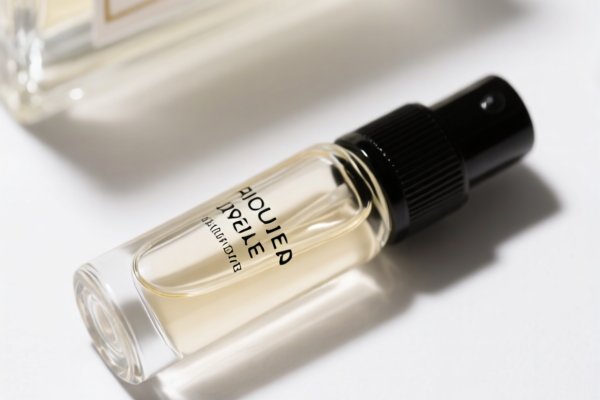
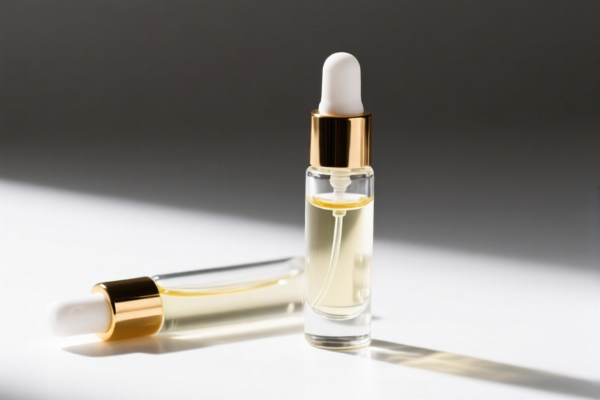
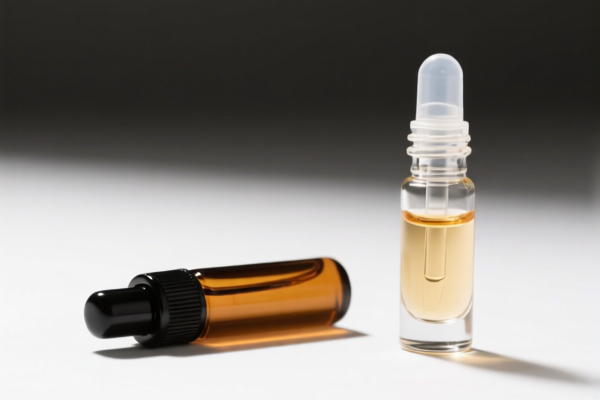

AI Analysis
🧴 Spray Perfume Dispenser Bottle (Cosmetic Packaging)
🌐 HS Code Reference & Customs Clearance Guide | 2026 Latest Tariff Analysis | Professional Clearance Strategy
📌 I. Product Definition & Classification: Do You Really Understand "Perfume Bottles"?
The Spray Perfume Dispenser Bottle is a critical component in the cosmetics and fragrance industry. It is not merely a "container" but a specialized device involving mechanical function (spraying mechanism) and material composition (glass or plastic). In international trade, classification depends heavily on:
- Material: Is it Glass (Chapter 70) or Plastic (Chapter 39)?
- Function: Is it primarily a "sprayer/device" (Chapter 84) or a "container" (Chapter 39/70)?
- Specificity: Does it fit a specific sub-heading for "sprayers" or fall under "other containers"?
⚠️ Key Distinction Point:
- If the product is defined by its mechanical spraying action and includes the atomizer mechanism as the core feature, it may lean towards Chapter 84.
- If the product is primarily a container made of glass or plastic, with the spray head being an accessory, it falls under Chapter 70 (Glass) or Chapter 39 (Plastic).
- Customs Practice: Often, simple dispenser bottles are classified as containers unless they are complex industrial spray systems. However, HS codes 8424.20 covers "sprayers," creating a potential conflict that requires careful justification.
📦 II. HS Code Classification Details (2026 Latest Tariff Authority Comparison)
| HS Code | Product Description | Applicability Scenario | Material/Conflict Analysis |
|---|---|---|---|
8424.20.90.00 |
Sprayers (e.g., spray guns and similar apparatus) | Products where the spraying mechanism is the primary functional attribute, not just the container. | ⚠️ Possible Match: Matches "sprayer" function. However, as a consumer bottle, it might be considered "other" under "other" provisions if not strictly a gun. Risk: Customs may argue it's a container, not a machine. |
3926.90.99.89 |
Other articles of plastics | Plastic bottles where the form is a finished container, not excluded as medical/cable parts. | ✅ Strong Match: Infers material is plastic. Fits "other plastic articles" as a catch-all for non-specific plastic containers. |
7013.99.30.00 |
Other glassware (e.g., perfume bottles with frosted glass stops) | Glass bottles specifically used for perfumes/cosmetics. | ✅ Strong Match: Infers material is glass. Matches "perfume bottles" and "other glassware" descriptions perfectly. No material conflict. |
3926.90.10.00 |
Other plastic articles (buckets, pails, etc.) | Plastic containers broadly categorized as "buckets/pails/containers." | ✅ Potential Match: Based on "bottle" inference as plastic. Logic aligns with "containers." No obvious material conflict. |
7013.99.35.00 |
Other glass articles (specific use parts/accessories) | Glass containers classified under specific usage/accessories for glassware. | ✅ Potential Match: Infers glass/plastic (but code is glass-specific). Falls under "other glass articles" for specific uses. No material conflict. |
🔍 Important Note:
- Glass vs. Plastic: The single most important factor. If you don't declare material, Customs will likely choose the highest duty or ask for clarification.
- "Sprayer" vs. "Container": Codes8424are for machinery/tools. Codes3926/7013are for articles. Consumer perfume bottles are mostly classified as containers (3926/7013) unless they are industrial spray nozzles.
💰 III. 2026 Latest Tariff Rate Details (Including Additional Taxes & Policy Surcharges)
✅ Applicable Country: United States (US)
✅ Origin: China (CN)
✅ Effective Date: Post-2025/2026 import (including subsequent entries)
🎯 1. 8424.20.90.00 —— Sprayers / Similar Apparatus (Mechanical Function Focus)
| Item | Content |
|---|---|
| Base Tariff | 0.0% (ad valorem) |
| USITC Surcharge | +25.0% (Section 301 / Footnote 9903.88.01) |
| IEEPA Surcharge | +10.0% (Section 122, targeting China/HK products from Nov 10, 2025) |
| Total Tariff | 35.0% |
| Tax Calculation | CIF Value × 35% |
| De Minimis Eligible? | ❌ No (deny_de_minimis applies to most Section 301/IEEPA goods) |
| Legal Basis Path | IEEPA:9903.01.25 → USITC:8424.20.90.00 |
📌 Explanation:
- Although the base rate is 0%, the 35% total makes this highly costly.
- Risk: Customs may reject this code if the item is deemed a "container" (Chapter 39/70) rather than a "sprayer machine." If rejected, you may face re-classification penalties.
🎯 2. 3926.90.99.89 —— Other Plastic Articles (General Plastic Containers)
| Item | Content |
|---|---|
| Base Tariff | 5.3% |
| USITC Surcharge | +7.5% (Section 301) |
| IEEPA Surcharge | +10.0% (Section 122) |
| Total Tariff | 22.8% |
| Tax Calculation | CIF Value × 22.8% |
| De Minimis Eligible? | ❌ No |
| Legal Basis Path | IEEPA:9901.25 → USITC:3926.90.99.89 |
📌 Note:
- This is a common classification for plastic cosmetic bottles.
- Lower than8424but higher than ideal.
- Justification: "Made of plastic, form of container, no specific exclusion applies."
🎯 3. 7013.99.30.00 —— Other Glassware (Perfume Bottles)
| Item | Content |
|---|---|
| Base Tariff | 9.0% |
| USITC Surcharge | +7.5% |
| IEEPA Surcharge | +10.0% |
| Total Tariff | 26.5% |
| Tax Calculation | CIF Value × 26.5% |
| De Minimis Eligible? | ❌ No |
| Legal Basis Path | IEEPA:9903.01.24 → USITC:7013.99.30.00 |
📌 Note:
- This is the most accurate classification for glass perfume bottles.
- Matches "frosted glass perfume bottles" and "other glassware."
- Cost is moderate. Ensure the product is 100% glass (excluding the metal/plastic spray nozzle if possible, or declare as "glass bottle with non-glass parts").
🎯 4. 3926.90.10.00 —— Other Plastic Articles (Buckets/Containers)
| Item | Content |
|---|---|
| Base Tariff | 3.4% |
| USITC Surcharge | +7.5% |
| IEEPA Surcharge | +10.0% |
| Total Tariff | 20.9% |
| Tax Calculation | CIF Value × 20.9% |
| De Minimis Eligible? | ❌ No |
| Legal Basis Path | IEEPA:9901.25 → USITC:3926.90.10.00 |
📌 Note:
- Lowest Tariff Option among the provided data.
- Applies if the bottle is considered a generic "plastic container" (like a bucket/pail logic).
- Risk: Customs may question why a delicate perfume bottle is classified as a "bucket/pail" type. Requires strong justification on "container" nature.
🎯 5. 7013.99.35.00 —— Other Glass Articles (Specific Use)
| Item | Content |
|---|---|
| Base Tariff | 6.6% |
| USITC Surcharge | +7.5% |
| IEEPA Surcharge | +10.0% |
| Total Tariff | 24.1% |
| Tax Calculation | CIF Value × 24.1% |
| De Minimis Eligible? | ❌ No |
| Legal Basis Path | IEEPA:9903.01.24 → USITC:7013.99.35.00 |
📌 Note:
- Slightly lower than7013.99.30.00.
- Fits "other glass articles" for specific uses.
- Good alternative if7013.99.30.00is deemed too specific to "frosted stops."
🛠️ IV. Customs Clearance Practical Advice (Real-World Pitfall Avoidance)
✅ 1. Documentation Checklist (Must-Have)
| Document | Required | Explanation |
|---|---|---|
| ✅ Product Specification Sheet | ✔️ | Must clearly state: Material (Glass vs. Plastic), Capacity, Type (Spray/Atomizer). |
| ✅ Photos (Clear & Detailed) | ✔️ | Show the bottle and the spray mechanism. Highlight material (e.g., transparent glass vs. opaque plastic). |
| ✅ Commercial Invoice | ✔️ | Describe as "Glass Perfume Bottle" or "Plastic Cosmetic Spray Bottle". Avoid vague terms like "Dispenser." |
| ✅ Bill of Lading/Packing List | ✔️ | Consistent with invoice. Weight and dimensions must match. |
| ✅ Customs Declaration Statement | ✔️ | Confirm no hazardous materials (e.g., if filled with alcohol, different rules apply; if empty, state "Empty Glass/Plastic Container"). |
✅ 2. Classification Strategy (Key Mantra)
🔥 "Material First, Function Second, Container Over Machine!"
| Scenario | Recommended HS Code | Reason |
|---|---|---|
| Glass Bottle + Spray Top | 7013.99.30.00 or 7013.99.35.00 |
Glass is the primary material. Perfume bottles are classic Chapter 70 items. |
| Plastic Bottle + Spray Top | 3926.90.10.00 (20.9%) |
Lowest duty. Argue it's a "plastic container." |
| Plastic Bottle (Generic) | 3926.90.99.89 (22.8%) |
Safe fallback if 3926.90.10.00 is rejected. |
| Industrial Spray Nozzle Only | 8424.20.90.00 (35%) |
High Risk/Cost. Only use if it's a tool/machine part, not a consumer bottle. |
📌 Critical Tip:
- Do NOT use8424.20.90.00for standard consumer perfume bottles unless you have a strong legal opinion from a customs broker that the "spraying function" is the dominant characteristic. Customs often prefers Chapter 39/70 for these items.
- If you declare8424, you pay 35%. If you declare7013or3926, you pay ~20-26%. Savings are significant!
✅ 3. Special Handling
| Situation | Advice |
|---|---|
| Filled vs. Empty | If filled with perfume, different duties/rules may apply (cosmetics vs. containers). Ensure you declare as "Empty Bottle" if they are empty. |
| Mixed Materials | If the bottle is glass but the spray head is metal/plastic, the glass nature usually dominates for Chapter 70 classification. |
| Pre-Clearance Ruling | 🚀 Highly Recommended: Apply for an Advance Ruling from US CBP. It provides legal certainty and prevents post-import audits. |
🌍 V. Global Market Comparison (2026 Latest)
| Country/Region | Recommended HS Code | Tariff (China Origin) | Remarks |
|---|---|---|---|
| 🇺🇸 USA | 7013.99.30.00 (Glass)3926.90.10.00 (Plastic) |
26.5% (Glass) 20.9% (Plastic) |
High additional tariffs (301+IEEPA). Glass is more expensive. |
| 🇨🇳 China | 7013.99.30.00 |
~5-7% | Standard import duty. No Section 301/IEEPA. |
| 🇪🇺 EU | 7013.99.30.00 |
0-2.7% | Low tariffs. CE/RoHS may apply if plastic. |
| 🇬🇧 UK | 7013.99.30.00 |
0-5% | Post-Brexit rules. Generally favorable for glassware. |
📌 Conclusion:
- US Tariffs are punitive. Every percentage point matters.
- Plastic (3926) is cheaper than Glass (7013) in the US due to base rates.
- Avoid8424unless legally necessary. It adds unnecessary cost and complexity.
📌 VI. Common Mistakes & Pitfalls (Blood & Tears Lessons)
❌ Mistake 1: Declaring a Glass Perfume Bottle as 8424.20.90.00 ("Sprayer").
👉 Consequence: 35% Duty instead of 26.5%. Overpayment by ~8.5%. Customs may also audit for misclassification.
❌ Mistake 2: Not specifying Material on the Invoice.
👉 Consequence: Customs may default to the highest tariff or reject the entry, causing delays and storage fees.
❌ Mistake 3: Declaring Filled Bottles as "Empty Containers."
👉 Consequence: Fraud! High penalties, seizure of goods, and blacklisting. Always declare accurately.
✅ Correct Action:
"Empty Glass Perfume Bottle, Capacity: 50ml, with Plastic Spray Mechanism, Model XYZ"
→ Use7013.99.30.00(26.5% total)."Empty Plastic Cosmetic Bottle, Capacity: 50ml, with Plastic Pump"
→ Use3926.90.10.00(20.9% total) for best savings.
🎯 VII. Conclusion: Professional Declaration, Save Costs, Ensure Smooth Clearance!
🎯 Remember the Mantra:
🔹 "Material Dictates Chapter, Container Wins Over Machine."
🔹 "Glass is 7013, Plastic is 3926. Avoid 8424 unless it's a Tool."
🔹 "35% vs 20%: A 15% Difference is Pure Profit Loss."
📌 Pro Tip:
If your bottles are originally from Vietnam, Mexico, or Thailand, you may qualify for IEEPA Exemptions or lower Section 301 rates.
Action: Apply for an Advance Ruling immediately to lock in the correct HS Code and duty rate.
📣 Take Action Now:
📞 Consult a licensed US Customs Broker.
📤 Provide Product Photos + Material Specs.
🚀 Ensure your Commercial Invoice matches the HS Code description perfectly.
✨ Precision in Classification is the Key to Global Trade Success!
💼 Don't let tariff surprises eat your margins!
Customer Reviews
About HS Code Classification
The Harmonized System (HS) is an internationally standardized nomenclature developed by the World Customs Organization (WCO) to classify traded products. Over 200 countries use the HS system as the basis for customs tariffs, trade statistics, and import/export regulations.
Each HS code follows a hierarchical structure:
- Chapter (2 digits) — Broad category of goods (e.g., Chapter 84: Machinery and Mechanical Appliances)
- Heading (4 digits) — More specific grouping within the chapter
- Subheading (6 digits) — Internationally standardized breakdown, used by all WCO member countries
- National subdivisions (8-10 digits) — Country-specific extensions for further classification, such as US HTSUS 10-digit codes
Correct HS code classification is essential for smooth customs clearance, accurate duty payment, and compliance with trade regulations. Misclassification can lead to customs delays, overpayment of duties, or penalties.
When importing from CN to US, the applicable tariff rates may include:
- Most-Favored-Nation (MFN) rate — The standard duty rate applied to WTO members
- General rate — Applied to countries without trade agreements
- Trade remedy duties — Additional tariffs such as Section 301 (anti-dumping), Section 232 (national security), or countervailing duties
The information provided on this page is for reference purposes only. For official classification, please consult with your local customs authority or a licensed customs broker.