Spray Perfume Dispensing Bottle
CN → US| HS Code | Tariff Rate | Origin | Destination | Doc |
|---|---|---|---|---|
| 7010903010 | 40.2% | CN | US | Official Doc |
| 3923300090 | 38.0% | CN | US | Official Doc |
| 7013993000 | 26.5% | CN | US | Official Doc |
| 7010903020 | 40.2% | CN | US | Official Doc |
| 3923300010 | 38.0% | CN | US | Official Doc |
Product Images
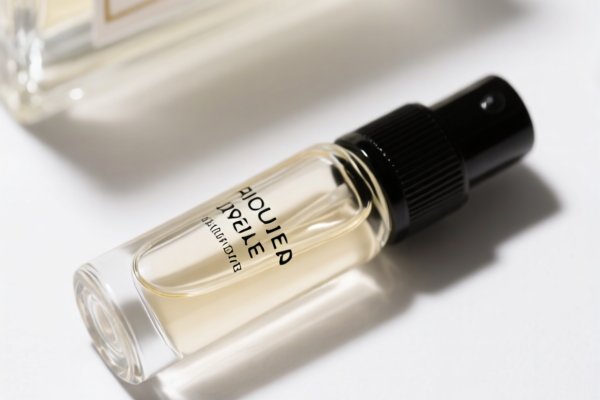
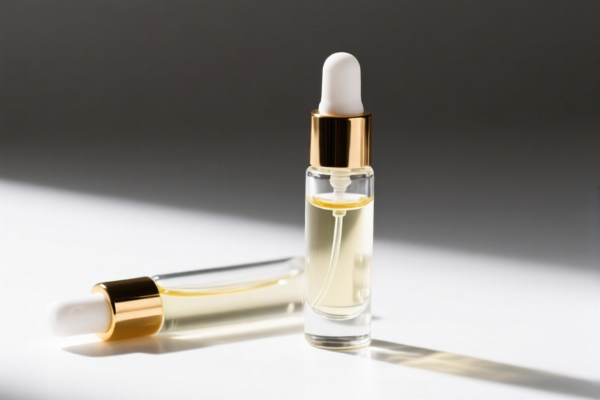
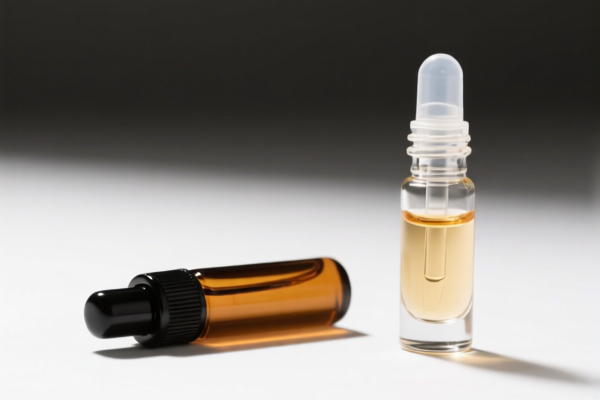

AI Analysis
🌸 Spray Perfume Dispensing Bottle (香水瓶/喷雾瓶)
🌐 HS Code Reference & Clearance Guide | 2026 Latest Tariff Analysis | Professional Customs Strategy
📌 I. Product Definition & Classification: Do You Really Understand "Perfume Bottles"?
A "Spray Perfume Dispensing Bottle" is a critical packaging component in the fragrance industry. It typically consists of a container (glass or plastic) and a dispensing mechanism (pump, spray head, and collar). In international trade, the classification hinges heavily on the material of the bottle itself, as the dispensing mechanism is often considered an accessory or integral part of the container depending on specific design.
International trade distinguishes primarily between Glass Containers and Plastic Containers, each governed by different HS chapters with significantly different tariff implications, especially under current US trade policies.
⚠️ Key Distinction Point:
- If the bottle is Glass: It generally falls under Chapter 70 (Glass and glassware).
- If the bottle is Plastic: It generally falls under Chapter 39 (Plastics and articles thereof).
- Note: The spray mechanism itself does not change the primary classification of the container unless it is a separate, non-integrated mechanical device, but for standard perfume bottles, the material of the vessel dictates the HS code.
📦 II. HS Code Classification Details (2026 Latest Tariff Authority Comparison)
Based on the provided data, here are the precise HS codes for Spray Perfume Dispensing Bottles, categorized by material.
| HS Code | Product Description | Material | Key Characteristics |
|---|---|---|---|
7010.90.30.10 |
Perfume Bottle | Glass | Glass vessel, specifically for perfume/fragrance packaging. |
3923.30.00.90 |
Perfume Bottle | Plastic | Plastic article, other category, general packaging use. |
7013.99.30.00 |
Perfume Bottle | Glass | Glass vessel, usage and classification aligned with general glassware. |
7010.90.30.20 |
Perfume Bottle | Glass | Glass vessel, meets requirements for glass containers. |
3923.30.00.10 |
Perfume Bottle | Plastic | Plastic article, categorized under packaging supplies. |
🔍 Important Reminder:
- Glass Bottles: Primarily fall under 7010 (Bottles, jars, flasks, and similar articles). Some may fall under 7013 (Glassware for table, kitchen, toilet, office, indoor decoration, etc.) depending on specific shape and intended use definitions in local customs rulings.
- Plastic Bottles: Fall under 3923 (Articles for the conveyance or packing of goods, of plastics).
- Do NOT mix materials: A glass bottle with a plastic spray head is still classified as Glass (7010/7013) because the primary character is determined by the container material.
💰 III. 2026 Latest Tariff Rate Breakdown (Including Surtaxes & Policy Add-ons)
✅ Applicable Country: United States (US)
✅ Origin: China (CN)
✅ Effective Date: From November 10, 2025 (for subsequent imports)
🎯 1. 7010.90.30.10 —— Perfume Bottle (Glass)
| Item | Content |
|---|---|
| Basic Tariff Rate | 5.2% (ad valorem) |
| Section 301 Surtax | +25.0% (Section 301 Trade Remedy Duties) |
| Section 122 Surtax | +10.0% (Section 122 Emergency Tariff) |
| Total Tariff Rate | 40.2% |
| Tax Calculation | CIF Value × 40.2% |
| De Minimis Eligibility | ❌ Not Eligible (Deny de minimis) |
| Legal Basis Path | USITC:7010.90.30.10 → Section 301: Footnote 9903.88.01 → Section 122 |
📌 Explanation:
- "Basic Tariff 5.2%" is the standard MFN rate for glass perfume bottles.
- "Section 301 25%" is the additional duty imposed on Chinese goods under the Trade Act of 1974.
- "Section 122 10%" is an emergency tariff imposed to protect domestic industries.
- Total 40.2% is a high tariff burden. Importers must pre-calculate costs carefully.
🎯 2. 3923.30.00.90 —— Perfume Bottle (Plastic)
| Item | Content |
|---|---|
| Basic Tariff Rate | 3.0% (ad valorem) |
| Section 301 Surtax | +25.0% (Section 301 Trade Remedy Duties) |
| Section 122 Surtax | +10.0% (Section 122 Emergency Tariff) |
| Total Tariff Rate | 38.0% |
| Tax Calculation | CIF Value × 38.0% |
| De Minimis Eligibility | ❌ Not Eligible (Deny de minimis) |
| Legal Basis Path | USITC:3923.30.00.90 → Section 301: Footnote 9903.88.01 → Section 122 |
📌 Note:
- Similar to glass, plastic perfume bottles from China face the same surtaxes.
- While the basic rate (3.0%) is lower than glass (5.2%), the total burden remains high at 38.0%.
- Even for "other category" plastic packing articles, the surtaxes apply uniformly.
🎯 3. 7013.99.30.00 —— Perfume Bottle (Glass - General)
| Item | Content |
|---|---|
| Basic Tariff Rate | 9.0% (ad valorem) |
| Section 301 Surtax | +7.5% (Section 301 Trade Remedy Duties) |
| Section 122 Surtax | +10.0% (Section 122 Emergency Tariff) |
| Total Tariff Rate | 26.5% |
| Tax Calculation | CIF Value × 26.5% |
| De Minimis Eligibility | ❌ Not Eligible (Deny de minimis) |
| Legal Basis Path | USITC:7013.99.30.00 → Section 301: Footnote 9903.88.01 → Section 122 |
📌 Critical Insight:
- This code falls under 7013 (Glassware for general use) rather than 7010 (Packaging).
- If customs accepts this classification, the total tariff is significantly lower (26.5%) compared to 40.2%.
- However, misclassification risk is high. Customs will scrutinize if the bottle is primarily for packaging (7010) or general use (7013). Perfume bottles are almost exclusively packaging, so 7010 is more likely correct. Use this code only with strong legal justification or pre-ruling.
🎯 4. 7010.90.30.20 —— Perfume Bottle (Glass - Other)
| Item | Content |
|---|---|
| Basic Tariff Rate | 5.2% (ad valorem) |
| Section 301 Surtax | +25.0% (Section 301 Trade Remedy Duties) |
| Section 122 Surtax | +10.0% (Section 122 Emergency Tariff) |
| Total Tariff Rate | 40.2% |
| Tax Calculation | CIF Value × 40.2% |
| De Minimis Eligibility | ❌ Not Eligible (Deny de minimis) |
| Legal Basis Path | USITC:7010.90.30.20 → Section 301: Footnote 9903.88.01 → Section 122 |
📌 Note:
- Same tariff structure as7010.90.30.10.
- The distinction between.10and.20may be minor (e.g., volume, shape), but the tariff impact is identical.
- Ensure the description matches the specific subheading requirements to avoid audits.
🎯 5. 3923.30.00.10 —— Perfume Bottle (Plastic - Packaging)
| Item | Content |
|---|---|
| Basic Tariff Rate | 3.0% (ad valorem) |
| Section 301 Surtax | +25.0% (Section 301 Trade Remedy Duties) |
| Section 122 Surtax | +10.0% (Section 122 Emergency Tariff) |
| Total Tariff Rate | 38.0% |
| Tax Calculation | CIF Value × 38.0% |
| De Minimis Eligibility | ❌ Not Eligible (Deny de minimis) |
| Legal Basis Path | USITC:3923.30.00.10 → Section 301: Footnote 9903.88.01 → Section 122 |
📌 Note:
- Same tariff structure as3923.30.00.90.
- This code explicitly mentions "packaging supplies," which is accurate for perfume bottles.
- Total 38.0% remains a significant cost factor.
🛠️ IV. Customs Clearance Practical Advice (Real-World Pitfall Guide)
✅ 1. Required Documentation Checklist (Missing Items Cause Delays)
| Document | Mandatory? | Description |
|---|---|---|
| ✅ Product Specification Sheet | ✔️ | Material (Glass/Plastic), Volume, Cap Type (Spray/Cap), Dimensions. |
| ✅ Product Photos | ✔️ | Clear images of the bottle, spray mechanism, and label. Must show material type. |
| ✅ Commercial Invoice | ✔️ | Clearly state "Perfume Bottle, Glass/Plastic, Empty, For Packaging Use Only." |
| ✅ Packing List | ✔️ | Detail quantity, weight, and packaging method. |
| ✅ Certificate of Origin (CO) | ✔️ | Crucial for verifying origin. If from China, surtaxes apply. |
| ✅ Manufacturer Declaration | ✔️ | Confirm material composition (e.g., "100% Soda-Lime Glass"). |
✅ 2. Declaration Tips (Key Mnemonics)
🔥 "Material First, Use Clear, Surtaxes High, Docs Prepare!"
| Scenario | Correct Declaration | Incorrect Practice |
|---|---|---|
| Glass Bottle | 7010.90.30.10 (Perfume Glass) |
Misclassify as 7013 to save tax → Audit Risk |
| Plastic Bottle | 3923.30.00.10 (Plastic Packaging) |
Misclassify as 3926 (Other plastic articles) → Higher Tax |
| Empty vs. Filled | Declare as "Empty Packaging" | Declare as "Perfume" → Wrong HS, Wrong Tax, Penalty |
| Spray Mechanism | Include in "Perfume Bottle" description | Declare separately as "Valve" → Split Shipment Issues |
✅ 3. Special Circumstances Handling
| Situation | Handling Advice |
|---|---|
| OEM Custom Bottles | Provide design drawings to prove it's a custom packaging item, not a general glassware. |
| Mixed Materials | If bottle is glass with plastic parts, declare as Glass (7010). The glass character dominates. |
| Pre-Ruling Request | For high-volume imports, apply for an Advance Ruling from CBP to confirm HS code and tariff rate. |
| Origin Shift | If bottled/packaged in a third country (e.g., Vietnam) with substantial transformation, check if IEEPA Exemptions apply. |
🌍 V. Global Market Comparison (2026 Latest)
| Country/Region | Recommended HS Code | Tariff (China Origin) | Certification | Notes |
|---|---|---|---|---|
| 🇺🇸 USA | 7010.90.30.10 / 3923.30.00.10 |
40.2% / 38.0% | FDA (if food contact), Prop 65 | High Surtax (Section 301 + 122). |
| 🇨🇳 China | 7010.90.90 / 3923.30.00 |
5% / 3% | None | Low basic tariff, no surtaxes. |
| 🇪🇺 EU | 7010.90 / 3923.30 |
6.5% / 6.4% | REACH, Packaging Directive | No Section 301. Standard EU duty. |
| 🇬🇧 UK | 7010.90 / 3923.30 |
6.5% / 6.4% | UKCA | Post-Brexit, similar to EU. |
📌 Conclusion:
- USA is the most expensive market due to Section 301 and Section 122 surtaxes.
- EU/UK have moderate, stable tariffs without political surtaxes.
- China has low entry costs for domestic sales.
📌 VI. Common Errors & Pitfall Guide (Blood & Tears Lessons)
❌ Mistake 1: Declaring Glass Perfume Bottles as 7013 (General Glassware)
👉 Consequence: Customs may reject the lower tariff (26.5%) and assess back taxes at 40.2% + penalties.
👉 Fix: Use 7010 for packaging-specific items.
❌ Mistake 2: Not Separating "Bottle" from "Spray Pump" in Description
👉 Consequence: Customs may classify the entire assembly under the pump's code or reject the declaration.
👉 Fix: State "Glass Perfume Bottle with Integrated Spray Pump."
❌ Mistake 3: Ignoring Section 122 and 301 Surtaxes
👉 Consequence: Underestimating landed cost by 35%.
👉 Fix: Always add 35-40% to CIF cost for US-bound Chinese goods.
❌ Mistake 4: Using "Perfume" instead of "Perfume Bottle"
👉 Consequence: Wrong HS code (likely 3303 for perfume) → Massive tax difference.
👉 Fix: Clearly state "EMPTY" and "PACKAGING."
✅ Correct Declaration Example:
"Empty Glass Perfume Bottle with Spray Pump, 50ml, Soda-Lime Glass, For Fragrance Packaging, HS 7010.90.30.10"
🎯 VII. Conclusion: Precision in Classification Saves Money!
🎯 Remember the Mantra:
🔹 "Glass goes to 7010, Plastic to 3923. Surtaxes are high, don't be blind. Docs must match, or you'll crash."
🔹 "HS Code determines destiny, tariff difference is huge, declaration is key, profit flows through!"
📌 Pro Tip:
If your perfume bottles are originating from Vietnam, Mexico, Thailand, or Malaysia, you may qualify for IEEPA Exemptions or lower tariffs under USMCA (Mexico) or ASEAN FTAs.
Recommendation: Apply for an Advance Ruling before shipping large volumes to avoid clearance delays and unexpected duties.
📣 Immediate Action:
📞 Contact a professional customs broker + Provide product images + Apply for HS Code Pre-Ruling
🚀 Let your perfume bottles clear smoothly, boost efficiency, and maximize profits!
✨ Professional Clearance Starts with Accurate Classification!
💼 Every cent of your cost deserves precise calculation!
Customer Reviews
About HS Code Classification
The Harmonized System (HS) is an internationally standardized nomenclature developed by the World Customs Organization (WCO) to classify traded products. Over 200 countries use the HS system as the basis for customs tariffs, trade statistics, and import/export regulations.
Each HS code follows a hierarchical structure:
- Chapter (2 digits) — Broad category of goods (e.g., Chapter 84: Machinery and Mechanical Appliances)
- Heading (4 digits) — More specific grouping within the chapter
- Subheading (6 digits) — Internationally standardized breakdown, used by all WCO member countries
- National subdivisions (8-10 digits) — Country-specific extensions for further classification, such as US HTSUS 10-digit codes
Correct HS code classification is essential for smooth customs clearance, accurate duty payment, and compliance with trade regulations. Misclassification can lead to customs delays, overpayment of duties, or penalties.
When importing from CN to US, the applicable tariff rates may include:
- Most-Favored-Nation (MFN) rate — The standard duty rate applied to WTO members
- General rate — Applied to countries without trade agreements
- Trade remedy duties — Additional tariffs such as Section 301 (anti-dumping), Section 232 (national security), or countervailing duties
The information provided on this page is for reference purposes only. For official classification, please consult with your local customs authority or a licensed customs broker.