Spring Clamps
CN → US| HS Code | Tariff Rate | Origin | Destination | Doc |
|---|---|---|---|---|
| 4415208000 | 45.7% | CN | US | Official Doc |
| 4415109000 | 45.7% | CN | US | Official Doc |
| 3926906530 | 14.2% | CN | US | Official Doc |
| 3926906520 | 14.2% | CN | US | Official Doc |
Product Images
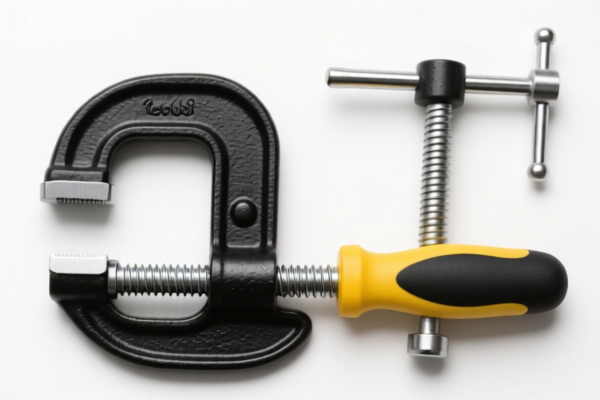
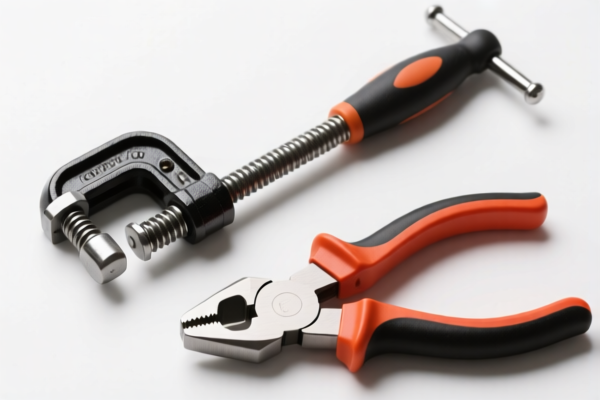
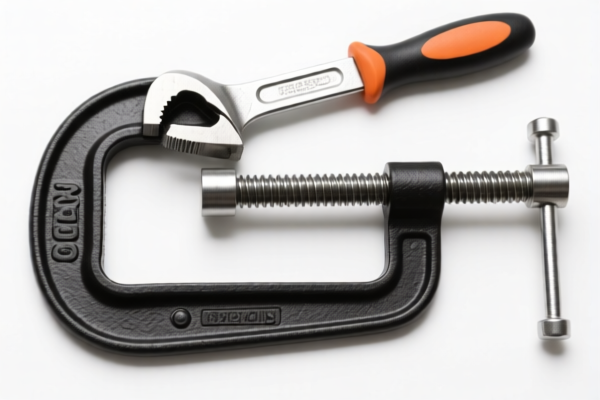
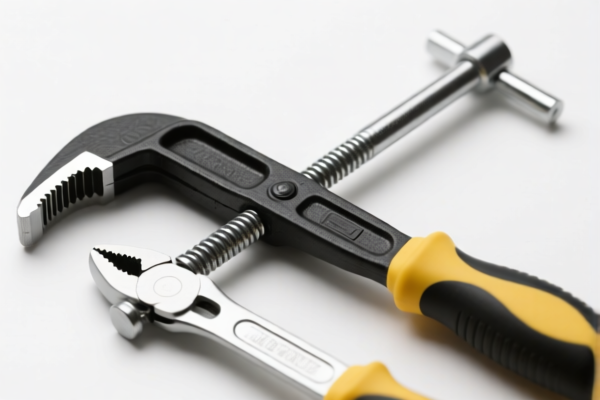
AI Analysis
🌲 Spring Clamps: Wooden vs. Plastic | HS Code Classification & 2026 Tax Guide
🌐 HS Code Reference & Customs Clearance Guide | 2026 Latest Tariff Analysis | Professional Clearance Strategy
📌 I. Product Definition & Classification: What Exactly Are "Spring Clamps"?
Spring clamps are versatile holding tools commonly used in woodworking, DIY projects, packaging, and industrial assembly. They utilize a spring mechanism to apply constant pressure, keeping materials together without the need for screws or nails.
In international trade, Spring Clamps are primarily classified by their MATERIAL, which drastically changes their HS Code and tax liability. There are two main categories:
1. Wooden Spring Clamps (木制弹簧夹):
Made primarily of wood with metal springs. These fall under Chapter 44 (Wood and articles of wood). They are often used for clotheslines, small woodworking fixtures, or decorative holding.
2. Plastic Spring Clamps (塑料弹簧夹):
Made primarily of plastic (often polypropylene or ABS) with metal springs. These fall under Chapter 39 (Plastics and articles thereof). They are commonly known as "Spring Clothes Pegs" or "Mini Clamp Clips."
⚠️ Critical Distinction Point:
- If the main character is Wood → Go to Chapter 44 (High Tax Risk for US Imports).
- If the main character is Plastic → Go to Chapter 39 (Lower Tax, Specific Subheadings).
- Note: Even if the clamp has a metal spring, the classification is driven by the body material.
📦 II. HS Code Classification Details (2026 Latest Tariff Authority Mapping)
Based on the provided data, here are the specific HS Codes for Spring Clamps:
| HS Code | Product Description | Material | Category Scope | Total Tax Rate |
|---|---|---|---|---|
4415.20.80.00 |
Wooden Spring Clamps | Wood | Loading/Fixing Tools (General) | 45.7% |
4415.10.90.00 |
Wooden Spring Clamps | Wood | Wooden Packaging & Similar | 45.7% |
3926.90.65.30 |
Plastic Spring Clamps | Plastic | Plastic Products / Spring Clothes Pegs | 14.2% |
3926.90.65.20 |
Plastic Spring Clamps | Plastic | Plastic Products / Spring Clothes Pegs | 14.2% |
🔍 Key Insight:
- Wooden clamps are grouped under4415(Boxes, cases, crates, drums and similar packings, of wood; cable drums of wood). While this seems odd for "clamps," customs often classify small wooden holding devices under this packing/fixing chapter.
- Plastic clamps are grouped under3926.90(Other articles of plastics). The subheadings65.20and65.30specifically target "Spring clothes pegs" or similar plastic clips.
- Tax Difference: Plastic clamps are 31.5% cheaper in total taxes than wooden ones (14.2% vs 45.7%).
💰 III. 2026 Latest Tariff Rate Breakdown (Including Surcharges & Policy Add-ons)
✅ Applicable Market: United States (US)
✅ Origin: China (CN)
✅ Effective Date: 2025/2026 (Current Status)
🎯 1. Wooden Spring Clamps (4415.20.80.00 & 4415.10.90.00)
| Item | Details |
|---|---|
| Base Duty Rate | 10.7% |
| Section 301 Surcharges | +25.0% (USITC Footnote) |
| Section 122 Surcharges | +10.0% (Specific US Policy Add-on) |
| Total Effective Tax | 45.7% |
| Calculation Basis | CIF Value × 45.7% |
| De Minimis Exemption? | ❌ NO (High tariff items rarely qualify for $800 exemption) |
| Legal Basis Path | USITC:4415.20.80.00 → Footnote:301 → Policy:122 |
📌 Explanation:
- The 10.7% is the standard MFN (Most Favored Nation) duty for wooden packing/fixing articles.
- The 25.0% is the standard Section 301 tariff on Chinese goods in this category.
- The 10.0% is an additional "Section 122" or similar policy surcharge specifically noted for this classification.
- Total 45.7% is extremely high. Importers must carefully evaluate profitability.
🎯 2. Plastic Spring Clamps (3926.90.65.30 & 3926.90.65.20)
| Item | Details |
|---|---|
| Base Duty Rate | 4.2% |
| Section 301 Surcharges | 0.0% (Exempt or not applicable) |
| Section 122 Surcharges | +10.0% |
| Total Effective Tax | 14.2% |
| Calculation Basis | CIF Value × 14.2% |
| De Minimis Exemption? | ⚠️ Check Eligibility (Lower tax items may qualify for de minimis if other conditions met, but check current $800 rules) |
| Legal Basis Path | USITC:3926.90.65.xx → Policy:122 |
📌 Explanation:
- The 4.2% is the standard base duty for other plastic articles.
- Crucially, there is NO 25% Section 301 surcharge for these specific plastic subheadings in the provided data.
- Only the 10.0% Section 122 surcharge applies.
- Total 14.2% is significantly lower and much more competitive for the US market.
🛠️ IV. Customs Clearance Practical Advice (Live Avoidance Guide)
✅ 1. Required Documentation Checklist
| Document | Must Provide | Purpose |
|---|---|---|
| ✅ Product Photos | ✔️ | Clearly show material (Wood vs. Plastic) and structure (Spring mechanism). |
| ✅ Material Specification Sheet | ✔️ | Confirm % composition. If wood is <50%, argue for plastic classification? (Risky, stick to main material). |
| ✅ Commercial Invoice | ✔️ | Must state "Spring Clamp, Wooden/Plastic" explicitly. Do NOT use vague terms like "Holder." |
| ✅ Packing List | ✔️ | Weight and dimensions per carton. |
| ✅ Origin Certificate | ✔️ | To prove origin from China (triggering surcharges). |
✅ 2. Declaration Tips (Critical Keywords)
🔥 "Material is King, Code is Queen!"
| Scenario | Correct Declaration | Incorrect Declaration | Result |
|---|---|---|---|
| Wooden Clamp | "Wooden Spring Clamp, for fixing clothes/paper" | "Wooden Holder" or "Wooden Clip" | Risk of Misclassification. Be specific: 4415.20.80.00. |
| Plastic Clamp | "Plastic Spring Clothes Peg, Polypropylene" | "Plastic Clip" or "Office Supply" | Risk of being grouped into general plastics (higher rate). Use 3926.90.65.xx. |
| Mixed Shipment | Separate Lines | "Assorted Clamps" | DANGER! Mixed materials cannot be split. Customs will audit. Never mix wood and plastic in one HS Code line. |
✅ 3. Special Handling & Pitfalls
| Pitfall | Advice |
|---|---|
| Packing Wood | If the wooden clamps are sold as part of a "Wooden Packaging Set," customs may scrutinize 4415.10.90.00 (Packing category). Ensure the primary use is fixed/holding, not just packaging. |
| Plastic Content | If the plastic clamp has a metal spring, ensure the plastic is the principal material. If metal >50%, it might move to Chapter 73 (Iron/Steel), which has different taxes. |
| Section 122 Awareness | The 10% surcharge applies to both wooden and plastic clamps in the provided data. Do not assume plastic is exempt from all extra taxes. |
🌍 V. Market Comparison & Strategy (2026)
| Market | Recommended HS Code (Plastic) | Recommended HS Code (Wood) | Key Tax Insight |
|---|---|---|---|
| 🇺🇸 USA | 3926.90.65.xx (14.2%) |
4415.xx (45.7%) |
Strong preference for Plastic. Wooden clamps face punitive 45.7% tariff. |
| 🇨🇳 China (Import) | N/A (Data for US Export) | N/A | Domestic Chinese rates differ significantly. |
| 🇪🇺 EU | Generally 0-4.5% | Generally 0-4.5% | EU does not have Section 301/122 style surcharges. Both materials are cheaper than in US. |
📌 Conclusion:
- For the US Market, Plastic Spring Clamps (3926.90.65.xx) are the strategic choice due to the 45.7% vs. 14.2% tax disparity.
- Wooden clamps are only viable if you have specific niche demand or if the product value is high enough to absorb the 45.7% tax.
📌 VI. Common Mistakes & Blood-Learning Lessons
❌ Mistake 1: Declaring Wooden Clamps as "Plastic" to save tax.
👉 Consequence: Customs inspection reveals wood → Fraud investigation, heavy fines, seizure!
❌ Mistake 2: Using generic term "Clamp" without material specification.
👉 Consequence: Customs assigns worst-case scenario (often highest duty) or delays shipment for sample testing.
❌ Mistake 3: Ignoring the Section 122 10% Surcharge on Plastic Clamps.
👉 Consequence: Underestimating costs by 10%. Budget 14.2% total, not just 4.2%.
✅ Correct Approach:
"Plastic Spring Clothes Peg, PP Material, Spring-loaded, Bulk Pack" →
3926.90.65.30
"Wooden Spring Clamp, Pine Wood, Metal Spring" →4415.20.80.00
🎯 VII. Conclusion: Smart Classification Saves Money
🎯 Key Takeaway:
🔹 Plastic Clamps = 14.2% Total Tax
🔹 Wooden Clamps = 45.7% Total Tax
🔹 Difference = 31.5% Savings on Plastic!
📌 Pro Tip:
If you are importing into the USA, consider switching your product line to Plastic Spring Clamps if possible. The cost advantage is substantial. Always double-check the Section 122 10% add-on in your final landed cost calculation.
📣 Immediate Action:
📞 Consult a licensed customs broker.
🖼️ Provide clear photos of the material.
📄 Get an Advance Ruling if you are uncertain between Wood vs. Plastic classification.
✨ Professional Clearance Starts with Precise Classification!
💼 Don't Let 31.5% Tax Difference Eat Your Profit!
Customer Reviews
About HS Code Classification
The Harmonized System (HS) is an internationally standardized nomenclature developed by the World Customs Organization (WCO) to classify traded products. Over 200 countries use the HS system as the basis for customs tariffs, trade statistics, and import/export regulations.
Each HS code follows a hierarchical structure:
- Chapter (2 digits) — Broad category of goods (e.g., Chapter 84: Machinery and Mechanical Appliances)
- Heading (4 digits) — More specific grouping within the chapter
- Subheading (6 digits) — Internationally standardized breakdown, used by all WCO member countries
- National subdivisions (8-10 digits) — Country-specific extensions for further classification, such as US HTSUS 10-digit codes
Correct HS code classification is essential for smooth customs clearance, accurate duty payment, and compliance with trade regulations. Misclassification can lead to customs delays, overpayment of duties, or penalties.
When importing from CN to US, the applicable tariff rates may include:
- Most-Favored-Nation (MFN) rate — The standard duty rate applied to WTO members
- General rate — Applied to countries without trade agreements
- Trade remedy duties — Additional tariffs such as Section 301 (anti-dumping), Section 232 (national security), or countervailing duties
The information provided on this page is for reference purposes only. For official classification, please consult with your local customs authority or a licensed customs broker.