Spring Clip
CN → US| HS Code | Tariff Rate | Origin | Destination | Doc |
|---|---|---|---|---|
| 4415208000 | 45.7% | CN | US | Official Doc |
| 4415109000 | 45.7% | CN | US | Official Doc |
| 3926906530 | 14.2% | CN | US | Official Doc |
| 3926906520 | 14.2% | CN | US | Official Doc |
Product Images
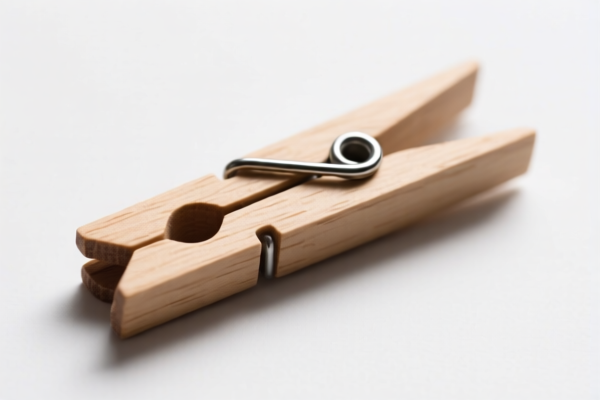
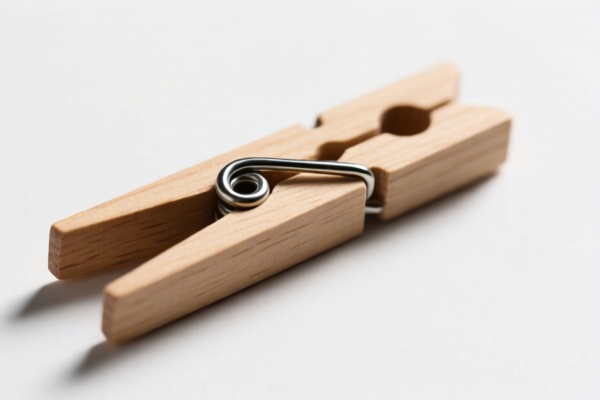
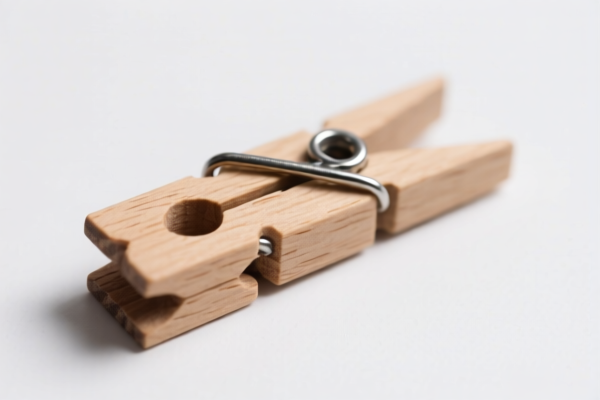
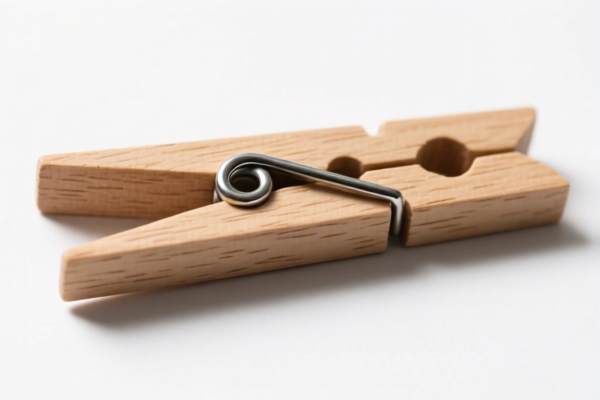
AI Analysis
🖇️ Spring Clip (Wooden & Plastic)
🌐 HS Code Reference & Customs Clearance Guide | 2026 Latest Tariff Analysis | Professional Clearance Strategy
📌 I. Product Definition & Classification: Do You Really Understand "Spring Clips"?
Spring clips are versatile fastening devices used across packaging, laundry, and organizational applications. In international trade, they are strictly categorized by material. The classification hinges on whether the clip is made of wood (classified under heading 44) or plastic (classified under heading 39). Misclassification can lead to significant tariff discrepancies due to differing base rates and trade remedy measures.
⚠️ Key Distinction Point:
- If Wooden → Belongs to Heading 44 (Wood and Articles of Wood). Specifically, it depends on whether it’s viewed as a general wood product (4415.20) or part of wooden packaging (4415.10).
- If Plastic → Belongs to Heading 39 (Plastics and Articles Thereof). It is further subdivided based on specific use or form (3926.90), such as general plastic articles (3926.90.65.30) or specific laundry clips (3926.90.65.20).
📦 II. HS Code Classification Details (2026 Latest Tariff Authority Comparison)
| HS Code | Product Description | Application Scenario | Material |
|---|---|---|---|
4415.20.80.00 |
Wooden packing cases, boxes, crates, drums and similar packings; wooden pallets, box pallets and other load boards; pallet collars. Spring wooden clips classified here as general wood packaging components. | General wooden clips for packaging purposes. | ✅ Wood |
4415.10.90.00 |
Wooden packing cases, boxes, crates, drums and similar packings (Other). Spring wooden clips classified here as belonging to the category of wooden packaging. | Wooden clips specifically identified as part of wooden packaging systems. | ✅ Wood |
3926.90.65.30 |
Other articles of plastics and articles of other materials of heading 39. Plastic spring clips (general classification). | General plastic spring clips, office supplies, household organizers. | ✅ Plastic |
3926.90.65.20 |
Plastic clothes pegs (spring type). Specific classification for plastic laundry clips. | Plastic clothes pegs, laundry organizers, spring-type drying clips. | ✅ Plastic |
🔍 Key Reminder:
- All wooden clips attract significantly higher tariffs due to Base Duties + Section 301 + Section 122 measures.
- Plastic clips have a lower base duty but are still subject to specific Section 122 tariffs.
- Ensure the primary material is declared correctly. Mixed-material clips should be classified based on the material giving them their essential character.
💰 III. 2026 Latest Tariff Rate Breakdown (Including Additional Taxes & Policy Surcharges)
✅ Applicable Country: USA (US)
✅ Country of Origin: China (CN)
✅ Effective Time: Current rates apply for imports from China.
🎯 1. 4415.20.80.00 & 4415.10.90.00 —— Wooden Spring Clips
| Item | Content |
|---|---|
| Base Tariff | 10.7% (Ad Valorem) |
| Section 301 Additional Tariff | +25.0% |
| Section 122 Tariff | +10.0% |
| Total Tariff Rate | 45.7% |
| Tax Calculation | CIF Value × 45.7% |
| De Minimis Eligibility | ❌ Not Eligible (Subject to full duty assessment) |
| Legal Basis Path | HTSUS:4415.20.80.00 / 4415.10.90.00 → Section 301 Footnote → Section 122 Provision |
📌 Explanation:
- "Base Duty 10.7%": The standard MFN (Most Favored Nation) duty rate for wooden packing materials or wood articles.
- "Section 301 Additional Tariff 25%": Imposed on Chinese goods under the Trade Act of 1974, Section 301. This applies to most wood and plastic products from China.
- "Section 122 Tariff 10%": A specific surcharge applied to certain goods from China, often related to currency manipulation or trade deficit considerations.
- Total 45.7%: This is a very high tariff rate. Importers must factor this into their landed cost calculations.
🎯 2. 3926.90.65.30 & 3926.90.65.20 —— Plastic Spring Clips
| Item | Content |
|---|---|
| Base Tariff | 4.2% (Ad Valorem) |
| Section 301 Additional Tariff | 0.0% (Note: See below for context) |
| Section 122 Tariff | +10.0% |
| Total Tariff Rate | 14.2% |
| Tax Calculation | CIF Value × 14.2% |
| De Minimis Eligibility | ❌ Not Eligible |
| Legal Basis Path | HTSUS:3926.90.65.30 / 3926.90.65.20 → Section 122 Provision |
📌 Explanation:
- "Base Duty 4.2%": The standard rate for plastic articles.
- "Section 122 Tariff 10%": Applies to these plastic clips from China.
- Note on Section 301: While many plastic goods are subject to Section 301 (25%), the provided data indicates 0.0% for these specific subheadings in this context, or that the 10% Section 122 is the primary additional duty cited. However, please verify with the latest USITC data as Section 301 lists are dynamic.
- Total 14.2%: Significantly more favorable than wooden clips.
🛠️ IV. Customs Clearance Practical Advice (Pitfall Avoidance Guide)
✅ 1. Required Documentation Checklist
| Document | Mandatory? | Description |
|---|---|---|
| ✅ Commercial Invoice | ✔️ | Must clearly state "Spring Clip" and specify Material (Wood/Plastic). |
| ✅ Packing List | ✔️ | Detail quantity, weight, and packaging type. |
| ✅ Product Specification Sheet | ✔️ | Include dimensions, spring mechanism type, and material composition. |
| ✅ Photos of Product | ✔️ | Clear images showing the clip, especially the spring mechanism and material texture. |
| ✅ Certificate of Origin (CO) | ✔️ | Crucial for proving Chinese origin to apply the correct Section 301/122 rates. |
| ✅ Freight Forwarder Details | ✔️ | For smooth logistics coordination. |
✅ 2. Declaration Tips (Key Mantras)
🔥 “Material First, Code Second, Tariff Difference is Key!”
| Scenario | Correct Declaration | Incorrect Practice | Consequence |
|---|---|---|---|
| Wooden Clips | 4415.20.80.00 or 4415.10.90.00 |
Declare as Plastic | Tax Audit + Penalty (Underpayment) |
| Plastic Clips | 3926.90.65.30 or 3926.90.65.20 |
Declare as Wood | Overpayment (Lost Profit) |
| Mixed Materials | Classify by Essential Character | Split Declaration | Customs Rejection |
| "Wooden Packaging" | Use 4415.10.90.00 |
Use General Wood Code | Potential Misclassification |
✅ 3. Special Cases Handling
| Scenario | Handling Advice |
|---|---|
| OEM/Custom Clips | Provide design drawings to prove material intent. |
| Plastic Clothes Pegs | Use 3926.90.65.20 if specifically for laundry to ensure accuracy. |
| Bulk Shipping | Ensure HS codes are consistent across all pallets to avoid random inspections. |
| Origin Fraud | Do not transship via third countries to hide Chinese origin. Section 122/301 apply strictly. |
🌍 V. Global Market Comparison (2026 Latest)
| Country/Region | Recommended HS Code | Tariff (China Origin) | Certification Req. | Notes |
|---|---|---|---|---|
| 🇺🇸 USA | 4415.20.80.00 (Wood)3926.90.65.30 (Plastic) |
Wood: 45.7% Plastic: 14.2% |
None for basic clips | High tariffs due to Section 301 & 122. |
| 🇨🇳 China | 4415.20.80.003926.90.65.30 |
~5-10% (Import Duty) | CCC (if applicable) | Lower entry barriers. |
| 🇪🇺 EU | 4421.99 (Wood)3926.90 (Plastic) |
~0-6.5% | CE (if plastic has contact) | No Section 301 equivalent. |
| 🇬🇧 UK | Similar to EU | ~0-6.5% | UKCA | Post-Brexit rules apply. |
📌 Conclusion:
- USA is the most expensive market for these goods due to multiple layers of additional tariffs.
- Plastic clips are significantly more tax-efficient than wooden ones in the US market.
- Consider supply chain diversification (e.g., sourcing from Vietnam or Thailand) if targeting the US market to mitigate Section 301/122 impacts, provided substantial transformation occurs.
📌 VI. Common Errors & Pitfalls (Lessons Learned)
❌ Error 1: Declaring wooden clips as "Plastic" to save taxes.
👉 Consequence: Customs inspection reveals wood texture → Seizure + Heavy Fines.
❌ Error 2: Using generic "Clips" without specifying material.
👉 Consequence: Customs assigns highest applicable rate (45.7%) → Overpayment.
❌ Error 3: Ignoring Section 122.
👉 Consequence: Underpayment by 10% → Interest & Penalties.
✅ Correct Practice:
"Wooden Spring Clip, 50mm, Natural Birch, For Packaging"
"Plastic Spring Clothes Peg, 60mm, Blue, Laundry Use"
🎯 VII. Conclusion: Precise Classification Saves Money!
🎯 Remember the Mantra:
🔹 "Wood pays more, Plastic is cheaper. 45.7% vs 14.2% is a huge gap!"
🔹 "Declare material accurately, avoid Section 122/301 traps!"
📌 Pro Tip:
If you are exporting plastic clips, verify if any exclusions from Section 301 apply, though currently, the 14.2% total remains high. For wooden clips, consider if the product can be redesigned to use alternative materials or if it qualifies for any specific packaging exemptions.
📣 Immediate Action:
📞 Contact your customs broker with product photos and material specs.
🚀 Apply for Advance Rulings if possible to lock in the correct HS Code and tariff rate.
💼 Your bottom line depends on this 31.5% difference!
✨ Professional Clearance Starts with Accurate Classification!
💼 Every cent saved in tariffs is pure profit!
Customer Reviews
About HS Code Classification
The Harmonized System (HS) is an internationally standardized nomenclature developed by the World Customs Organization (WCO) to classify traded products. Over 200 countries use the HS system as the basis for customs tariffs, trade statistics, and import/export regulations.
Each HS code follows a hierarchical structure:
- Chapter (2 digits) — Broad category of goods (e.g., Chapter 84: Machinery and Mechanical Appliances)
- Heading (4 digits) — More specific grouping within the chapter
- Subheading (6 digits) — Internationally standardized breakdown, used by all WCO member countries
- National subdivisions (8-10 digits) — Country-specific extensions for further classification, such as US HTSUS 10-digit codes
Correct HS code classification is essential for smooth customs clearance, accurate duty payment, and compliance with trade regulations. Misclassification can lead to customs delays, overpayment of duties, or penalties.
When importing from CN to US, the applicable tariff rates may include:
- Most-Favored-Nation (MFN) rate — The standard duty rate applied to WTO members
- General rate — Applied to countries without trade agreements
- Trade remedy duties — Additional tariffs such as Section 301 (anti-dumping), Section 232 (national security), or countervailing duties
The information provided on this page is for reference purposes only. For official classification, please consult with your local customs authority or a licensed customs broker.