Spring Hook Puller Tool
CN → US| HS Code | Tariff Rate | Origin | Destination | Doc |
|---|---|---|---|---|
| 7326190080 | 87.9% | CN | US | Official Doc |
| 7326908688 | 87.9% | CN | US | Official Doc |
| 3926909989 | 22.8% | CN | US | Official Doc |
Product Images
AI Analysis
🦾 Spring Hook Puller Tool
🌐 HS Code Reference & Customs Clearance Guide | 2026 Latest Tariff Analysis | Professional Entry Strategies
📌 I. Product Definition & Classification: Do You Really Understand "Spring Hook Pullers"?
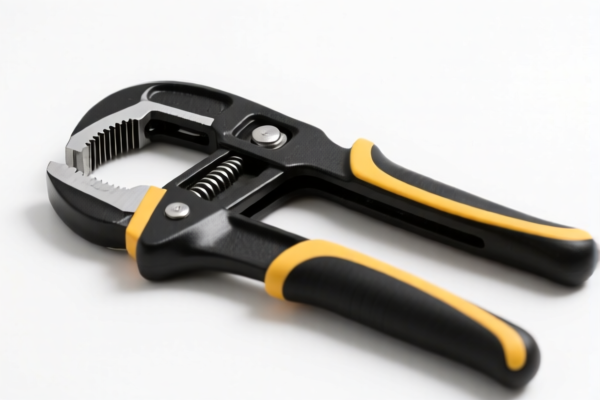
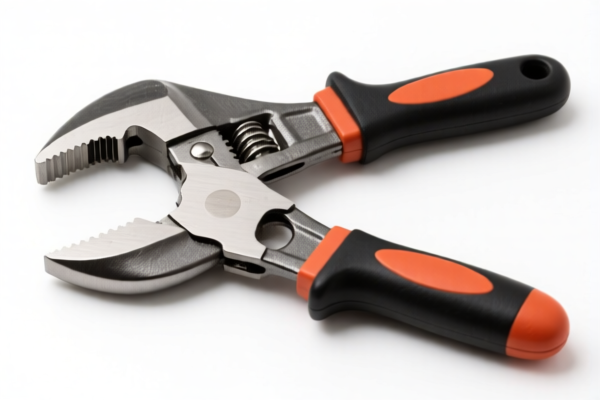
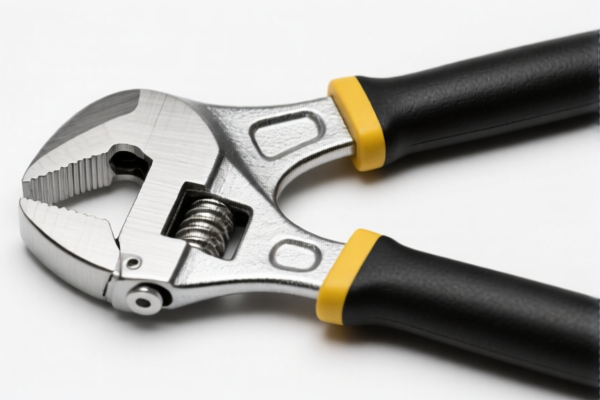
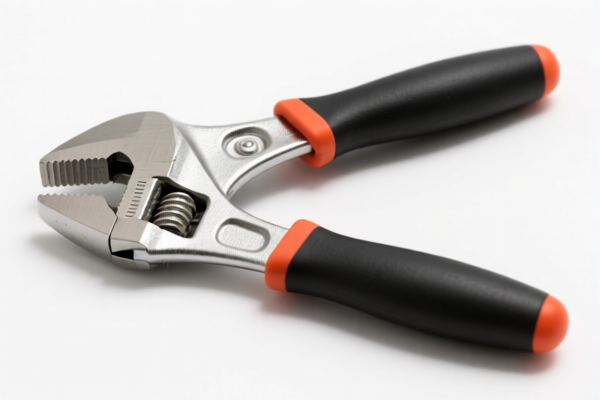
A Spring Hook Puller is a specialized manual hand tool designed to remove, install, or adjust retaining rings, cotter pins, and tensioned springs in mechanical assemblies. It is commonly used in automotive repair, HVAC maintenance, machinery assembly, and general industrial upkeep.
In international trade, these tools are categorized not by their specific mechanical action alone, but by their material composition and state of manufacture (forged/stamped vs. further worked). They are generally classified under Chapter 73 (Articles of Iron or Steel) or Chapter 39 (Plastics), depending on the primary material and manufacturing process.
⚠️ Key Distinction Points:
- If the tool is made of iron or steel, forged/stamped, and not further worked (e.g., simple gripping hooks) → Likely HS 7326.19.00.80.
- If the tool is made of iron or steel but involves more complex machining, welding, or assembly (e.g., plier-style handles, adjustable jaws) → Likely HS 7326.90.86.88.
- If the tool contains significant plastic components (e.g., plastic handles, plastic housing) and fits the description of "other articles of plastics" → May fall under HS 3926.90.99.89 (though less common for metal tools, possible if plastic is the primary structural element or if classified as a "part of a machine" not elsewhere specified).
📦 II. HS Code Classification Details (2026 Latest Tariff Authority Comparison)
| HS Code | Product Description | Application Scenario | Material/Work State |
|---|---|---|---|
7326.19.00.80 |
Other articles of iron or steel: Forged or stamped, but not further worked: Other Other | Simple spring hooks, stamped metal hooks, basic retaining ring removers | ✅ Iron/Steel, Forged/Stamped, Minimal Further Work |
7326.90.86.88 |
Other articles of iron or steel: Other: Other: Other: Other Other | Plier-style spring hooks, adjustable tools, welded assemblies, complex mechanical tools | ✅ Iron/Steel, More Than Stamped/Forged (Machined/Welded) |
3926.90.99.89 |
Other articles of plastics and articles of other materials of headings 3901 to 3914: Other: Other: Other | Tools with significant plastic structural components or non-metallic primary material | ✅ Plastic/Other Material |
🔍 Key Reminder:
- Metal tools are overwhelmingly classified under Chapter 73. The distinction between7326.19and7326.90hinges on the degree of working.
- Simple hooks (stamped from sheet metal) go to7326.19.
- Complex tools (pliers, wrenches, adjustable mechanisms) go to7326.90.
- Plastic tools are rare for heavy-duty spring hooks but possible for light-duty or consumer-grade versions.
💰 III. 2026 Latest Tariff Rate Details (Including Surcharges, Policy Add-ons)
✅ Applicable Country: United States (US)
✅ Origin: China (CN)
✅ Effective Time: 2025 November 10 onwards (including subsequent imports)
🎯 1. 7326.19.00.80 —— Iron/Steel Articles, Forged/Stamped
| Item | Content |
|---|---|
| Base Tariff Rate | 2.9% (ad valorem) |
| Section 301 Surcharge | +25.0% (Steel, Aluminum, Copper Products Surcharge) |
| Additional Surcharge | +50% (Specific to Steel, Aluminum, Copper Products under USITC rulings) |
| Total Tariff Rate | 77.9% |
| Tax Calculation | CIF Value × 77.9% |
| De Minimis Exemption Available? | ❌ No (deny_de_minimis) |
| Legal Basis Path | Base: 2.9% → Section 301: 25% → USITC Steel/Al/Cu Surcharge: 50% |
📌 Explanation:
- Base Tariff (2.9%): Standard Most Favored Nation (MFN) rate for general iron/steel articles.
- Section 301 (25%): Standard punitive tariff on Chinese goods.
- Steel/Al/Cu Surcharge (50%): Specific additional tariff applied to steel and aluminum products under USITC rulings (Footnote references for steel/aluminum/copper surcharges).
- Total (77.9%): This is an extremely high tariff, significantly impacting cost competitiveness.
🎯 2. 7326.90.86.88 —— Other Iron/Steel Articles
| Item | Content |
|---|---|
| Base Tariff Rate | 2.9% (ad valorem) |
| Section 301 Surcharge | +25.0% (Steel, Aluminum, Copper Products Surcharge) |
| Additional Surcharge | +50% (Specific to Steel, Aluminum, Copper Products under USITC rulings) |
| Total Tariff Rate | 77.9% |
| Tax Calculation | CIF Value × 77.9% |
| De Minimis Exemption Available? | ❌ No (deny_de_minimis) |
| Legal Basis Path | Base: 2.9% → Section 301: 25% → USITC Steel/Al/Cu Surcharge: 50% |
📌 Note:
- Same tariff structure as7326.19because both are iron/steel articles subject to the same surcharges.
- Whether forged or more complexly worked, the material (steel) triggers the 50% surcharge.
🎯 3. 3926.90.99.89 —— Other Plastic Articles
| Item | Content |
|---|---|
| Base Tariff Rate | 5.3% (ad valorem) |
| Section 301 Surcharge | +7.5% (General Chinese Goods Surcharge) |
| Additional Surcharge | None (Plastics not subject to 50% steel/aluminum surcharge) |
| Total Tariff Rate | 12.8% |
| Tax Calculation | CIF Value × 12.8% |
| De Minimis Exemption Available? | ❌ No (deny_de_minimis) |
| Legal Basis Path | Base: 5.3% → Section 301: 7.5% |
📌 Note:
- Significantly lower tariff (12.8%) compared to steel tools (77.9%).
- However, misclassification is a major risk. If the tool is primarily metal with plastic handles, it will likely be classified as steel, not plastic.
- Use this only if the tool is primarily made of plastic or meets the specific legal definition for heading 3926.
🛠️ IV. Customs Clearance Practical Advice (Real-World Pitfall Avoidance)
✅ 1. Required Documentation Checklist (Non-Negotiable)
| Document | Must Provide | Description |
|---|---|---|
| ✅ Product Specification Sheet | ✔️ | Material composition, dimensions, weight, function |
| ✅ Material Composition Proof | ✔️ | Bill of Materials (BOM) showing % of steel vs. plastic |
| ✅ Product Photos (Clear) | ✔️ | Showing overall shape, handles, tips, any markings |
| ✅ Manufacturing Process Description | ✔️ | Is it stamped? Forged? Welded? Machined? |
| ✅ Commercial Invoice | ✔️ | Accurate description: "Spring Hook Puller, Steel, Hand Tool" |
| ✅ Packing List | ✔️ | Weight, dimensions, number of units |
| ✅ Origin Certificate (CO) | ✔️ | If applicable for other markets, but for US, origin is key for surcharges |
✅ 2. Declaration Tips (Key Mantra)
🔥 “Material First, Process Second, Name Accurate, Tariff Reduced!”
| Scenario | Correct Declaration | Wrong Practice |
|---|---|---|
| Simple Stamped Steel Hook | 7326.19.00.80 + "Forged/Stamped Spring Hook" |
Misdeclare as "Plastic Tool" → 12.8% (Risk: Rejection + Penalty) |
| Plier-Style Steel Tool | 7326.90.86.88 + "Forged/Assembled Spring Puller" |
Misdeclare as "Plastic Tool" → 12.8% (Risk: Rejection + Penalty) |
| Tool with Plastic Handles | 7326.19.00.80 or 7326.90.86.88 |
Misdeclare as 3926.90.99.89 → 12.8% (Risk: Rejection + Penalty) |
| Light Plastic Hook | 3926.90.99.89 + "Plastic Spring Hook" |
N/A |
📌 Critical Advice:
- Do NOT misclassify steel tools as plastic to save 65% in tariffs. US Customs and Border Protection (CBP) is highly vigilant about this.
- If the tool is >50% steel by weight or value, it will likely be classified under Chapter 73.
- Provide material breakdown in the invoice and supporting documents to justify your classification.
✅ 3. Special Circumstances Handling
| Situation | Handling Advice |
|---|---|
| OEM Custom Tools | Provide design drawings + BOM to prove material composition |
| Tool Sets (Hook + Pliers) | Declare as a set under the primary function material (usually steel) |
| Plastic-Handled Tools | Still classified as steel if steel is the functional part (gripping surface) |
| Import for Personal Use | Not applicable for commercial import; de minimis does not apply |
🌍 V. Global Main Market Comparison (2026 Latest)
| Country/Region | Recommended HS Code | Tariff | Certification | Notes |
|---|---|---|---|---|
| 🇺🇸 USA | 7326.19.00.80 / 7326.90.86.88 |
77.9% | None | High tariff due to steel surcharge |
| 🇺🇸 USA (if Plastic) | 3926.90.99.89 |
12.8% | None | Only if primarily plastic |
| 🇨🇳 China | 7326.19.00.00 / 7326.90.90.00 |
5-6% | CCC (if applicable) | Lower base tariff, no surcharge |
| 🇪🇺 EU | 7326.19.00.00 / 7326.90.80.00 |
1.5-2.7% | CE (if applicable) | Low base tariff, no surcharge |
| 🇬🇧 UK | 7326.19.00.00 / 7326.90.80.00 |
1.5-2.7% | UKCA | Low base tariff |
| 🇦🇺 Australia | 7326.19.00.00 / 7326.90.80.00 |
5% | RCM | Moderate tariff |
| 🇯🇵 Japan | 7326.19.00.00 / 7326.90.80.00 |
1.5-2.5% | PSE (if applicable) | Low tariff |
📌 Conclusion:
- USA is the most challenging market due to the 77.9% total tariff on steel tools.
- EU, UK, Japan, Australia offer much more favorable rates (1-6%).
- Strategy: Consider supply chain diversification (e.g., manufacture in Vietnam, Mexico, or Thailand) to avoid US surcharges if exporting to the US.
📌 VI. Common Mistakes & Pitfall Guide (Blood & Tears Lessons)
❌ Mistake 1: Declaring a steel spring hook as "Plastic Tool" to save taxes
👉 Consequence: CBP rejects shipment, imposes penalties, and charges back taxes + interest. Total cost increase >100%.
❌ Mistake 2: Not providing material breakdown for plastic-handled tools
👉 Consequence: CBP assumes 100% steel → 77.9% tariff → Unexpected cost spike.
❌ Mistake 3: Misidentifying forged vs. stamped
👉 Consequence: Wrong HS Code → Delayed clearance → Storage fees + demurrage.
❌ Mistake 4: Ignoring the 50% steel/aluminum surcharge
👉 Consequence: Underestimating landed cost → Profit margin wiped out.
✅ Correct Approach:
"Spring Hook Puller, Hand Tool, Steel Forged/Stamped, with Plastic Handles, Model XYZ, For Industrial Use"
🎯 VII. Conclusion: Professional Declaration, Time-Saving, Cost-Reducing!
🎯 Remember the Mantra:
🔹 “Steel Tools, 77.9%; Plastic Tools, 12.8%; Misclassification, Penalties!”
🔹 “HS Code Determines Fate, 65% Tariff Difference, One Step Wrong, Profit Lost!”
📌 Pro Tips:
- If your spring hook pullers are primarily plastic, ensure BOM proves >50% plastic by weight/value.
- If steel, consider supply chain relocation to avoid the 50% surcharge if targeting the US market.
- Apply for Advance Ruling with US CBP if unsure about classification for large shipments.
📣 Immediate Action:
📞 Contact a Professional Customs Broker + Provide BOM + Apply for HS Code Advance Ruling
🚀 Ensure your Spring Hook Pullers pass smoothly, export efficiently, and maximize profits!
✨ Professional Clearance Starts with Accurate Classification!
💼 Every Dollar of Cost Deserves Precise Calculation!
Customer Reviews
About HS Code Classification
The Harmonized System (HS) is an internationally standardized nomenclature developed by the World Customs Organization (WCO) to classify traded products. Over 200 countries use the HS system as the basis for customs tariffs, trade statistics, and import/export regulations.
Each HS code follows a hierarchical structure:
- Chapter (2 digits) — Broad category of goods (e.g., Chapter 84: Machinery and Mechanical Appliances)
- Heading (4 digits) — More specific grouping within the chapter
- Subheading (6 digits) — Internationally standardized breakdown, used by all WCO member countries
- National subdivisions (8-10 digits) — Country-specific extensions for further classification, such as US HTSUS 10-digit codes
Correct HS code classification is essential for smooth customs clearance, accurate duty payment, and compliance with trade regulations. Misclassification can lead to customs delays, overpayment of duties, or penalties.
When importing from CN to US, the applicable tariff rates may include:
- Most-Favored-Nation (MFN) rate — The standard duty rate applied to WTO members
- General rate — Applied to countries without trade agreements
- Trade remedy duties — Additional tariffs such as Section 301 (anti-dumping), Section 232 (national security), or countervailing duties
The information provided on this page is for reference purposes only. For official classification, please consult with your local customs authority or a licensed customs broker.