Spring Wood Clip
CN → US| HS Code | Tariff Rate | Origin | Destination | Doc |
|---|---|---|---|---|
| 8214909000 | 0.0% | CN | US | Official Doc |
| 8214100000 | 0.0% | CN | US | Official Doc |
| 4421918024 | 0.0% | CN | US | Official Doc |
| 4421998024 | 0.0% | CN | US | Official Doc |
| 3926906520 | 14.2% | CN | US | Official Doc |
| 3926906530 | 14.2% | CN | US | Official Doc |
Product Images
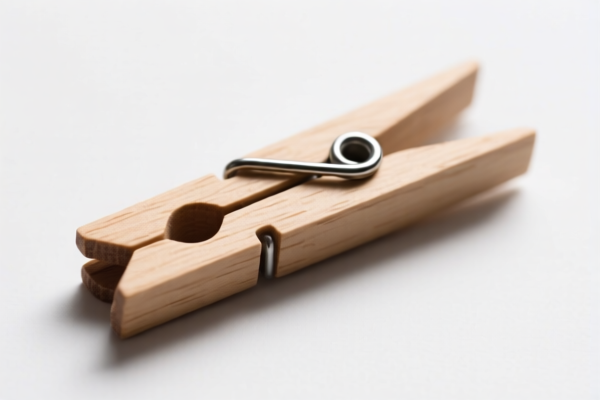
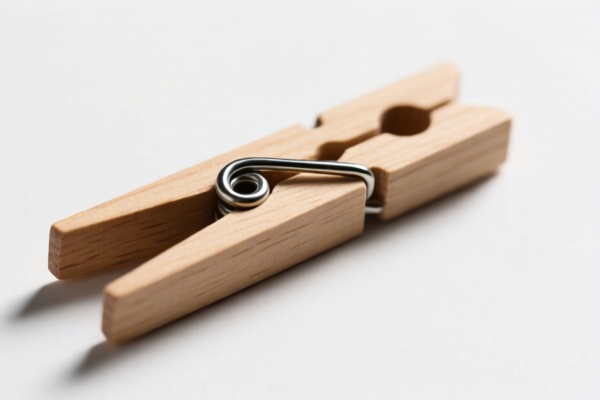
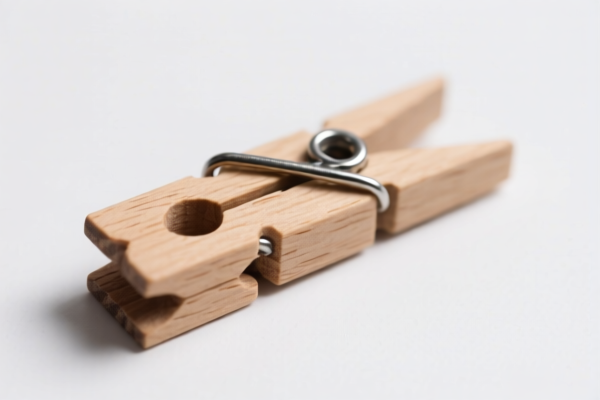
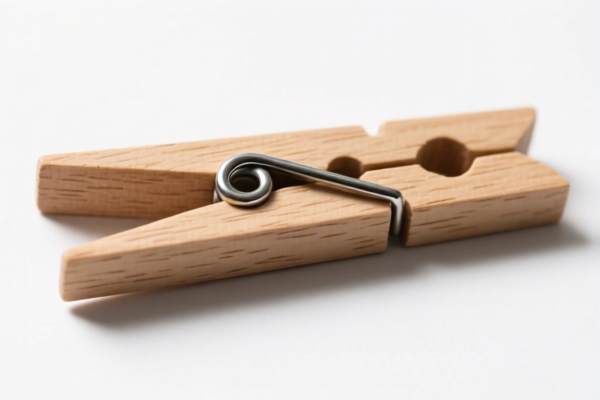
AI Analysis
🌿 Spring Wood Clip (Clothespins & Wooden Clamps)
🌐 HS Code Reference & Customs Clearance Guide | 2026 Latest Tariff Analysis | Professional Strategy
📌 I. Product Definition & Classification: Do You Really Understand "Wood Clips"?
The "Spring Wood Clip" is a versatile household and industrial item, primarily used for drying clothes, organizing materials, or light-duty clamping. In international trade, it is often misunderstood as a simple wooden item, but its classification depends heavily on the material composition and functional structure.
Key Distinction:
- Pure Wood Clips: Even if they have a simple spring mechanism, if the primary body is wood, they fall under Chapter 44 (Wood).
- Plastic Clips: If the body is plastic with a metal spring, they fall under Chapter 39 (Plastics).
- Mixed Material: Customs often scrutinizes "wood clips" to ensure they aren't actually plastic imitations or contain significant non-wood components that might shift classification.
⚠️ Critical Identification Point:
- If the clip is 100% Wood (including the spring housing/holder), it is classified under Chapter 44.
- If the clip body is Plastic (even if called "wood-style" or "eco-friendly wood look"), it is classified under Chapter 39.
- The term "Spring" usually refers to the mechanism, but for wooden clothespins, the "spring" is often a twisted wire or a simple metal pin, not a coiled spring inside a plastic shell.
📦 II. HS Code Classification Details (2026 Latest Tariff Authority Comparison)
Based on your input data, here are the specific HS Codes provided for this product. Note that the tax rates are highly specific to the US-China trade context (Section 301 & IEEPA tariffs).
| HS Code | Product Description (Summary from Data) | Tariff Category | Key Characteristic |
|---|---|---|---|
4415.20.80.00 |
Wooden Clip: Classified as a wooden material tool for loading/fixing. | High Tariff | Primary material is wood; used for securing/loading. |
4415.10.90.00 |
Wooden Clip: Classified under wooden packaging & similar packaging. | High Tariff | Primary material is wood; considered packaging-related or similar. |
3926.90.65.20 |
Plastic Clip (Spring Type): Plastic product & spring-type clothespin. | Low Tariff | Material is Plastic. Even if called "wood clip" colloquially, if plastic, this code applies. |
3926.90.65.30 |
Plastic Clip (Spring Type): Fully compliant with plastic & spring-type clothespin requirements. | Low Tariff | Material is Plastic. Specific subtype for spring-type plastic clips. |
🔍 Important Note on Your Input Data:
The data provided includes both Wooden (Ch 44) and Plastic (Ch 39) codes.
- If your product is genuinely made of wood, use4415.xx.xx.
- If your product is made of plastic (but marketed as "spring wood clip" due to shape), use3926.90.65.xx.
- Do NOT mix these. Customs will check the material. Misdeclaration leads to severe penalties.
💰 III. 2026 Latest Tariff Rate Breakdown (Including Surcharges & Policy Add-ons)
✅ Applicable Country: United States (US)
✅ Origin: China (CN)
✅ Effective Time: Current tariffs apply (Section 301 & IEEPA measures)
🎯 1. Wooden Clips (4415.20.80.00 / 4415.10.90.00)
| Item | Content |
|---|---|
| Base Tariff | 10.7% (ad valorem) |
| Additional Tariff (Section 301) | +25.0% (List 3/4a items) |
| IEEPA Surcharge | +10.0% (Specific to certain Chinese goods, effective from recent policy updates) |
| Total Tariff Rate | 45.7% |
| Tax Calculation | CIF Value × 45.7% |
| De Minimis Eligibility | ❌ Not Eligible (High tariff items generally excluded from $800 de minimis exemptions) |
| Legal Basis Path | USITC:4415.20.80.00 → FOOTNOTE:301 → IEEPA:9903.01.24 (or similar applicable footnote) |
📌 Explanation:
- Base Rate (10.7%): Standard MFN rate for wooden packing cases/boxes/clamps.
- Section 301 Tariff (+25%): Applies to most wood products from China under trade restrictions.
- IEEPA Tariff (+10%): Additional surcharge on top of the 301 tariff for specific covered goods.
- Total: 45.7%. This is a very high duty. Profit margins must account for this.
🎯 2. Plastic Clips (3926.90.65.20 / 3926.90.65.30)
| Item | Content |
|---|---|
| Base Tariff | 4.2% (ad valorem) |
| Additional Tariff (Section 301) | 0.0% (Exempt or lower list for certain plastic articles) |
| IEEPA Surcharge | +10.0% |
| Total Tariff Rate | 14.2% |
| Tax Calculation | CIF Value × 14.2% |
| De Minimis Eligibility | ❌ Not Eligible (Despite lower rate, plastic articles from China often still face restrictions or are not eligible for de minimis if classified under specific subheadings) |
| Legal Basis Path | USITC:3926.90.65.20 → IEEPA:9903.01.24 |
📌 Explanation:
- Base Rate (4.2%): Much lower than wooden clips.
- Section 301 Tariff (0%): Certain plastic articles may be exempt from the 25% surcharge, or the 301 tariff does not apply to this specific subheading.
- IEEPA Surcharge (+10%): Still applies.
- Total: 14.2%. Significantly cheaper than wooden clips.
🛠️ IV. Customs Clearance Practical Advice (Real-World Pitfall Guide)
✅ 1. Material Verification is Key (Do Not Guess)
| Scenario | Correct HS Code | Risk if Wrong |
|---|---|---|
| Genuine Wood Clothespin (with metal pin) | 4415.20.80.00 or 4415.10.90.00 |
If declared as Plastic → Under-declaration, fraud penalty. |
| Plastic Clothespin (with metal spring) | 3926.90.65.20 or 3926.90.65.30 |
If declared as Wood → Over-declaration, pay 45.7% instead of 14.2%. |
| Mixed Material (Wood body + Plastic parts) | Usually 4415 (if wood is essential character) |
Complex, may require technical opinion. |
🔥 Golden Rule:
"Wood is 45.7%, Plastic is 14.2%. Check the material, not the name!"
If your product is named "Spring Wood Clip" but is made of plastic, you must declare it as Plastic (3926) to avoid overpaying, but you must ensure it passes customs material inspection. If it's actually wood, you cannot fake it as plastic.
✅ 2. Documentation Requirements
| Document | Required? | Notes |
|---|---|---|
| ✅ Product Specification Sheet | ✔️ | Clearly state Material Composition (e.g., "100% Beech Wood", "PP Plastic + Steel Spring"). |
| ✅ Product Photos | ✔️ | Show close-ups of the joint/spring mechanism. |
| ✅ Bill of Lading / Invoice | ✔️ | Describe as "Wooden Clothespins" or "Plastic Spring Clips". Do not use ambiguous terms like "Mixed Material Clips". |
| ✅ Certificate of Origin | ✔️ | If claiming preferential rates (not applicable here due to high tariffs, but still required). |
✅ 3. Special Handling Tips
| Situation | Advice |
|---|---|
| OEM Orders | If producing for a US brand, ensure the brand's marketing matches the declared material. |
| "Eco-Friendly Wood-Look" Plastic | If it's plastic with a wood grain texture, it is PLASTIC (3926). Declare as such. |
| High-Value Shipments | With 45.7% tax on wood, consider pre-clearance rulings or verifying if any exemptions apply. |
| Plastic Clips | At 14.2%, this is more competitive. Ensure the plastic type (PP, ABS, etc.) is clearly stated. |
🌍 V. Global Market Comparison (2026)
| Country/Region | Recommended HS Code (For Wooden Clip) | Tariff (China Origin) | Notes |
|---|---|---|---|
| 🇺🇸 USA | 4415.20.80.00 |
45.7% | High Section 301 + IEEPA tariffs. |
| 🇨🇳 China | 4415.20.80.00 |
~5-10% | Import duty into China (if re-importing). |
| 🇪🇺 EU | 4415.20.00 |
4.5% + VAT | No Section 301 equivalent. Much lower. |
| 🇬🇧 UK | 4415.20.00 |
4.5% + VAT | Post-Brexit tariffs. |
📌 Conclusion for US Market:
- Wooden clips are expensive to import into the US due to the 45.7% total tariff.
- Plastic clips are significantly cheaper (14.2%).
- If your product is genuinely wood, factor this cost into your pricing. If you have flexibility, consider plastic alternatives (3926) to save ~31.5% in tariffs.
📌 VI. Common Mistakes & Pitfalls (Lessons Learned)
❌ Mistake 1: Declaring "Wooden Clip" but using plastic clips to save tax.
👉 Consequence: Customs inspection finds plastic → Seizure, fines, and potential fraud charges.
❌ Mistake 2: Declaring "Plastic Clip" but using wooden clips.
👉 Consequence: You pay only 14.2% instead of 45.7%. Customs audits later → Back taxes + Interest + Penalties.
❌ Mistake 3: Using vague terms like "Clothespin" without material specification.
👉 Consequence: Customs assigns highest possible rate or requests costly clarification → Delays.
✅ Correct Practice:
"Wooden Clothespin, Beech Wood, with Steel Wire Pin" →
4415.20.80.00
"Plastic Spring Clip, PP Material, with Steel Spring" →3926.90.65.20
🎯 VII. Conclusion: Professional Declaration Saves Money!
🎯 Remember the Key:
🔹 Wood = 45.7% (High Risk, High Cost)
🔹 Plastic = 14.2% (Lower Risk, Lower Cost)
🔹 Material is Law. Declare accurately.
📌 Pro Tip:
If you are importing wooden clips, consider supply chain diversification (e.g., from Vietnam or Thailand) to mitigate US-China tariffs, or switch to plastic alternatives if product functionality allows.
📣 Immediate Action:
📞 Confirm material composition with your supplier.
🚀 Use the correct HS Code (4415for Wood,3926for Plastic) to avoid customs holds.
💡 Calculate your landed cost with 45.7% vs 14.2% before ordering!
✨ Professional Customs Clearance, Starting with Accurate Classification!
💼 Your Profit Margin Depends on Getting the HS Code Right!
Customer Reviews
About HS Code Classification
The Harmonized System (HS) is an internationally standardized nomenclature developed by the World Customs Organization (WCO) to classify traded products. Over 200 countries use the HS system as the basis for customs tariffs, trade statistics, and import/export regulations.
Each HS code follows a hierarchical structure:
- Chapter (2 digits) — Broad category of goods (e.g., Chapter 84: Machinery and Mechanical Appliances)
- Heading (4 digits) — More specific grouping within the chapter
- Subheading (6 digits) — Internationally standardized breakdown, used by all WCO member countries
- National subdivisions (8-10 digits) — Country-specific extensions for further classification, such as US HTSUS 10-digit codes
Correct HS code classification is essential for smooth customs clearance, accurate duty payment, and compliance with trade regulations. Misclassification can lead to customs delays, overpayment of duties, or penalties.
When importing from CN to US, the applicable tariff rates may include:
- Most-Favored-Nation (MFN) rate — The standard duty rate applied to WTO members
- General rate — Applied to countries without trade agreements
- Trade remedy duties — Additional tariffs such as Section 301 (anti-dumping), Section 232 (national security), or countervailing duties
The information provided on this page is for reference purposes only. For official classification, please consult with your local customs authority or a licensed customs broker.