Spruce and Fir Wood for Pulp Production
CN → US| HS Code | Tariff Rate | Origin | Destination | Doc |
|---|---|---|---|---|
| 4407140000 | 35.0% | CN | US | Official Doc |
| 4401110000 | 35.0% | CN | US | Official Doc |
| 4407120059 | 35.0% | CN | US | Official Doc |
| 4407120020 | 35.0% | CN | US | Official Doc |
| 4403240135 | 35.0% | CN | US | Official Doc |
Product Images
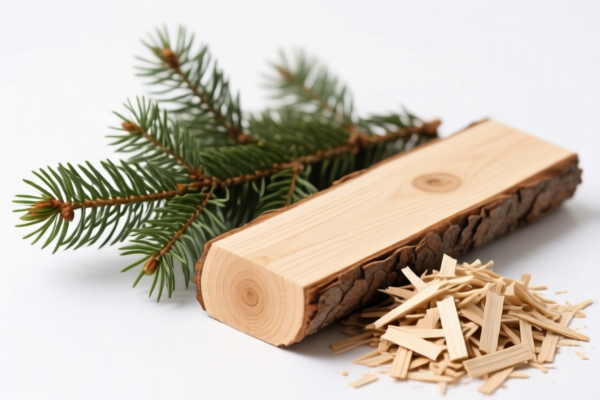
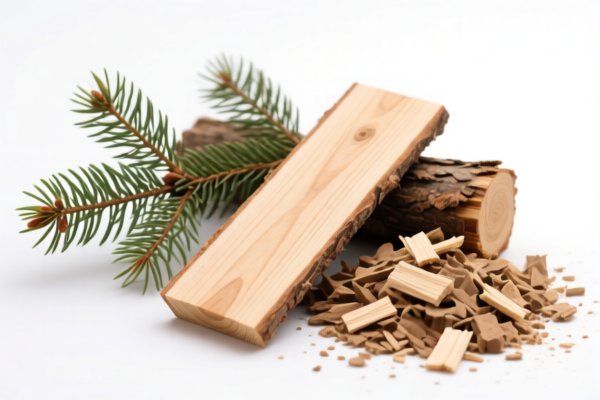
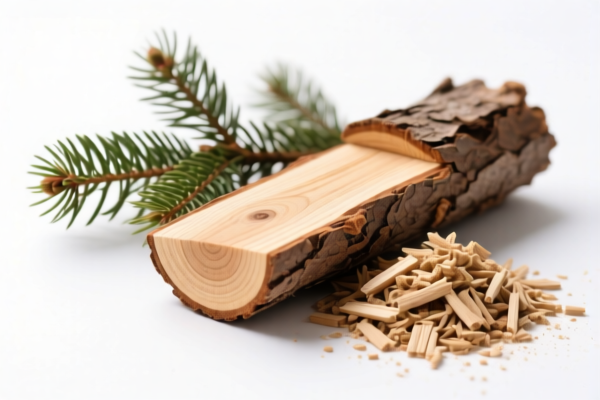
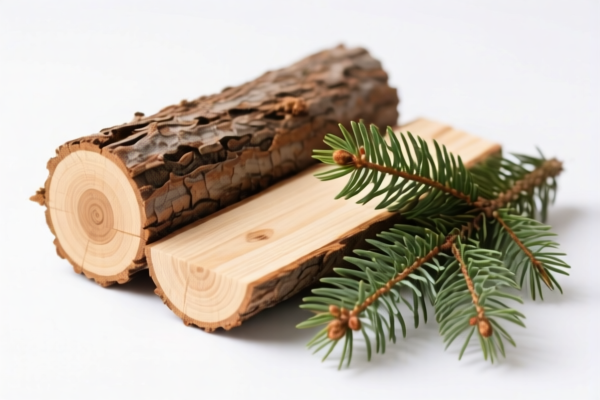
AI Analysis
🌲 Spruce and Fir Wood for Pulp Production
🌐 HS Code Reference & Customs Clearance Guide | 2026 Latest Tariff Analysis | Professional Clearance Strategy
📌 I. Product Definition & Classification: Do You Really Understand "Spruce and Fir Wood"?
Spruce and Fir (Picea and Abies species) are critical coniferous timber resources globally. In international trade, their classification depends heavily on their physical form (raw logs vs. sawn/roughly squared) and end-use (pulp production vs. fuel vs. construction).
Key Distinction Points: * For Pulp Production: Usually requires specific wood properties (low lignin content, high cellulose). Classified under 4407.14.00.00 if processed for pulp, or 4401.11.00.00 if classified as fuel wood. * Raw Logs: Classified under 4403.24.01.35. * Sawn/Chipped: Classified under 4407.12.00.59 or 4407.12.00.20.
⚠️ Critical Warning:
- If the wood is intended for pulping, it MUST be declared as such. Misclassification can lead to severe penalties.
- "Fuel Wood" (4401.11.00.00) and "Pulp Wood" (4407.14.00.00) have similar tax rates but different regulatory requirements.
- Raw Logs (4403.24.01.35) are subject to strict phytosanitary inspections.
📦 II. HS Code Classification Details (2026 Latest Tariff Authority Match)
| HS Code | Product Description | Applicable Scenario | Is it for Pulp? |
|---|---|---|---|
4407.14.00.00 |
Spruce and Fir wood, sawn/chipped, for pulp production | Processed wood specifically for paper/pulp mills | ✅ Yes |
4401.11.00.00 |
Spruce and Fir raw logs, classified as fuel wood | Raw logs used for burning/energy | ❌ No (Fuel) |
4407.12.00.59 |
Spruce/Fir wood, longitudinal sawn/chipped, unspecified roughness | General sawn timber, non-specific use | ❌ No (General) |
4407.12.00.20 |
Spruce/Fir wood, longitudinal sawn/chipped | Sawn timber, specific cold spruce/fir classification | ❌ No (Sawn) |
4403.24.01.35 |
Spruce/Fir raw logs, coniferous, in original form | Unprocessed logs, ready for export/import | ❌ No (Raw) |
🔍 Key Reminder:
- 4407.14.00.00 is the primary code for pulp production. Ensure your commercial invoice and packing list explicitly state "For Pulp Production" to avoid customs confusion.
- 4401.11.00.00 is often confused with pulp wood, but it is strictly for fuel. If used for pulp, it may be reclassified by customs, leading to delays.
- 4403.24.01.35 requires a Phytosanitary Certificate and may be subject to anti-dumping duties depending on the origin.
💰 III. 2026 Latest Tariff Rate Breakdown (Including Surtaxes & Policy Add-ons)
✅ Applicable Country: United States (US)
✅ Origin: China (CN)
✅ Effective Time: From November 10, 2025 (and subsequent imports)
🎯 1. 4407.14.00.00 —— Spruce and Fir Wood for Pulp (Sawn/Chipped)
| Item | Detail |
|---|---|
| Base Tariff | 0% (ad valorem) |
| USITC Additional Tariff | +25% (Under USITC Footnote 9903.88.01) |
| IEEPA Additional Tariff | +10% (For China/HK products, effective Nov 10, 2025) |
| Total Tariff Rate | 35.0% |
| Tax Calculation | CIF Value × 35% |
| De Minimis Exemption | ❌ Not Eligible (deny_de_minimis) |
| Legal Basis Path | IEEPA:9903.01.25 → IEEPA:9903.01.24 → USITC:4407.14.00.00 → FOOTNOTE:9903.88.01 |
📌 Explanation:
- The 25% USITC tariff is part of the Section 301 trade war measures.
- The 10% IEEPA tariff is an additional sanction on Chinese wood products.
- Total 35% is a significant cost factor. Proper documentation is crucial to avoid further penalties.
🎯 2. 4401.11.00.00 —— Spruce and Fir Raw Logs (Fuel Wood)
| Item | Detail |
|---|---|
| Base Tariff | 0% |
| USITC Additional Tariff | +25% |
| IEEPA Additional Tariff | +10% |
| Total Tariff Rate | 35.0% |
| Tax Calculation | CIF Value × 35% |
| De Minimis Exemption | ❌ Not Eligible |
| Legal Basis Path | IEEPA:9901.25 → IEEPA:9903.01.24 → USITC:4401.11.00.00 → FOOTNOTE:9903.88.01 |
📌 Note:
- Same rate as pulp wood, but different regulatory scrutiny.
- If declared as "fuel" but used for pulp, customs may flag it for misdeclaration.
🎯 3. 4407.12.00.59 / 4407.12.00.20 —— Sawn Spruce/Fir Wood
| Item | Detail |
|---|---|
| Base Tariff | 0% |
| USITC Additional Tariff | +25% |
| IEEPA Additional Tariff | +10% |
| Total Tariff Rate | 35.0% |
| Tax Calculation | CIF Value × 35% |
| De Minimis Exemption | ❌ Not Eligible |
| Legal Basis Path | IEEPA:9901.25 → IEEPA:9903.01.24 → USITC:4407.12.00.59 → FOOTNOTE:9903.88.01 |
📌 Note:
- General sawn timber from China is also subject to the full 35% tariff.
- No distinction is made between "construction" and "pulp" for these subheadings in terms of tariff rates, but usage declaration matters for regulatory compliance.
🎯 4. 4403.24.01.35 —— Raw Spruce/Fir Logs
| Item | Detail |
|---|---|
| Base Tariff | 0% |
| USITC Additional Tariff | +25% |
| IEEPA Additional Tariff | +10% |
| Total Tariff Rate | 35.0% |
| Tax Calculation | CIF Value × 35% |
| De Minimis Exemption | ❌ Not Eligible |
| Legal Basis Path | IEEPA:9901.25 → IEEPA:9903.01.24 → USITC:4403.24.01.35 → FOOTNOTE:9903.88.01 |
📌 Note:
- Raw logs face the strictest phytosanitary controls.
- Ensure fumigation certificates and wood packaging material ISPM 15 compliance if any wood packaging is used.
🛠️ IV. Customs Clearance Practical Advice (Battle-Proven Pitfall Avoidance)
✅ 1. Document Checklist (Non-Negotiable)
| Document | Required | Description |
|---|---|---|
| ✅ Commercial Invoice | ✔️ | Must clearly state: "Spruce and Fir Wood for Pulp Production" or "For Fuel Use" depending on HS Code. |
| ✅ Packing List | ✔️ | Detail weight, volume, and number of pieces. |
| ✅ Phytosanitary Certificate | ✔️ | Mandatory for Raw Logs (4403.24.01.35). Required for other codes if requested. |
| ✅ Fumigation Certificate | ✔️ | Proof of pest treatment, especially for raw logs. |
| ✅ Certificate of Origin (CO) | ✔️ | Required for tariff calculation and origin verification. |
| ✅ Product Specification Sheet | ✔️ | Confirm species (Spruce/Fir), dimensions, and moisture content. |
✅ 2. Declaration Tips (Key Mantras)
🔥 "Species Correct, Use Clear, Phytosanitary Ready, Tariff Paid!"
| Scenario | Correct Declaration | Wrong Action |
|---|---|---|
| Wood for Pulp | 4407.14.00.00 + "For Pulp" | Declaring as "Construction Timber" → 35% + Penalty |
| Raw Logs | 4403.24.01.35 + Phytosanitary Cert | Declaring as "Sawn Wood" → Rejection + Detention |
| Fuel Wood | 4401.11.00.00 + "For Fuel" | Declaring as "Pulp" → Misdeclaration Flag |
| Sawn Timber | 4407.12.00.59/20 | Using vague terms like "Wood Planks" → Ambiguity |
✅ 3. Special Handling Cases
| Scenario | Recommendation |
|---|---|
| OEM/Custom Orders | Provide buyer’s purchase order and specs to prove intended use (e.g., pulp mill contract). |
| Mixed Shipments | Separate declarations for Raw Logs, Sawn Wood, and Pulp Wood. Do not mix HS Codes in one line item. |
| Phytosanitary Issues | If logs are infested, they will be rejected or destroyed. Pre-shipment inspection is critical. |
| Value Misdeclaration | Customs may audit CIF value. Ensure accurate invoicing to avoid penalties for undervaluation. |
🌍 V. Global Market Comparison (2026 Latest)
| Country/Region | Recommended HS Code | Tariff (China Origin) | Certification Required | Notes |
|---|---|---|---|---|
| 🇺🇸 USA | 4407.14.00.00 / 4403.24.01.35 |
35% (0% Base + 25% USITC + 10% IEEPA) | Phytosanitary + ISPM 15 | Highest tariff burden. Strict enforcement. |
| 🇨🇳 China | 4407.14.00.00 |
0% (Export Duty may apply) | Phytosanitary (Export) | No USITC/IEEPA tariffs. |
| 🇪🇺 EU | 4407.14.00.00 |
0% (If FLEGT/EUTR compliant) | EUTR Compliance + FLEGT | No extra tariffs, but strict sustainability laws. |
| 🇦🇺 Australia | 4407.14.00.00 |
5% | Biosecurity Clearance | High biosecurity standards. |
📌 Conclusion:
- USA is the most challenging market due to the 35% total tariff.
- EU and China have no additional tariffs, but regulatory compliance (sustainability/biosecurity) is key.
- Australia requires strict biosecurity clearance.
📌 VI. Common Mistakes & Pitfalls (Lessons from Blood and Tears)
❌ Mistake 1: Declaring "Pulp Wood" as "Construction Timber" (4403.24.01.35 or 4407.12.00)
👉 Consequence: Customs may reject the declaration or impose penalties for misclassification.
❌ Mistake 2: Failing to provide a Phytosanitary Certificate for Raw Logs (4403.24.01.35)
👉 Consequence: Cargo held at port, potential destruction.
❌ Mistake 3: Ignoring the "122-Clause" 10% Tariff
👉 Consequence: Underpayment of duties, leading to back-taxes and fines.
❌ Mistake 4: Vague Description: "Wood Planks"
👉 Consequence: Customs requests clarification, causing delays.
✅ Correct Approach:
"Spruce and Fir Wood, Sawn, for Pulp Production, Species: Picea abies, Volume: 100 CBM, Phytosanitary Cert No: XYZ, Origin: China"
🎯 VII. Conclusion: Professional Declaration, Save Time, Cut Costs!
🎯 Remember the Mantras:
🔹 "Pulp Wood: 4407.14, Fuel Wood: 4401.11, Raw Logs: 4403.24, All 35% Total!"
🔹 "Phytosanitary is King for Logs, Invoice is Queen for Pulp!"
🔹 "HS Code Determines Destiny, Tariff Difference is Huge, Misdeclaration Costs Thousands!"
📌 Pro Tip:
If your spruce and fir wood originates from Vietnam, Mexico, Thailand, or Malaysia, you may apply for IEEPA Exemptions, reducing the tariff to 0%~5%.
Recommend Advance Ruling (Pre-classification) with US Customs to avoid clearance risks.
📣 Immediate Action:
📞 Contact Professional Customs Broker + Provide Product Photos + Apply for HS Code Advance Ruling
🚀 Let your spruce and fir wood clear customs smoothly, export efficiently, and maximize profits!
✨ Professional Clearance Starts with Accurate Classification!
💼 Every Dollar of Cost Deserves to be Precisely Calculated!
Customer Reviews
About HS Code Classification
The Harmonized System (HS) is an internationally standardized nomenclature developed by the World Customs Organization (WCO) to classify traded products. Over 200 countries use the HS system as the basis for customs tariffs, trade statistics, and import/export regulations.
Each HS code follows a hierarchical structure:
- Chapter (2 digits) — Broad category of goods (e.g., Chapter 84: Machinery and Mechanical Appliances)
- Heading (4 digits) — More specific grouping within the chapter
- Subheading (6 digits) — Internationally standardized breakdown, used by all WCO member countries
- National subdivisions (8-10 digits) — Country-specific extensions for further classification, such as US HTSUS 10-digit codes
Correct HS code classification is essential for smooth customs clearance, accurate duty payment, and compliance with trade regulations. Misclassification can lead to customs delays, overpayment of duties, or penalties.
When importing from CN to US, the applicable tariff rates may include:
- Most-Favored-Nation (MFN) rate — The standard duty rate applied to WTO members
- General rate — Applied to countries without trade agreements
- Trade remedy duties — Additional tariffs such as Section 301 (anti-dumping), Section 232 (national security), or countervailing duties
The information provided on this page is for reference purposes only. For official classification, please consult with your local customs authority or a licensed customs broker.