Square Meter Jacquard Fabric
CN → US| HS Code | Tariff Rate | Origin | Destination | Doc |
|---|---|---|---|---|
| 5111196060 | 60.0% | CN | US | Official Doc |
| 5111909000 | 60.0% | CN | US | Official Doc |
| 5407942050 | 49.9% | CN | US | Official Doc |
| 5407942040 | 49.9% | CN | US | Official Doc |
| 5208494020 | 43.1% | CN | US | Official Doc |
| 5208498020 | 49.7% | CN | US | Official Doc |
Product Images
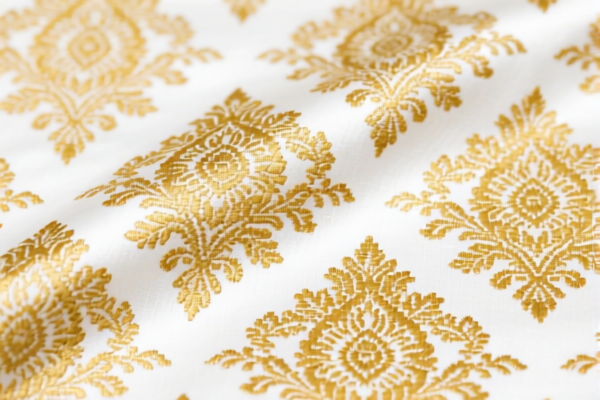
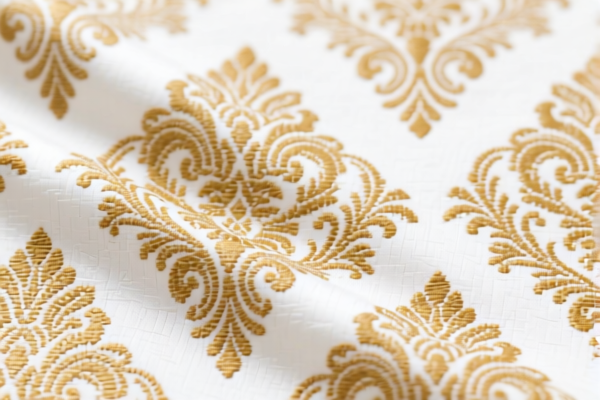
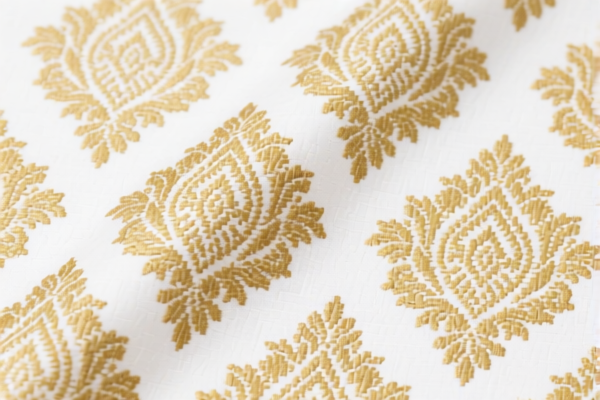
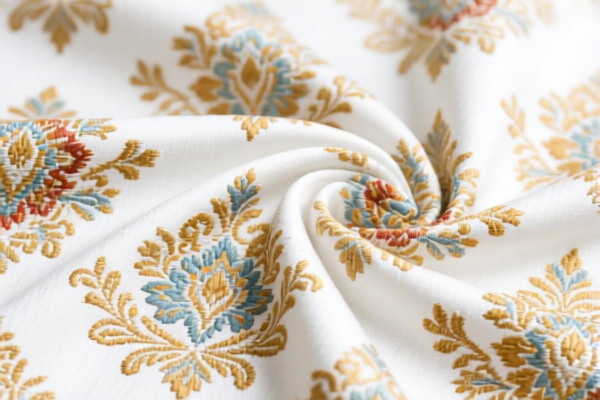
AI Analysis
🧵 Square Meter Jacquard Fabric (Woven Textiles)
🌐 HS Code Reference & Customs Clearance Guide | 2026 Latest Tariff Analysis | Professional Clearance Strategy
📌 1. Product Definition: What Exactly is "Square Meter Jacquard Fabric"?
"Woven Fabrics of Cotton, Containing 85% or More by Weight of Cotton, Weighing Not More than 200 g/m²" is a specific category under Chapter 52 (Cotton). The term "Jacquard Woven" refers to fabrics produced on a Jacquard loom, capable of weaving complex patterns, designs, or textures directly into the fabric structure.
The key distinguishing factor here is the "Number" (often referred to as the count or complexity of the pattern/weave). In tariff classification, this is often determined by the number of harnesses or the intricacy of the pattern (e.g., "Number 42 or lower" vs. "Number 69 or higher").
⚠️ Critical Distinction:
- If the fabric is Cotton (>85%), Woven, Printed, <200 g/m², and made from Colored Yarns:
- Simple Jacquard (No. 42 or lower) → Go to5208.49.40.20
- Complex Jacquard (No. 69 or higher) → Go to5208.49.80.20
- If the fabric is Wool or Synthetic, the HS Codes and duties differ significantly (see below).
📦 2. HS Code Classification Details (Based on Provided Data)
The provided data contains six specific HS Codes across three main material categories: Wool, Cotton, and Synthetic Filament Yarn. Below is the detailed breakdown.
🧶 Category A: Wool & Fine Animal Hair (Carded)
Applicable if the fabric is made of carded wool/fine animal hair, weighs ≤400 g/m², and is not specially described elsewhere.
| HS Code | Product Description | Weight Limit | Duty Status |
|---|---|---|---|
| 5111.19.60.60 | Woven fabrics of carded wool/fine animal hair (≥85% content): Other: Other: Other: Weighing ≤400 g/m² | ≤ 400 g/m² | 0.0% |
| 5111.90.90.00 | Woven fabrics of carded wool/fine animal hair: Other: Other: Other | Any | 0.0% |
🔍 Key Insight:
-5111.19.60.60is for lightweight wool fabrics (≤400 g/m²).
-5111.90.90.00is a catch-all for other wool woven fabrics not meeting the specific criteria above.
- Both have 0% Base Tariff and 0% Additional Tariff.
☁️ Category B: Cotton (The "Jacquard" Focus)
Applicable if the fabric is >85% Cotton, ≤200 g/m², made from colored yarns, and is Jacquard woven.
| HS Code | Product Description | Pattern Complexity | Duty Status |
|---|---|---|---|
| 5208.49.40.20 | Cotton woven fabric (>85%), ≤200 g/m², colored yarns, Printed: Other: No. 42 or lower Jacquard | Simple/Low Count | 0.0% |
| 5208.49.80.20 | Cotton woven fabric (>85%), ≤200 g/m², colored yarns, Printed: Other: No. 69 or higher Jacquard | Complex/High Count | 0.0% |
🔍 Key Insight:
- The distinction between...40.20and...80.20is purely based on the Jacquard number/complexity.
- Both have 0% Base Tariff and 0% Additional Tariff.
- Ensure your fabric is Printed and made from Colored Yarns to fit this specific subheading. If it is not printed or uses white yarns, it may fall under different codes.
🧬 Category C: Synthetic Filament Yarn
Applicable if the fabric is made from synthetic filament yarn (Chapter 54).
| HS Code | Product Description | Weave/Pattern Type | Duty Status |
|---|---|---|---|
| 5407.94.20.50 | Woven fabrics of synthetic filament yarn: Printed: Other: Satin Weave or Twill Weave | Satin/Twill | 0.0% |
| 5407.94.20.40 | Woven fabrics of synthetic filament yarn: Printed: Other: Printcloth | Printcloth | 0.0% |
🔍 Key Insight:
- These codes are for Printed synthetic fabrics.
-5407.94.20.50covers Satin or Twill weaves.
-5407.94.20.40covers Printcloth (a specific type of printed fabric, often used for bags/canvas).
- Both have 0% Base Tariff and 0% Additional Tariff.
💰 3. Tariff Rate Analysis (2026 Latest Data)
✅ Applicable Region: Based on the provided data, all HS Codes show:
- Base Tariff: 0.0%
- Additional Tariff: 0.0%
- Total Tax: 0.0%
🎯 1. Wool Fabrics (5111.19.60.60, 5111.90.90.00)
| Item | Detail |
|---|---|
| Base Tariff | 0.0% |
| Additional Tariff | 0.0% |
| Total Tax | 0.0% |
| Notes | No additional duties specified in the data. |
🎯 2. Cotton Jacquard Fabrics (5208.49.40.20, 5208.49.80.20)
| Item | Detail |
|---|---|
| Base Tariff | 0.0% |
| Additional Tariff | 0.0% |
| Total Tax | 0.0% |
| Notes | Zero tariff for specified cotton Jacquard fabrics. Ensure "Printed" and "Colored Yarns" criteria are met. |
🎯 3. Synthetic Filament Fabrics (5407.94.20.50, 5407.94.20.40)
| Item | Detail |
|---|---|
| Base Tariff | 0.0% |
| Additional Tariff | 0.0% |
| Total Tax | 0.0% |
| Notes | Zero tariff for printed synthetic fabrics in Satin/Twill or Printcloth forms. |
📌 Explanation:
- The provided data indicates no tariffs for these specific subheadings.
- This may be due to preferential trade agreements, specific country tariffs, or the data source focusing on tariff-free items.
- Always verify with local customs authorities as tariffs can change based on origin, trade agreements, and anti-dumping duties.
🛠️ 4. Customs Clearance Practical Advice
✅ 1. Document Checklist (Essential for Clearance)
| Document | Required | Notes |
|---|---|---|
| Product Specification Sheet | ✔️ | Must detail: Material content (%), Weight (g/m²), Weave type (Jacquard/Satin/Twill), Printing method. |
| Commercial Invoice | ✔️ | Clearly state "Jacquard Woven Fabric" or "Printed Synthetic Fabric" as per HS Code description. |
| Packing List | ✔️ | Include weight, dimensions, and number of rolls/pieces. |
| Certificate of Origin | ✔️ | If claiming preferential tariffs, provide CO. |
| Lab Test Report | ✔️ | Recommended to confirm: Fiber content (>85% cotton/wool), Weight (g/m²), and Print fastness. |
| Sample Photo | ✔️ | Show the pattern (Jacquard) and weave structure (Twill/Satin) to support classification. |
✅ 2. Classification Tips (Key Mnemonics)
🔥 "Fiber First, Weight Second, Pattern Defines the Code!"
| Scenario | Correct HS Code | Why? |
|---|---|---|
| Cotton >85%, ≤200 g/m², Colored Yarns, Printed, Simple Jacquard | 5208.49.40.20 |
Matches "No. 42 or lower Jacquard" |
| Cotton >85%, ≤200 g/m², Colored Yarns, Printed, Complex Jacquard | 5208.49.80.20 |
Matches "No. 69 or higher Jacquard" |
| Wool ≥85%, ≤400 g/m², Carded | 5111.19.60.60 |
Specific weight limit for wool |
| Wool ≥85%, Any Weight, Carded | 5111.90.90.00 |
General wool woven fabric |
| Synthetic, Printed, Satin/Twill | 5407.94.20.50 |
Specific weave type |
| Synthetic, Printed, Printcloth | 5407.94.20.40 |
Specific fabric type |
✅ 3. Special Cases & Pitfalls
| Situation | Advice |
|---|---|
| Mislabeling Cotton as Synthetic | High risk of penalty. Ensure fiber content is tested. |
| Ignoring Weight Limits | Wool fabrics >400 g/m² do NOT qualify for 5111.19.60.60. Use 5111.90.90.00 or other wool codes. |
| Confusing "Printed" vs. "Jacquard" | 5208.49.40.20 and 5208.49.80.20 require the fabric to be Printed. If it is only Jacquard woven without printing, it may fall under a different code (e.g., 5208.39...). Check if "Printed" is a mandatory criterion for your specific subheading. |
| Synthetic vs. Natural Fiber | Do not confuse 5407 (Synthetic) with 5208 (Cotton) or 5111 (Wool). Incorrect material declaration leads to severe penalties. |
🌍 5. Global Market Comparison (General Guidance)
| Region | HS Code Example | Typical Duty | Notes |
|---|---|---|---|
| 🇺🇸 USA | Varies by chapter | 0-15% | Check USITC database for additional duties (Section 301). |
| 🇨🇳 China | Varies by chapter | 5-10% | Apply GSP or FTAP tariffs if applicable. |
| 🇪🇺 EU | Varies by chapter | 4-12% | Check EU TARIC database for anti-dumping duties on textiles. |
| 🇬🇧 UK | Varies by chapter | 0-12% | Post-Brexit UK Global Tariff applies. |
📌 Conclusion:
- The provided data shows 0% tariffs for these specific codes.
- Always verify with the destination country's customs authority as additional duties, VAT, or anti-dumping measures may apply.
📌 6. Common Errors & Pitfalls (Lessons Learned)
❌ Error 1: Ignoring the Weight Limit for Wool (5111.19.60.60 requires ≤400 g/m²).
👉 Consequence: Misclassification, potential penalty, or incorrect duty calculation.
❌ Error 2: Confusing Jacquard Number in Cotton (5208.49.40.20 vs. 5208.49.80.20).
👉 Consequence: Even if duty is the same, incorrect classification can lead to delays in clearance.
❌ Error 3: Assuming All Printed Fabrics fall under the same code.
👉 Consequence: Different materials (Cotton vs. Synthetic) have different HS codes.
❌ Error 4: Not verifying "Colored Yarns" requirement for Cotton codes.
👉 Consequence: If yarns are not colored, the fabric may not qualify for 5208.49... codes.
✅ Correct Approach:
"Verify material content (>85%), weight (g/m²), weave type (Jacquard/Satin/Twill), and printing status. Then select the precise HS Code."
🎯 7. Conclusion: Precision Leads to Savings!
🎯 Remember:
🔹 "Fiber content dictates the Chapter, Weight dictates the Subheading, Pattern dictates the Code!"
🔹 "Zero Duty is Great, but Only if Classified Correctly!"
📌 Pro Tip:
If you are importing these fabrics, consider applying for a Binding Tariff Information (BTI) or Advance Ruling from customs to confirm your HS Code classification, especially for complex Jacquard patterns. This avoids disputes and ensures smooth clearance.
📣 Act Now:
📞 Consult with a licensed customs broker.
📄 Prepare detailed product specifications.
🚀 Ensure your documentation matches the HS Code description perfectly.
✨ Professional Clearance Starts with Accurate Classification!
💼 Every Detail Counts in Customs Compliance!
Customer Reviews
About HS Code Classification
The Harmonized System (HS) is an internationally standardized nomenclature developed by the World Customs Organization (WCO) to classify traded products. Over 200 countries use the HS system as the basis for customs tariffs, trade statistics, and import/export regulations.
Each HS code follows a hierarchical structure:
- Chapter (2 digits) — Broad category of goods (e.g., Chapter 84: Machinery and Mechanical Appliances)
- Heading (4 digits) — More specific grouping within the chapter
- Subheading (6 digits) — Internationally standardized breakdown, used by all WCO member countries
- National subdivisions (8-10 digits) — Country-specific extensions for further classification, such as US HTSUS 10-digit codes
Correct HS code classification is essential for smooth customs clearance, accurate duty payment, and compliance with trade regulations. Misclassification can lead to customs delays, overpayment of duties, or penalties.
When importing from CN to US, the applicable tariff rates may include:
- Most-Favored-Nation (MFN) rate — The standard duty rate applied to WTO members
- General rate — Applied to countries without trade agreements
- Trade remedy duties — Additional tariffs such as Section 301 (anti-dumping), Section 232 (national security), or countervailing duties
The information provided on this page is for reference purposes only. For official classification, please consult with your local customs authority or a licensed customs broker.