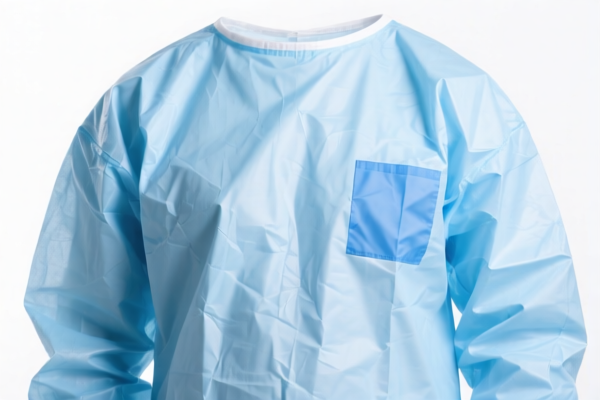
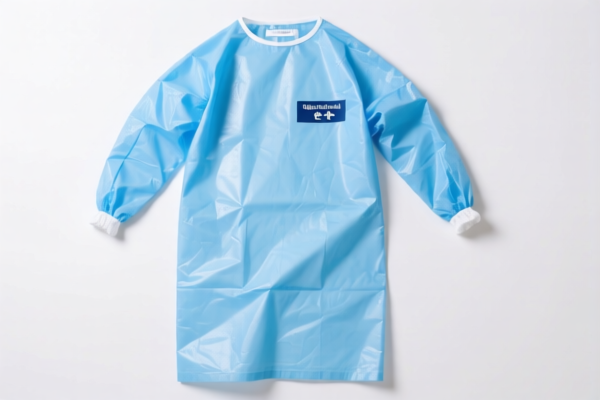
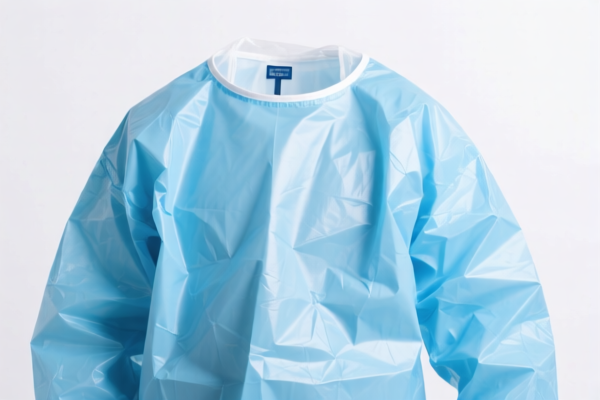
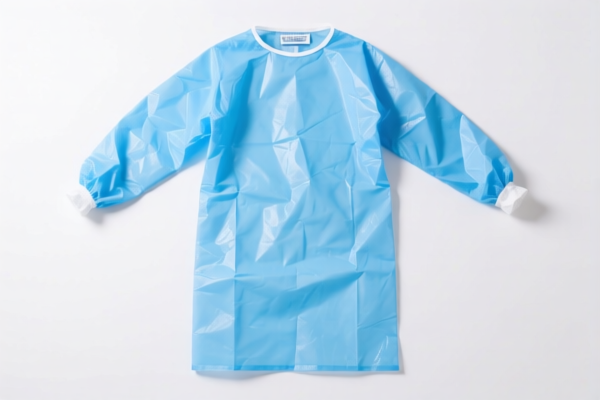
Square Meter Non woven Fabric Disposable Surgical Gown
CN → US| HS Code | Tariff Rate | Origin | Destination | Doc |
|---|---|---|---|---|
| 6307906090 | 17.5% | CN | US | Official Doc |
| 3926909950 | 22.8% | CN | US | Official Doc |
| 3926909989 | 22.8% | CN | US | Official Doc |
| 5603110070 | 35.0% | CN | US | Official Doc |
| 5603920070 | 35.0% | CN | US | Official Doc |
Product Images
AI Analysis
🏥 Surgical Gowns (Disposable Non-Woven Fabric)
🌐 HS Code Reference & Customs Clearance Guide | 2026 Latest Tariff Analysis | Professional Clearance Strategy
📌 I. Product Definition & Classification: Do You Really Understand "Surgical Gowns"?
Disposable surgical gowns, typically made from medical-grade non-woven fabrics (such as SMS, MBB, or spunbond meltblown spunbond), are critical Personal Protective Equipment (PPE) in healthcare settings. In international trade, the classification depends heavily on the specific material composition, weight per square meter (GSM), and intended use (medical vs. industrial).
Key Distinction Points:
- If the product is a finished garment designed specifically for surgical procedures (matching specific material attributes for surgical drapes), it may fall under Chapter 63.
- If classified broadly as polymer fiber products or unclassified other制品, it falls under Chapter 39.
- If classified by material type (non-woven fabrics) based on weight/specifications, it falls under Chapter 56.
⚠️ Critical Risk Alert:
Misclassification between Chapter 63 (Finished Articles), Chapter 39 (Plastics/Polymers), and Chapter 56 (Textile Non-Wovens) can lead to significant duty discrepancies (from 0% to 35%) due to Section 301 and Section 122 tariffs.
📦 II. HS Code Classification Details (2026 Latest Tariff Authority Comparison)
| HS Code | Product Description | Applicable Scenario | Tax Rate Profile |
|---|---|---|---|
6307.90.60.90 |
Medical-grade non-woven fabric, matching surgical drape material attributes | Finished surgical gowns/drapes, specific medical use | 17.5% (Lowest Risk) |
3926.90.99.50 |
Medical-grade non-woven fabric, within the scope of medical-related products | Broad medical plastic/polymer classification | 22.8% (Medium Risk) |
3926.90.99.89 |
Polymer fiber products, other unclassified finished articles | Generic non-woven items, not strictly medical | 22.8% (Medium Risk) |
5603.11.00.70 |
Non-woven products, conforming to weight/specification attributes | Based on GSM/material structure (lightweight) | 35.0% (High Risk) |
5603.92.00.70 |
Finished non-woven cloth, conforming to industrial/institutional use characteristics | Industrial-grade or institutional non-wovens | 35.0% (High Risk) |
🔍 Key Insight:
-6307.90.60.90is often the most favorable for medical-grade finished gowns if documentation proves "surgical drape" compatibility.
-5603.xx.xx.xxcodes carry the highest tariff burden (35%) due to heavy Section 301 and Section 122 penalties.
-3926.xx.xx.xxcodes are intermediate, often used when the product is viewed as a "plastic article" rather than a textile.
💰 III. 2026 Latest Tariff Rate Breakdown (Including Additional Taxes & Policy Surcharges)
✅ Applicable Country: United States (US)
✅ Country of Origin: China (CN)
✅ Effective Date: Ongoing (Including subsequent imports)
🎯 1. 6307.90.60.90 — Medical-Grade Non-Woven (Surgical Drape Match)
| Item | Content |
|---|---|
| Base Duty Rate | 0.0% (ad valorem) |
| USITC Additional Duty | +7.5% (Section 301 Tariff) |
| Section 122 Duty | +10% (Specific trade remedy) |
| Total Effective Rate | 17.5% |
| Tax Calculation | CIF Value × 17.5% |
| De Minimis Exemption | ❌ Not Applicable (High-risk category) |
| Legal Basis Path | Section 301: 7.5% → Section 122: 10% → USITC: 6307.90.60.90 |
📌 Explanation:
- Base Duty: 0% for this specific subheading under Chapter 63.
- Section 301: 7.5% is applied to most Chinese-origin goods.
- Section 122: An additional 10% is levied for certain textile/apparel items.
- Total: 17.5% is the lowest possible rate among the listed options, making it the preferred classification if the product can be proven to be "medical-grade surgical drape material."
🎯 2. 3926.90.99.50 — Medical-Grade Non-Woven (Medical-Related Scope)
| Item | Content |
|---|---|
| Base Duty Rate | 5.3% |
| USITC Additional Duty | +7.5% |
| Section 122 Duty | +10% |
| Total Effective Rate | 22.8% |
| Tax Calculation | CIF Value × 22.8% |
| De Minimis Exemption | ❌ Not Applicable |
| Legal Basis Path | Base: 5.3% → Section 301: 7.5% → Section 122: 10% |
📌 Note:
- The base duty of 5.3% makes this higher than6307.
- This code is used if the product is classified as a "plastic article" (Chapter 39) rather than a textile.
- Total cost is 5.3% higher than the optimal classification.
🎯 3. 3926.90.99.89 — Polymer Fiber Products (Unclassified Other)
| Item | Content |
|---|---|
| Base Duty Rate | 5.3% |
| USITC Additional Duty | +7.5% |
| Section 122 Duty | +10% |
| Total Effective Rate | 22.8% |
| Tax Calculation | CIF Value × 22.8% |
| De Minimis Exemption | ❌ Not Applicable |
| Legal Basis Path | Base: 5.3% → Section 301: 7.5% → Section 122: 10% |
📌 Note:
- Similar to3926.90.99.50but for "other unclassified" polymer products.
- No benefit over3926.90.99.50; same total rate of 22.8%.
🎯 4. 5603.11.00.70 & 5603.92.00.70 — Non-Woven Fabrics (High Tariff Risk)
| Item | Content |
|---|---|
| Base Duty Rate | 0.0% |
| USITC Additional Duty | +25.0% |
| Section 122 Duty | +10% |
| Total Effective Rate | 35.0% |
| Tax Calculation | CIF Value × 35.0% |
| De Minimis Exemption | ❌ Not Applicable |
| Legal Basis Path | Section 301: 25.0% → Section 122: 10% |
📌 Critical Warning:
- Base Duty is 0%, but the Section 301 tariff is 25% (not 7.5%).
- This 25% surcharge is significantly higher than the 7.5% applied to Chapter 63 and 39.
- Total Rate: 35.0% is double the optimal rate.
- This classification is often triggered if the product is viewed as a raw "non-woven fabric" rather than a "finished medical device/gown."
🛠️ IV. Customs Clearance Practical Advice (Real-World Pitfall Avoidance)
✅ 1. Required Documentation Checklist (Missing Items = Delays)
| Document | Mandatory? | Description |
|---|---|---|
| ✅ Product Specification Sheet | ✔️ | Must specify GSM, Material (e.g., SMS, Spunbond), Sterility status, and Intended Use (Surgical vs. Industrial). |
| ✅ Third-Party Test Reports | ✔️ | ISO 13485, ASTM F1670/F1671 (Blood/Bodily Fluid Resistance) to prove "Medical-Grade" status. |
| ✅ Commercial Invoice | ✔️ | Clearly state "Disposable Surgical Gown" or "Non-Woven Fabric for Surgical Use." Avoid vague terms like "Plastic Wrap." |
| ✅ Packing List | ✔️ | Detail dimensions, weight, and packaging to confirm finished product status. |
| ✅ Certificate of Origin | ✔️ | Required for origin verification; do not falsely declare non-China origin to avoid penalties. |
✅ 2. Declaration Strategy (Key Mantra)
🔥 "Prove Medical, Not Industrial; Use Chapter 63, Avoid Chapter 56!"
| Scenario | Correct Declaration | Wrong Declaration |
|---|---|---|
| Finished Surgical Gown | 6307.90.60.90 (17.5%) |
5603.11.00.70 (35%) → High Duty! |
| Non-Woven Fabric Rolls (for cutting) | 5603.92.00.70 (35%) |
Misdeclare as Gown → Fraud Risk |
| Polymer-Coated Non-Woven | 3926.90.99.50 (22.8%) |
6307.90.60.90 (17.5%) → Audit Risk if not truly surgical |
📌 Strategy:
- If your product is a finished gown, emphasize surgical drape compatibility and medical standards to justify6307.90.60.90.
- If the product is raw fabric, you may be forced into5603(35%) or3926(22.8%).
- Never declare a fabric as a gown if it is not finished.
✅ 3. Special Situations Handling
| Situation | Handling Advice |
|---|---|
| OEM Custom Gowns | Provide client design specs and medical usage certificates to support 6307. |
| Non-Medical Non-Woven | If not for surgery, declare as 5603 or 3926. Do not falsely claim "medical" to get 17.5%. |
| Hybrid Products (Gown + Mask) | Declare separately. Masks and gowns may have different HS codes. |
| Small Shipments (< $800) | De Minimis Exemption DOES NOT APPLY due to Section 301/122. All goods are taxed. |
🌍 V. Global Market Clearance Comparison (2026 Latest)
| Country/Region | Recommended HS Code | Tariff Rate | Certification | Note |
|---|---|---|---|---|
| 🇺🇸 USA | 6307.90.60.90 |
17.5% | ISO 13485, ASTM F1670 | Lowest US Rate |
| 🇨🇳 China | 6307.90.60.90 |
~13-17% | NMPA | Domestic trade varies |
| 🇪🇺 EU | 6210.40.10 |
0% (if CE MDR) | CE Mark, MDR | Different classification system |
| 🇬🇧 UK | 6210.40.10 |
0% (if CE) | UKCA | Post-Brexit alignment |
| 🇯🇵 Japan | 6307.90.90 |
0-12% | PMDA | Varies by specific use |
📌 Conclusion:
- USA has the highest friction due to Section 301 and 122.
- European markets often have 0% duty for medical PPE if properly certified (CE/MDR).
- Targeting US Market: Prioritize6307.90.60.90to save 17.5% vs. 35%.
📌 VI. Common Mistakes & Pitfall Guide (Blood-Teaching Lessons)
❌ Mistake 1: Classifying Surgical Gowns as 5603.11.00.70
👉 Consequence: 35% Duty instead of 17.5% → Loss of 17.5% margin per unit!
❌ Mistake 2: Declaring "Non-Woven Fabric" for a finished Gown
👉 Consequence: Customs may reclassify, apply 35%, and levy penalties for misdeclaration.
❌ Mistake 3: Not providing ASTM Test Reports
👉 Consequence: Customs doubts "Medical-Grade" claim → Forced into 3926 (22.8%) or 5603 (35%).
❌ Mistake 4: Using "Plastic Garment" as Description
👉 Consequence: Triggers Chapter 39 scrutiny → Potential 22.8% rate.
✅ Correct Practice:
"Disposable Surgical Gown, Non-Woven, SMS Material, ASTM F1670 Certified, Sterile, for Hospital Use"
🎯 VII. Conclusion: Professional Declaration, Save Costs, Speed Up Clearance!
🎯 Remember the Mantra:
🔹 "Medical Gown = 6307 (17.5%), Fabric = 5603 (35%)!"
🔹 "Test Reports are Your Shield! No ASTM, No 17.5%!"
🔹 "HS Code Saves Your Margin: 17.5% vs 35% = 17.5% Profit Gain!"
📌 Pro Tip:
If your product is not medical-grade (e.g., industrial coveralls), accept the 22.8% (3926) or 35% (5603) rate. Do not attempt to falsely declare industrial products as medical to save duties — Customs audits are strict.
📣 Immediate Action:
📞 Contact a licensed customs broker + Provide ASTM Test Reports + Apply for HS Code Pre-Ruling if uncertain.
🚀 Let your surgical gowns pass smoothly, reduce costs, and maximize profit!
✨ Professional Clearance Starts with Precise Classification!
💼 Every Penny of Cost Deserves Precision!
Customer Reviews
About HS Code Classification
The Harmonized System (HS) is an internationally standardized nomenclature developed by the World Customs Organization (WCO) to classify traded products. Over 200 countries use the HS system as the basis for customs tariffs, trade statistics, and import/export regulations.
Each HS code follows a hierarchical structure:
- Chapter (2 digits) — Broad category of goods (e.g., Chapter 84: Machinery and Mechanical Appliances)
- Heading (4 digits) — More specific grouping within the chapter
- Subheading (6 digits) — Internationally standardized breakdown, used by all WCO member countries
- National subdivisions (8-10 digits) — Country-specific extensions for further classification, such as US HTSUS 10-digit codes
Correct HS code classification is essential for smooth customs clearance, accurate duty payment, and compliance with trade regulations. Misclassification can lead to customs delays, overpayment of duties, or penalties.
When importing from CN to US, the applicable tariff rates may include:
- Most-Favored-Nation (MFN) rate — The standard duty rate applied to WTO members
- General rate — Applied to countries without trade agreements
- Trade remedy duties — Additional tariffs such as Section 301 (anti-dumping), Section 232 (national security), or countervailing duties
The information provided on this page is for reference purposes only. For official classification, please consult with your local customs authority or a licensed customs broker.