Square Meter Sofa Fabric
CN → US| HS Code | Tariff Rate | Origin | Destination | Doc |
|---|---|---|---|---|
| 5903102010 | 35.0% | CN | US | Official Doc |
| 5903202000 | 35.0% | CN | US | Official Doc |
| 9401999021 | 35.0% | CN | US | Official Doc |
| 9401991020 | 17.5% | CN | US | Official Doc |
| 5407942050 | 49.9% | CN | US | Official Doc |
| 5407922030 | 49.9% | CN | US | Official Doc |
Product Images
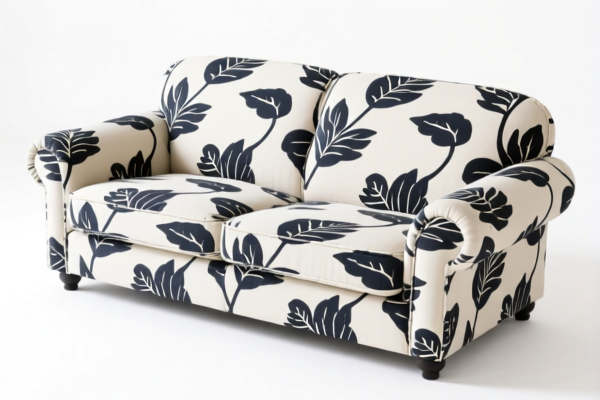
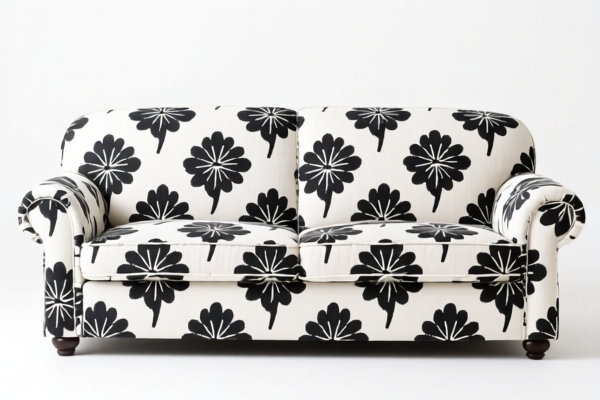
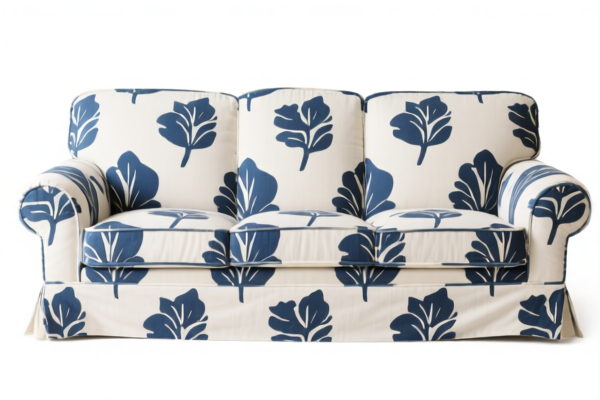
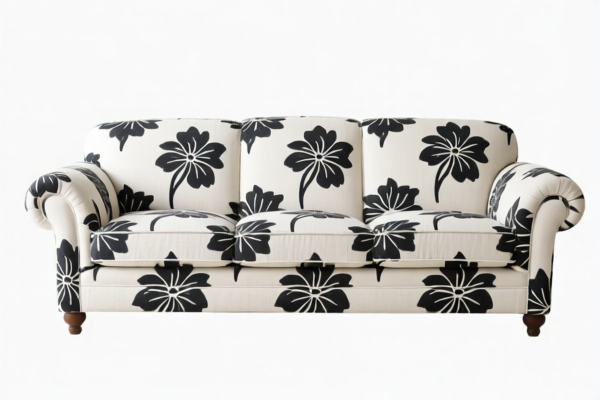
AI Analysis
🛋️ Square Meter Sofa Fabric (Upholstery & Textile Fabrics)
🌐 HS Code Reference & Customs Clearance Guide | 2026 Latest Tariff Analysis | Professional Customs Strategy
📌 I. Product Definition & Classification: Do You Really Know "Sofa Fabric"?
"Square Meter Sofa Fabric" is a broad commercial term. In international trade, fabrics are not classified by their end-use (e.g., "for sofas") but by their material composition, manufacturing process, and surface treatment.
To determine the correct HS Code, we must distinguish between: 1. Plastic-Impregnated/Laminated Fabrics: Fabrics coated with PVC or Polyurethane (PU) for durability/water resistance. 2. Standard Woven Synthetic Fabrics: Regular polyester/nylon weaves, often printed or dyed, used for standard upholstery.
⚠️ Key Distinction:
- If the fabric is coated, laminated, or impregnated with plastics → It falls under Chapter 59 (Section XI, Note 2).
- If the fabric is just woven without plastic coating → It falls under Chapter 54 (Synthetic Filament Yarns) or Chapter 55 (Synthetic Staple Fibers).
- Crucial: Even if used for sofa cushions, parts of seats (like cut-to-shape fabric covers) may have different classifications than plain fabric rolls.
📦 II. HS Code Classification Details (2026 Latest Tariff Authority Comparison)
Based on the provided data, here are the specific HS Codes for "Square Meter Sofa Fabric" depending on its exact composition and processing.
| HS Code | Product Description | Application Scenario | Material/Processing |
|---|---|---|---|
| 5903.10.20.10 | Textile fabrics impregnated, coated, covered or laminated with plastics: With poly(vinyl chloride) (PVC): Of man-made fibers: Over 70% by weight of rubber or plastics | Heavy-duty vinyl upholstery, faux leather, waterproof sofa covers | ✅ PVC Coated/Laminated |
| 5903.20.20.00 | Textile fabrics impregnated, coated, covered or laminated with plastics: With polyurethane (PU): Of man-made fibers: Over 70% by weight of rubber or plastics | PU-coated fabrics, high-end faux leather, breathable waterproof upholstery | ✅ PU Coated/Laminated |
| 9401.99.90.21 | Parts of seats (other than heading 9402): Other: Of textile material, cut to shape | Pre-cut fabric panels for sofa assembly (not raw rolls) | ✅ Cut-to-Shape Seat Parts |
| 9401.99.10.20 | Parts of seats: Of seats of a kind used for motor vehicles: Of textile material, cut to shape | Note: Specific to auto seats, but listed in data | ❌ Not for Home Sofas |
| 5407.94.20.50 | Woven fabrics of synthetic filament yarn: Printed: Satin weave or twill weave | Standard printed polyester/nylon upholstery fabric (no plastic coating) | ✅ Woven, Printed, No Plastic |
| 5407.92.20.30 | Woven fabrics of synthetic filament yarn: Dyed: Sheeting | Standard dyed synthetic upholstery fabric | ✅ Woven, Dyed, No Plastic |
🔍 Important Note:
- Raw Fabric Rolls: Should be classified under 5903.xxxx (if plastic-coated) or 5407.xxxx (if plain woven).
- Cut Fabric Panels: If the fabric is already cut to shape for assembly into sofas, it may be classified as a part of a seat (9401.xxxx), depending on customs interpretation.
- Motor Vehicle Seats: Code 9401.99.10.20 is explicitly for auto seats, not home furniture. Do not use this for home sofas.
💰 III. 2026 Latest Tariff Rate Details (Including Additional Duties)
✅ Applicable Country: United States (US)
✅ Origin: China (CN)
✅ Effective Time: November 10, 2025 (and subsequent imports)
🎯 1. 5903.10.20.10 & 5903.20.20.00 —— PVC/PU Coated Sofa Fabrics
These codes apply to fabrics impregnated, coated, covered, or laminated with plastics (PVC or PU).
| Item | Content |
|---|---|
| Base Tariff | 0.0% (ad valorem) |
| Additional Tariff (Section 301) | +25.0% |
| Total Tax Rate | 25.0% |
| Tax Calculation | CIF Value × 25% |
| De Minimis Exemption | ❌ Not Available (denied_de_minimis) |
| Legal Basis | Section 301 Tariffs on Chinese Goods |
📌 Explanation:
- Even though the base tariff is 0%, the 25% additional duty applies to most textile coatings from China.
- This applies to both PVC-coated (5903.10.20.10) and PU-coated (5903.20.20.00) fabrics.
- High Cost Alert: 25% is a significant cost addition. Plan pricing accordingly.
🎯 2. 9401.99.90.21 —— Cut-to-Shape Textile Seat Parts
This code applies to parts of seats made of textile material, cut to shape.
| Item | Content |
|---|---|
| Base Tariff | 0.0% |
| Additional Tariff (Section 301) | +25.0% |
| Total Tax Rate | 25.0% |
| Tax Calculation | CIF Value × 25% |
| De Minimis Exemption | ❌ Not Available |
| Legal Basis | Section 301 Tariffs on Chinese Goods |
📌 Explanation:
- If you are shipping pre-cut fabric panels (not rolls) for sofa assembly, this code may apply.
- Same 25% rate as coated fabrics.
- Crucial: Ensure the product is clearly defined as "parts of seats" and not "fabric rolls" to avoid misclassification.
🎯 3. 9401.99.10.20 —— Auto Seat Parts (Textile, Cut to Shape)
⚠️ WARNING: This code is for Motor Vehicle Seats.
- Do NOT use for Home Sofas.
- Tax Rate: 7.5% (25% additional duty applied in some contexts, but base is 0%).
- Misclassification Risk: High. If declared as sofa fabric but uses this code, customs will reject or penalize.
🎯 4. 5407.94.20.50 & 5407.92.20.30 —— Woven Synthetic Fabrics (No Plastic)
These codes apply to plain woven synthetic filament yarn fabrics (printed or dyed), without plastic coating.
| Item | Content |
|---|---|
| Base Tariff | 0.0% |
| Additional Tariff (Section 301) | 0.0% |
| Total Tax Rate | 0.0% |
| Tax Calculation | CIF Value × 0% |
| De Minimis Exemption | ✅ Possibly Available (if under $800, but check specific de minimis rules) |
| Legal Basis | No Section 301 Additional Duty |
📌 Explanation:
- Zero Duty! This is the most cost-effective classification.
- Condition: The fabric must be woven and NOT coated/impregnated with plastics.
- If your "sofa fabric" has any plastic coating (for waterproofing, stain resistance, etc.), it MUST go under 5903.xxxx (25% duty).
- Strategy: If possible, use uncoated woven fabrics to save 25% in duties.
🛠️ IV. Customs Clearance Practical Advice (Real-World Pitfall Guide)
✅ 1. Preparation Checklist (Non-Negotiable)
| Document | Required | Description |
|---|---|---|
| ✅ Product Specification Sheet | ✔️ | Detail material composition (e.g., 100% Polyester, PVC Coating 0.2mm). |
| ✅ Coating Type Declaration | ✔️ | Explicitly state if PVC, PU, or No Coating. |
| ✅ Product Photos | ✔️ | Show texture, backing, and any labels. |
| ✅ Third-Party Test Report | ✔️ | For chemical compliance (e.g., REACH, CPSIA, CA Prop 65). |
| ✅ Commercial Invoice | ✔️ | Clearly describe as "Textile Fabric, PVC Coated, For Upholstery" or "Woven Synthetic Fabric." |
| ✅ Packing List | ✔️ | Specify if fabric is in rolls or pre-cut panels. |
✅ 2. Declaration Tips (Key Mantra)
🔥 "Coated = 5903 (25%), Plain = 5407 (0%), Cut = 9401 (25%)."
| Scenario | Correct HS Code | Incorrect Action |
|---|---|---|
| PVC-Coated Fabric Rolls | 5903.10.20.10 |
Declaring as "Polyester Fabric" → 25% penalty + back taxes |
| PU-Coated Fabric Rolls | 5903.20.20.00 |
Declaring as "Woven Fabric" → 25% penalty |
| Pre-Cut Sofa Cushion Covers | 9401.99.90.21 |
Declaring as "Fabric Rolls" → Misclassification |
| Plain Woven Polyester (No Coating) | 5407.94.20.50 or 5407.92.20.30 |
Declaring as "PVC Fabric" → Overpaying 25% |
| Auto Seat Fabric | 9401.99.10.20 |
Using for Home Sofas → Customs Rejection |
✅ 3. Special Considerations
| Situation | Handling Advice |
|---|---|
| Mixed Shipments | If shipping both coated (5903) and uncoated (5407) fabrics, declare separately to avoid confusion. |
| OEM Custom Prints | Provide print design files to prove it’s a "printed fabric" (5407.94.20.50) if uncoated. |
| Waterproof Claim | If claiming "waterproof," it likely involves coating → Use 5903.xxxx (25% duty). Do not falsely declare as plain weave. |
| Origin Marking | Ensure all goods are clearly marked "Made in China" to avoid duties from third countries. |
🌍 V. Global Market Customs Comparison (2026 Latest)
| Country/Region | Recommended HS Code | Tariff (China Origin) | Certification Requirements | Notes |
|---|---|---|---|---|
| 🇺🇸 USA | 5903.10.20.10 / 5407.xxxx |
25% (Coated) / 0% (Plain) | CPSIA, CA Prop 65 | Highest cost for coated fabrics |
| 🇨🇳 China | 5903.10.20.10 |
10% (Import Duty) | CCC (if applicable) | No Section 301 |
| 🇪🇺 EU | 5903.10.20.10 |
0% (If under GSP or FTA) | REACH, OEKO-TEX | No major additional duties |
| 🇬🇧 UK | 5903.10.20.10 |
0% (Post-Brexit FTA options) | UKCA, REACH | Check post-Brexit tariffs |
| 🇦🇺 Australia | 5903.10.20.10 |
5% | ACCC Compliance | Lower duties than US |
📌 Conclusion:
- USA is the most expensive market for coated sofa fabrics due to the 25% additional tariff.
- Plain woven fabrics enjoy 0% duty in the US, making them more competitive.
- EU/UK/Australia offer lower or zero duties for coated fabrics, making them more attractive for exports.
📌 VI. Common Errors & Pitfall Guide (Blood & Tears Lessons)
❌ Error 1: Declaring PVC-Coated Fabric as Plain Polyester Fabric
👉 Consequence: Customs detects coating → 25% back tax + fines + delay!
❌ Error 2: Using Auto Seat Code (9401.99.10.20) for Home Sofa Fabric
👉 Consequence: Customs Rejection or Misclassification Penalty.
❌ Error 3: Ignoring Coating Composition
👉 Consequence: If you claim "PU-Coated" but customs tests find "PVC," you may face different duty rates or compliance issues.
❌ Error 4: Shipping Cut-to-Shape Panels as Fabric Rolls
👉 Consequence: 9401.xxxx may apply instead of 5903.xxxx, leading to incorrect valuation and duty underpayment.
✅ Correct Approach:
"Polyester Woven Fabric, PVC-Coated, 1000mm Width, For Upholstery, HS Code 5903.10.20.10, Origin: China"
🎯 VII. Conclusion: Professional Declaration, Save Time, Reduce Costs!
🎯 Remember the Mantra:
🔹 "Coated = 25%, Plain = 0%, Cut = 25%."
🔹 "HS Code Determines Duty, One Mistake Costs 25%!"
🔹 "If it’s Waterproof, It’s Coated, It’s 25%!"
📌 Pro Tip:
If your fabric is not coated (just woven and dyed/printed), always declare under 5407.xxxx to enjoy 0% duty in the US.
If you must use coated fabric, consider supply chain optimization (e.g., sourcing from Vietnam/Mexico for IEEPA exemptions) to reduce the 25% burden.
📣 Immediate Action:
📞 Contact a Professional Customs Broker + Provide Product Photos + Request HS Code Ruling
🚀 Clear Customs Smoothly, Boost Profit Margins, Avoid Surprises!
✨ Professional Customs Clearance Starts with Accurate Classification!
💼 Every Cent of Your Cost Deserves Precision!
Customer Reviews
About HS Code Classification
The Harmonized System (HS) is an internationally standardized nomenclature developed by the World Customs Organization (WCO) to classify traded products. Over 200 countries use the HS system as the basis for customs tariffs, trade statistics, and import/export regulations.
Each HS code follows a hierarchical structure:
- Chapter (2 digits) — Broad category of goods (e.g., Chapter 84: Machinery and Mechanical Appliances)
- Heading (4 digits) — More specific grouping within the chapter
- Subheading (6 digits) — Internationally standardized breakdown, used by all WCO member countries
- National subdivisions (8-10 digits) — Country-specific extensions for further classification, such as US HTSUS 10-digit codes
Correct HS code classification is essential for smooth customs clearance, accurate duty payment, and compliance with trade regulations. Misclassification can lead to customs delays, overpayment of duties, or penalties.
When importing from CN to US, the applicable tariff rates may include:
- Most-Favored-Nation (MFN) rate — The standard duty rate applied to WTO members
- General rate — Applied to countries without trade agreements
- Trade remedy duties — Additional tariffs such as Section 301 (anti-dumping), Section 232 (national security), or countervailing duties
The information provided on this page is for reference purposes only. For official classification, please consult with your local customs authority or a licensed customs broker.