Square Tool
CN → US| HS Code | Tariff Rate | Origin | Destination | Doc |
|---|---|---|---|---|
| 7326190080 | 87.9% | CN | US | Official Doc |
| 9017308000 | 38.9% | CN | US | Official Doc |
| 9017800000 | 40.3% | CN | US | Official Doc |
| 7326908688 | 87.9% | CN | US | Official Doc |
| 8205595560 | 40.3% | CN | US | Official Doc |
Product Images
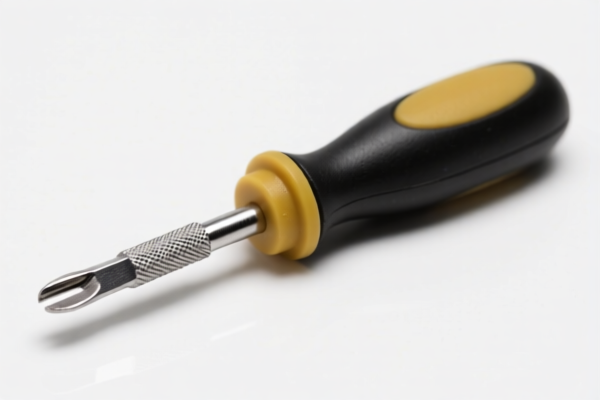
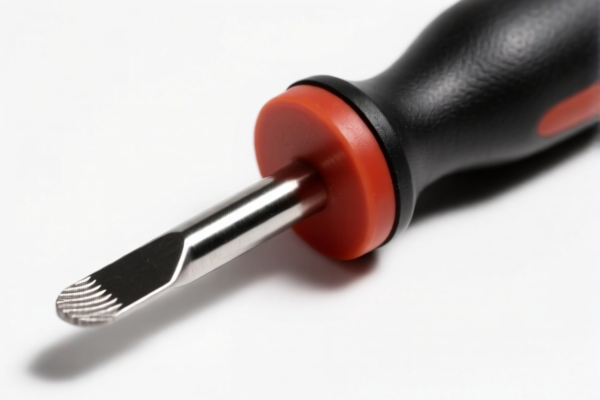
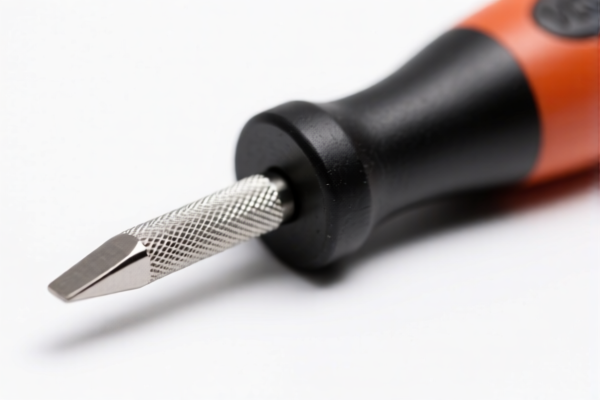
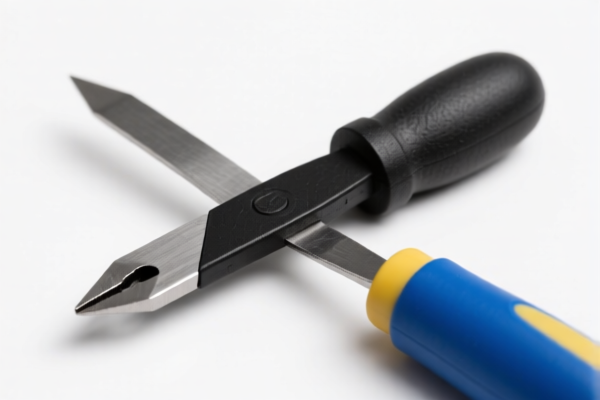
AI Analysis
📐 Square Tool / Stainless Steel Square (Stainless Steel Set Squares)
🌐 HS Code Reference & Customs Clearance Guide | 2026 Latest Tariff Analysis | Professional Clearance Strategy
📌 Part I: Product Definition & Classification: Do You Really Understand the "Square Tool"?
A Square Tool (often referred to as a "Stainless Steel Square," "Try Square," or "Engineer's Square") is a precision measuring instrument used in metalworking, carpentry, and engineering to check or lay out angles of 90° (right angles).
In international trade, these tools are tricky because they sit on the boundary between "Tools", "Measuring Instruments", and "Iron/Steel Articles". The classification depends heavily on: 1. Material: Is it stainless steel? Carbon steel? 2. Function: Is it primarily a measuring instrument (precision calibrated) or a general purpose tool/artifact? 3. Construction: Is it a single-piece solid bar or a complex assembly with scales?
⚠️ Critical Distinction:
- If classified as "Iron/Steel Articles" (General manufacturing): High tariffs due to Section 232 (Steel/Aluminum) and Section 301. - If classified as "Measuring Instruments": Lower base tariffs, but still subject to Section 301 and IEEPA surcharges.
📦 Part II: HS Code Classification Details (2026 Latest Tariff Authority Comparison)
Based on the provided data, here are the five possible classifications for a Stainless Steel Square Tool, ranging from low to high tax liability.
| HS Code | Product Description | Summary | Total Tax Rate |
|---|---|---|---|
7326.19.00.80 |
Other articles of iron or steel | Classified as "Other Steel Products" | 87.9% |
7326.90.86.88 |
Other articles of iron or steel | Classified as "Other Iron/Steel Articles" | 87.9% |
9017.30.80.00 |
Hand-held length measuring instruments | Classified as "Hand-held Length Measuring Instrument" | 38.9% |
8205.59.55.60 |
Other hand tools | Classified as "Non-edged Hand Tool" | 40.3% |
9017.80.00.00 |
Other measuring/Checking instruments | Classified as "Hand-held Length Measuring Instrument" | 40.3% |
🔍 Key Insight:
- Cheapest Option: 9017.30.80.00 (38.9%) – Best if the square is explicitly a precision measuring instrument. - Most Expensive Option: 7326.19.00.80 & 7326.90.86.88 (87.9%) – Best avoided if possible, as it triggers Section 232 Steel Tariffs + Section 301. - Middle Ground: 8205.59.55.60 (40.3%) – If viewed as a generic hand tool rather than a precision instrument.
💰 Part III: 2026 Latest Tariff Rate Breakdown (Including Surcharges & Policy Add-ons)
✅ Applicable Country: United States (US)
✅ Origin: China (CN)
✅ Effective Time: 2025/2026 (Current Enforcement)
🎯 1. The "Steel Penalty" Classifications (High Risk)
HS Codes: 7326.19.00.80 & 7326.90.86.88
Summary: "Other Steel/Iron Articles"
| Item | Content |
|---|---|
| Base Tariff | 2.9% |
| Section 301 Surcharge | +25.0% |
| Section 122 Clause Tariff | +10.0% |
| Section 232 (Steel/Aluminum) Surcharge | +50.0% |
| Total Tax Rate | 87.9% |
| Tax Calculation | CIF Value × 87.9% |
| Legal Basis | USITC Section 232 + Section 301 + IEEPA |
📌 Explanation:
- 50% Section 232 Tariff: Applied specifically to steel and aluminum products to protect domestic industry. Since a stainless steel square is made of steel, it falls here. - 25% Section 301: General trade war tariff on Chinese goods. - 10% Section 122: Additional surcharge for specific steel/aluminum items. - Result: This is an extremely high cost. Only use if no other classification is legally defensible.
🎯 2. The "Measuring Instrument" Classifications (Recommended)
HS Codes: 9017.30.80.00 (38.9%) & 9017.80.00.00 (40.3%)
Summary: "Hand-held Length Measuring Instruments"
A. 9017.30.80.00 – Hand-held Length Measuring Instrument (Lowest Tax)
| Item | Content |
|---|---|
| Base Tariff | 3.9% |
| Section 301 Surcharge | +25.0% |
| Section 122 Clause Tariff | +10.0% |
| Total Tax Rate | 38.9% |
| Tax Calculation | CIF Value × 38.9% |
| Legal Basis | Chapter 90 (Optical/Medical/Instrumental) |
📌 Explanation:
- No Section 232: Because it is classified as an instrument, not raw steel. - Still High: Despite being lower than 87.9%, 38.9% is still significant due to the 25% + 10% surcharges. - Requirement: Must be proven as a measuring instrument (calibrated, precise, used for verification).
B. 9017.80.00.00 – Other Measuring/Checking Instruments
| Item | Content |
|---|---|
| Base Tariff | 5.3% |
| Section 301 Surcharge | +25.0% |
| Section 122 Clause Tariff | +10.0% |
| Total Tax Rate | 40.3% |
| Tax Calculation | CIF Value × 40.3% |
🎯 3. The "Hand Tool" Classification
HS Code: 8205.59.55.60
Summary: "Non-edged Hand Tool"
| Item | Content |
|---|---|
| Base Tariff | 5.3% |
| Section 301 Surcharge | +25.0% |
| Section 122 Clause Tariff | +10.0% |
| Total Tax Rate | 40.3% |
| Tax Calculation | CIF Value × 40.3% |
📌 Explanation:
- If the square is considered a tool (like a wrench or hammer) rather than an instrument (like a caliper), it falls under Chapter 82. - Tax rate is identical to the higher-tier instrument code (40.3%) but offers a different legal argument.
🛠️ Part IV: Customs Clearance Practical Advice (Pitfall Avoidance Guide)
✅ 1. Prepare Documentation Checklist (Non-negotiable)
| Document | Required | Explanation |
|---|---|---|
| ✅ Product Specification Sheet | ✔️ | Must detail: Material (Stainless Steel 304/316), Dimensions, Accuracy/Tolerance (e.g., ±0.02°). |
| ✅ Technical Data Sheet (TDS) | ✔️ | Prove it is a measuring instrument (calibrated, traceable standards) to justify 9017 over 7326. |
| ✅ Product Photos | ✔️ | Show scale marks, brand, model, and packaging. |
| ✅ Commercial Invoice | ✔️ | Clearly state: "Stainless Steel Try Square, Precision Measuring Instrument" NOT "Steel Bar" or "Construction Tool". |
| ✅ Packing List | ✔️ | List unit weight and dimensions. |
| ✅ Certificate of Origin | ✔️ | Standard requirement. |
✅ 2. Declaration Strategy (Key Tips)
🔥 "Claim as Instrument, Prove Precision, Avoid Steel Tariffs!"
| Scenario | Correct Declaration | Wrong Declaration |
|---|---|---|
| Precision Square (with scale/calibration) | 9017.30.80.00 |
7326.19.00.80 (Triggers 50% steel tax) |
| Basic Workshop Square (no calibration) | 8205.59.55.60 or 9017.80.00.00 |
7326.90.86.88 |
| Raw Steel Square Bar | 7326.19.00.80 |
9017.30.80.00 (Fraud Risk) |
📌 Critical Warning:
- Do NOT declare a precision square as "Steel Article" (7326) if it has measurement scales. CBP may accept the lower tax code if you provide proof of function as an instrument. - However, if you declare it as an instrument (9017), ensure you have calibration certificates or technical specs showing it is used for measurement, not just structural support.
✅ 3. Special Cases Handling
| Case | Handling Advice |
|---|---|
| Set Square vs. Single Square | If sold as a "Set," declare the main item or the highest tax item. If mixed with rulers, clarify components. |
| Digital vs. Analog | Digital squares may fall under 9031 (Electronic Measuring Instruments), but stick to provided data: 9017 is the safe bet for analog stainless squares. |
| Stainless Steel Type | Specify 304/316 Stainless Steel to distinguish from carbon steel, though both fall under similar HS codes. |
| Kit with Case | If the square comes in a protective case, declare as a set. Ensure the primary component is the square. |
🌍 Part V: Global Market Comparison (2026 Latest)
| Country/Region | Recommended HS Code | Tariff | Certification | Remarks |
|---|---|---|---|---|
| 🇺🇸 USA | 9017.30.80.00 |
38.9% | N/A | Avoid 7326 (87.9%)! |
| 🇨🇳 China | 9017.30.00.00 |
5% | N/A | Low tariff, no surcharges. |
| 🇪🇺 EU | 9017.20.00 |
4.5% | CE (if applicable) | No Section 301/232 equivalent. |
| 🇬🇧 UK | 9017.20.00 |
4.5% | UKCA | Post-Brexit rules apply. |
| 🇯🇵 Japan | 9017.20.00 |
6.0% | PSE (if electronic) | No major surcharges. |
📌 Conclusion:
- USA is the most expensive market due to Section 301 + Section 232. - Strategy: Maximize the chance of 9017 classification to save ~49% in tariffs compared to steel classification.
📌 Part VI: Common Errors & Pitfalls (Blood Lessons)
❌ Error 1: Declaring a Precision Square as "Steel Hardware" (7326)
👉 Consequence: 87.9% Tax. You pay double what you should have paid.
👉 Fix: Provide technical specs proving it is a measuring instrument.
❌ Error 2: Declaring a Non-Calibrated Steel Square as "Precision Instrument" (9017)
👉 Consequence: CBP may reclassify it to 7326 or 8205 and issue Penalties for misdeclaration.
👉 Fix: Be honest. If it’s a rough shop tool, use 8205.59.55.60 (40.3%) or accept 7326 if it’s truly unmeasured steel.
❌ Error 3: Ignoring the "Stainless" Label
👉 Consequence: If the invoice says "Stainless Steel Square" but you declare 7326.19.00.80, you trigger the 50% Steel Tariff.
👉 Fix: Highlight "Measuring Instrument" in the description, not just "Stainless Steel."
✅ Correct Declaration Example:
"Stainless Steel Precision Try Square, 90°, Measuring Instrument, Model SQ-200, with Calibration Certificate"
→ HS Code:9017.30.80.00→ Tax: 38.9%
🎯 Part VII: Conclusion: Professional Declaration, Save Cost!
🎯 Remember the Golden Rule:
🔹 "Instrument vs. Steel: The 50% Difference!"
🔹 "If it measures, call it 9017. If it’s just steel, you pay 87.9%."
🔹 "Documentation is Key: Specs prove it’s an instrument."
📌 Pro Tip:
- If your square is digital, check if it fits 9031 (Electronic Measuring Instruments). If not, 9017 is still the best alternative.
- Always provide a Technical Data Sheet showing measurement accuracy to support the 9017 classification.
- Consider Advance Ruling from CBP if shipping large volumes to ensure consistent classification.
📣 Take Action Now:
📞 Consult a Customs Broker + Provide Product Specs + Optimize for
9017.30.80.00
🚀 Clear Customs Smoothly, Reduce Costs, Maximize Profits!
✨ Professional Clearance Starts with Accurate Classification!
💼 Every Percent of Tax Saved is Pure Profit!
Customer Reviews
About HS Code Classification
The Harmonized System (HS) is an internationally standardized nomenclature developed by the World Customs Organization (WCO) to classify traded products. Over 200 countries use the HS system as the basis for customs tariffs, trade statistics, and import/export regulations.
Each HS code follows a hierarchical structure:
- Chapter (2 digits) — Broad category of goods (e.g., Chapter 84: Machinery and Mechanical Appliances)
- Heading (4 digits) — More specific grouping within the chapter
- Subheading (6 digits) — Internationally standardized breakdown, used by all WCO member countries
- National subdivisions (8-10 digits) — Country-specific extensions for further classification, such as US HTSUS 10-digit codes
Correct HS code classification is essential for smooth customs clearance, accurate duty payment, and compliance with trade regulations. Misclassification can lead to customs delays, overpayment of duties, or penalties.
When importing from CN to US, the applicable tariff rates may include:
- Most-Favored-Nation (MFN) rate — The standard duty rate applied to WTO members
- General rate — Applied to countries without trade agreements
- Trade remedy duties — Additional tariffs such as Section 301 (anti-dumping), Section 232 (national security), or countervailing duties
The information provided on this page is for reference purposes only. For official classification, please consult with your local customs authority or a licensed customs broker.