Squeeze Toy
CN → US| HS Code | Tariff Rate | Origin | Destination | Doc |
|---|---|---|---|---|
| 4016990500 | 20.9% | CN | US | Official Doc |
| 9503000073 | 10.0% | CN | US | Official Doc |
| 9503000071 | 10.0% | CN | US | Official Doc |
| 4016992000 | 14.3% | CN | US | Official Doc |
| 4016992000 | 14.3% | CN | US | Official Doc |
Product Images
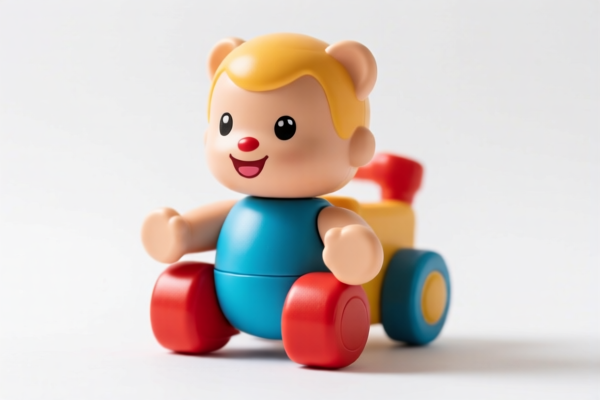
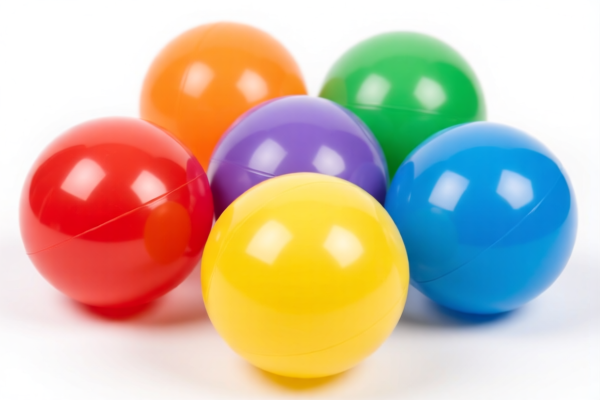

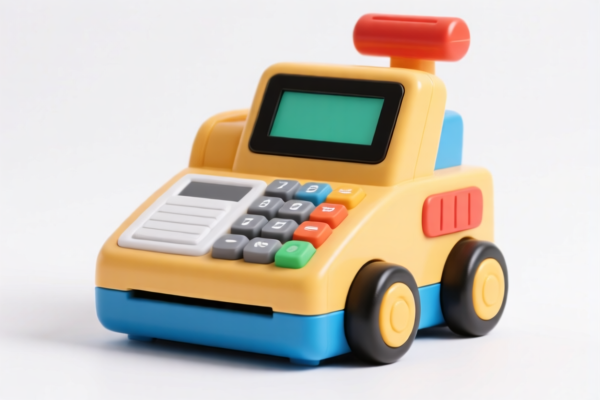
AI Analysis
🎯 Squeeze Toy (Silicone Squishy Toy)
🌐 HS Code Classification & Duty Guide | 2026 Customs Tariff Breakdown | Proven Clearance Strategy
📌 One Product, Multiple Classifications — Know Which One Fits Your Shipment!
📦 1. Product Definition & Key Classification Logic
A silicone squeeze toy — also known as a squishy, moldable stress-relief toy, or fidget toy — is a soft, pliable, rubber-like item made from vulcanized silicone rubber. It's designed to be squeezed, squished, or manipulated for sensory stimulation or stress relief.
Despite its playful appearance, the correct HS Code depends heavily on its intended use, form, and whether it resembles a toy or a rubber product.
⚠️ Critical Insight:
- If it’s soft, squishy, and marketed as a stress-relief or fidget tool → Likely 4016.99.05.00 or 4016.99.20.00
- If it’s shaped like a toy, animal, or character and sold as a plaything → Likely 9503.00.00.71 / 73
- If it’s used for pets (e.g., cat-shaped toy) → Still falls under 4016.99.20.00✅ Bottom Line:
Same product, different HS codes, wildly different tariffs.
Choose wisely — one wrong classification can trigger 45%+ duties or unexpected delays.
📊 2. HS Code Classification Matrix (2026 Official Tariff Table)
| HS Code | Product Description | Use Case | Tax Rate | Key Trigger |
|---|---|---|---|---|
4016.99.05.00 |
Other vulcanized rubber articles; for household use, e.g., stress-relief squishies | General home use, mental wellness | 20.9% | Soft, non-toy form, no character shape |
9503.00.00.73 |
Other toys; not otherwise specified; soft, flexible materials | Toy-like, sold as play item | 10.0% | Marketed as "toy", no animal form |
9503.00.00.71 |
Models and other toys; soft, molded, or shaped figures | Character/animal-shaped toys | 10.0% | Cat, dinosaur, unicorn, etc. |
4016.99.20.00 |
Other vulcanized rubber articles; for pet or stress-relief use | Pet toys, animal-shaped squishies | 14.3% | Pet-related or animal form |
4016.99.20.00 |
Cat-shaped squeeze toy | Pet/animal-shaped rubber toy | 14.3% | Form = animal, use = pet or stress relief |
🔍 Why the difference?
- 4016.99.05.00 = "Household rubber item" → higher base tariff
- 9503.00.00.71/73 = "Toy" → 0% base tariff, only 10% Section 122 tariff
- 4016.99.20.00 = "Pet or stress toy" → 4.3% base + 10% Section 122 = 14.3%
💰 3. Detailed Duty Breakdown (U.S. 2026 Tariff Regime)
✅ Applicable to: United States (US)
✅ Origin: China (CN)
✅ Effective Date: November 10, 2025 (with retroactive enforcement)
🎯 1. 4016.99.05.00 — Other Vulcanized Rubber Articles (Household Use)
| Item | Detail |
|---|---|
| Base Duty | 3.4% (ad valorem) |
| Additional Duty (Section 301) | 7.5% |
| Section 122 Duty (China-specific) | 10% |
| Total Effective Duty | 20.9% |
| Duty Calculation | CIF × 20.9% |
| De Minimis Threshold | ❌ Not eligible (denied) |
| Legal Basis Path | Section 301: 9903.01.25 → Section 122: 9903.01.24 → HS: 4016.99.05.00 |
📌 Why this applies:
- The item is not clearly a toy — no packaging, no character, no play intent
- Marketed as "stress relief", "anxiety relief", "fidget tool"
- No animal or character shape → not eligible for toy code
🎯 2. 9503.00.00.73 — Other Toys (Soft, Flexible Materials)
| Item | Detail |
|---|---|
| Base Duty | 0.0% |
| Additional Duty (Section 301) | 0.0% |
| Section 122 Duty (China-specific) | 10% |
| Total Effective Duty | 10.0% |
| Duty Calculation | CIF × 10% |
| De Minimis Threshold | ✅ Eligible (if value ≤ $800) |
| Legal Basis Path | Section 122: 9903.01.24 → HS: 9503.00.00.73 |
📌 Why this applies:
- Sold as a toy — even if not for children
- Soft, squeezable, designed for play or fidgeting
- No animal form, no pet use → not4016.99.20.00✅ Best for: Generic squishies, abstract shapes, non-animal fidget toys
🎯 3. 9503.00.00.71 — Models & Other Toys (Shaped Figures)
| Item | Detail |
|---|---|
| Base Duty | 0.0% |
| Additional Duty (Section 301) | 0.0% |
| Section 122 Duty (China-specific) | 10% |
| Total Effective Duty | 10.0% |
| Duty Calculation | CIF × 10% |
| De Minimis Threshold | ✅ Eligible |
| Legal Basis Path | Section 122: 9903.01.24 → HS: 9503.00.00.71 |
📌 Why this applies:
- Character or animal-shaped (e.g., cat, dog, dinosaur)
- Marketed as a toy, not a household rubber item
- Even if used for stress relief, the form triggers toy classification✅ Best for: Cat-shaped, unicorn-shaped, cartoon-style squishies
🎯 4. 4016.99.20.00 — Vulcanized Rubber Articles (Pet or Stress-Relief Use)
| Item | Detail |
|---|---|
| Base Duty | 4.3% |
| Additional Duty (Section 301) | 0.0% |
| Section 122 Duty (China-specific) | 10% |
| Total Effective Duty | 14.3% |
| Duty Calculation | CIF × 14.3% |
| De Minimis Threshold | ❌ Not eligible |
| Legal Basis Path | Section 122: 9903.01.24 → HS: 4016.99.20.00 |
📌 Why this applies:
- Pet use (e.g., cat-shaped toy for cats)
- Or used for stress relief in a pet context
- Even if not for pets, if animal-shaped, it may be classified here⚠️ Risk Alert:
- If the product is sold as a pet toy, even if not used by pets, this code applies
- Higher base tariff than toy codes → avoid if possible
🛠️ 4. Pro Clearance Strategy (Avoid $10K+ in Unexpected Duties)
✅ 1. Pre-Shipment Checklist (Must-Have Documents)
| Document | Required? | Why It Matters |
|---|---|---|
| ✅ Product Photos (front, back, close-up) | ✔️ | Show shape, material, branding |
| ✅ Marketing Materials (website, packaging, ads) | ✔️ | Prove intended use (toy vs. rubber) |
| ✅ Commercial Invoice | ✔️ | Must clearly state “Squeeze Toy” or “Fidget Toy” |
| ✅ Certificate of Origin (CO) | ✔️ | Needed for Section 122 eligibility |
| ✅ Test Reports (RoHS, REACH, CPSIA) | ✔️ | Safety compliance for toys |
| ✅ Packaging Labeling | ✔️ | “For Children Ages 3+” or “Stress Relief Tool” matters! |
✅ 2. Smart申报 Tips (The 3 Golden Rules)
🔥 Rule 1: Shape Determines Code
- Animal/character shape →9503.00.00.71or4016.99.20.00
- Abstract/neutral shape →9503.00.00.73or4016.99.05.00🔥 Rule 2: Use Trumps Form
- If marketed as a toy, even a plain squishy →9503.00.00.73
- If marketed as a stress tool, even animal-shaped →4016.99.05.00or4016.99.20.00🔥 Rule 3: Avoid Pet Labels
- Don’t say “cat toy” or “pet chew” — triggers4016.99.20.00(14.3%)
- Say “stress-relief cat-shaped squishy” instead → can qualify for9503.00.00.71(10%)
✅ 3. Special Case Handling
| Scenario | Recommended HS Code | Action |
|---|---|---|
| Cat-shaped squishy sold as fidget toy | 9503.00.00.71 |
Use “fidget toy” in description |
| Squishy with no shape, sold for stress relief | 4016.99.05.00 |
Avoid “toy” in labeling |
| Squishy sold as pet chew toy | 4016.99.20.00 |
Accept 14.3% duty |
| Squishy with character face (e.g., emoji) | 9503.00.00.71 |
Use “toy” in invoice |
| Bulk shipment of 500+ identical squishies | 9503.00.00.73 |
Best for volume |
🌍 5. Global Market Comparison (2026)
| Country | Recommended HS Code | Duty | Certification | Notes |
|---|---|---|---|---|
| 🇺🇸 USA | 9503.00.00.71 or 73 |
10.0% | CPSIA, RoHS | Section 122 applies |
| 🇨🇳 China | 9503.00.00.71 |
5% | CCC | No extra tariffs |
| 🇪🇺 EU | 9503.00.00.71 |
0% (if CE) | CE | No Section 122 |
| 🇦🇺 Australia | 9503.00.00.71 |
5% | RCM | No extra duty |
| 🇯🇵 Japan | 9503.00.00.71 |
0% | PSE | No extra duty |
📌 Insight:
- Only the U.S. applies Section 122 (10%)
- China, EU, AU, JP do not charge extra on toys
- Use9503.00.00.71or73for U.S. shipments to save 10.9% vs. rubber codes
🚫 6. Common Mistakes (Avoid These Traps!)
❌ Mistake 1: Using 4016.99.05.00 for a cat-shaped toy
👉 Result: 20.9% duty → 10.9% higher than toy code!
❌ Mistake 2: Calling it a “pet toy” in labeling
👉 Result: Triggers 4016.99.20.00 → 14.3% duty (vs. 10% for toy)
❌ Mistake 3: Not including “fidget” or “toy” in invoice
👉 Result: Customs may classify as rubber → 20.9% duty
❌ Mistake 4: Splitting shipment into “toy” and “rubber” parts
👉 Result: Each item taxed separately → up to 89.5% in total
✅ Correct Way:
“Silicone Squishy Toy – Cat-Shaped, Fidget Stress Relief, 3+ Years, Not for Pets”
🎯 7. Final Verdict: Choose Your Code Wisely!
🔹 Best for U.S. Imports:
-9503.00.00.71→ 10.0% duty, de minimis eligible
-9503.00.00.73→ 10.0% duty, ideal for abstract shapes🔹 Avoid if Possible:
-4016.99.05.00→ 20.9% (too high)
-4016.99.20.00→ 14.3% (only if pet use is unavoidable)🔹 Pro Tip:
- Use “fidget toy” or “stress relief toy” in invoice and packaging
- Avoid “pet” or “chew” unless it’s truly for animals
📌 8. Summary: The 3-Step Rule for 10% Duty in the U.S.
- ✅ Shape: Animal/character →
9503.00.00.71 - ✅ Use: Toy/fidget →
9503.00.00.71or73 - ✅ Labeling: No “pet” or “chew” — use “toy” or “fidget”
✅ Total Duty: 10.0%
✅ De Minimis: ✅ Yes (if under $800)
✅ No surprise penalties
📣 Ready to Ship? Let’s Optimize Your Clearance!
📞 Contact a U.S. Customs Broker + Request an HS Code Pre-Ruling
🚀 Get a 100% accurate classification before shipment
💰 Save thousands in duties — one code change can make the difference
✨ Smart Classification = Lower Duty = Faster Clearance = Higher Profit!
💼 Your next shipment starts with the right HS Code.
Customer Reviews
About HS Code Classification
The Harmonized System (HS) is an internationally standardized nomenclature developed by the World Customs Organization (WCO) to classify traded products. Over 200 countries use the HS system as the basis for customs tariffs, trade statistics, and import/export regulations.
Each HS code follows a hierarchical structure:
- Chapter (2 digits) — Broad category of goods (e.g., Chapter 84: Machinery and Mechanical Appliances)
- Heading (4 digits) — More specific grouping within the chapter
- Subheading (6 digits) — Internationally standardized breakdown, used by all WCO member countries
- National subdivisions (8-10 digits) — Country-specific extensions for further classification, such as US HTSUS 10-digit codes
Correct HS code classification is essential for smooth customs clearance, accurate duty payment, and compliance with trade regulations. Misclassification can lead to customs delays, overpayment of duties, or penalties.
When importing from CN to US, the applicable tariff rates may include:
- Most-Favored-Nation (MFN) rate — The standard duty rate applied to WTO members
- General rate — Applied to countries without trade agreements
- Trade remedy duties — Additional tariffs such as Section 301 (anti-dumping), Section 232 (national security), or countervailing duties
The information provided on this page is for reference purposes only. For official classification, please consult with your local customs authority or a licensed customs broker.