Stage Costume Twill Fabric
CN → US| HS Code | Tariff Rate | Origin | Destination | Doc |
|---|---|---|---|---|
| 6114200055 | 28.3% | CN | US | Official Doc |
| 6114909070 | 15.6% | CN | US | Official Doc |
| 6113009084 | 24.6% | CN | US | Official Doc |
| 6113009086 | 24.6% | CN | US | Official Doc |
| 6211398090 | 20.3% | CN | US | Official Doc |
Product Images
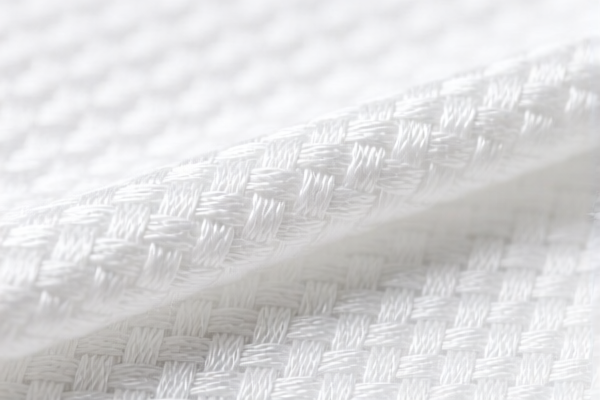
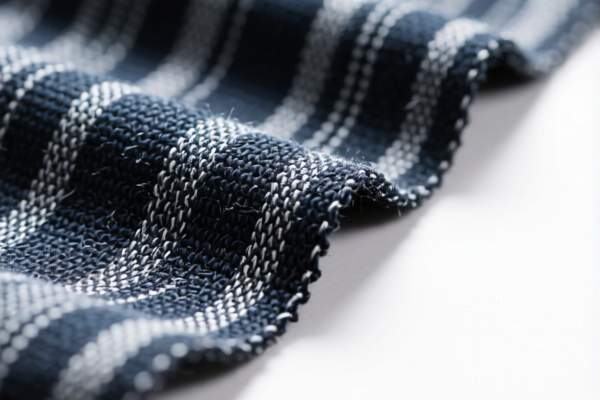
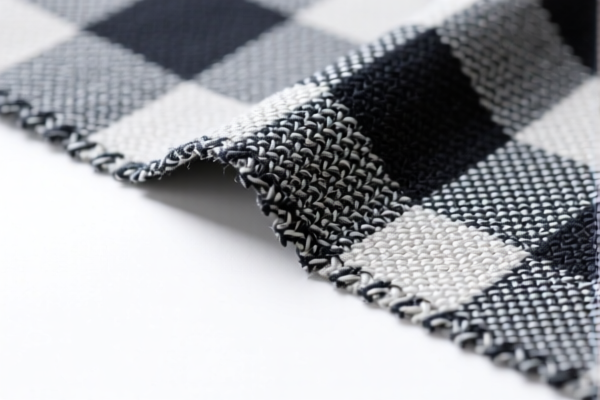
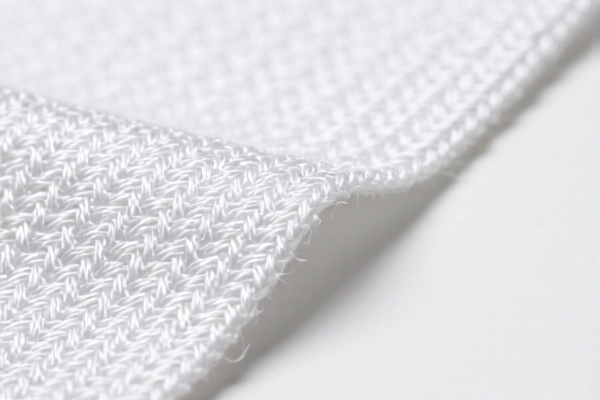
AI Analysis
👗 Stage Costume (Twill Fabric)
🌐 HS Code Reference & Customs Clearance Guide | 2026 Latest Tariff Analysis | Professional Clearance Strategy
📌 I. Product Definition & Classification: Do You Really Understand "Stage Costumes"?
Stage Costumes are specialized garments designed for theatrical performances, dance, film, and television production. Unlike everyday clothing, they often prioritize visual impact, durability under intense lighting, and ease of movement.
In international trade, the classification depends heavily on the fabric type, knit vs. woven structure, and specific material composition (cotton, synthetic, or mixed). The key differentiator here is "Twill" (斜纹), a distinct weaving pattern characterized by diagonal parallel ribs.
⚠️ Key Classification Points:
- If the garment is knitted or crocheted, it typically falls under Chapter 61.
- If the garment is woven, it typically falls under Chapter 62.
- The specific material (Cotton vs. Other Textiles) drastically changes the HS Code and Tax Rate.
📦 II. HS Code Classification Details (Based on Provided Data)
| HS Code | Product Description | Application Scenario | Material/Structure | Tax Rate |
|---|---|---|---|---|
6114.20.00.55 |
Stage Costume, Twill, Knitted | Knitted stage wear, cotton/blended twill | Cotton / Cotton Blend (Knitted) | 28.3% |
6114.90.90.70 |
Stage Costume, Twill, Knitted | Knitted stage wear, other textile materials | Other Textile Materials (Knitted) | 15.6% |
6113.00.90.84 |
Stage Costume, Twill, Woven | Woven stage wear, non-cotton specific | Other Materials (Woven/Non-cotton) | 24.6% |
6113.00.90.86 |
Stage Costume, Twill, Woven | Woven stage wear, no material conflict | Other Materials (Woven/Knitted specific) | 24.6% |
6211.39.80.90 |
Stage Costume, Twill, Woven | Woven stage wear, performance apparel | Other Textile Materials (Woven) | 20.3% |
🔍 Important Note:
- Chapter 61 applies to knitted or crocheted garments.
- Chapter 62 applies to woven garments (not knitted).
- Chapter 6113 specifically refers to impregnated, coated, covered, or laminated textile fabrics, or knit/crochet fabrics of a kind used for special purposes (often interpreted broadly in some contexts for stage wear depending on finish, but the provided data links it to stage costumes).
- Material is Critical: Cotton-based costumes have a significantly higher tax burden due to specific tariff structures.
💰 III. 2026 Latest Tariff Rate Breakdown (Including Surcharges)
✅ Applicable Country: United States (US)
✅ Origin: China (CN)
✅ Effective Date: 2025 onwards (Current Policy)
🎯 1. 6114.20.00.55 — Stage Costume (Cotton/Knit)
| Item | Content |
|---|---|
| Basic Tariff | 10.8% |
| Section 301 Surcharge | +7.5% |
| Section 122 Surcharge | +10% |
| Total Tax Rate | 28.3% |
| Calculation Method | CIF Value × 28.3% |
| De Minimis Exemption | ❌ Not Eligible (High risk of audit) |
📌 Explanation:
- This code applies to knitted stage costumes made primarily of cotton or cotton blends.
- The Section 122 tariff (+10%) is a significant addition, often applied to specific apparel categories from China.
- Total 28.3% is a substantial cost factor.
🎯 2. 6114.90.90.70 — Stage Costume (Other Textiles/Knit)
| Item | Content |
|---|---|
| Basic Tariff | 5.6% |
| Section 301 Surcharge | 0.0% |
| Section 122 Surcharge | +10% |
| Total Tax Rate | 15.6% |
| Calculation Method | CIF Value × 15.6% |
| De Minimis Exemption | ❌ Not Eligible |
📌 Note:
- This code applies to knitted stage costumes made of non-cotton materials (e.g., polyester, nylon, rayon).
- The Section 301 surcharge is 0%, making this significantly cheaper than cotton alternatives.
- Total 15.6% makes this a highly competitive option for cost-sensitive productions.
🎯 3. 6113.00.90.84 & 6113.00.90.86 — Stage Costume (Special Woven/Knit)
| Item | Content |
|---|---|
| Basic Tariff | 7.1% |
| Section 301 Surcharge | +7.5% |
| Section 122 Surcharge | +10% |
| Total Tax Rate | 24.6% |
| Calculation Method | CIF Value × 24.6% |
📌 Explanation:
- These codes apply to stage costumes made from special textile fabrics (possibly coated, laminated, or specific knit structures as defined under 6113).
- Both codes carry the full Section 301 and 122 surcharges.
- Total 24.6% is a mid-to-high tax bracket.
🎯 4. 6211.39.80.90 — Stage Costume (Woven, Other Textiles)
| Item | Content |
|---|---|
| Basic Tariff | 2.8% |
| Section 301 Surcharge | +7.5% |
| Section 122 Surcharge | +10% |
| Total Tax Rate | 20.3% |
| Calculation Method | CIF Value × 20.3% |
📌 Note:
- This code applies to woven stage costumes (not knitted) made of other textile materials (non-cotton).
- The basic tariff is low (2.8%), but surcharges bring the total to 20.3%.
- This is often a better alternative to cotton costumes if the material allows.
🛠️ IV. Customs Clearance Practical Advice (Pitfall Avoidance Guide)
✅ 1. Preparation Checklist (All Documents Required)
| Document | Required | Explanation |
|---|---|---|
| ✅ Product Specification Sheet | ✔️ | Must specify: Fabric composition (e.g., 100% Polyester), Weave type (Twill), Knit/Woven status. |
| ✅ Fabric Swatch/Photo | ✔️ | Essential to prove "Twill" weave and material type. |
| ✅ Commercial Invoice | ✔️ | Must clearly state "Stage Costume" and "Twill Fabric". |
| ✅ Packing List | ✔️ | Detail quantity per box. |
| ✅ Certificate of Origin (CO) | ✔️ | To verify China origin and apply correct surcharges. |
| ✅ HS Code Pre-ruling | ✔️ | Highly recommended for Stage Costumes due to classification ambiguity. |
✅ 2. Declaration Tips (Key Mantra)
🔥 "Knit vs. Woven First, Cotton Check Next, Twill Define Finally!"
| Situation | Correct Declaration | Incorrect Practice |
|---|---|---|
| Knitted Stage Costume | Chapter 61 (6114.xx or 6113.xx) |
Declare as Chapter 62 → Misclassification |
| Woven Stage Costume | Chapter 62 (6211.xx) |
Declare as Chapter 61 → Misclassification |
| Cotton Material | 6114.20.00.55 (if knitted) |
Declare as "Other Textile" → Over/Underpayment |
| Non-Cotton Material | 6114.90.90.70 (if knitted) |
Declare as Cotton → High Tax Risk |
📌 Critical Reminder:
- Twill is a weave pattern, not a material. You must declare the material composition (e.g., 100% Cotton, 100% Polyester) to determine the correct subheading.
- Stage Costume is a functional description. Ensure it is not classified as "Everyday Wear" (which may have different tariff lines) or "Special Protective Clothing".
✅ 3. Special Circumstances
| Situation | Handling Advice |
|---|---|
| Mixed Material | If >50% cotton by weight, it is often classified as "Cotton". Verify with a textile expert. |
| Costume with Accessories | Hats, shoes, or props should be declared separately if they have their own HS codes. Do not bundle unless they are part of a "set" defined by customs. |
| Sample vs. Bulk | Samples may qualify for lower duty if value is below de minimis, but high-value stage costumes rarely qualify. |
| Section 122 Impact | Be aware that the +10% Section 122 tariff is applied on top of other surcharges. Budget accordingly. |
🌍 V. Global Market Comparison (2026 Latest)
| Country/Region | Recommended HS Code | Tariff Rate | Certification Requirements | Notes |
|---|---|---|---|---|
| 🇺🇸 USA | 6114.90.90.70 (Non-Cotton Knit) |
15.6% | FTC Labeling, CPSIA (if for children) | Highest Cost: Cotton knit is 28.3%. |
| 🇨🇳 China | 6114.20.00.55 (Cotton Knit) |
~9% | CCC (if applicable) | Lower basic tariff, no Section 122/301. |
| 🇪🇺 EU | 6114.20 / 6114.90 |
~12% | REACH, CE (if applicable) | No Section 122/301. VAT applies separately. |
| 🇦🇺 Australia | 6114.20 / 6114.90 |
~5% | ACCC Labeling | Competitive rates, no major surcharges. |
📌 Conclusion:
- USA is the most expensive market due to Section 301 and Section 122 surcharges.
- Non-Cotton Knitted costumes (6114.90.90.70) are the most cost-effective for US imports (15.6%).
- Cotton costumes (6114.20.00.55) are the most expensive (28.3%). Consider material substitution if possible.
📌 VI. Common Errors & Pitfalls (Blood & Tears Lessons)
❌ Error 1: Declaring Knitted costumes under Chapter 62 (Woven)
👉 Consequence: Customs may reclassify, leading to 20-30% duty underpayment + penalties.
❌ Error 2: Ignoring Cotton Content
👉 Consequence: Misclassifying cotton as "other textile" to avoid Section 301. If audited, heavy fines and back taxes.
❌ Error 3: Using generic "Clothing" as Description
👉 Consequence: Customs may assign a higher default duty rate or request additional documentation, causing delays.
❌ Error 4: Not accounting for Section 122 (+10%)
👉 Consequence: Budgeting errors. This tariff is always applied to these apparel categories from China.
✅ Correct Practice:
"Stage Costume, Knitted, 100% Polyester, Twill Weave, Adult Size, Model XYZ"
🎯 VII. Conclusion: Professional Declaration, Cost Efficiency!
🎯 Remember the Mantra:
🔹 "Knit is 61, Woven is 62, Cotton is Expensive, Poly is Cheaper!"
🔹 "Section 122 adds 10%, don't forget to calculate!"
🔹 "Twill is just a weave, material determines the tax!"
📌 Pro Tip:
- If your stage costumes are not primarily cotton, aim for 6114.90.90.70 (15.6%) or 6211.39.80.90 (20.3%) to minimize US duties.
- Avoid 6114.20.00.55 (28.3%) unless cotton is strictly required for costume authenticity.
- Always provide a detailed material breakdown on the invoice.
📣 Take Action Now:
📞 Consult a customs broker for HS Code Pre-ruling.
🚀 Optimize material choice to save up to 12.7% in taxes.
✨ Professional Clearance Starts with Accurate Classification!
💼 Every dollar saved in duty is pure profit!
Customer Reviews
About HS Code Classification
The Harmonized System (HS) is an internationally standardized nomenclature developed by the World Customs Organization (WCO) to classify traded products. Over 200 countries use the HS system as the basis for customs tariffs, trade statistics, and import/export regulations.
Each HS code follows a hierarchical structure:
- Chapter (2 digits) — Broad category of goods (e.g., Chapter 84: Machinery and Mechanical Appliances)
- Heading (4 digits) — More specific grouping within the chapter
- Subheading (6 digits) — Internationally standardized breakdown, used by all WCO member countries
- National subdivisions (8-10 digits) — Country-specific extensions for further classification, such as US HTSUS 10-digit codes
Correct HS code classification is essential for smooth customs clearance, accurate duty payment, and compliance with trade regulations. Misclassification can lead to customs delays, overpayment of duties, or penalties.
When importing from CN to US, the applicable tariff rates may include:
- Most-Favored-Nation (MFN) rate — The standard duty rate applied to WTO members
- General rate — Applied to countries without trade agreements
- Trade remedy duties — Additional tariffs such as Section 301 (anti-dumping), Section 232 (national security), or countervailing duties
The information provided on this page is for reference purposes only. For official classification, please consult with your local customs authority or a licensed customs broker.