Stainless Steel Aluminum Free Teapot
CN → US| HS Code | Tariff Rate | Origin | Destination | Doc |
|---|---|---|---|---|
| 7615107155 | 63.1% | CN | US | Official Doc |
| 7615107180 | 63.1% | CN | US | Official Doc |
| 8419819080 | 17.5% | CN | US | Official Doc |
| 8516710080 | 21.2% | CN | US | Official Doc |
| 8516710080 | 21.2% | CN | US | Official Doc |
Product Images
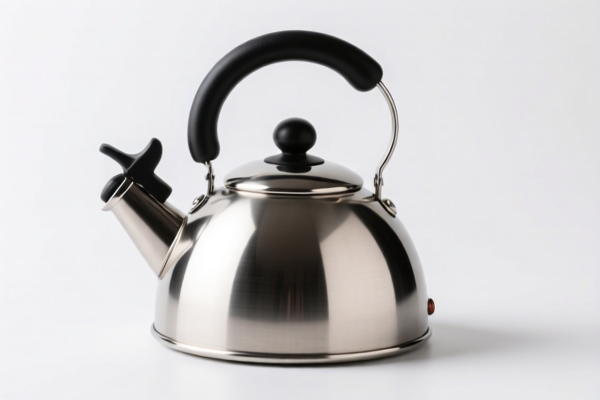
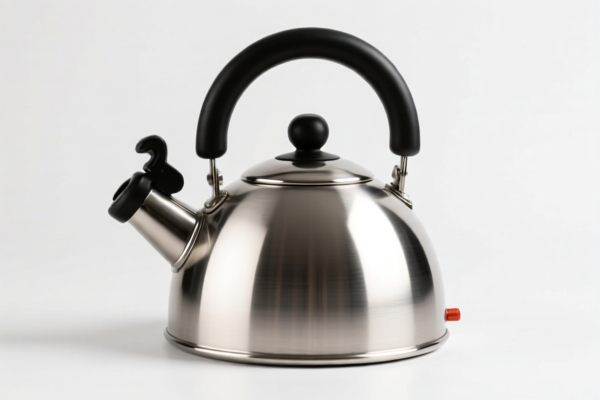
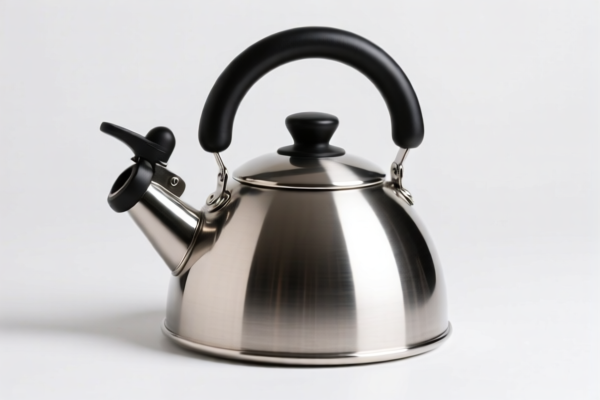
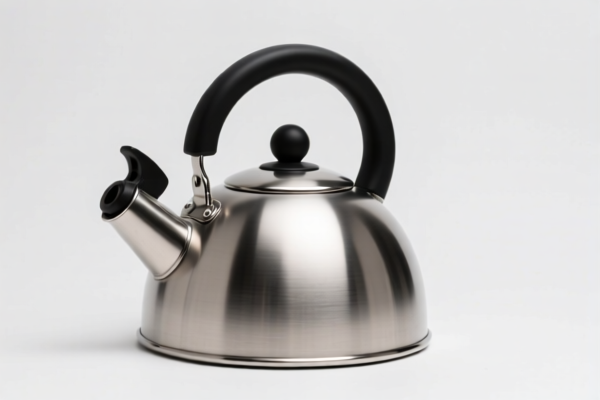
AI Analysis
🍵 Stainless Steel Aluminum Free Teapot & Brewing Devices
🌐 HS Code Reference & Clearance Guide | 2026 Latest Tariff Analysis | Professional Customs Strategy
📌 1. Product Definition & Classification: What Are You Really Shipping?
The term "Stainless Steel Aluminum Free Teapot" can be ambiguous in international trade. It generally refers to tea brewing vessels, but the HS Code classification and resulting tariff burden depend entirely on whether the product is manual (non-electric) or electric (automated brewing device).
⚠️ Critical Distinction:
- If it is a manual vessel (pot/kettle) without heating elements, power cords, or automated controls → It falls under Kitchen/LCookware (Chapter 76 or 84).
- If it has electric heating, pumps, or automatic brewing cycles → It falls under Electrical Appliances (Chapter 85).
- Material Note: "Aluminum Free" usually implies stainless steel construction. However, if the product contains any aluminum component, the "122 Clause" tariffs may apply differently. The data below assumes standard classifications for stainless steel/aluminum blends as provided in your source data.
📦 2. HS Code Classification Matrix (2026 Latest Tariff Authority)
Based on the provided data, here are the four possible classification paths depending on the specific product structure:
| HS Code | Product Description | Key Features | Tariff Rate (Total) |
|---|---|---|---|
| 7615.10.71.55 | Aluminum Tea Pot (Coated) | Kitchen cookware; Aluminum body; Fits "Other" bucket. | 63.1% |
| 7615.10.71.80 | Aluminum Tea Pot (Uncoated) | Kitchen cookware; No non-stick coating; Fits "Uncoated" bucket. | 63.1% |
| 8419.81.90.80 | Hot Beverage Equipment | Mixed materials (Stainless Steel + Aluminum); Heating device; Fits "Other" heating equipment. | 17.5% |
| 8516.71.00.80 | Electric Tea Maker / Pot | Electric appliance; Metal body; Not specific pump/drip type; Fits "Other" electric heating. | 21.2% |
🔍 Key Insight:
- Manual vs. Electric: This is the biggest cost driver. A manual pot might be classified under 7615 (Aluminum cookware) with a massive 63.1% tariff. An electric version might be 8516 or 8419, significantly lowering the rate to 17.5% - 21.2%.
- "Aluminum Free" Paradox: If your product is truly 100% Stainless Steel and contains NO aluminum, the 7615 codes (which specify Aluminum) might be incorrect. However, if the product has any aluminum part, or if customs classifies stainless steel pots under the same "cookware" bucket as aluminum, the high tariffs apply. Always verify material composition.
💰 3. 2026 Tariff Rate Breakdown (Detailed Explanation)
✅ Applicable Country: United States (US)
✅ Origin: China (CN)
✅ Effective Date: Includes subsequent imports post-2025/2026 policy updates.
🎯 1. Manual Cookware: HS Code 7615.10.71.55 / 7615.10.71.80
(Applicable to: Manual Aluminum Teapots, Coated or Uncoated)
| Component | Rate | Detail |
|---|---|---|
| Base Tariff | 3.1% | Standard MFN rate for aluminum cookware. |
| Section 301 / 122 Clause | 50% | "Steel, Aluminum, Copper Products" Surcharge. This is the dominant cost driver. |
| Section 301 (10% Clause) | 10% | Additional 10% tariff under Section 301 (specifically for steel/aluminum/copper products under certain conditions). |
| Other Surcharges | 0.0% | No additional general surcharges listed for this specific bucket. |
| TOTAL RATE | 63.1% | Extremely High. Includes Base (3.1%) + 122 Clause (50%) + Section 301 (10%). |
📌 Explanation:
- The 63.1% rate is punitive. It combines the standard duty with heavy protectionist tariffs on aluminum products.
- "Aluminum Free" Warning: If your product is strictly stainless steel, you might argue for a different HS Code (e.g., 7323 for steel cookware), which typically has lower tariffs. However, if customs deems it an "Aluminum product" due to minor components, the 50% surcharge applies.
- No De Minimis: This rate is too high for Section 321 (de minimis) exemption to be cost-effective; duties will be collected on the full CIF value.
🎯 2. Electric/Heating Equipment: HS Code 8419.81.90.80
(Applicable to: Non-electric or Gas Hot Beverage Makers, Mixed Materials)
| Component | Rate | Detail |
|---|---|---|
| Base Tariff | 0.0% | No standard base duty for some specialized heating equipment. |
| Section 301 Surcharge | 7.5% | General 301 tariff addition. |
| Section 301 (10% Clause) | 10% | Additional 10% tariff under Section 301 (specific clause for this category). |
| TOTAL RATE | 17.5% | Moderate. Significantly lower than manual aluminum cookware. |
📌 Explanation:
- This code applies to "Other appliances for heating or cooking" (Chapter 84).
- If your teapot is gas-powered or manual but complex (e.g., vacuum brewer), this may apply.
- Material Mix: Since it mentions "Stainless Steel and Aluminum," it may fall here if considered a "device" rather than simple "cookware."
🎯 3. Electrical Tea Makers: HS Code 8516.71.00.80
(Applicable to: Electric Kettles, Tea Machines, Stainless Steel or Aluminum)
| Component | Rate | Detail |
|---|---|---|
| Base Tariff | 3.7% | Standard duty for electric heating appliances. |
| Section 301 Surcharge | 7.5% | General 301 tariff addition. |
| Section 301 (10% Clause) | 10% | Additional 10% tariff under Section 301. |
| TOTAL RATE | 21.2% | Moderate-High. Lower than manual aluminum pots. |
📌 Explanation:
- This covers "Other electro-thermic appliances" for domestic use.
- Includes electric kettles, automatic tea brewers, and hot water dispensers.
- Key Benefit: Even if the material is aluminum, the tariff is 21.2% vs. 63.1% for manual aluminum cookware. This suggests that electric functionality may change the classification from "cookware" to "appliance," potentially avoiding the heavier "aluminum product" surcharges (though some 301 clauses still apply).
🛠️ 4. Customs Clearance Best Practices (Actionable Advice)
✅ 1. Product Description Strategy
To minimize risk and potentially lower tariffs, precise description is key:
| Scenario | Recommended Description | HS Code Target |
|---|---|---|
| Manual Pot | "Stainless Steel Teapot, No Aluminum Components, Manual Brewing" | Try 7323 (if allowed) or accept 7615 if Aluminum present. |
| Manual Pot (Aluminum) | "Aluminum Tea Pot, Uncoated, For Kitchen Use" | 7615.10.71.80 (63.1%) |
| Electric Teapot | "Electric Tea Maker, Stainless Steel Body, Auto-Heat Function" | 8516.71.00.80 (21.2%) |
| Heating Device (Non-Electric) | "Hot Beverage Preparation Device, Mixed Metal, Non-Electric" | 8419.81.90.80 (17.5%) |
🔥 Pro Tip:
- If your product is 100% Stainless Steel, DO NOT use HS Code 7615 (Aluminum). Argue for 7323.93 (Stainless Steel Tableware/Kitchenware) if possible, which often has lower tariffs (check current rates, typically ~0-7.5% + 301).
- If it contains ANY aluminum, the 50% "122 Clause" tariff under 7615 is likely unavoidable.
✅ 2. Critical Documentation
- Material Declaration Sheet: Explicitly state the percentage of Aluminum vs. Stainless Steel. If Aluminum < 50% or minimal, argue against the "Aluminum Product" classification.
- Functionality Proof: For electric models, include circuit diagrams or photos showing heating elements to support 8516 classification.
- Invoice Clarity: Avoid vague terms like "Teapot." Use: "Electric Tea Brewer, Model XYZ, Voltage 110V, Stainless Steel/Aluminum Body."
✅ 3. Clearance Pitfalls to Avoid
-
❌ Mistake 1: Classifying an Electric Teapot as 7615 (Manual Cookware).
Consequence: You might pay 63.1% if misclassified as aluminum cookware, or face inspection delays for incorrect chapter.
Fix: Always use 8516 for electric heating devices. -
❌ Mistake 2: Claiming "Aluminum Free" but shipping a product with aluminum parts.
Consequence: Customs may reclassify to 7615 and apply the 50% surcharge.
Fix: Accurate material disclosure. If it's stainless steel, use 7323 (if eligible). -
❌ Mistake 3: Ignoring the Section 301 10% Clause.
Consequence: Underpayment of duties.
Fix: All three codes listed above include a 10% Section 301 addition. Budget for this.
🌍 5. Global Market Comparison (2026)
| Country/Region | Recommended HS Code | Est. Total Tariff | Key Requirement |
|---|---|---|---|
| 🇺🇸 USA | 8516.71.00.80 (Electric) | 21.2% | FCC Cert + UL/ETL Safety |
| 🇺🇸 USA | 7615.10.71.80 (Manual Al) | 63.1% | High duty due to Aluminum |
| 🇪🇺 EU | 7323.93 (Steel Pot) | 0% | CE/ROHS, LFGB Food Safety |
| 🇬🇧 UK | 7323.93 (Steel Pot) | 0% | UKCA Marking |
| 🇨🇳 China | 7323.93 | 5% | CCC (if electric) |
📌 Conclusion:
- The US market is the most challenging due to Section 301 and Aluminum-specific tariffs.
- Electric models (8516) are significantly cheaper to clear than Manual Aluminum Models (7615).
- If possible, eliminate aluminum entirely and use stainless steel to avoid the 50% surcharge.
📌 6. Final Recommendation: How to Optimize Costs?
- Material Audit: Confirm if the product is 100% Stainless Steel. If yes, pursue 7323 classification to avoid the 63.1% rate.
- Functional Upgrade: If it can be electric, classify as 8516.71.00.80 (21.2%) instead of 7615 (63.1%).
- Documentation: Provide a Material Breakdown showing if Aluminum is a minor component or main structure.
- Pre-Ruling: For high-volume shipments, apply for a US Customs Ruling to fix the HS Code before shipment.
💡 Golden Rule:
"Stainless Steel = Lower Tariff. Aluminum = 50% Surcharge. Electric = Appliance Rate. Manual = Cookware Rate."
📣 Immediate Action:
📞 Contact your customs broker to verify if your "Aluminum Free" product qualifies for 7323 (Stainless Steel) or if it must be classified under 7615 (Aluminum).
📄 Prepare a detailed spec sheet highlighting material composition and functionality (electric vs. manual).
🚀 Avoid the 63.1% trap by optimizing classification early!
✨ Professional Clearance, Start with Precision!
💼 Every Percent of Tariff Saved is Pure Profit!
Customer Reviews
About HS Code Classification
The Harmonized System (HS) is an internationally standardized nomenclature developed by the World Customs Organization (WCO) to classify traded products. Over 200 countries use the HS system as the basis for customs tariffs, trade statistics, and import/export regulations.
Each HS code follows a hierarchical structure:
- Chapter (2 digits) — Broad category of goods (e.g., Chapter 84: Machinery and Mechanical Appliances)
- Heading (4 digits) — More specific grouping within the chapter
- Subheading (6 digits) — Internationally standardized breakdown, used by all WCO member countries
- National subdivisions (8-10 digits) — Country-specific extensions for further classification, such as US HTSUS 10-digit codes
Correct HS code classification is essential for smooth customs clearance, accurate duty payment, and compliance with trade regulations. Misclassification can lead to customs delays, overpayment of duties, or penalties.
When importing from CN to US, the applicable tariff rates may include:
- Most-Favored-Nation (MFN) rate — The standard duty rate applied to WTO members
- General rate — Applied to countries without trade agreements
- Trade remedy duties — Additional tariffs such as Section 301 (anti-dumping), Section 232 (national security), or countervailing duties
The information provided on this page is for reference purposes only. For official classification, please consult with your local customs authority or a licensed customs broker.