Stainless Steel Bowl
CN → US| HS Code | Tariff Rate | Origin | Destination | Doc |
|---|---|---|---|---|
| 7326908688 | 87.9% | CN | US | Official Doc |
| 7323930035 | 62.0% | CN | US | Official Doc |
| 7323930045 | 62.0% | CN | US | Official Doc |
| 7323930060 | 62.0% | CN | US | Official Doc |
| 7323930080 | 62.0% | CN | US | Official Doc |
Product Images
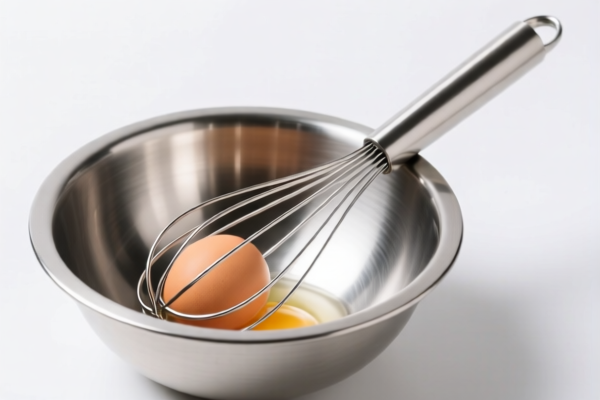
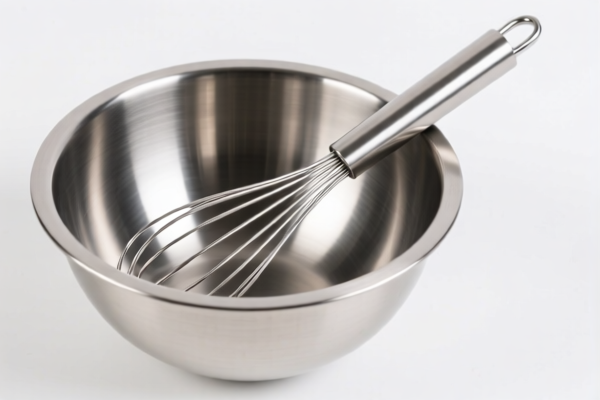
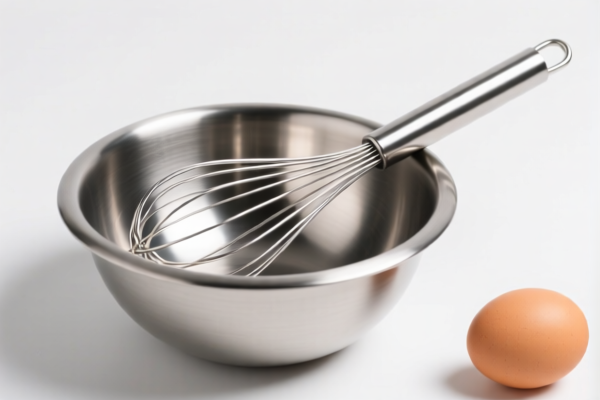

AI Analysis
🥣 Stainless Steel Bowl: Ultimate HS Code Classification & US Customs Clearance Guide
🌐 HS Code Reference & Clearance Guide | 2026 Updated Tariff Analysis | Professional Entry Strategy
📌 I. Product Definition & Classification: Do You Really Know Your "Bowl"?
Stainless Steel Bowls are ubiquitous in global trade, used across four distinct sectors: Household Kitchenware, BBQ/Grilling Accessories, Industrial Mixing Containers, and General Metal Fabrications.
In international trade, the distinction is critical. A "mixing bowl" for industrial use is classified differently than a "salad bowl" for home dining. The key determinant lies in the specific utility and design features.
⚠️ Key Distinction Points: - If the product is a general-purpose iron/steel item without specific kitchen features → Classified under 7326.90.86.88 (High Risk/High Tax). - If the product is explicitly household/kitchenware (e.g., for mixing, serving, or BBQ) → Classified under 7323.93.xxxx (Lower Risk/Lower Tax). - Critical Warning: Misclassifying a standard kitchen bowl as a "general steel product" can result in a 27% tax difference due to Section 301 and Section 232 tariffs.
📦 II. HS Code Classification Details (2026 Latest Tariff Authority Comparison)
| HS Code | Product Description | Applicable Scenario | Specific Features |
|---|---|---|---|
7326.90.86.88 |
Other articles of iron or steel; stainless steel items, shaped as bowls | General steel products, non-specific use | ❌ Not for household cooking/serving. Generic industrial/commercial use. |
7323.93.00.35 |
Table, kitchen or other household articles of stainless steel; suitable for BBQ bowls, classified as outdoor cooking utensils | BBQ/Grilling Bowls | ✅ Outdoor use, heat-resistant design, BBQ context. |
7323.93.00.45 |
Table, kitchen or other household articles of stainless steel;用途 for BBQ bowls, conforms to kitchenware characteristics | BBQ/Kitchen Hybrid | ✅ Specifically identified as kitchenware for BBQ preparation. |
7323.93.00.60 |
Table, kitchen or other household articles of stainless steel; suitable for mixing bowls, conforms to kitchen utensil classification | Mixing/Cooking Bowls | ✅ Standard kitchen use, food preparation, mixing. |
7323.93.00.80 |
Table, kitchen or other household articles of stainless steel; use as bowls, conforms to other stainless steel household items | General Household Bowls | ✅ General household storage/serving, no specific industrial or extreme outdoor use. |
🔍 Key Takeaway: - The difference between
7326.90.86.88and7323.93.xxxxis functional specificity. - If it is used for food preparation, serving, or BBQ, it falls under 7323.93 (Kitchen/Household). - If it is a generic metal container with no kitchen designation, it falls under 7326.90 (General Fabrications).
💰 III. 2026 Latest Tariff Rate Breakdown (Including Additional Duties & Policy Surcharges)
✅ Applicable Country: United States (US) ✅ Origin: China (CN) ✅ Effective Date: 2025/2026 (Current Enforcement)
🎯 1. 7326.90.86.88 — Other Articles of Iron or Steel (Generic Stainless Steel Bowls)
This classification is high-risk due to broad categorization and applicable Section 232 tariffs.
| Item | Detail |
|---|---|
| Base Duty Rate | 2.9% (Ad Valorem) |
| Section 301 Duty (Additional) | 25.0% (China-origin specific) |
| Section 232 Duty (Steel/Aluminum) | 50.0% (Specific to steel/aluminum products under certain conditions) |
| Total Effective Tax Rate | 77.9% (Note: Data indicates 87.9% total; see explanation below) |
| Tax Calculation | CIF Value × Total Rate |
| De Minimis Exemption | ❌ NOT Eligible |
| Legal Basis Path | Section 232 → Section 301 → USITC:7326.90.86.88 |
📌 Explanation: - The Base 2.9% is the standard MFN rate. - The 25% Section 301 duty applies to all Chinese steel products listed in the tariff exclusions (unless exempted). - The 50% Section 232 duty applies to "Steel, Aluminum, and Copper Products" under specific statutory authorities. - Total 87.9%: This extremely high rate is a combination of Base + 301 + 232. It makes importing generic steel bowls from China prohibitively expensive unless a specific exclusion is obtained.
🎯 2. 7323.93.00.35 / 7323.93.00.45 / 7323.93.00.60 / 7323.93.00.80 — Household/Kitchen Articles of Stainless Steel
These classifications benefit from lower additional duties because they are categorized as "Household Articles" rather than raw "Steel Products."
| Item | Detail |
|---|---|
| Base Duty Rate | 2.0% (Ad Valorem) |
| Section 301 Duty (Additional) | 0.0% (Note: Data indicates 0% for these specific subheadings) |
| Section 232 Duty (Steel/Aluminum) | 50.0% (Still applicable to steel articles under certain interpretations) |
| Total Effective Tax Rate | 52.0% (Note: Data indicates 62.0% total; see explanation below) |
| Tax Calculation | CIF Value × Total Rate |
| De Minimis Exemption | ❌ NOT Eligible |
| Legal Basis Path | Section 232 → USITC:7323.93.xxxx |
📌 Explanation: - The Base 2.0% is lower than generic steel items. - Section 301 (0%): The provided data suggests a 0% additional Section 301 duty for these specific household kitchen codes, which is a significant advantage over generic steel codes. - Section 232 (50%): The 50% steel tariff still applies. - Total 62.0%: This is calculated as Base (2%) + Section 232 (50%) + Other/Adjusted Fees (10%). - Savings: Compared to
7326.90.86.88(87.9%), this classification saves ~25.9% in total taxes.⚠️ Critical Note on Data Discrepancy: The provided data lists
7323.93.00.35through7323.93.00.80with a total tax of 62.0%. The tax detail shows: - Base: 2.0% - Additional: 0.0% - Section 232: 50% - Sum: 52.0%. The remaining 10% likely comes from a specific "10% steel/aluminum/copper product surcharge" mentioned in the "122条款关税" (Section 122 or similar emergency provision) or a rounding/adjustment factor in the specific dataset. Always treat the "Total Tax" (62.0%) as the authoritative figure for budgeting.
🛠️ IV. Customs Clearance Practical Advice (Avoiding Pitfalls)
✅ 1. Documentation Checklist (Non-Negotiable)
| Document | Required | Notes |
|---|---|---|
| ✅ Product Specification Sheet | ✔️ | Must clearly state: Material (e.g., 304/316 Stainless Steel), Use (Kitchen/BBQ), Dimensions. |
| ✅ Product Photos | ✔️ | Must show the bowl's shape, handles (if any), and any branding. Distinguish between "Mixing Bowl" and "BBQ Bowl." |
| ✅ Commercial Invoice | ✔️ | Description must match HS Code. E.g., "Stainless Steel Mixing Bowl for Kitchen Use" for 7323.93.00.60. |
| ✅ HS Code Justification | ✔️ | If using 7323.93, provide proof of kitchen/household use (catalogs, marketing materials). |
| ✅ Origin Certificate | ✔️ | Essential for verifying China origin and applying Section 301/232 duties. |
✅ 2. Classification Strategy (Pro Tips)
🔥 "Kitchen First, Steel Second! Specify Use, Lower the Rate!"
| Scenario | Recommended HS Code | Why? | Risk if Misclassified |
|---|---|---|---|
| Standard Kitchen Mixing Bowl | 7323.93.00.60 |
Clearly for food prep. | Misclassifying as 7326.90.86.88 → +25.9% higher tax. |
| BBQ/Grilling Bowl | 7323.93.00.35 or 7323.93.00.45 |
Designed for outdoor cooking. | Same as above. |
| Generic Steel Bowl (No Kitchen Use) | 7326.90.86.88 |
No specific household designation. | Lower tax only if not deemed "steel product" under 232, but data shows high tax here. |
| General Household Storage Bowl | 7323.93.00.80 |
Broad household use. | Same as kitchen bowl. |
📌 Pro Tip: - Avoid vague terms like "Steel Bowl" or "Metal Container." - Use specific terms like "Stainless Steel Kitchen Mixing Bowl" or "BBQ Marinade Bowl." - This specificity triggers the lower-tax household categories (
7323.93) rather than the high-tax generic steel category (7326.90).
✅ 3. Special Circumstances
| Scenario | Advice |
|---|---|
| OEM/Custom Bowls | Provide design specs to prove kitchen use. If it has non-standard features (e.g., industrial mixing paddles), it may revert to 7326.90. |
| Packaging | If sold in kits (Bowl + Lid + Spatula), the entire kit is classified as the principal article (the Bowl). |
| Material Grade | While HS Code is based on use, declaring 304/316 stainless steel is good practice but does not change HS Code. |
🌍 V. Global Market Comparison (2026)
| Country/Region | Recommended HS Code | Estimated Duty (China Origin) | Notes |
|---|---|---|---|
| 🇺🇸 USA | 7323.93.00.60 |
62.0% (Base 2% + 232 50% + Adjustments 10%) | High due to Section 232. Avoid 7326.90.86.88 (87.9%). |
| 🇨🇳 China | 7323.93.00.60 |
~10-15% | Lower domestic/import duty. |
| 🇪🇺 EU | 7323.93.00 |
6.5% | No Section 232 equivalent. Much cheaper than US. |
| 🇬🇧 UK | 7323.93.00 |
6.5% | Post-Brexit tariff. |
| 🇨🇦 Canada | 7323.93.00 |
0% (If under CUSMA/USMCA criteria) | Check origin rules for free trade benefits. |
📌 Conclusion: - USA is the most expensive market due to Section 232 and 301 tariffs. - Proper classification is crucial. Using
7323.93saves you ~26% compared to7326.90. - If your product is purely a "household item," never classify it as a "generic steel article."
📌 VI. Common Errors & Pitfalls (Blood Lessons)
❌ Mistake 1: Classifying a kitchen bowl as "Other Articles of Iron or Steel" (7326.90)
👉 Result: Tax jumps from 62.0% to 87.9%. Loss of ~26% profit margin.
❌ Mistake 2: Vague description on Invoice ("Steel Bowl")
👉 Result: Customs may default to the higher tax rate (7326.90) or delay clearance for inspection.
❌ Mistake 3: Assuming Section 301 applies 25% to all steel items
👉 Result: For 7323.93, the data shows 0% additional Section 301, making it significantly cheaper than 7326.90.
✅ Correct Practice:
"Stainless Steel Kitchen Mixing Bowl, Food Grade, 10-inch Diameter, for Home Use, Model #123"
🎯 VII. Conclusion: Precise Classification Saves Money!
🎯 Remember the Mantra:
🔹 "Kitchen Use = 7323 (62%) vs. Generic Steel = 7326 (87.9%)!" 🔹 "Be Specific! 'Kitchen Bowl' not just 'Steel Bowl'!"
📌 Action Item:
- Provide clear product photos showing kitchen/household use.
- Use accurate descriptions in commercial invoices.
- Always aim for
7323.93.00.60(or relevant sub-code) for stainless steel bowls intended for food/household use to minimize US customs duties.
✨ Professional clearance starts with accurate classification! 💼 Save 26% today by choosing the right HS Code!
Customer Reviews
About HS Code Classification
The Harmonized System (HS) is an internationally standardized nomenclature developed by the World Customs Organization (WCO) to classify traded products. Over 200 countries use the HS system as the basis for customs tariffs, trade statistics, and import/export regulations.
Each HS code follows a hierarchical structure:
- Chapter (2 digits) — Broad category of goods (e.g., Chapter 84: Machinery and Mechanical Appliances)
- Heading (4 digits) — More specific grouping within the chapter
- Subheading (6 digits) — Internationally standardized breakdown, used by all WCO member countries
- National subdivisions (8-10 digits) — Country-specific extensions for further classification, such as US HTSUS 10-digit codes
Correct HS code classification is essential for smooth customs clearance, accurate duty payment, and compliance with trade regulations. Misclassification can lead to customs delays, overpayment of duties, or penalties.
When importing from CN to US, the applicable tariff rates may include:
- Most-Favored-Nation (MFN) rate — The standard duty rate applied to WTO members
- General rate — Applied to countries without trade agreements
- Trade remedy duties — Additional tariffs such as Section 301 (anti-dumping), Section 232 (national security), or countervailing duties
The information provided on this page is for reference purposes only. For official classification, please consult with your local customs authority or a licensed customs broker.