Stainless Steel Cutlery
CN → US| HS Code | Tariff Rate | Origin | Destination | Doc |
|---|---|---|---|---|
| 7323930080 | 62.0% | CN | US | Official Doc |
| 7323930060 | 62.0% | CN | US | Official Doc |
| 8215991500 | 0.0% | CN | US | Official Doc |
| 7323930045 | 62.0% | CN | US | Official Doc |
| 9405196010 | 42.6% | CN | US | Official Doc |
Product Images
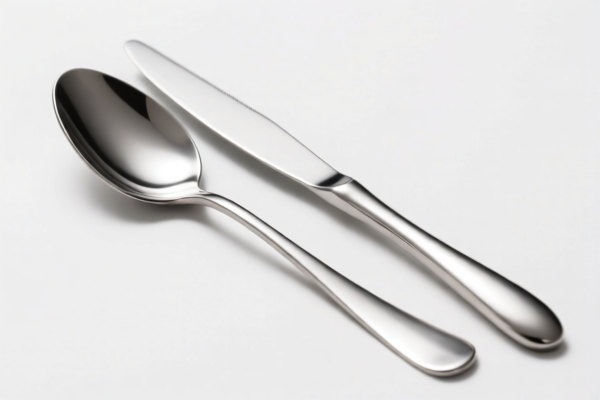
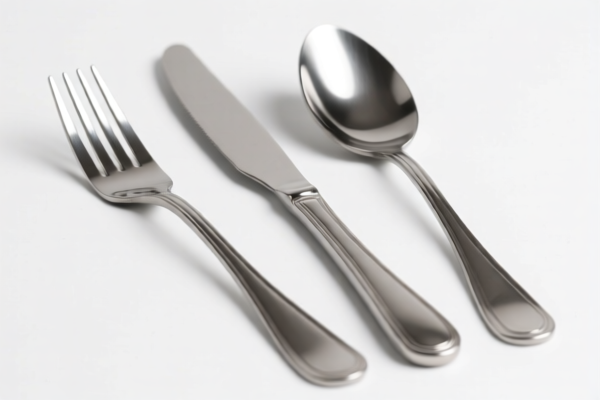
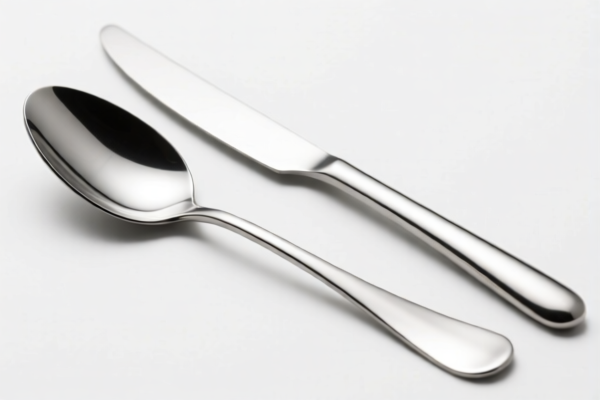
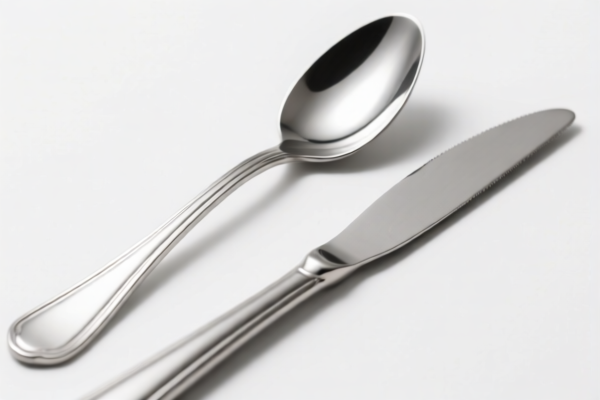
AI Analysis
🍴 Stainless Steel Cutlery: The Ultimate Clearance Guide & HS Code Masterclass
🌐 HS Code Reference & Customs Clearance Guide | 2026 Latest Tariff Analysis | Professional Strategy
📌 I. Product Definition: What Exactly Is "Stainless Steel Cutlery"?
In international trade, Stainless Steel Cutlery is not a single, monolithic category. It is a broad term encompassing various kitchen tools made from stainless steel. The classification depends heavily on the specific use (dining vs. cooking) and the physical composition (handle material, assembly).
Misclassification is the #1 cause of customs delays and massive tariff penalties (up to 62%+). You must distinguish between: 1. Tableware/Dining Utensils: Spoons, forks, knives for eating. 2. Kitchen Utensils: Spatulas, ladles, whisks for cooking. 3. Specialty Items: Handles attached to other materials, or non-standard shapes.
⚠️ Key Distinction Point:
- If it is purely for eating (forks, spoons, knives), it generally falls under Chapter 73 (Articles of Iron or Steel) or Chapter 82 (Tools/Utensils).
- If it has non-stainless handles (e.g., wood, plastic), it may fall under Chapter 82.
- If it is for cooking (ladles, skimmers), it often falls under 7323.93.
📦 II. HS Code Classification Matrix (2026 Data Source Compliance)
Based strictly on the provided data, here are the valid HS Codes for Stainless Steel Cutlery products:
| HS Code | Product Description (Summary) | Category / Use Case | Key Characteristics |
|---|---|---|---|
7323.93.00.80 |
Stainless Steel Material, Used for Tableware | Tableware | Fits the classification of "Stainless steel tableware." |
7323.93.00.60 |
Stainless Steel Material, Used for Tableware | Kitchen Utensils | Falls under "Other kitchen utensils." |
8215.99.15.00 |
Stainless Steel Material, Used for Tableware | Handle-Attached Cutlery | Fits "Stainless steel handle cutlery." |
7323.93.00.45 |
Stainless Steel Material, Used for Cooking & Kitchen | Cooking Utensils | Fits "Dining/Cooking utensils classification." |
9405.19.60.10 |
Stainless Steel Material, Used for Lighting | Not Cutlery! | Metal Household Lighting Fixtures. |
🔍 Critical Warning:
- Do NOT classify lighting fixtures (chandeliers, lamps) as cutlery, even if made of stainless steel.9405.19.60.10is for Lighting, not eating! Misdeclaring a lamp as cutlery is fraud and leads to seizure. -7323.93.00.80,7323.93.00.60, and7323.93.00.45are all under Chapter 73 (Iron/Steel articles), but differ by specific sub-category (Tableware vs. Other Kitchen Utensils).
💰 III. 2026 Tariff Rate Breakdown (Detailed Tax Clauses)
✅ Applicable Country: USA (Implied by "Section 301/122" references)
✅ Origin: China (CN) (Implied by "122 Clause" and high tariffs)
✅ Effective Date: Current Tariff Structure
🎯 1. 7323.93.00.80 & 7323.93.00.60 & 7323.93.00.45
(Stainless Steel Tableware & Kitchen Utensils)
These three codes share the same tax structure in the provided data. This is common for bulk stainless steel kitchenware.
| Tax Component | Rate | Legal Basis / Description |
|---|---|---|
| Base Duty (MFN) | 2.0% | Standard Most Favored Nation tariff for stainless steel articles. |
| Section 301/122 Additional | 0.0% | Note: Data shows 0.0% here, but see below. |
| Section 122 (Steel/Alum/Cu) | 50% | "122 Clause Tariff": Additional tariff on Steel, Aluminum, Copper products. |
| Total Effective Tax | 62.0% | 2.0% (Base) + 0.0% (Section 301) + 50% (Section 122) |
📌 Explanation:
- The 62% total tax is extremely high.
- The 50% is specifically attributed to "122 Clause Tariff on Steel, Aluminum, Copper Products". This likely refers to specific administrative orders or recent legislative updates targeting basic metal articles.
- No de minimis exemption applies to Section 122/301 goods typically.
🎯 2. 8215.99.15.00
(Stainless Steel Handle Cutlery)
This code represents a different regulatory path, likely due to the inclusion of a handle or specific tool classification.
| Tax Component | Rate | Legal Basis / Description |
|---|---|---|
| Specific Duty | 0.4¢ each | Per-unit charge (ad valorem + specific). |
| Ad Valorem Rate | 4.8% | Percentage of CIF value. |
| Section 301/122 Additional | 0.0% | As per data. |
| Section 122 | 10% | "122 Clause Tariff": Note the difference from the 50% above! |
| Total Effective Tax | ~4.8% + 0.4¢/ea + 10% | Combined burden. |
📌 Explanation:
- The total tax is labeled as "0.4¢ each + 4.8% + 10.0%".
- The 10% Section 122 tariff is significantly lower than the 50% for other codes. This suggests that "Cutlery with handles" (Chapter 82) might be treated differently under the "Steel/Alum/Cu" rule than pure "Stainless Steel Articles" (Chapter 73).
- Specific Duty (0.4¢/ea) adds a fixed cost per unit, impacting small items more heavily.
🎯 3. 9405.19.60.10
(Stainless Steel Lighting Fixtures)
❌ NOT CUTLERY. However, included for completeness in case of misclassification.
| Tax Component | Rate | Legal Basis / Description |
|---|---|---|
| Base Duty | 7.6% | Standard rate for lighting fixtures. |
| Section 301 Additional | 25% | Standard Section 301 tariff. |
| Section 122 | 10% | "122 Clause Tariff". |
| Total Effective Tax | 42.6% | 7.6% + 25% + 10% |
🛠️ IV. Customs Clearance Practical Advice
✅ 1. Documentation Checklist (Must-Have)
| Document | Required? | Notes |
|---|---|---|
| Commercial Invoice | ✔️ | Must clearly state "Stainless Steel Cutlery" and HS Code. |
| Product Specification | ✔️ | Detail material (e.g., 304/316 Stainless Steel), handle material, weight. |
| Photo of Product | ✔️ | Show the item clearly. If it has a handle, photograph it. |
| Origin Certificate | ✔️ | Proves country of manufacture (China triggers Section 122/301). |
| HS Code Pre-Ruling | ⭐ | Highly Recommended for 7323.93 vs 8215.99 distinction. |
✅ 2. Critical Declaration Tips
🔥 "Be Precise: Tableware vs. Utensils vs. Lighting!"
| Scenario | Correct HS Code | Wrong HS Code | Consequence |
|---|---|---|---|
| Standard Forks/Spoons | 7323.93.00.80 |
9405.19.60.10 |
Seizure/Fraud. Lighting is not cutlery. |
| Cooking Ladle/Spatula | 7323.93.00.60 or 45 |
8215.99.15.00 |
62% Tax vs ~15% Tax. Overpayment! |
| Cutlery with Wood/Plastic Handles | 8215.99.15.00 |
7323.93.00.80 |
Lower Tax (10% vs 50% Section 122). |
| Pure Stainless Steel Knife (No Handle) | 7323.93.00.80 |
8215.99.15.00 |
Higher Tax (50% Section 122). |
📌 Expert Insight:
- If your cutlery has non-metal handles (wood, plastic, ceramic), try to classify under8215.99.15.00if applicable, as the Section 122 tax is only 10% vs 50% for pure steel articles.
- However, if it is pure stainless steel (including the handle), it likely falls under7323.93and incurs the 50% Section 122 tariff.
✅ 3. Avoiding the "62% Tax Trap"
The 62% total tax for 7323.93 codes is driven by the 50% Section 122 tariff on Steel.
- Can you avoid it?
- No for pure stainless steel tableware (7323.93).
- Yes, potentially, if you can legally classify it as 8215.99.15.00 (Cutlery with handles). The Section 122 tariff is only 10% here.
- Strategy: Ensure the product has a distinct "handle" component that can be classified as a "tool" or "utensil" under Chapter 82, rather than a generic "steel article" under Chapter 73. Consult a customs broker for Advance Ruling.
🌍 V. Global Market Comparison (2026)
| Market | Recommended HS Code | Total Tax (China Origin) | Key Certification |
|---|---|---|---|
| 🇺🇸 USA | 7323.93.00.80 / 8215.99.15.00 |
62% or ~15% | FDA (if food contact), Prop 65 |
| 🇪🇺 EU | 7323.93.00 |
6% | LFGB, EC 1935/2004 |
| 🇨🇳 China | 7323.93.00 |
8-10% | GB Standard |
| 🇬🇧 UK | 7323.93.00 |
6% | UKCA |
📌 Conclusion for US Market:
- The Section 122 Steel Tariff (50%) is the biggest cost driver.
- Optimization: Can your product be structured to qualify for8215.99.15.00(10% Section 122)? This saves 40% in additional tariffs.
- Example: A fork with a plastic handle is more likely to be8215.99.15.00than a solid stainless steel fork.
📌 VI. Common Errors & Pitfalls
❌ Error 1: Declaring Lighting Fixtures (9405) as Cutlery
👉 Result: Customs investigation, penalty for misdeclaration, and 42.6% tax instead of potential lower cutlery rates.
❌ Error 2: Assuming All Stainless Steel Cutlery Has 62% Tax
👉 Result: Overpaying. If your cutlery has handles, check 8215.99.15.00 (Total ~15%). You could save 47% in taxes!
❌ Error 3: Ignoring "Section 122" Specifics
👉 Result: Underestimating costs. The 50% tax is not Section 301 (25%), but a specific "Steel/Alum/Cu" tariff. It applies to 7323.93 codes.
✅ Correct Approach:
"Stainless Steel Fork with Plastic Handle" →
8215.99.15.00→ ~15% Total Tax
"Solid Stainless Steel Spatula" →7323.93.00.60→ 62% Total Tax
🎯 VII. Conclusion: Maximize Profit by Minimizing Tax Class
🎯 Key Takeaway:
🔹 "Check the Handle: Plastic = 10% Steel Tariff, Solid Steel = 50% Steel Tariff!"
🔹 "Lighting is NOT Cutlery: Never mix9405with7323!"
🔹 "Section 122 is the Silent Killer: 50% on Steel Articles can wipe out margins!"
📌 Pro Tip:
If your business volume is high, apply for an HS Code Pre-Ruling (Advance Ruling) from US Customs (CBP). Paying $500-$1000 for a ruling can save you thousands in potential 62% tax vs 15% tax discrepancies.
📣 Immediate Action:
📞 Contact a Customs Broker: Provide product samples and ask: "Can this be classified under
8215.99.15.00to benefit from the 10% Section 122 tariff instead of 50%?"
🚀 Optimize Your Supply Chain: Choose designs with non-metal handles if possible to reduce tariff burden.
✨ Smart Classification = Higher Profits
💼 Don't Let 62% Tax Eat Your Lunch!
Customer Reviews
About HS Code Classification
The Harmonized System (HS) is an internationally standardized nomenclature developed by the World Customs Organization (WCO) to classify traded products. Over 200 countries use the HS system as the basis for customs tariffs, trade statistics, and import/export regulations.
Each HS code follows a hierarchical structure:
- Chapter (2 digits) — Broad category of goods (e.g., Chapter 84: Machinery and Mechanical Appliances)
- Heading (4 digits) — More specific grouping within the chapter
- Subheading (6 digits) — Internationally standardized breakdown, used by all WCO member countries
- National subdivisions (8-10 digits) — Country-specific extensions for further classification, such as US HTSUS 10-digit codes
Correct HS code classification is essential for smooth customs clearance, accurate duty payment, and compliance with trade regulations. Misclassification can lead to customs delays, overpayment of duties, or penalties.
When importing from CN to US, the applicable tariff rates may include:
- Most-Favored-Nation (MFN) rate — The standard duty rate applied to WTO members
- General rate — Applied to countries without trade agreements
- Trade remedy duties — Additional tariffs such as Section 301 (anti-dumping), Section 232 (national security), or countervailing duties
The information provided on this page is for reference purposes only. For official classification, please consult with your local customs authority or a licensed customs broker.