Stainless Steel Magnetic Earrings
CN → US| HS Code | Tariff Rate | Origin | Destination | Doc |
|---|---|---|---|---|
| 7117110000 | 25.5% | CN | US | Official Doc |
| 8308100000 | 0.0% | CN | US | Official Doc |
| 7117909000 | 28.5% | CN | US | Official Doc |
| 8505192000 | 39.9% | CN | US | Official Doc |
| 8505193000 | 39.9% | CN | US | Official Doc |
Product Images
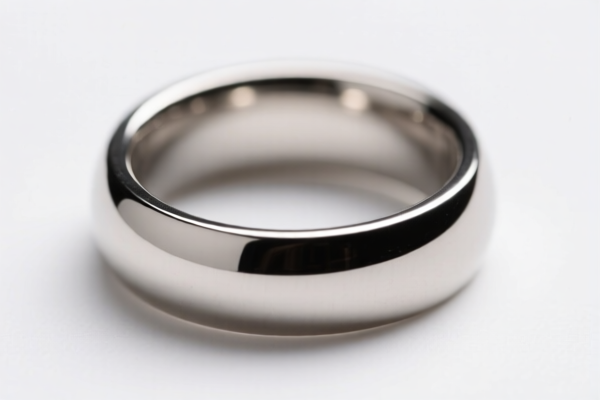
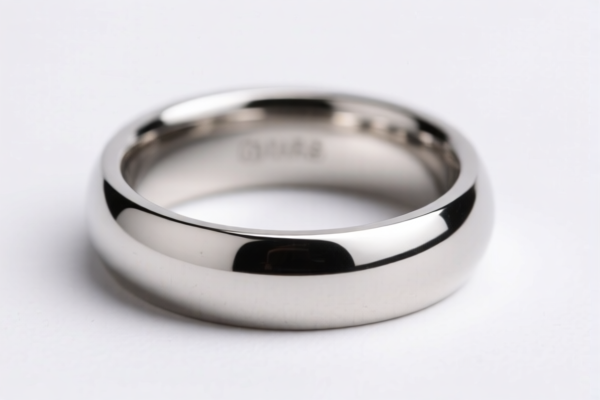
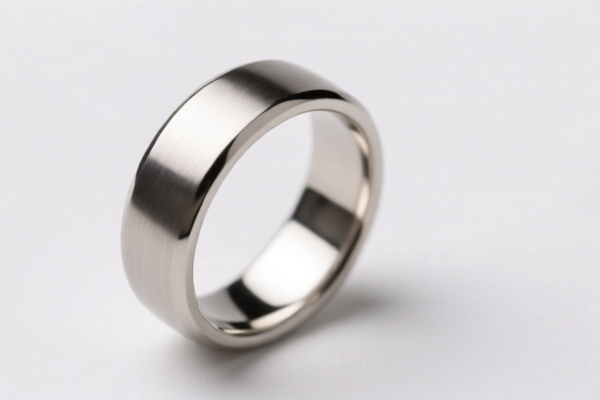

AI Analysis
💎 Stainless Steel Magnetic Earrings & Magnetic Ear Cuffs
🌐 HS Code Reference & Customs Clearance Guide | 2026 Latest Tariff Analysis | Professional Strategy for Jewelry & Magnetic Goods
📌 I. Product Definition & Classification: Are You Sure You Know "Magnetic Jewelry"?
Stainless Steel Magnetic Earrings are a unique category of fashion accessories that combine jewelry aesthetics with magnetic functionality. In international trade, the classification is critical because it determines whether the item is treated as "Imitation Jewelry" (Chapter 71) or "Electromagnetic/Magnetic Articles" (Chapter 85). The presence of magnets can shift the classification from low-duty jewelry to higher-tariff electronic/magnetic components, significantly impacting costs.
⚠️ Key Distinction Point:
- If the item is primarily viewed as ornamental (jewelry) and the magnet is merely a fastening mechanism → Often classified under Chapter 71 (Imitation Jewelry).
- If the item is technically defined as a magnetic device or contains specific flexible/permanent magnets under HTS 8505 → Classified under Chapter 85, often attracting higher "Section 301" and "122" tariffs.
📦 II. HS Code Classification Details (2026 Latest Tariff Authority Comparison)
Based on the provided data, here are the five potential HS Codes for Stainless Steel Magnetic Earrings/Earrings with magnets:
| HS Code | Product Description | Material/Form | Total Tax Rate | Key Characteristics |
|---|---|---|---|---|
| 7117.11.00.00 | Imitation Jewelry, Base Metal | Stainless Steel | 25.5% | Base metal imitation jewelry; Earrings form. |
| 8308.10.00.00 | Clasps, Frames, Buckles, etc. (Base Metal) | Stainless Steel | 1.1¢/kg + 2.9% + 35.0% | Classified as jewelry findings/hardware rather than finished jewelry. |
| 7117.90.90.00 | Other Imitation Jewelry | Non-precious Metal | 28.5% | Magnetic ear clips; considered imitation jewelry, non-precious. |
| 8505.19.20.00 | Permanent Magnets | With Flexible Magnets | 39.9% | Magnetic ear clips; contains flexible magnets; composite product. |
| 8505.19.30.00 | Permanent Magnets | Other Uses | 39.9% | Magnetic ear clips; classified as permanent magnets with other uses. |
🔍 Key Takeaway:
- Jewelry Classification (7117/8308): Generally offers lower ad valorem rates (25.5% - 35%) but may have specific weight-based charges (for 8308).
- Magnetic Classification (8505): Triggers the highest tax burden (39.9%), combining base duties with significant additional tariffs.
- Strategic Choice: Depending on customs interpretation, choosing 7117 or 8308 over 8505 can save nearly 14-15% in total duties.
💰 III. 2026 Latest Tariff Rate Breakdown (Including Surtaxes & Policy Add-ons)
✅ Applicable Country: United States (US)
✅ Origin: China (CN) (Inferred from "122 Section" and typical 301 tariff context)
✅ Effective Time: Current rates apply as per 2026 tariff schedule.
🎯 1. 7117.11.00.00 —— Imitation Jewelry, Base Metal (Stainless Steel Earrings)
| Item | Detail |
|---|---|
| Base Duty | 8.0% |
| Additional Duty (Section 301) | 7.5% |
| Section 122 Tariff | 10.0% |
| Total Tax Rate | 25.5% |
| Tax Calculation | CIF Value × 25.5% |
| Legal Basis | HTS 7117.11.00.00 + Section 301 + Section 122 |
📌 Explanation:
- This is the most common classification for standard stainless steel magnetic earrings.
- The total duty is a combination of standard base duty and specific trade remedies.
- Cost Advantage: Lower than the 8505 category by 14.4 percentage points.
🎯 2. 8308.10.00.00 —— Clasps, Frames, Buckles (Base Metal)
| Item | Detail |
|---|---|
| Base Duty | 1.1¢/kg + 2.9% |
| Additional Duty (Section 301) | 25.0% |
| Section 122 Tariff | 10.0% |
| Total Tax Rate | ~35.0% + Weight Fee |
| Tax Calculation | (CIF Value × 27.9%) + (Weight × $0.011) |
| Legal Basis | HTS 8308.10.00.00 + Section 301 + Section 122 |
📌 Explanation:
- This code is used if the item is considered "jewelry findings" or "parts of jewelry" rather than finished jewelry.
- Warning: The specific duty (1.1¢/kg) adds a fixed cost per kilogram, which can be significant for heavy stainless steel pieces.
- The base ad valorem rate (2.9%) is very low, but the 301 duty (25%) is higher than the 7117 category.
🎯 3. 7117.90.90.00 —— Other Imitation Jewelry
| Item | Detail |
|---|---|
| Base Duty | 11.0% |
| Additional Duty (Section 301) | 7.5% |
| Section 122 Tariff | 10.0% |
| Total Tax Rate | 28.5% |
| Tax Calculation | CIF Value × 28.5% |
| Legal Basis | HTS 7117.90.90.00 + Section 301 + Section 122 |
📌 Explanation:
- Applies to magnetic ear clips classified as imitation jewelry but not covered under 7117.11 (possibly due to material mix or form).
- Slightly higher than 7117.11 due to a higher base duty (11% vs 8%).
🎯 4. & 5. 8505.19.20.00 / 8505.19.30.00 —— Permanent Magnets
| Item | Detail |
|---|---|
| Base Duty | 4.9% |
| Additional Duty (Section 301) | 25.0% |
| Section 122 Tariff | 10.0% |
| Total Tax Rate | 39.9% |
| Tax Calculation | CIF Value × 39.9% |
| Legal Basis | HTS 8505.19.20.00 / 8505.19.30.00 + Section 301 + Section 122 |
📌 Explanation:
- This classification treats the product primarily as a magnet rather than jewelry.
- Highest Tax Burden: The 25% Section 301 duty is significantly higher than the 7.5% applied to jewelry.
- Risk: If customs inspectors view the magnet as the essential character, this rate applies.
🛠️ IV. Customs Clearance Practical Advice (Real-World Pitfall Guide)
✅ 1. Preparation Checklist (Non-Negotiable)
| Document | Required? | Explanation |
|---|---|---|
| ✅ Product Specifications | ✔️ | Must clearly state "Stainless Steel," "Magnetic," and "Earrings/Ear Cuffs." |
| ✅ Composition Details | ✔️ | Specify the type of magnet (e.g., Neodymium, Ceramic) and its integration. |
| ✅ Photographs | ✔️ | Show the product as a finished jewelry item, not just a raw magnet. |
| ✅ Commercial Invoice | ✔️ | Use descriptive terms: "Fashion Earrings with Magnetic Closure" vs. "Magnetic Component." |
| ✅ Labeling | ✔️ | Ensure packaging reflects jewelry use, not industrial or electronic use. |
✅ 2. Declaration Strategy (Critical Mnemonic)
🔥 “Character is Key: Jewelry First, Magnet Second!”
| Scenario | Recommended HS Code | Reasoning |
|---|---|---|
| Finished Earrings with hidden magnets | 7117.11.00.00 | Primary use is adornment; magnet is a fastener. Lowest total tax (25.5%). |
| Magnetic Ear Cuffs (Open Ear) | 7117.90.90.00 | Classified as imitation jewelry. Tax 28.5%. Avoid 8505 if possible. |
| Jewelry Findings/Clasps Sold Separately | 8308.10.00.00 | If sold as parts (e.g., magnetic clasps for DIY). High weight fee applies. |
| Magnet as Primary Function (e.g., Medical/Industrial) | 8505.19.20.00 | If the magnet is the essential feature (e.g., therapeutic earrings). Avoid for fashion! Tax 39.9%. |
📌 Warning:
- Do NOT declare fashion earrings as "Permanent Magnets" (8505) unless required by specific customs rulings. The 14.4% tax difference is significant.
- If the magnet is easily removable or secondary to the aesthetic, argue for Chapter 71.
✅ 3. Special Cases Handling
| Situation | Advice |
|---|---|
| OEM Custom Designs | Provide design sketches showing jewelry aesthetics. Emphasize "Fashion" over "Function." |
| Mixed Materials | If steel + other metals, ensure compliance with base metal rules. Stainless steel is typically classified under 7117.11. |
| High-Value Items | Even with 25-30% duty, the margin on fashion jewelry often absorbs the cost. Compare total landed cost vs. competitors. |
| Audits | Keep sample products and test reports proving the magnet’s role is purely cosmetic/fastening. |
🌍 V. Global Market Clearance Comparison (2026 Latest)
| Country/Region | Recommended HS Code | Approx. Duty | Notes |
|---|---|---|---|
| 🇺🇸 USA | 7117.11.00.00 | 25.5% | Best for fashion earrings. Avoid 8505 (39.9%). |
| 🇺🇸 USA | 8505.19.20.00 |
39.9% | High risk if misclassified. |
| 🇪🇺 EU | 7117.19 | Varies | Generally lower base duties; VAT applies. No Section 122/301. |
| 🇨🇳 China | 7117.19 | Varies | Import duties may apply; no additional surtaxes for US-style products. |
📌 Conclusion:
- USA: The choice between 7117 and 8505 is a 14.4% difference. Always aim for 7117 for fashion items.
- Documentation is King: Clear product descriptions and images are essential to justify Chapter 71 classification.
📌 VI. Common Errors & Pitfalls (Lessons Learned)
❌ Error 1: Declaring "Magnetic Earrings" as "Permanent Magnets" (8505)
👉 Consequence: Pay 39.9% instead of 25.5%. Overpayment of 14.4% on every shipment.
❌ Error 2: Declaring finished earrings as "Parts of Jewelry" (8308)
👉 Consequence: Unnecessary weight-based fees (1.1¢/kg) and complex calculations. Also, base duty structure is less favorable for light items.
❌ Error 3: Vague Descriptions ("Jewelry Accessories")
👉 Consequence: Customs may default to the highest applicable rate (8505) or request additional scrutiny, causing delays.
❌ Error 4: Ignoring Section 122 Tariffs
👉 Consequence: Underestimating total landed cost. Ensure your accounting system includes the 10% Section 122 duty in all calculations.
✅ Correct Declaration Example:
"Stainless Steel Fashion Earrings with Magnetic Closure, HS Code 7117.11.00.00, For Women, Adornment Purpose"
🎯 VII. Conclusion: Smart Classification, Maximizing Profit!
🎯 Remember the Golden Rule:
🔹 "Jewelry First, Magnet Second: Choose 7117, Save 14.4%!"
🔹 "Don't Let 'Magnet' Define the Whole: Fashion is the Key!"
📌 Pro Tip:
- If you are unsure, apply for a Customs Binding Ruling (Pre-classification) before shipment. The cost of a ruling is far lower than the penalty of misclassification.
- Always verify if your supplier provides the correct Material Safety Data Sheet (MSDS) for the magnets, as this can influence customs perception.
📣 Immediate Action:
📞 Consult with your customs broker today.
🚀 Ensure your invoices say "Fashion Earrings," not "Magnetic Components."
💰 Protect your margins by choosing the right HS Code!
✨ Professional clearance starts with accurate classification!
💼 Every percent of duty saved is pure profit!
Customer Reviews
About HS Code Classification
The Harmonized System (HS) is an internationally standardized nomenclature developed by the World Customs Organization (WCO) to classify traded products. Over 200 countries use the HS system as the basis for customs tariffs, trade statistics, and import/export regulations.
Each HS code follows a hierarchical structure:
- Chapter (2 digits) — Broad category of goods (e.g., Chapter 84: Machinery and Mechanical Appliances)
- Heading (4 digits) — More specific grouping within the chapter
- Subheading (6 digits) — Internationally standardized breakdown, used by all WCO member countries
- National subdivisions (8-10 digits) — Country-specific extensions for further classification, such as US HTSUS 10-digit codes
Correct HS code classification is essential for smooth customs clearance, accurate duty payment, and compliance with trade regulations. Misclassification can lead to customs delays, overpayment of duties, or penalties.
When importing from CN to US, the applicable tariff rates may include:
- Most-Favored-Nation (MFN) rate — The standard duty rate applied to WTO members
- General rate — Applied to countries without trade agreements
- Trade remedy duties — Additional tariffs such as Section 301 (anti-dumping), Section 232 (national security), or countervailing duties
The information provided on this page is for reference purposes only. For official classification, please consult with your local customs authority or a licensed customs broker.