Stainless Steel Pin with Bottle
CN → US| HS Code | Tariff Rate | Origin | Destination | Doc |
|---|---|---|---|---|
| 7117190500 | 10.0% | CN | US | Official Doc |
| 7117199000 | 28.5% | CN | US | Official Doc |
| 7323930080 | 62.0% | CN | US | Official Doc |
Product Images
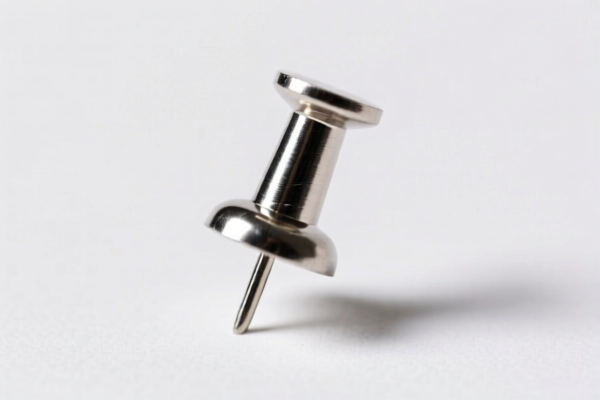
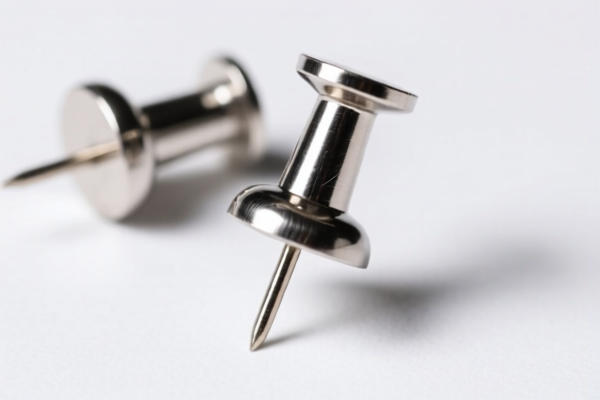
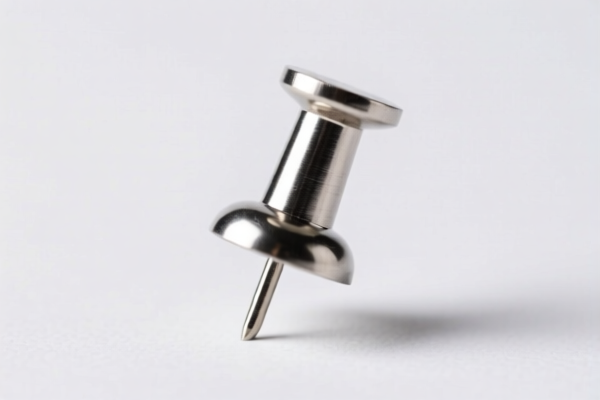
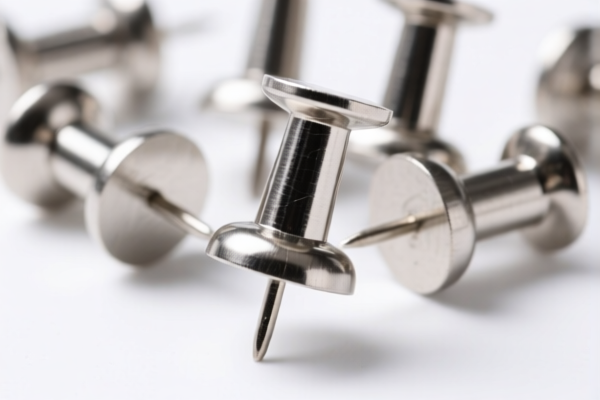
AI Analysis
🍾 Stainless Steel Pin with Bottle (Corkers / Wine Stoppers)
🌐 HS Code Reference & Customs Clearance Guide | 2026 Latest Tariff Analysis | Professional Clearance Strategy
📌 I. Product Definition & Classification: Do You Really Understand "Stainless Steel Pin with Bottle"?
A "Stainless Steel Pin with Bottle" typically refers to mechanical bottle openers, wine stoppers (corkscrews), or decorative metal pins used in beverage service or storage. In international trade, these items are broadly classified based on their primary function and material.
Key Distinction:
- If it is a utilitarian tool (opener, stopper, server) → Classified under Chapter 73 (Articles of Iron or Steel).
- If it is jewelry (decorative pin/brooch) → Classified under Chapter 71 (Imitation Jewelry).
⚠️ Critical Classification Point:
- If the item is a bottle opener, corkscrew, or wine server, it is NOT jewelry, even if decorated. It falls under 7323.93.00.
- If the item is a decorative brooch/pin worn on clothing, it falls under 7117.19.
📦 II. HS Code Classification Details (2026 Latest Tariff Authority对照)
| HS Code | Product Description | Applicable Scenario | Is it Jewelry? |
|---|---|---|---|
7323.93.00.80 |
Table, kitchen or other household articles... of stainless steel: Other: Cooking ware: Other | Wine stoppers, bottle openers, corkscrews, beer taps, kitchen servers | ❌ No (Household/Kitchen Article) |
7117.19.05.00 |
Imitation jewelry: Of base metal... Rope, curb, cable, chain... Toy jewelry valued not over 8 cents per piece | Decorative pins, brooches, toy jewelry chains | ✅ Yes (Jewelry/Accessory) |
7117.19.90.00 |
Imitation jewelry: Of base metal... Other: Other: Other | General imitation jewelry pins, brooches (not chains/ropes) | ✅ Yes (Jewelry/Accessory) |
🔍 Key Reminder:
- Bottle Openers/Stoppers MUST be classified under 7323.93.00.80, NOT 7117. Even if made of stainless steel and "sparkly," their primary use is household/kitchen.
- Decorative Pins (worn on lapels) fall under 7117.19.
- Toy Jewelry (cheap, <8¢/piece) may fall under 7117.19.05.00 but is rare for functional bottle tools.
💰 III. 2026 Latest Tariff Rate Breakdown (Including Additional Taxes)
✅ Applicable Country: USA
✅ Origin: China (CN)
✅ Effective Date: 2025年11月10日起 (Including subsequent imports)
🎯 1. 7323.93.00.80 —— Stainless Steel Kitchen/Household Articles (e.g., Wine Stoppers, Openers)
| Item | Detail |
|---|---|
| Base Tariff | 2.0% (ad valorem) |
| Section 301 / Steel & Aluminum Additional Tariff | +50% (Under USITC Footnote: "Steel, Aluminum, Copper Products") |
| Total Tariff Rate | 52.0% |
| Tax Calculation | CIF Value × 52% |
| De Minimis Exemption | ❌ Not Applicable (High tariff threshold prevents de minimis benefit) |
| Legal Basis Path | USITC:7323.93.00.80 → FOOTNOTE:Steel/Aluminum/Copper |
📌 Explanation:
- "Base 2%": Standard duty for stainless steel household articles.
- "+50%": This is a critical penalty. The US imposes a 50% additional tariff on certain steel and aluminum products from China, including many stainless steel household items.
- Total 52% is extremely high. This makes Chinese stainless steel bottle tools/unopened tools highly uncompetitive in the US market without duty mitigation.
🎯 2. 7117.19.05.00 & 7117.19.90.00 —— Imitation Jewelry (Decorative Pins)
| Item | Detail |
|---|---|
| Base Tariff | 0.0% |
| Section 301 / Additional Tariff | 0.0% |
| Total Tariff Rate | 0.0% |
| Tax Calculation | CIF Value × 0% |
| De Minimis Exemption | ✅ Applicable (If value < $800, may qualify for Section 321 de minimis) |
| Legal Basis Path | USITC:7117.19.xxxx → No additional steel tariff applies |
📌 Explanation:
- "0% Tax": Imitation jewelry is generally duty-free under current US trade policy.
- No 50% Steel Tariff: Jewelry items are exempt from the "Steel, Aluminum, Copper" additional tariff, even if made of base metal.
- Cost Advantage: Importing decorative pins as "jewelry" can save 52% in tariffs compared to importing the same item as "kitchenware."
🛠️ IV. Customs Clearance Practical Advice (Real-World Pitfall Guide)
✅ 1. Documentation Checklist (All Mandatory)
| Document | Required | Note |
|---|---|---|
| ✅ Product Specification | ✔️ | Clarify primary use: Is it a tool (opener/stopper) or decoration (pin/brooch)? |
| ✅ Product Photos | ✔️ | Show the item in use (e.g., inserted in a bottle vs. worn on clothing). |
| ✅ Commercial Invoice | ✔️ | Must match HS Code description. Avoid vague terms like "Metal Pin." |
| ✅ Material Declaration | ✔️ | Specify "Stainless Steel 304/316" for 7323, or "Base Metal Plated" for 7117. |
| ✅ Origin Certificate | ✔️ | Essential for determining tariff eligibility. |
✅ 2. Declaration Strategy (Key Mantra)
🔥 "Tool = Kitchen, Pin = Jewelry! Name Matters, Tax Differs!"
| Scenario | Correct HS Code | Wrong Approach | Consequence |
|---|---|---|---|
| Wine Corkscrew / Bottle Opener | 7323.93.00.80 |
Declare as "Pin" or "Jewelry" | ❌ Smuggling/Classification Error: Heavy fines, back taxes (52% + penalties) |
| Decorative Lapel Pin | 7117.19.90.00 |
Declare as "Kitchenware" | ❌ Overpayment: Pay 52% instead of 0% |
| Toy Chain Jewelry (<8¢/pc) | 7117.19.05.00 |
Declare as "Jewelry" generally | ⚠️ Minor Risk: May still be accepted, but specific value threshold applies |
💡 Pro Tip:
If your product is a bottle opener with a decorative handle, it is STILL a kitchen tool. Do NOT classify it as jewelry. The primary function dictates classification.
✅ 3. Special Cases & Mitigation
| Situation | Recommendation |
|---|---|
| Bottle Opener with Gemstones | Still 7323.93.00.80 (52% tariff). Gems do not change the primary function. |
| Decorative Pin Shaped like a Bottle | Can be classified as 7117.19.90.00 (0% tariff) if primarily worn as clothing accessory. |
| Set: Opener + Pin | Split Declaration: Declare opener as 7323... and pin as 7117.... Do NOT bundle if functions differ. |
| Drop Shipping (De Minimis) | If value < $800, jewelry (7117) may enter duty-free via Section 321. Kitchenware (7323) may face scrutiny but is also eligible if < $800, though 52% tax is still technically due if audited. |
🌍 V. Global Market Comparison (2026)
| Country/Region | Recommended HS Code | Tariff Rate | Notes |
|---|---|---|---|
| 🇺🇸 USA | 7323.93.00.80 (Tool) |
52% | High barrier for Chinese steel tools. |
| 🇺🇸 USA | 7117.19.90.00 (Jewelry) |
0% | Preferred for decorative items. |
| 🇪🇺 EU | 7323.93 (Tool) |
~4.5% | No Section 301 equivalent. |
| 🇨🇳 China | 7323.93 (Tool) |
~6% | Export duty may apply. |
📌 VI. Common Errors & Pitfalls (Blood & Tears Lessons)
❌ Error 1: Calling a corkscrew a "Stainless Steel Pin" to avoid 52% tax.
👉 Result: Customs inspection reveals function. Back taxes + 200% penalty.
❌ Error 2: Declaring a decorative pin as "Kitchenware" to match another product.
👉 Result: Overpay 52% on a 0% item. Profit margin destroyed.
❌ Error 3: Ignoring the 50% Steel Tariff footnote for 7323.93.00.80.
👉 Result: Budgeting fails. Unexpected $50,000+ bill on a container load.
✅ Correct Declaration Example:
- Tool: "Stainless Steel Wine Corkscrew, Household Use, Model XYZ" →
7323.93.00.80- Jewelry: "Fashion Stainless Steel Brooch Pin, Decorative, Model ABC" →
7117.19.90.00
🎯 VII. Conclusion: Strategic Classification for Cost Efficiency
🎯 Mantra to Remember:
🔹 "Function First: Tool = Steel Tax (52%), Decor = Jewelry Tax (0%)!"
🔹 "If it opens a bottle, you pay 52%. If it opens a fashion statement, you pay 0%!"
📌 Actionable Advice:
1. Audit Your Product Line: Separate functional tools (openers/stoppers) from decorative items (pins/brooches).
2. Redesign if Possible: If you can market a bottle opener as a "Fashion Accessory" (e.g., wearable lapel opener), classify under 7117 to save 52%.
3. Pre-Ruling: Apply for a Customs Ruling from US CBP if the product's function is ambiguous.
4. Supply Chain Diversification: For heavy-tool imports, consider sourcing from non-China origins to avoid Section 301 steel tariffs.
📣 Final Call:
📞 Consult a Customs Broker before shipping.
🚀 Classify Correctly: Save 52% Tax, Avoid Fines, Ensure Smooth Clearance.
💼 Your Bottom Line Depends on the Right HS Code!
✨ Precision in Classification = Profit in Pocket!
Customer Reviews
About HS Code Classification
The Harmonized System (HS) is an internationally standardized nomenclature developed by the World Customs Organization (WCO) to classify traded products. Over 200 countries use the HS system as the basis for customs tariffs, trade statistics, and import/export regulations.
Each HS code follows a hierarchical structure:
- Chapter (2 digits) — Broad category of goods (e.g., Chapter 84: Machinery and Mechanical Appliances)
- Heading (4 digits) — More specific grouping within the chapter
- Subheading (6 digits) — Internationally standardized breakdown, used by all WCO member countries
- National subdivisions (8-10 digits) — Country-specific extensions for further classification, such as US HTSUS 10-digit codes
Correct HS code classification is essential for smooth customs clearance, accurate duty payment, and compliance with trade regulations. Misclassification can lead to customs delays, overpayment of duties, or penalties.
When importing from CN to US, the applicable tariff rates may include:
- Most-Favored-Nation (MFN) rate — The standard duty rate applied to WTO members
- General rate — Applied to countries without trade agreements
- Trade remedy duties — Additional tariffs such as Section 301 (anti-dumping), Section 232 (national security), or countervailing duties
The information provided on this page is for reference purposes only. For official classification, please consult with your local customs authority or a licensed customs broker.